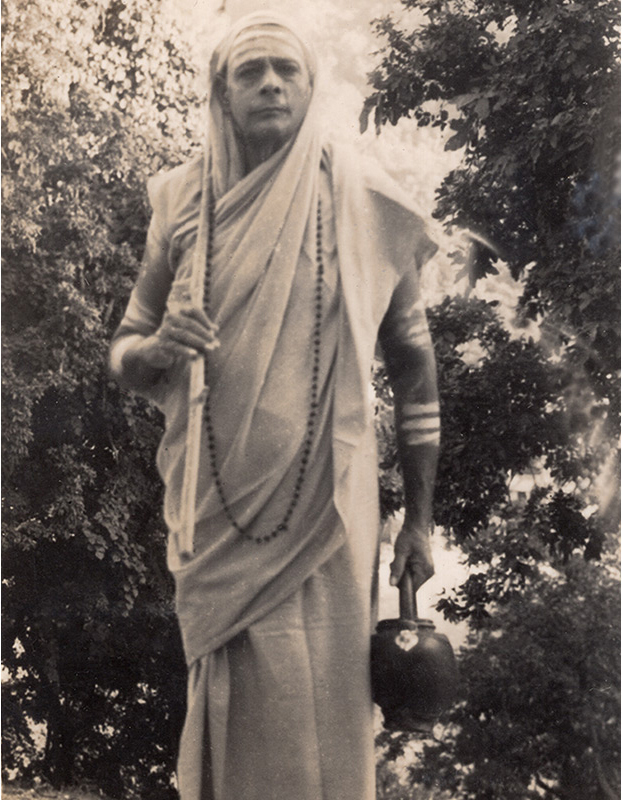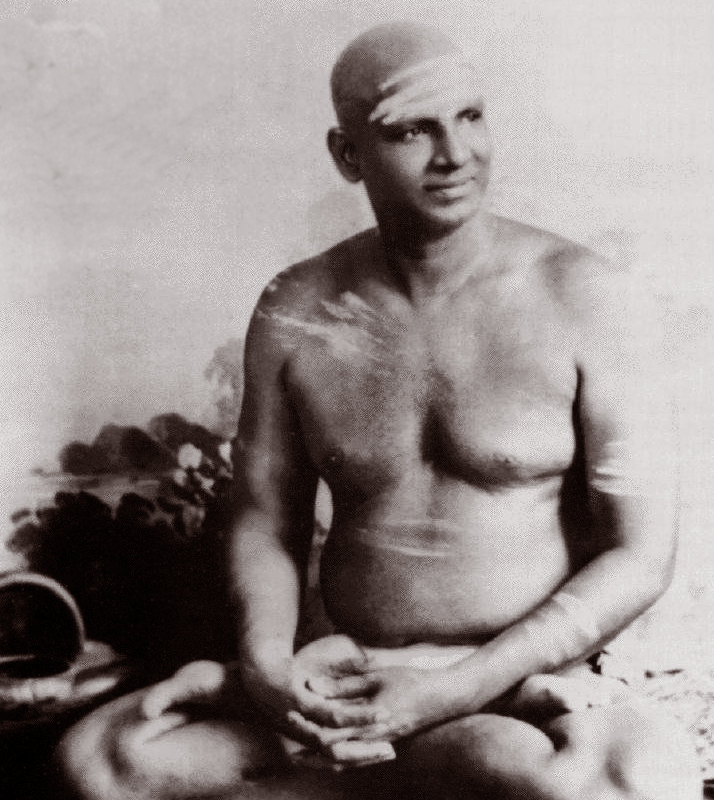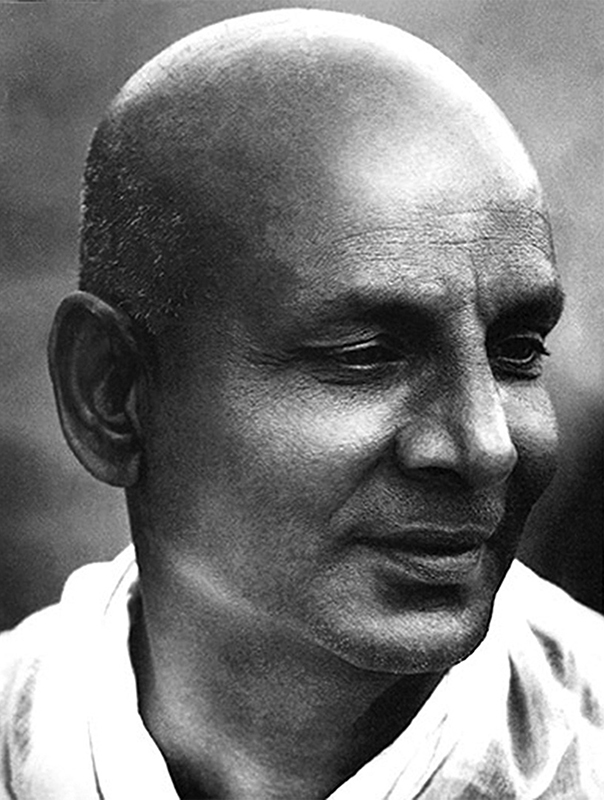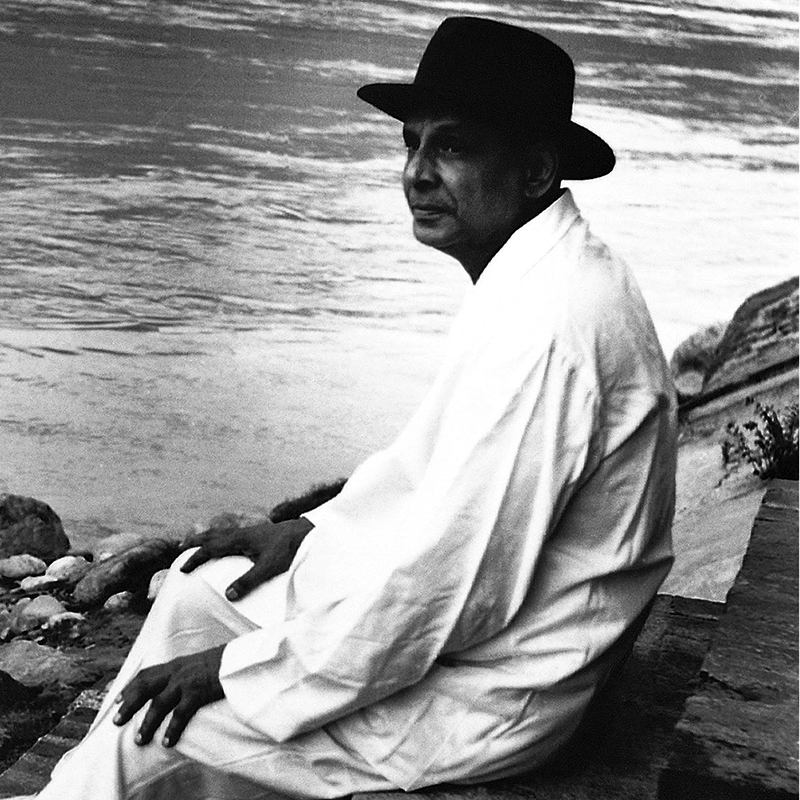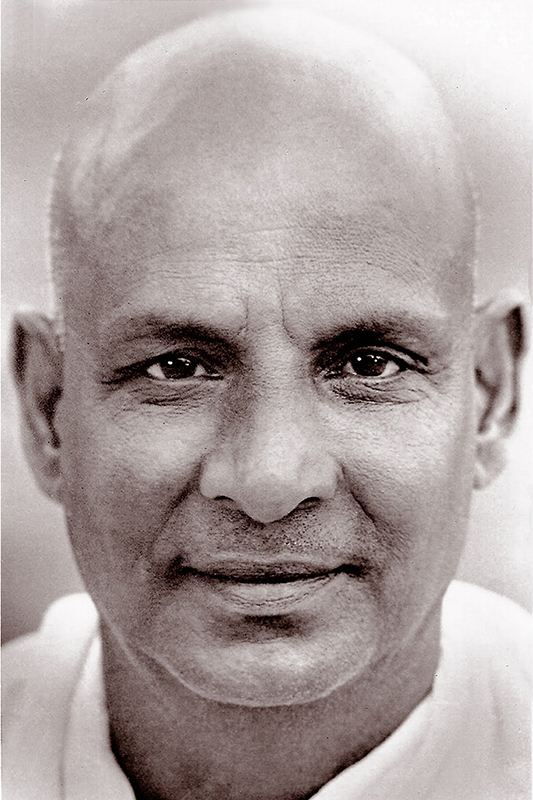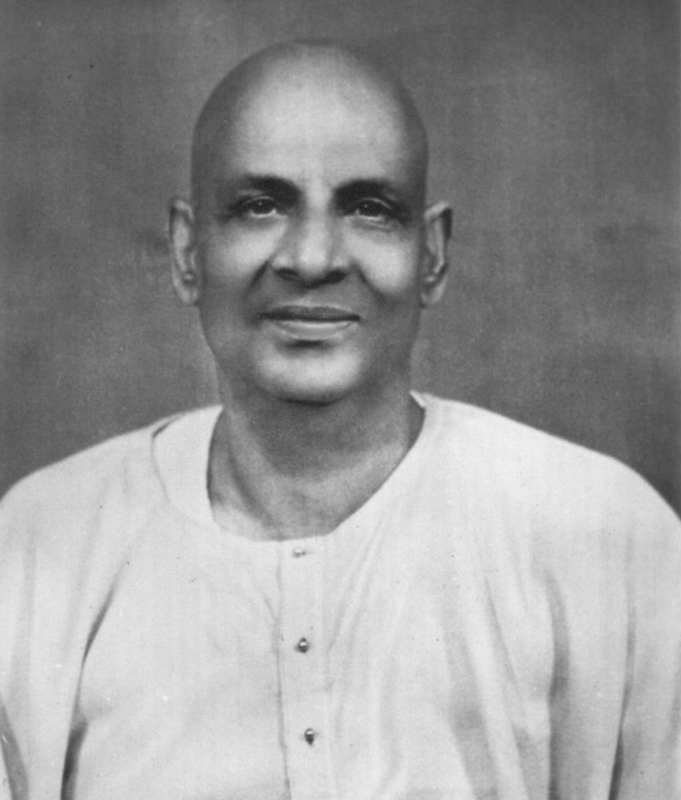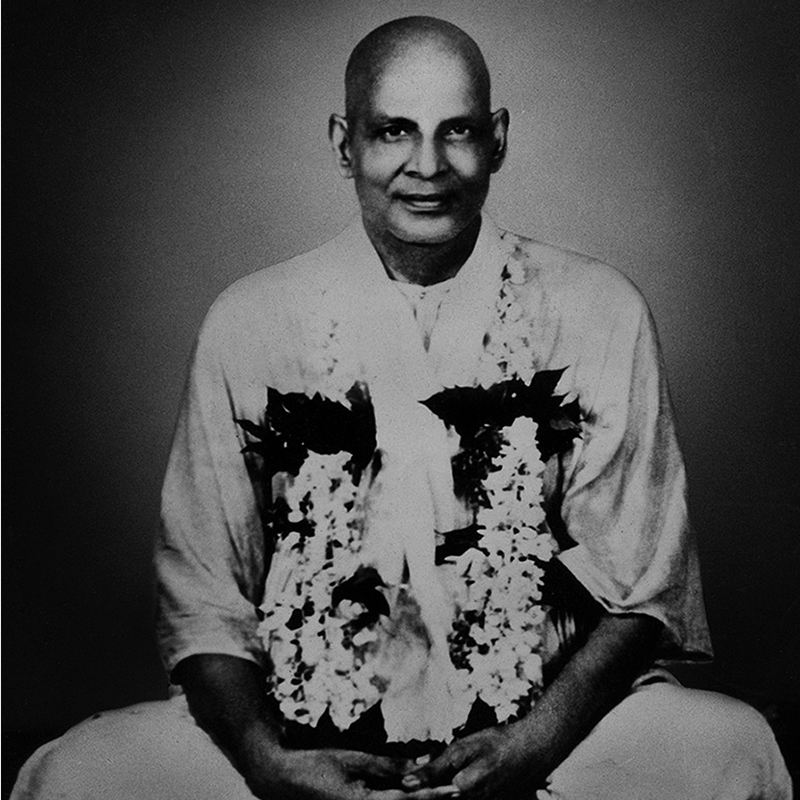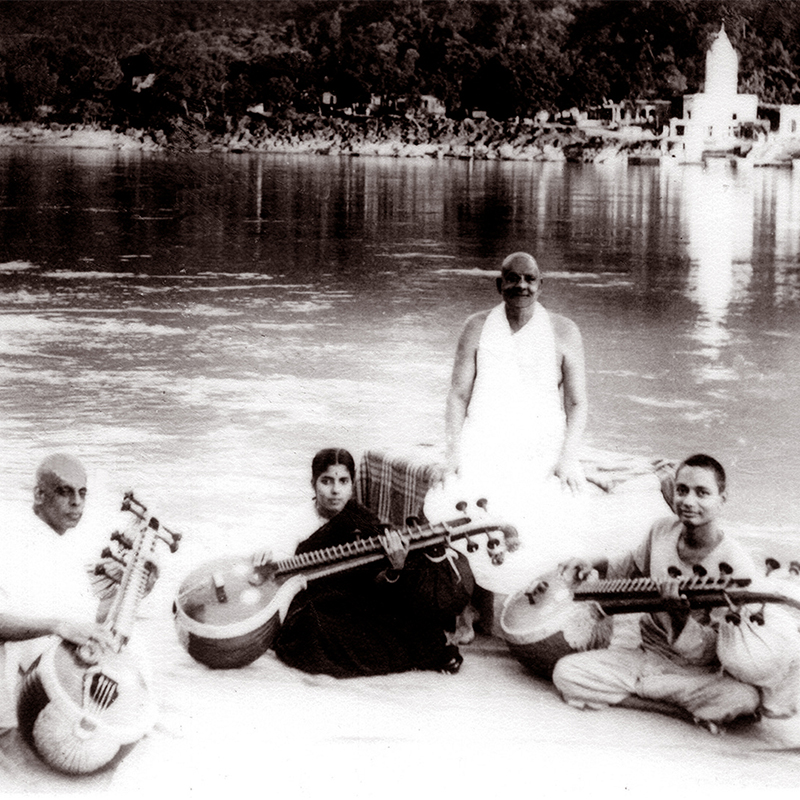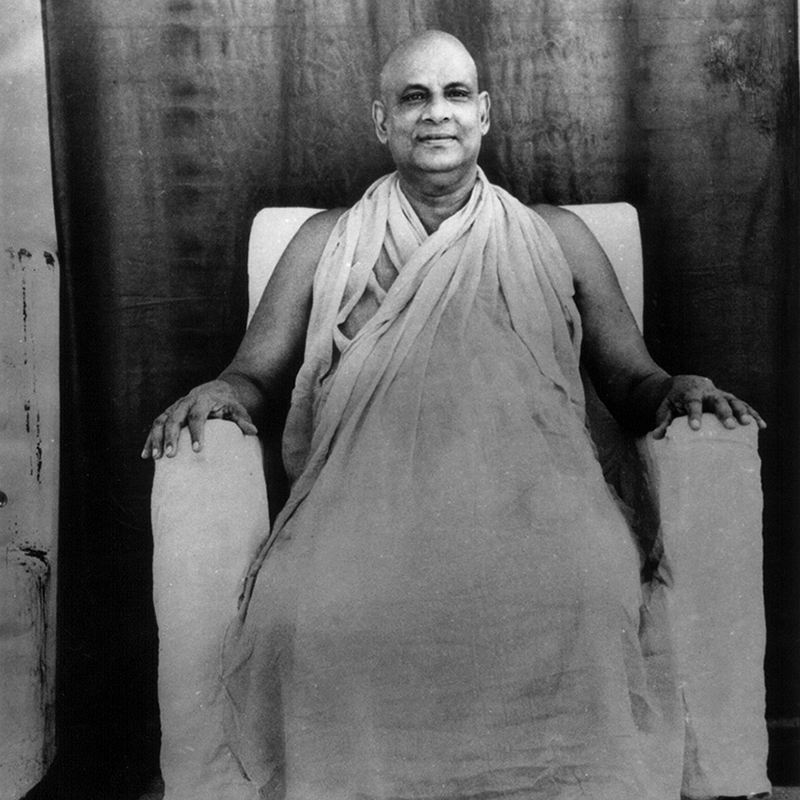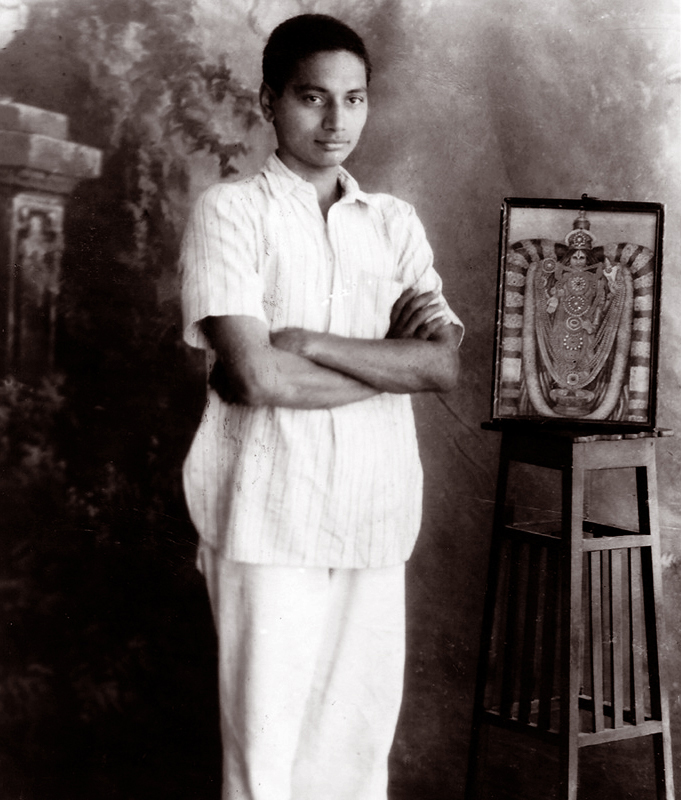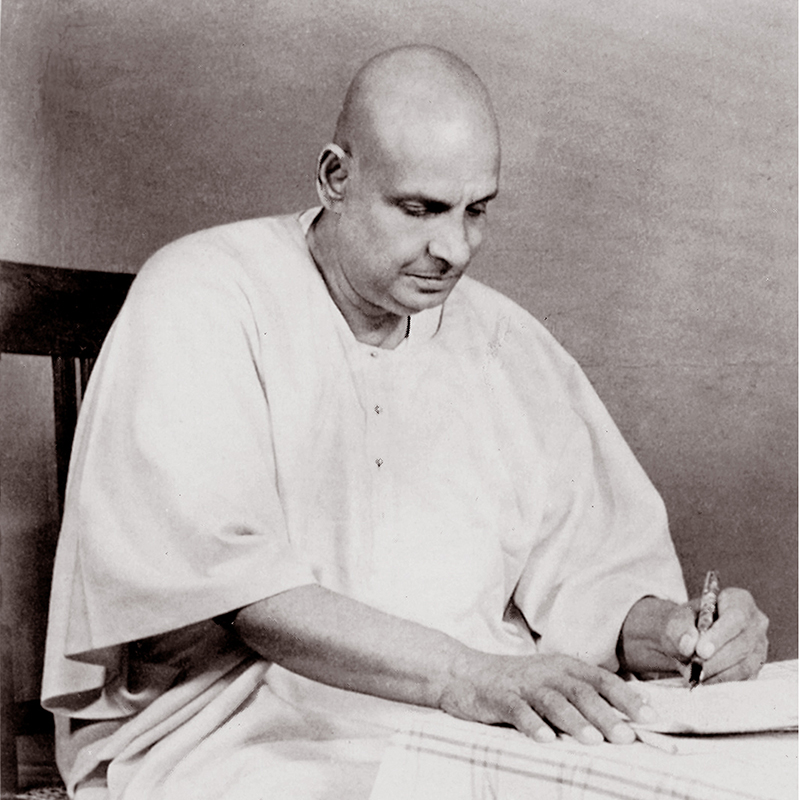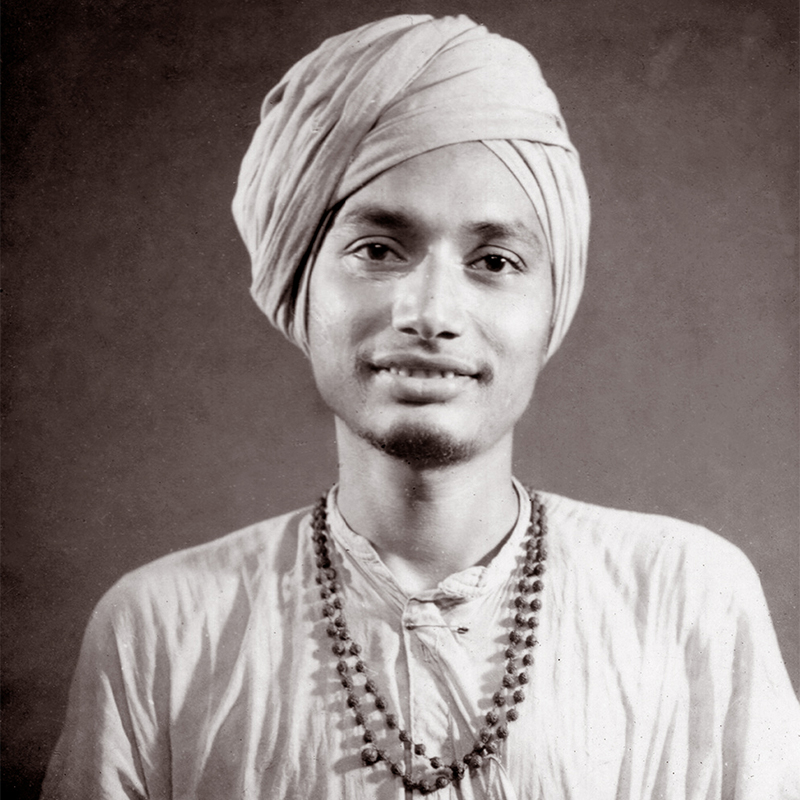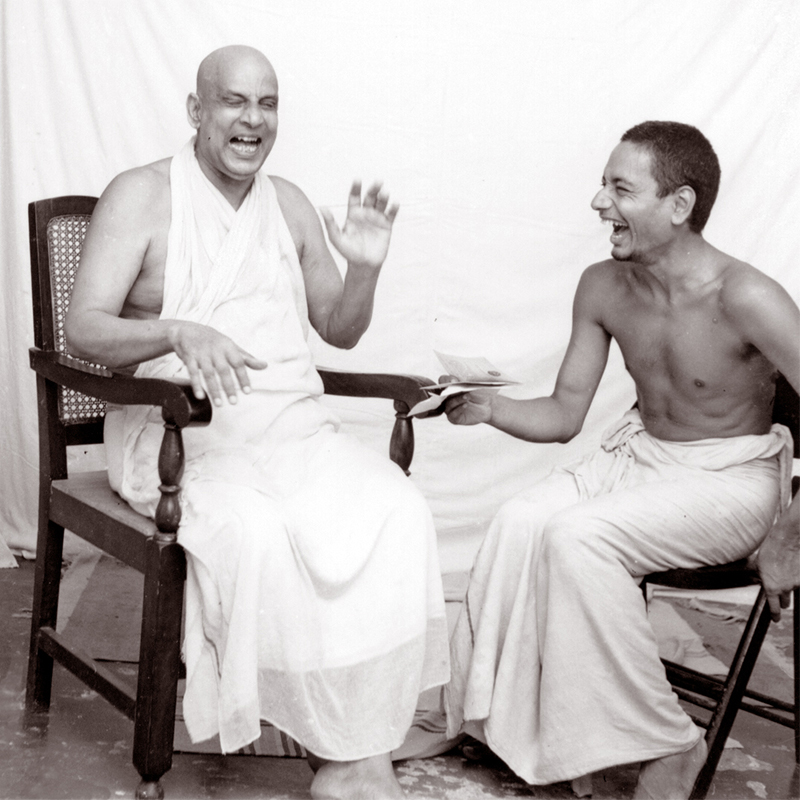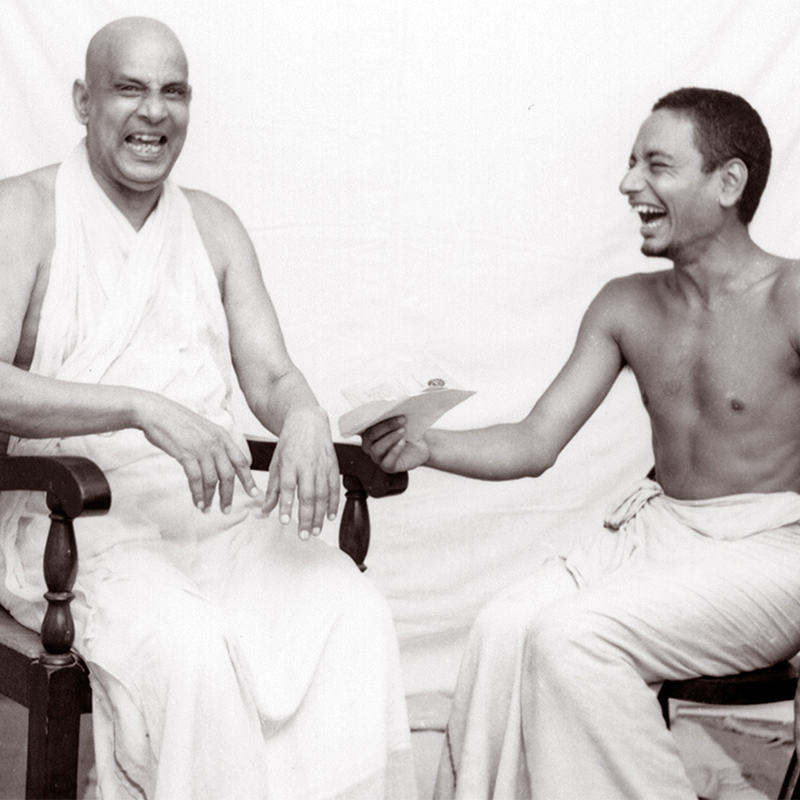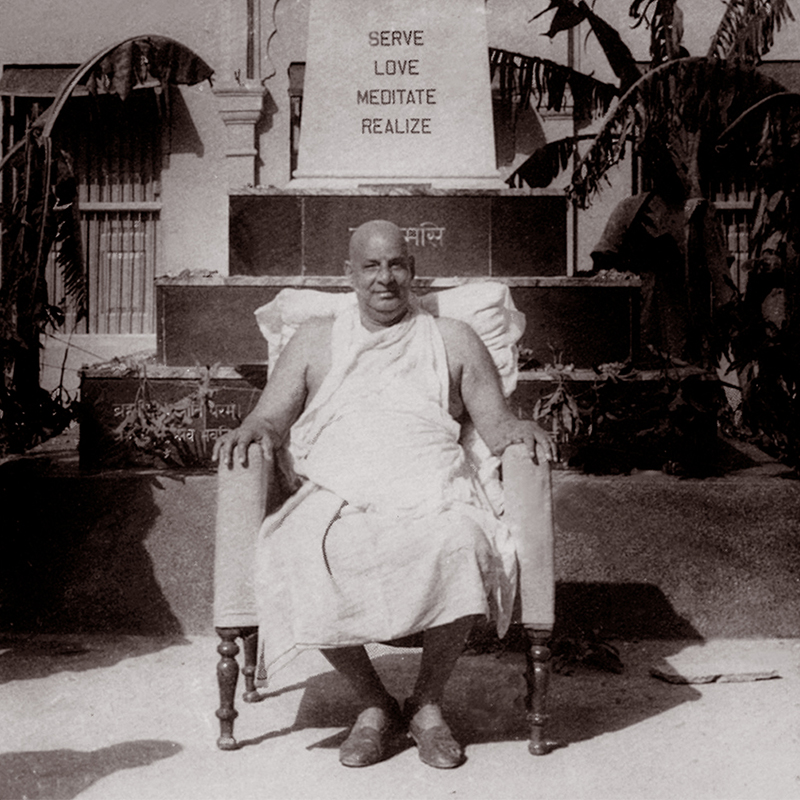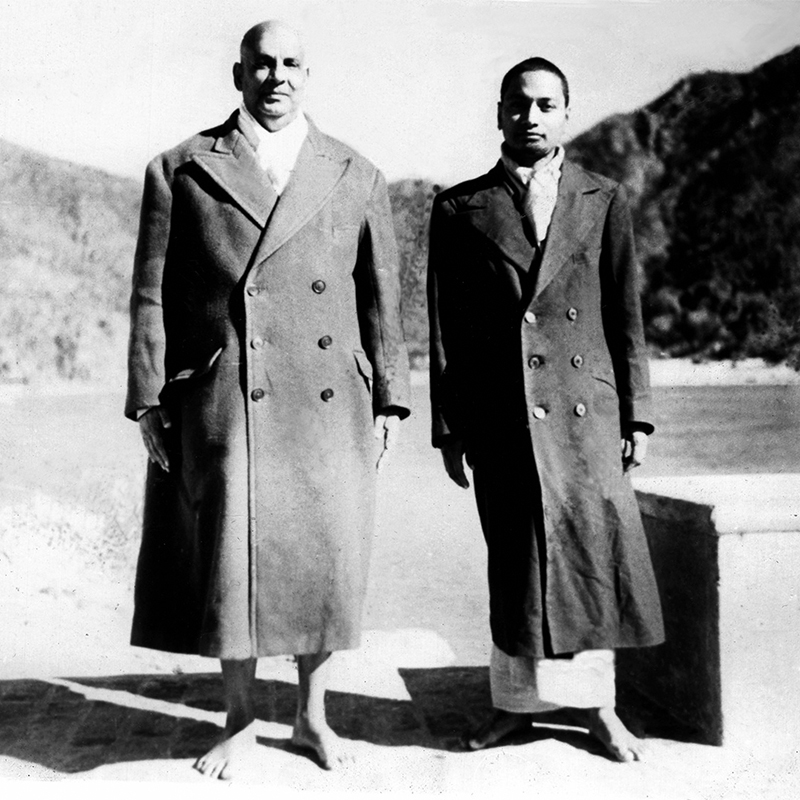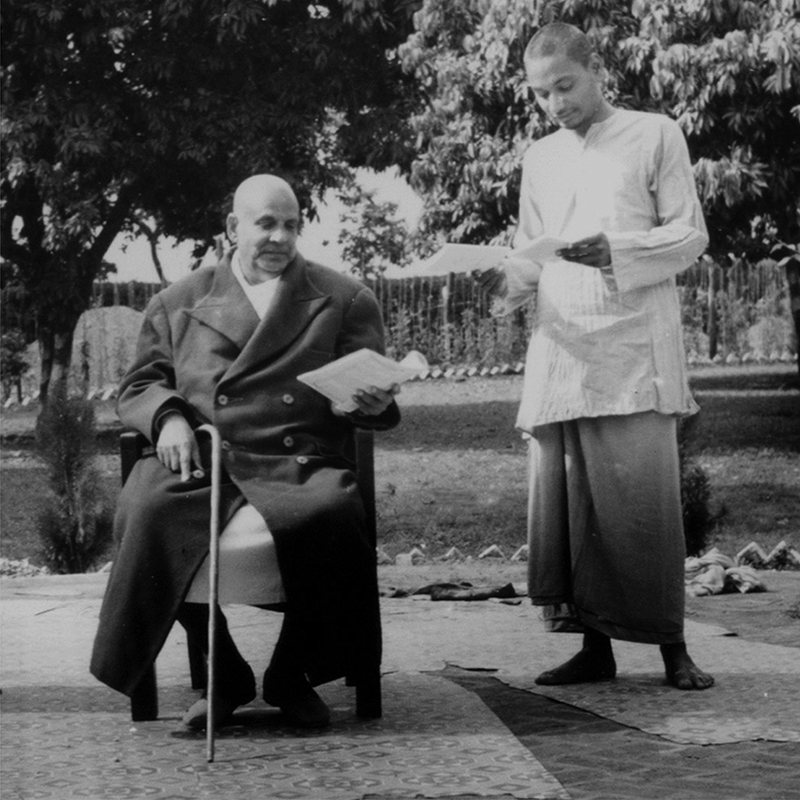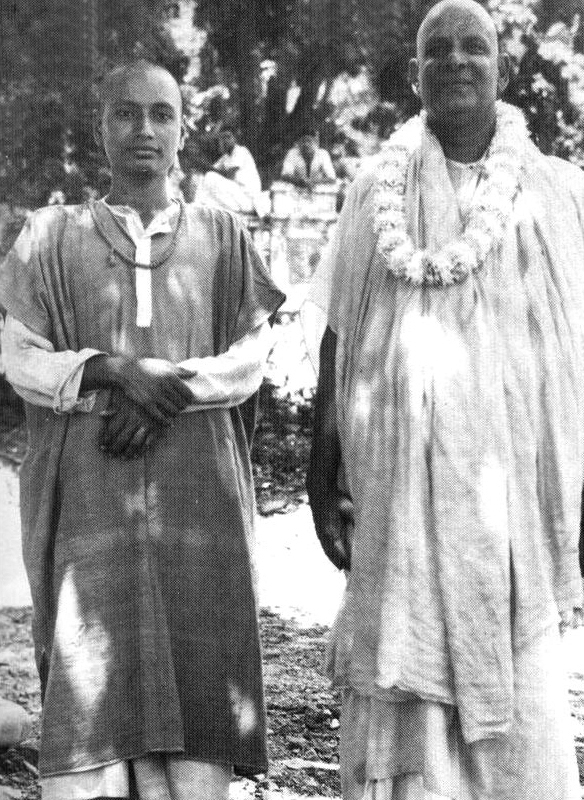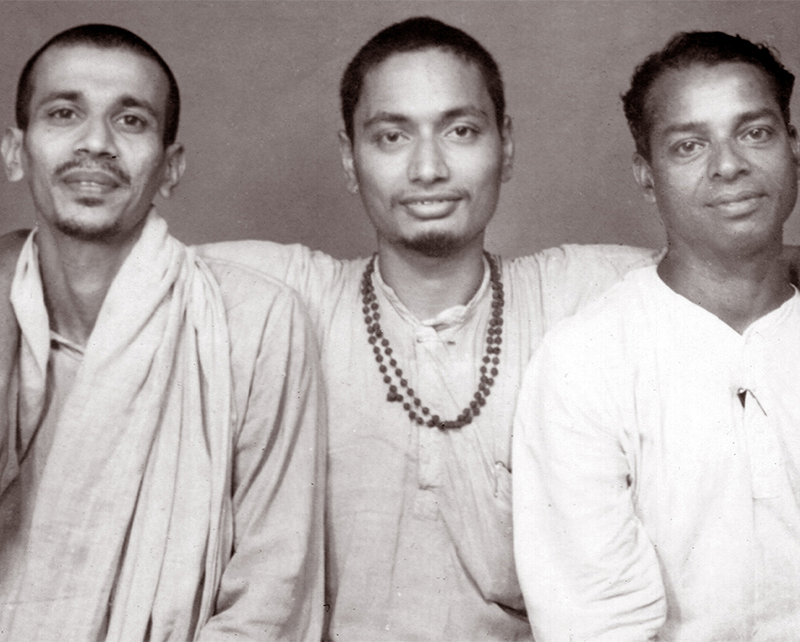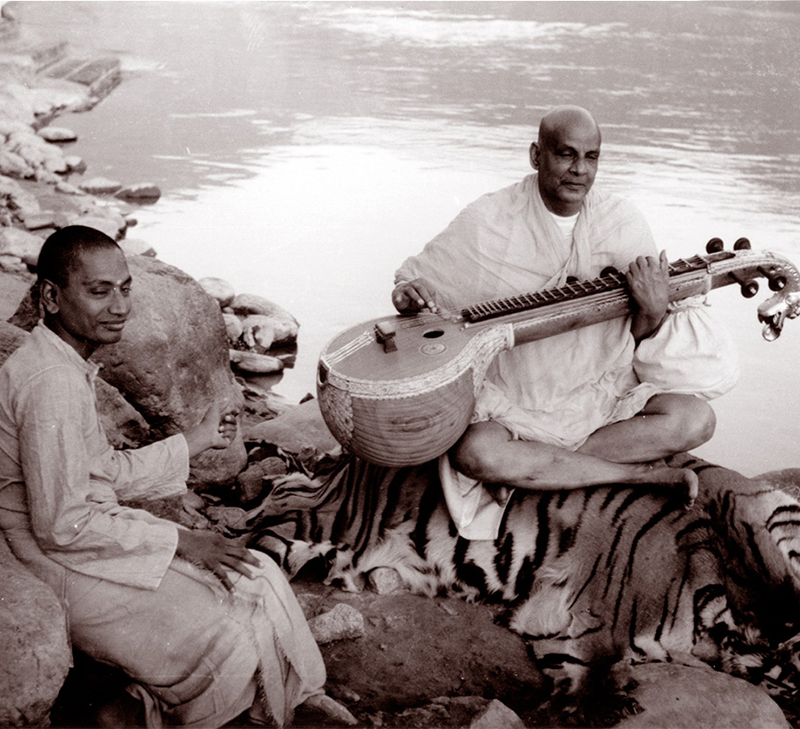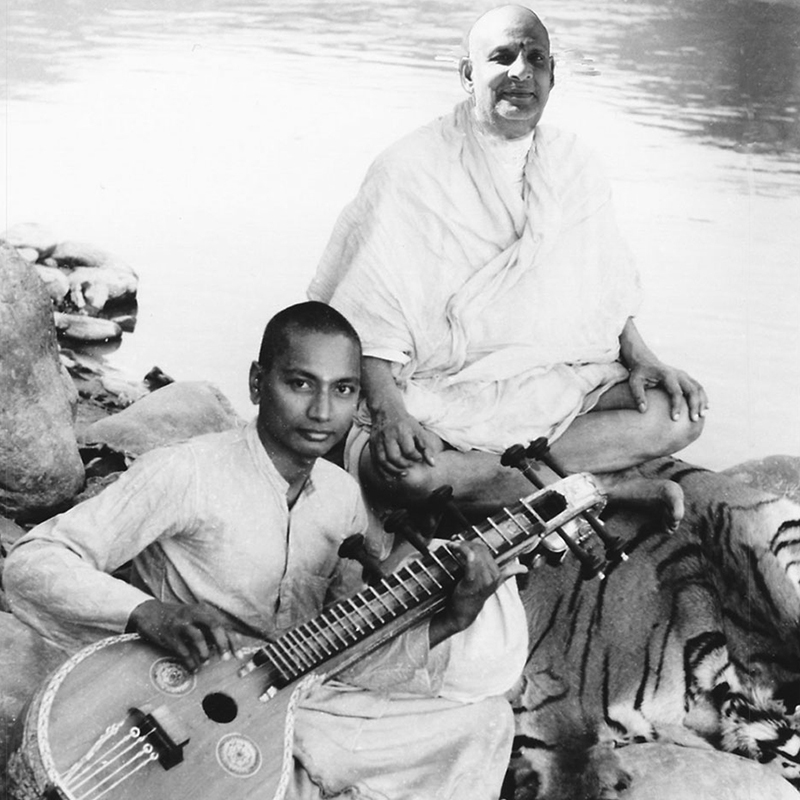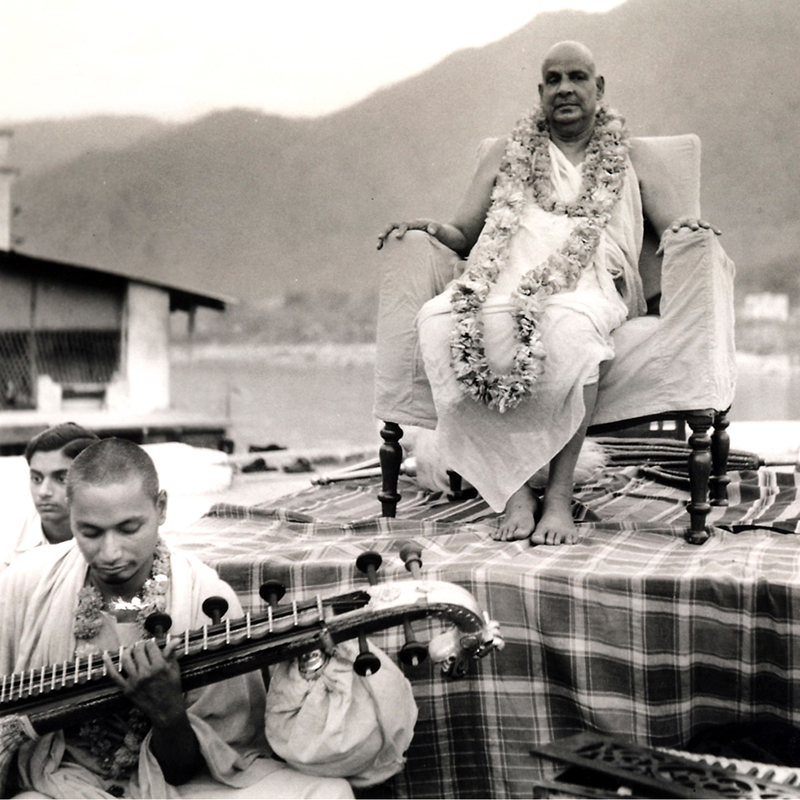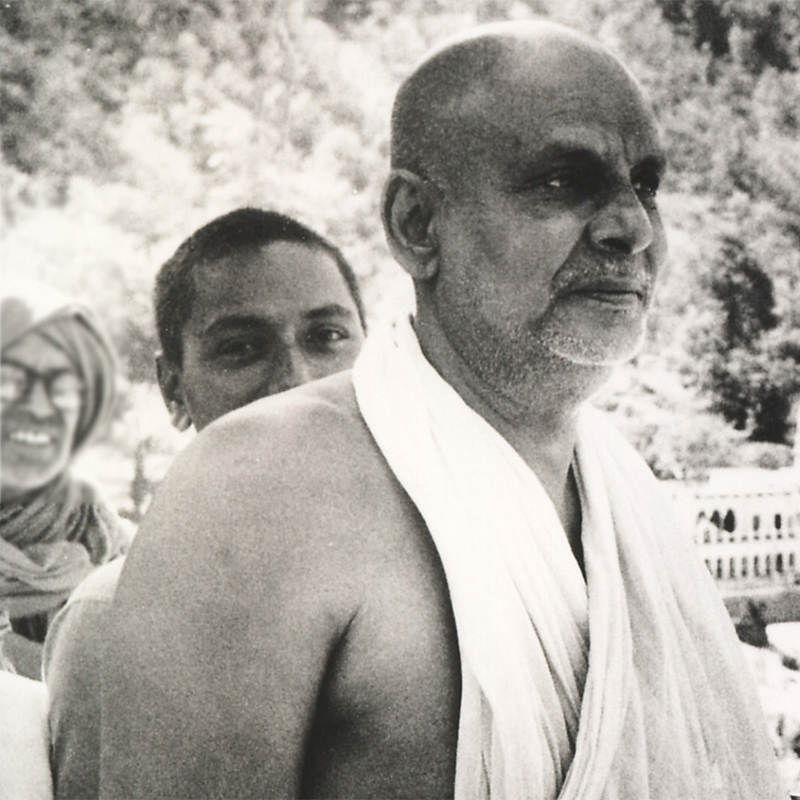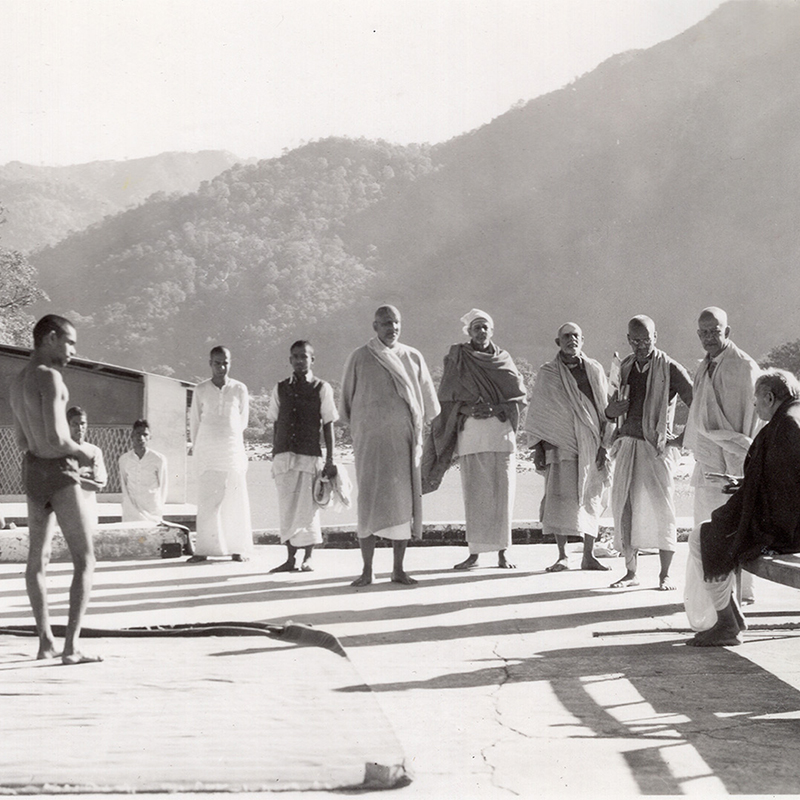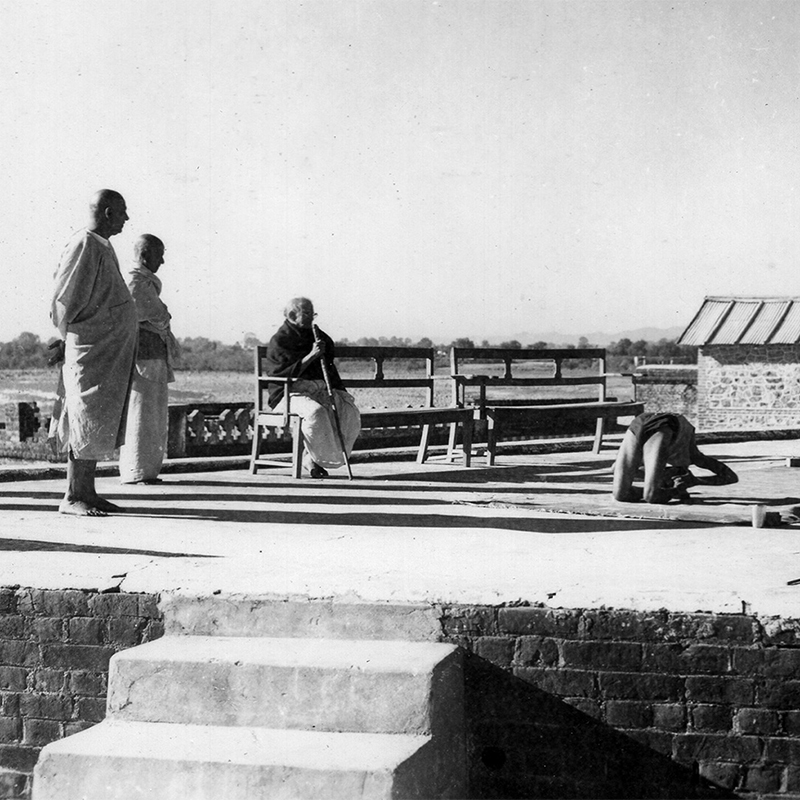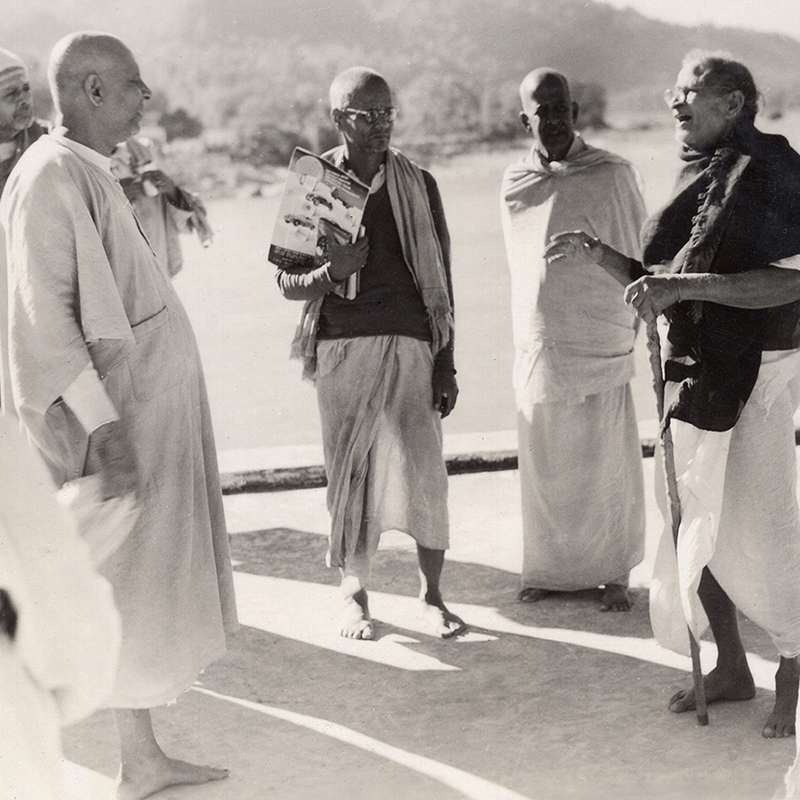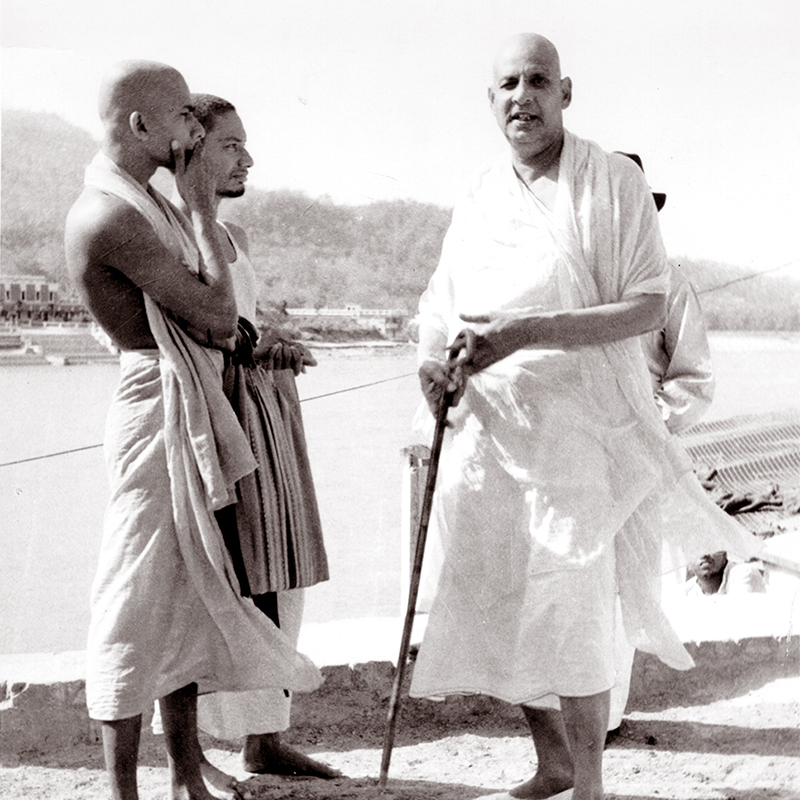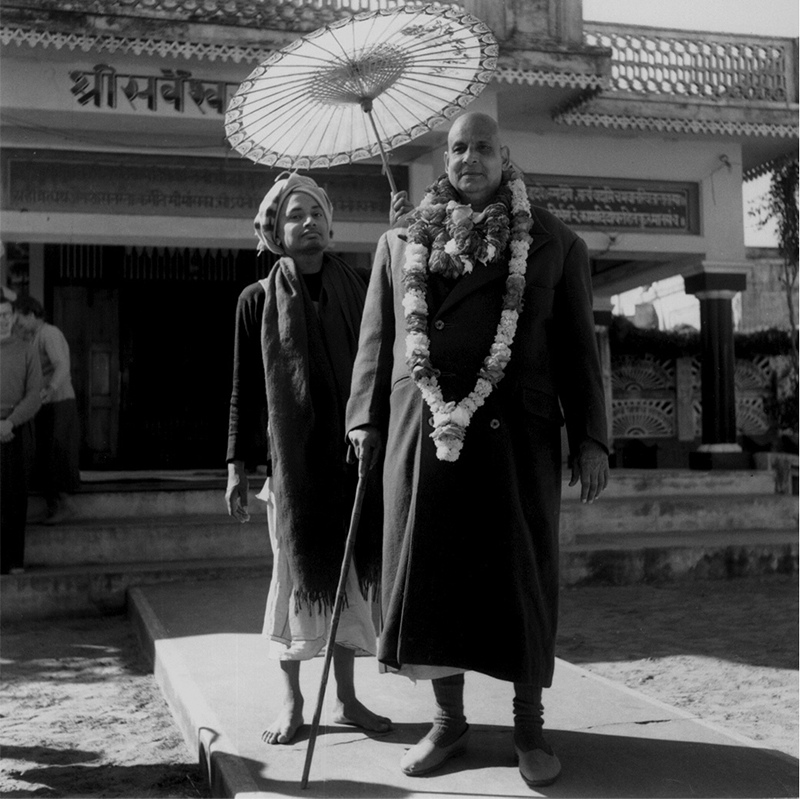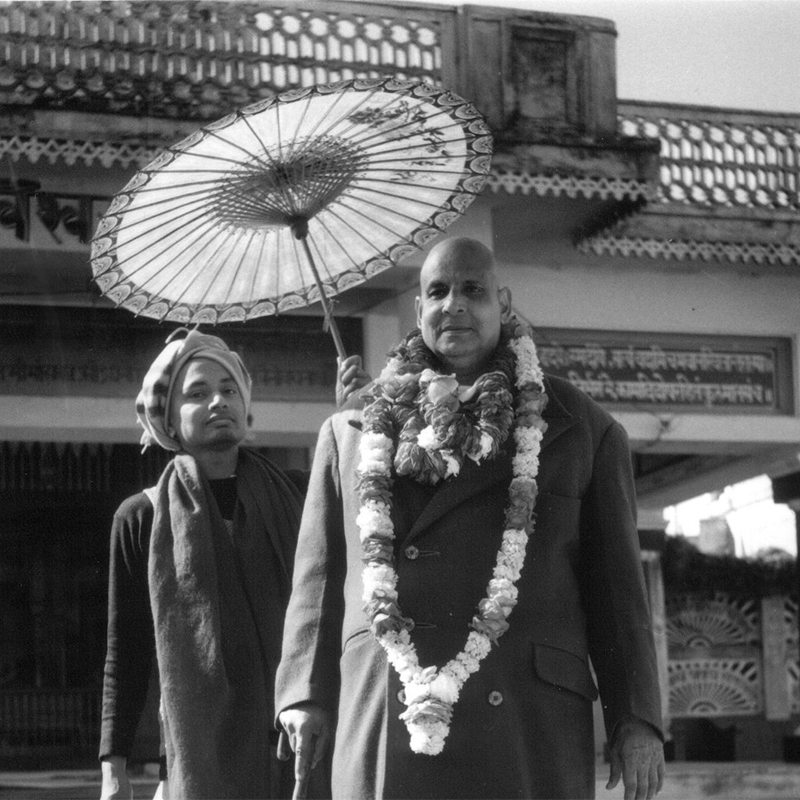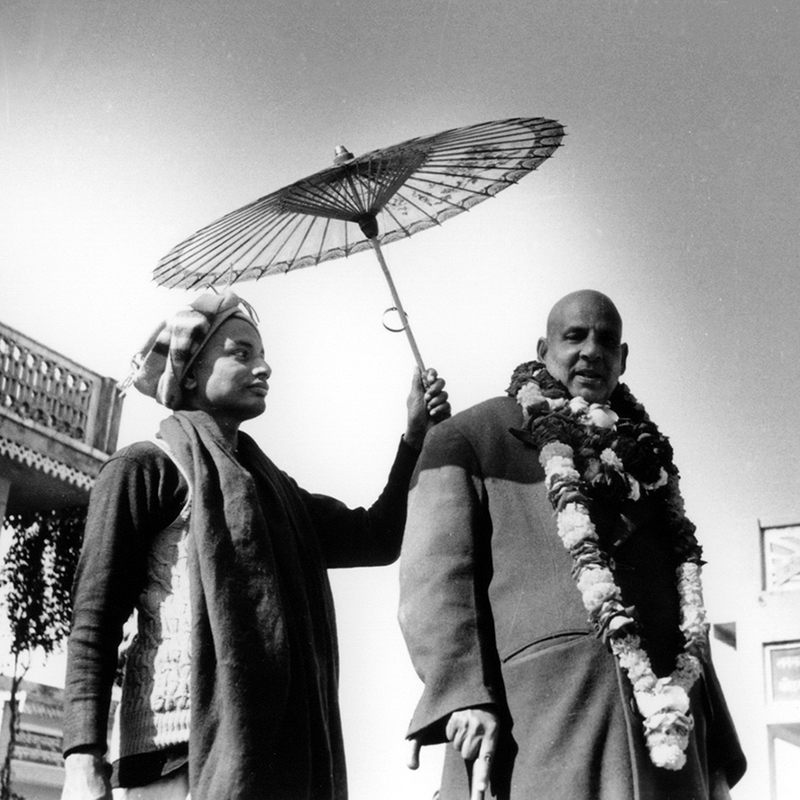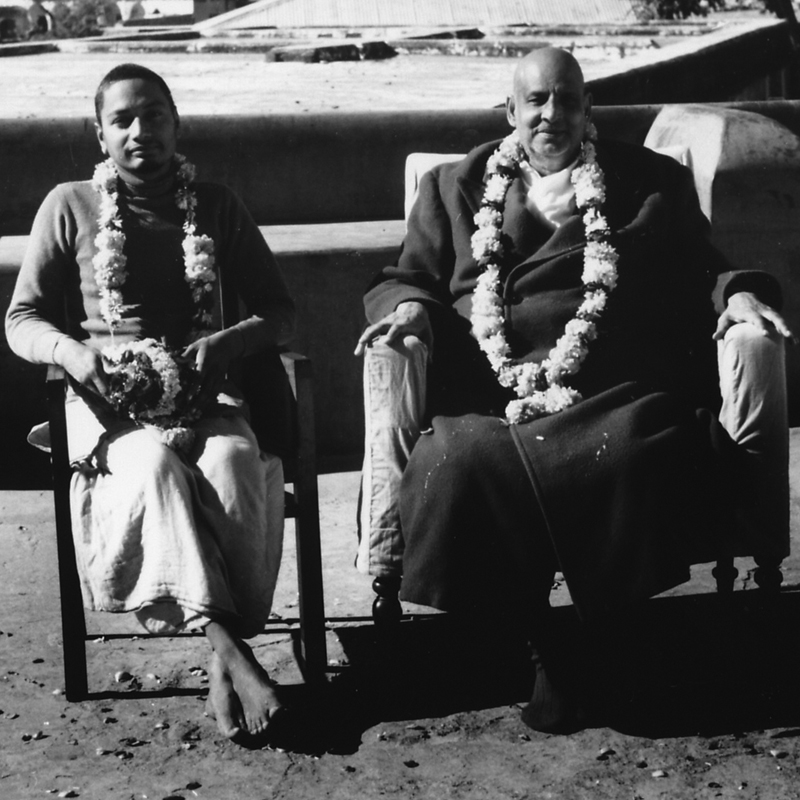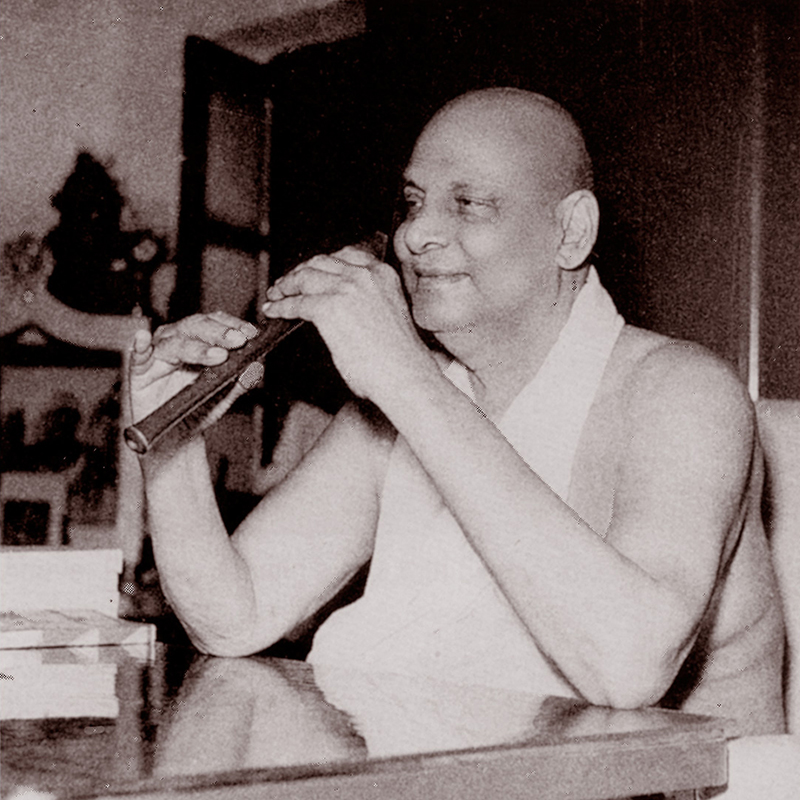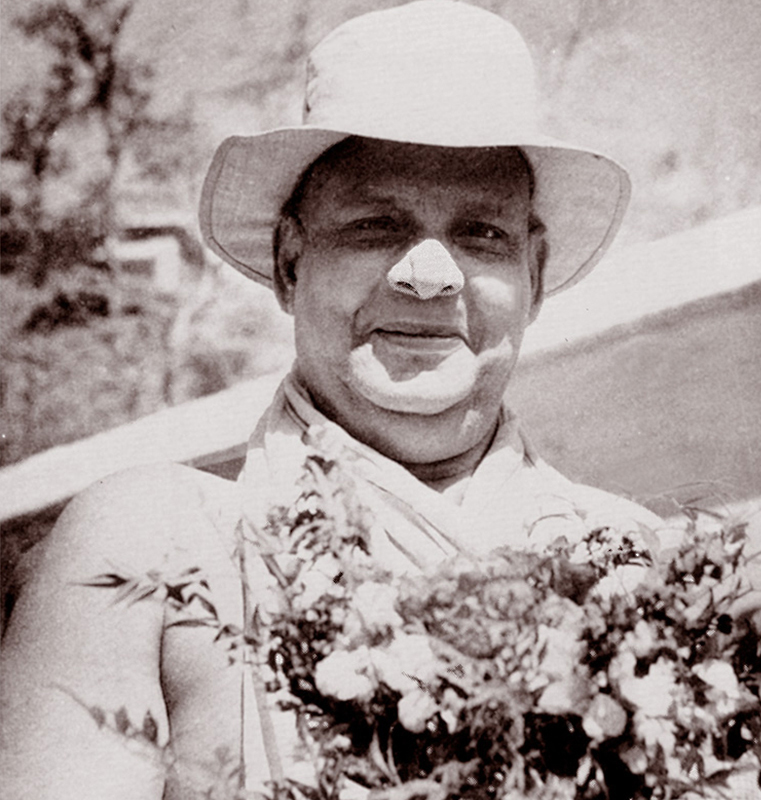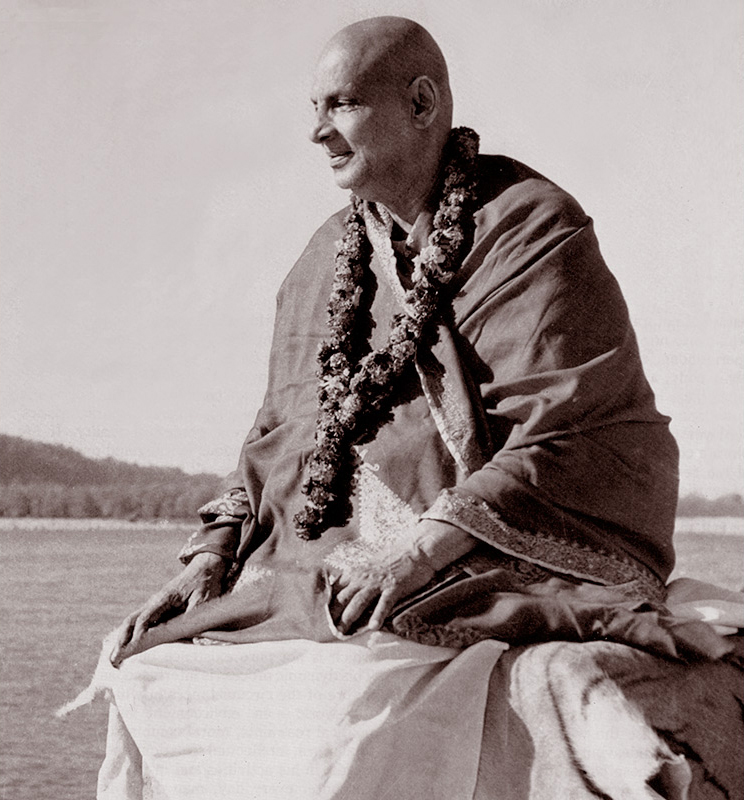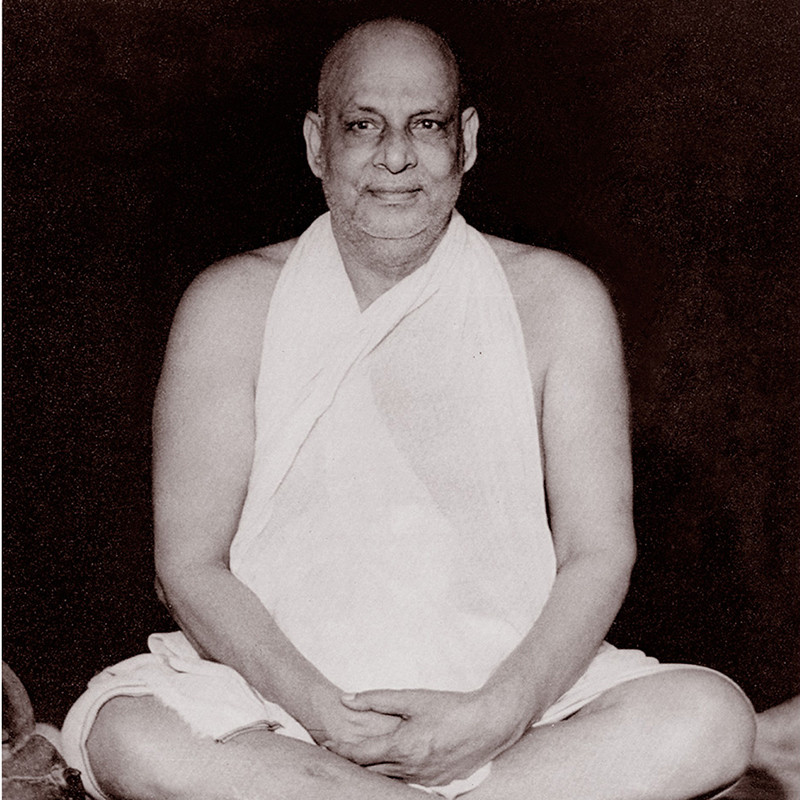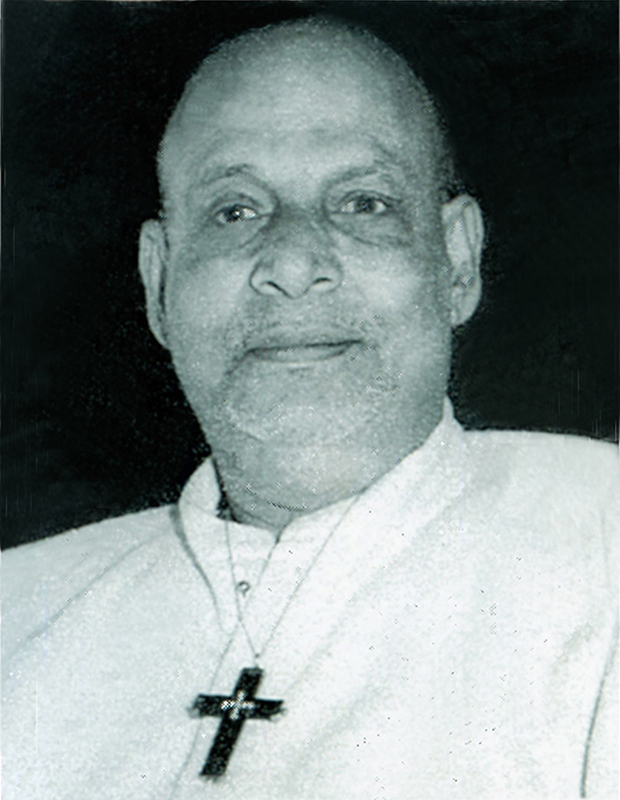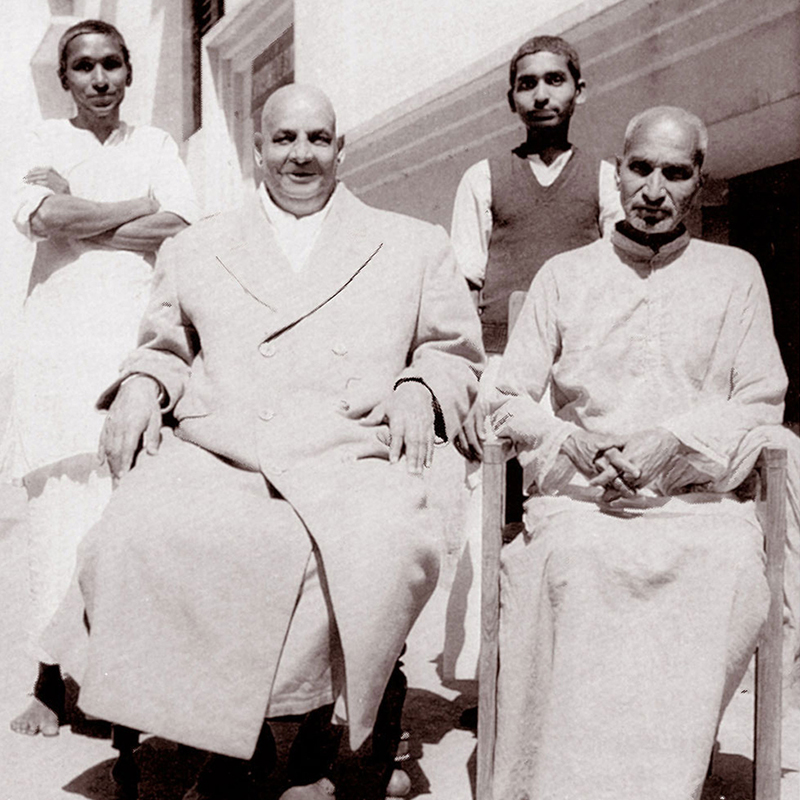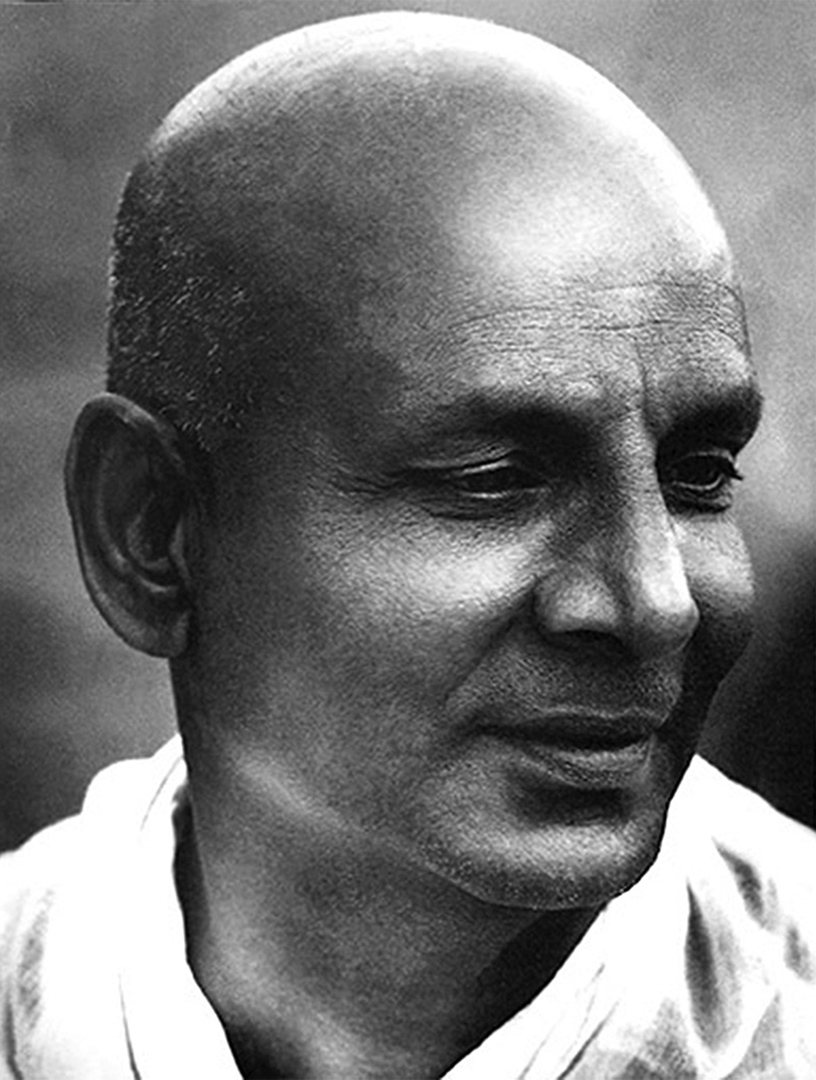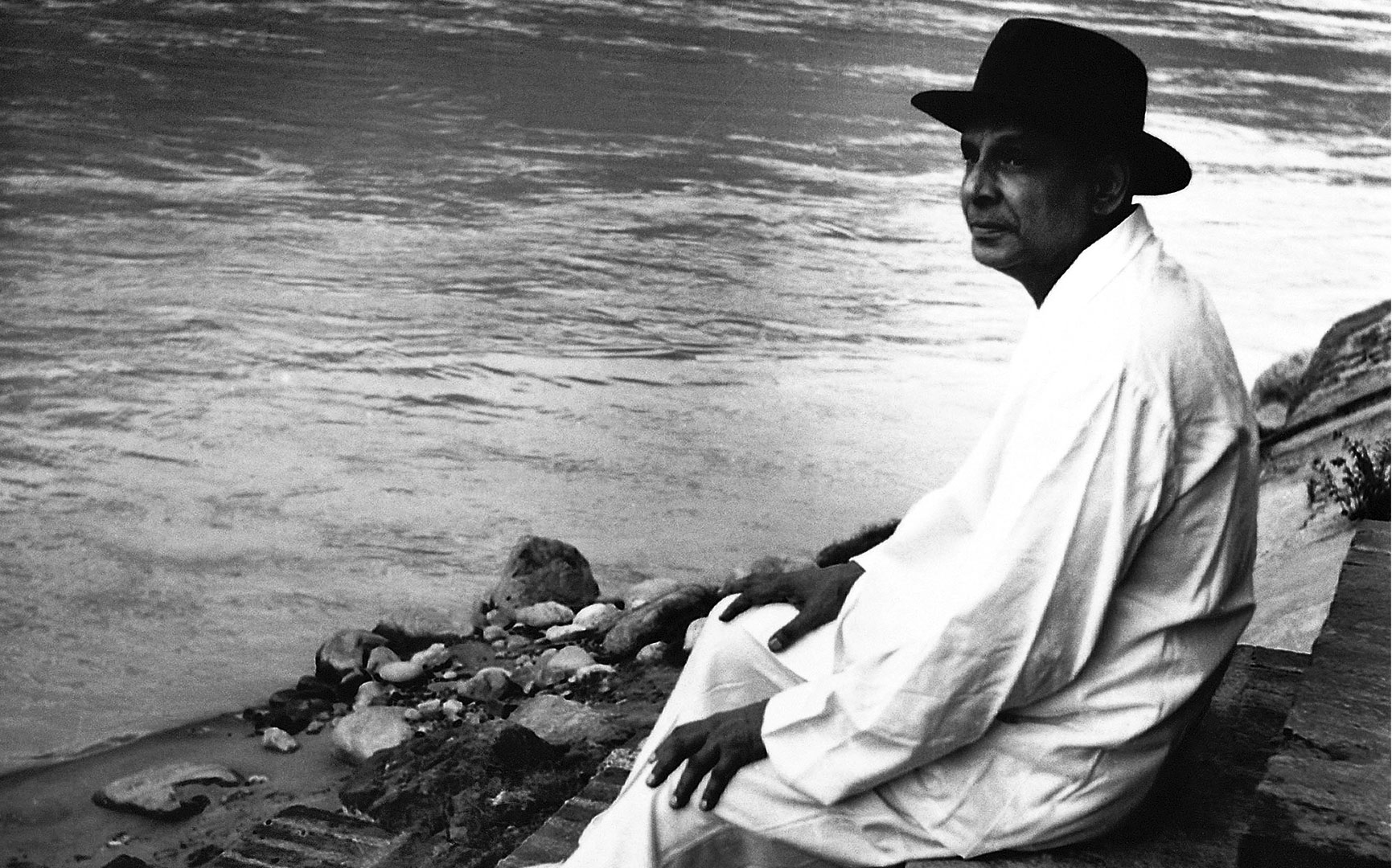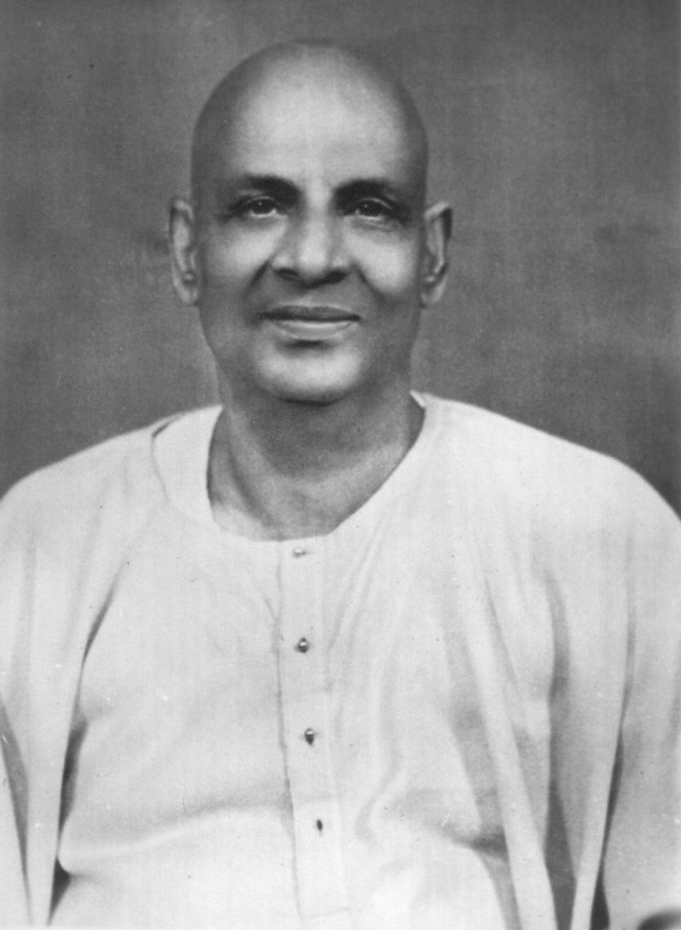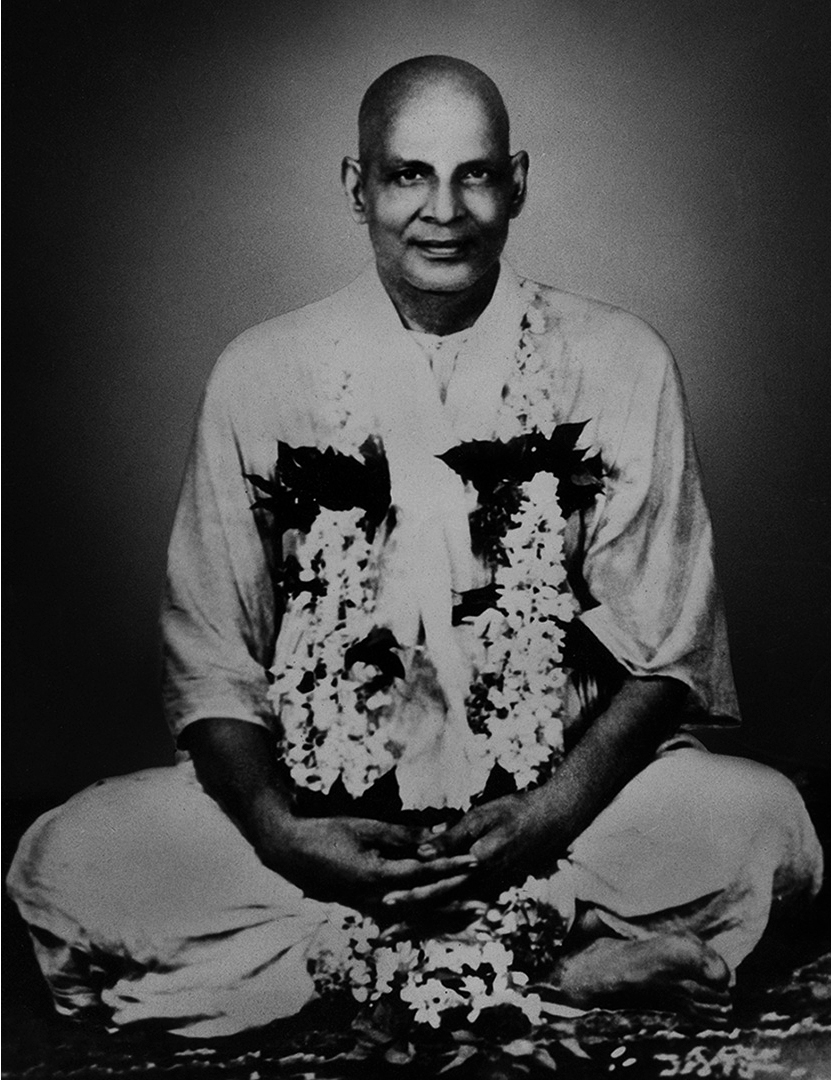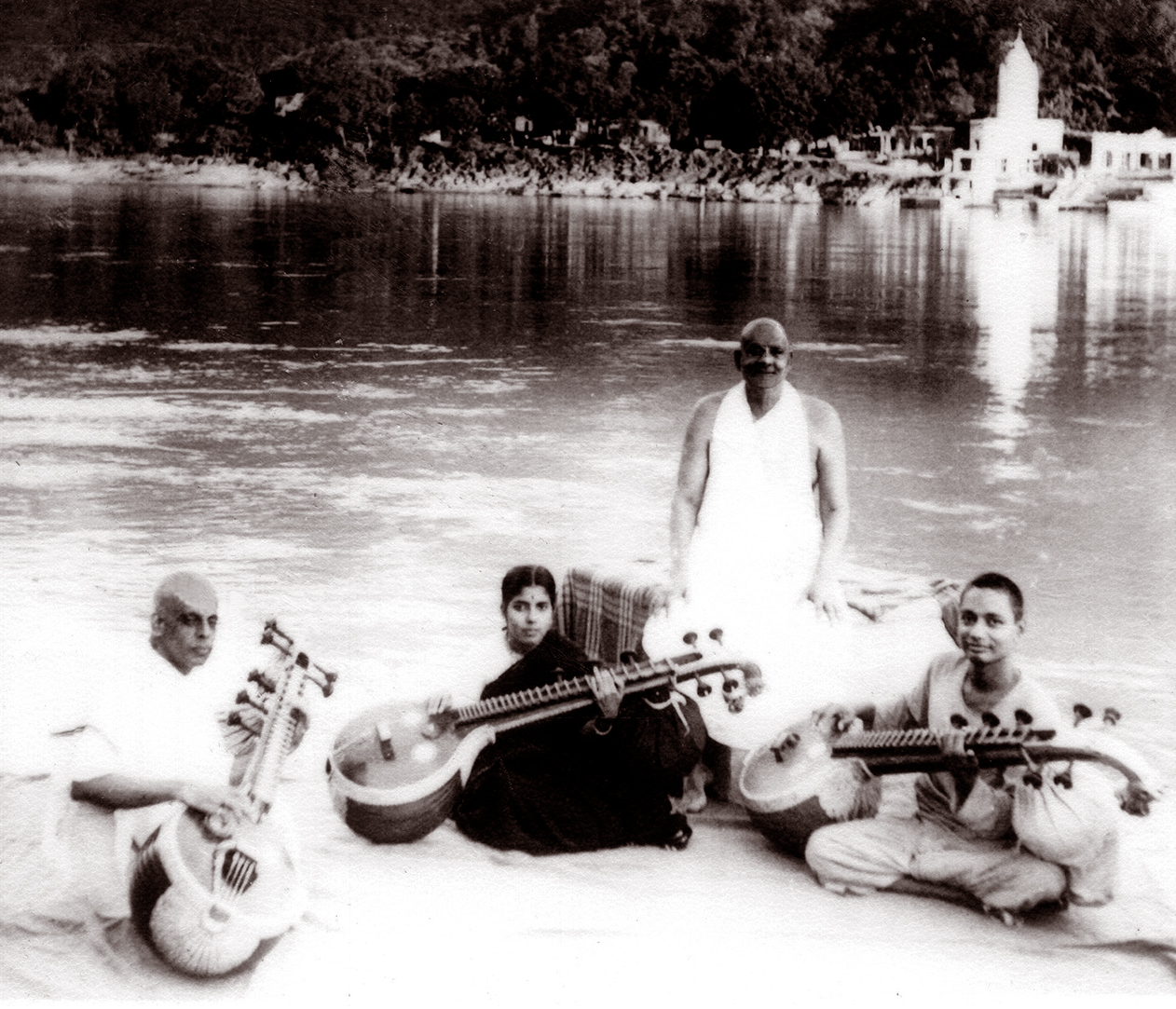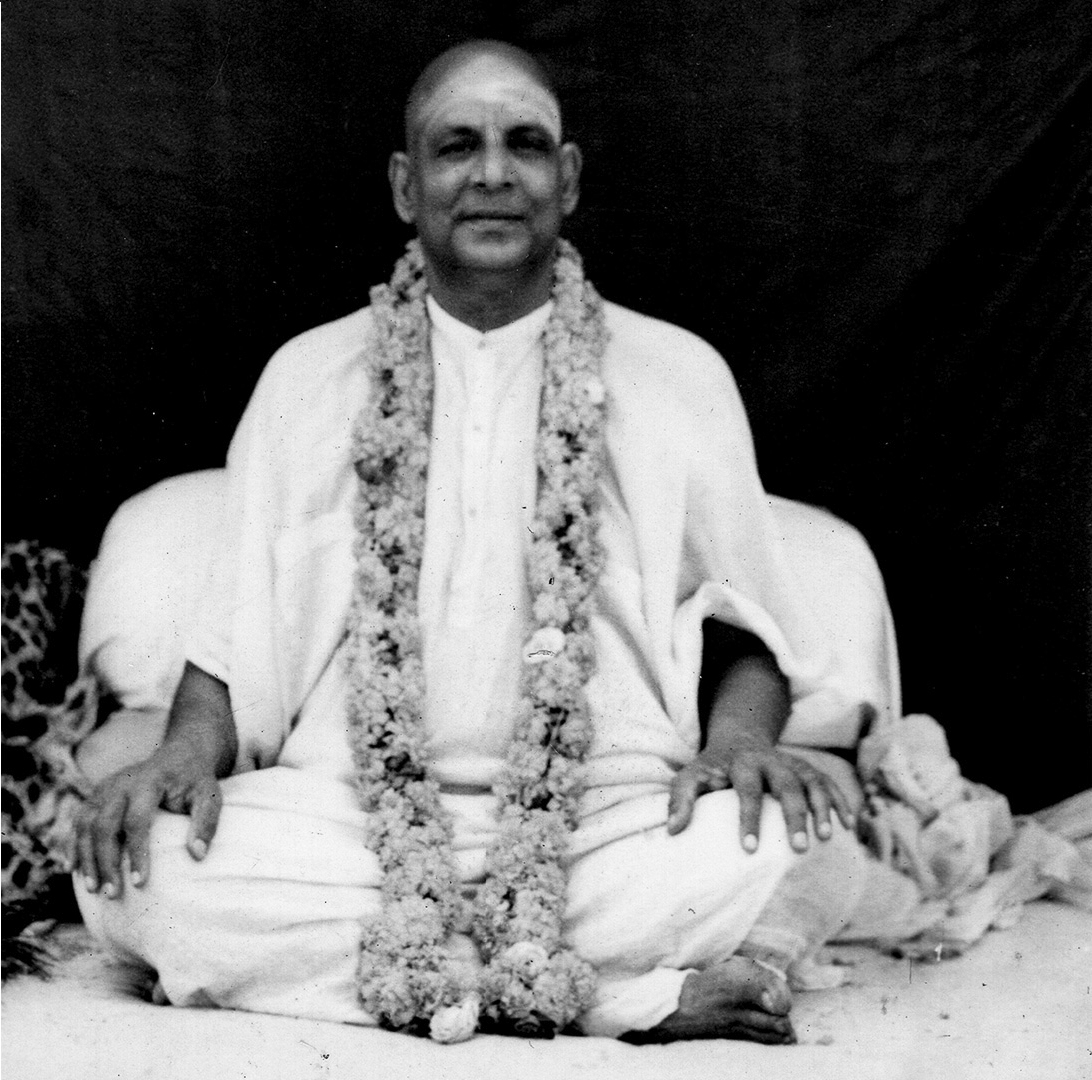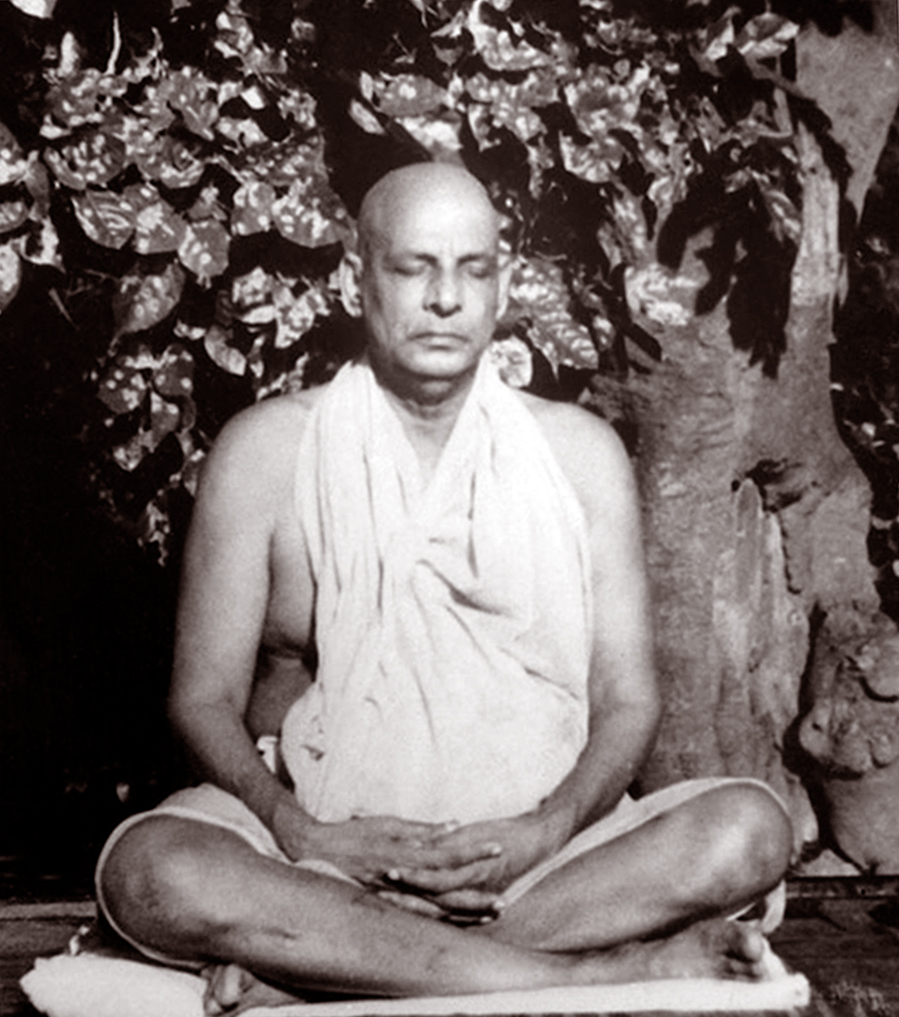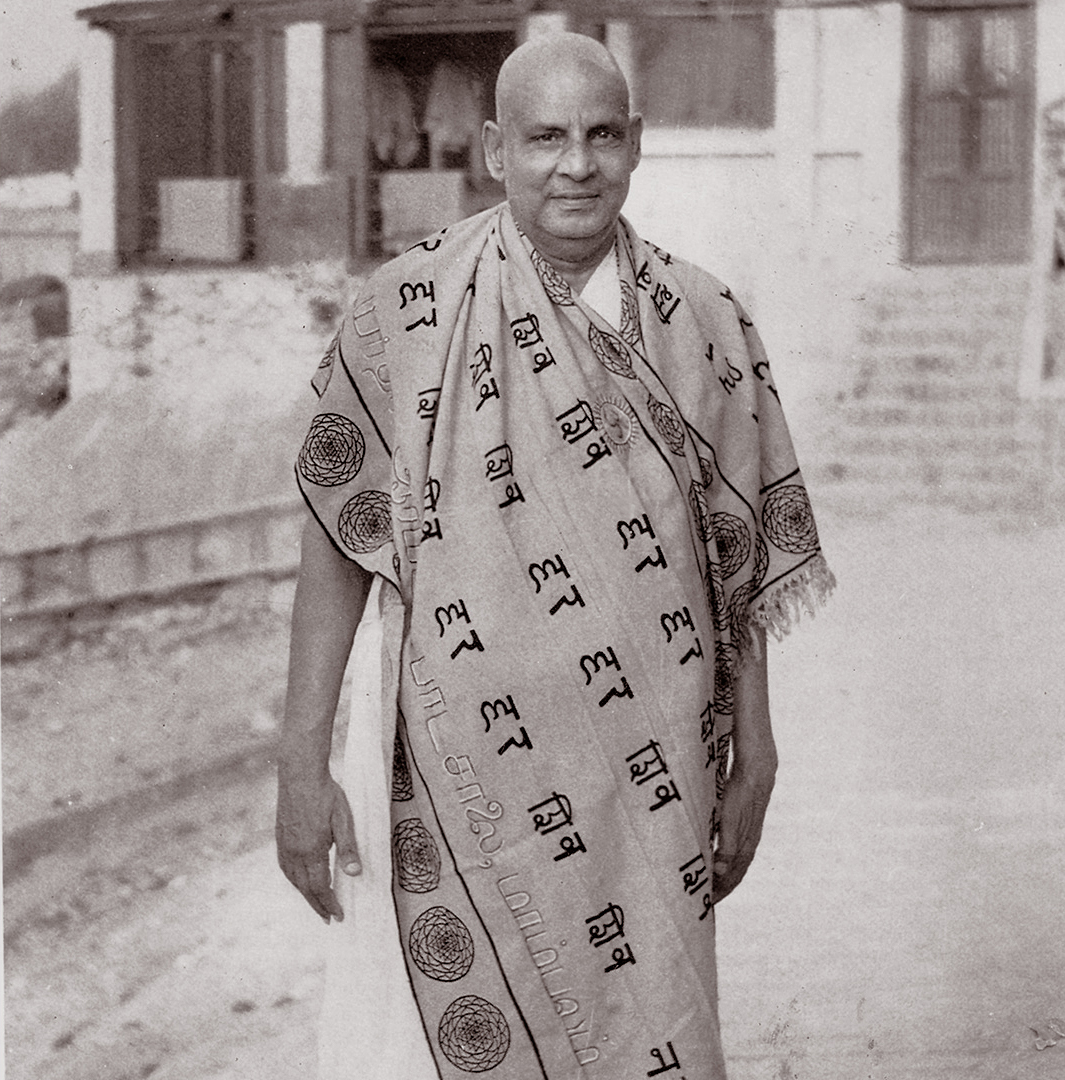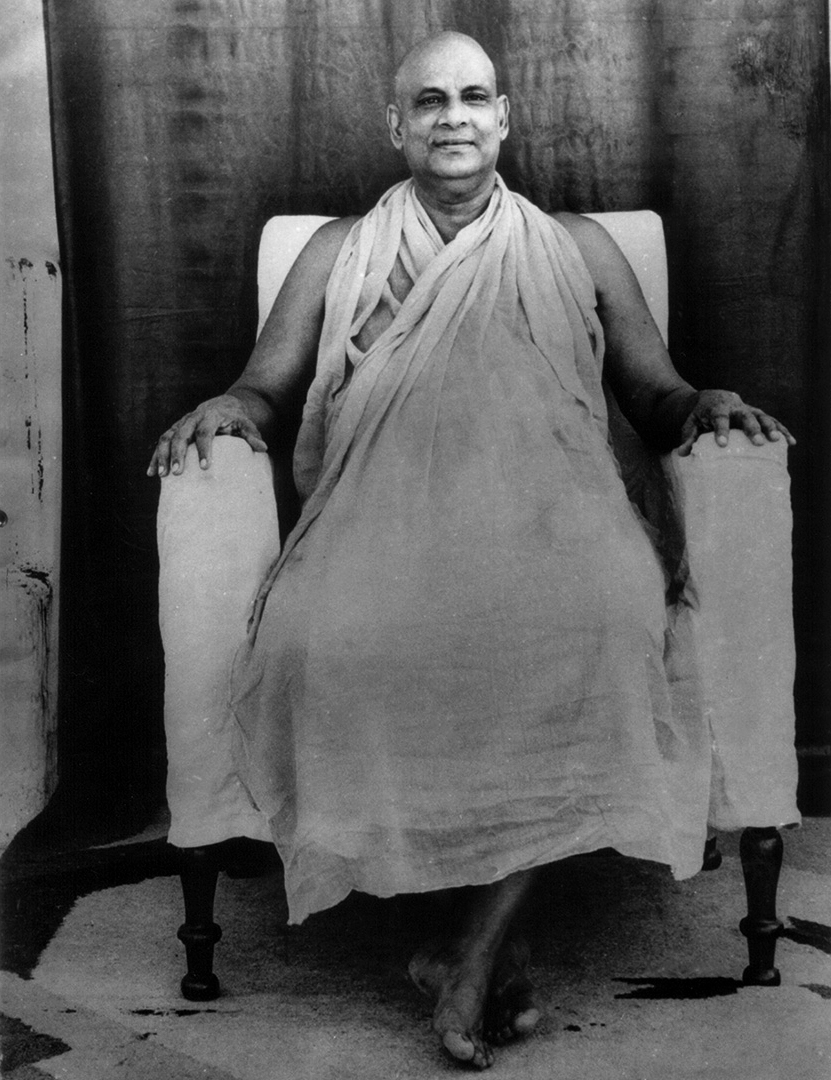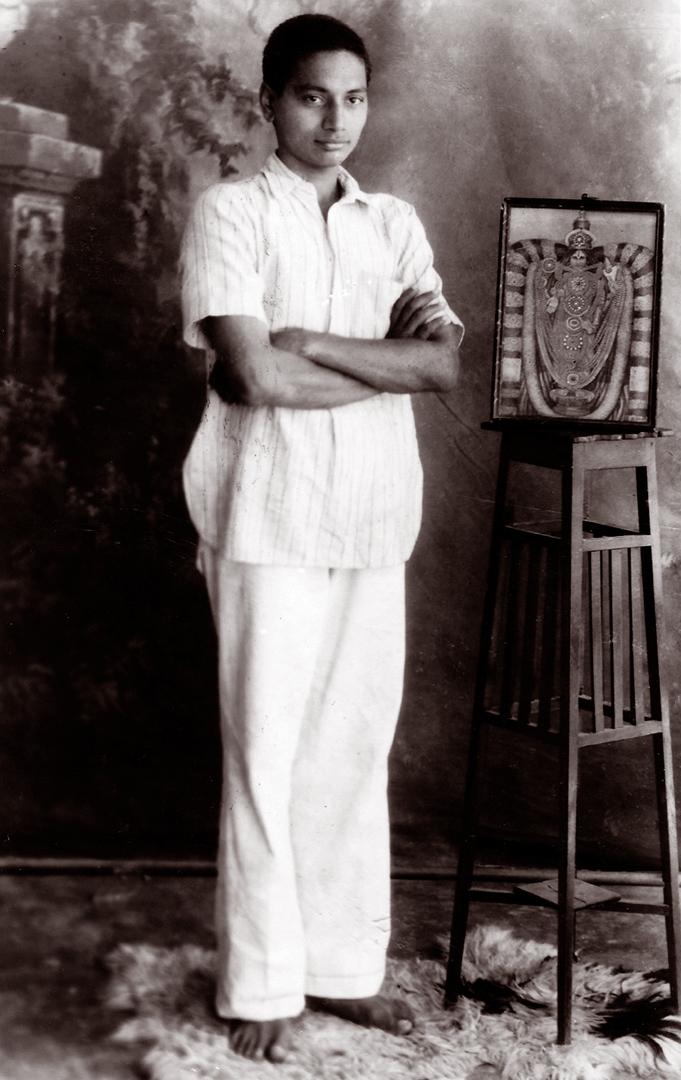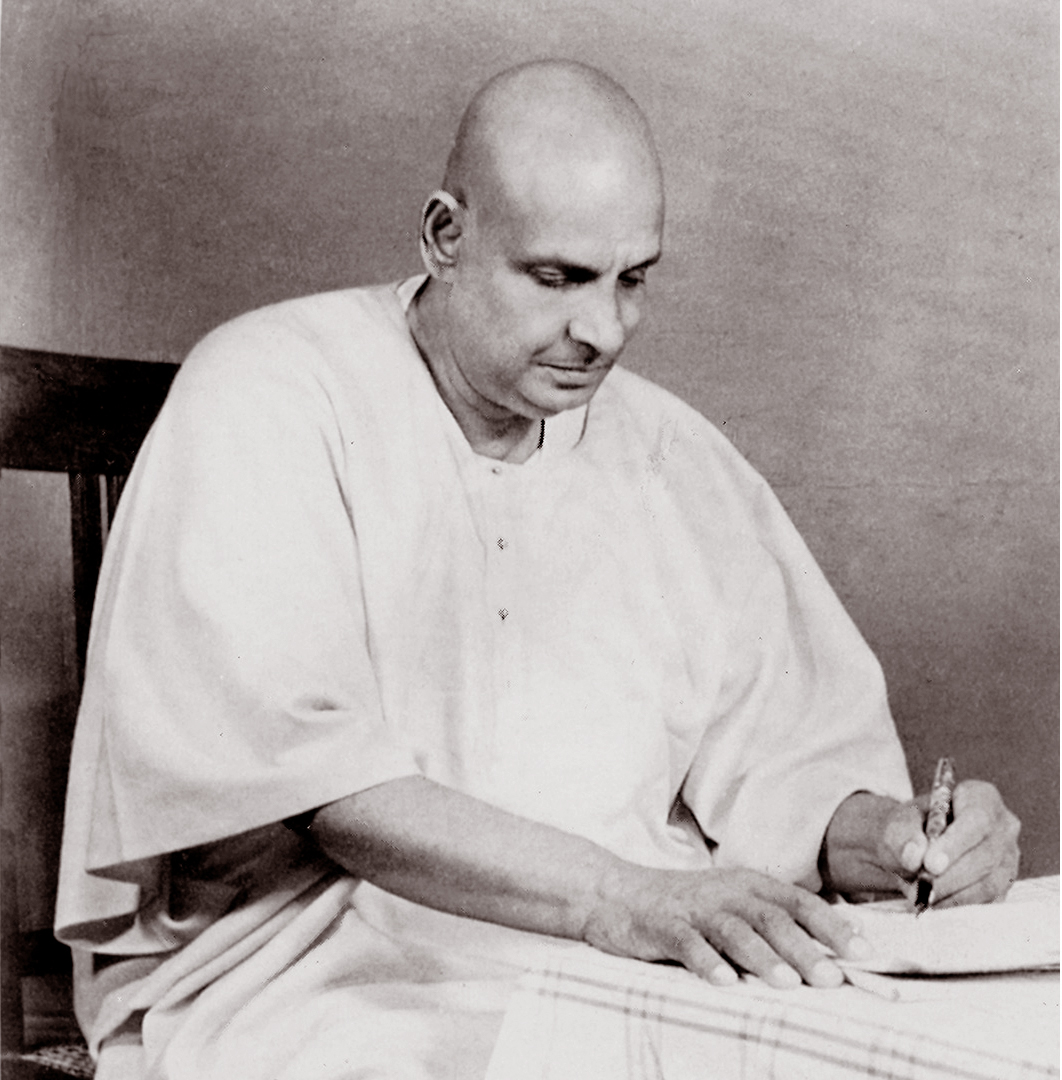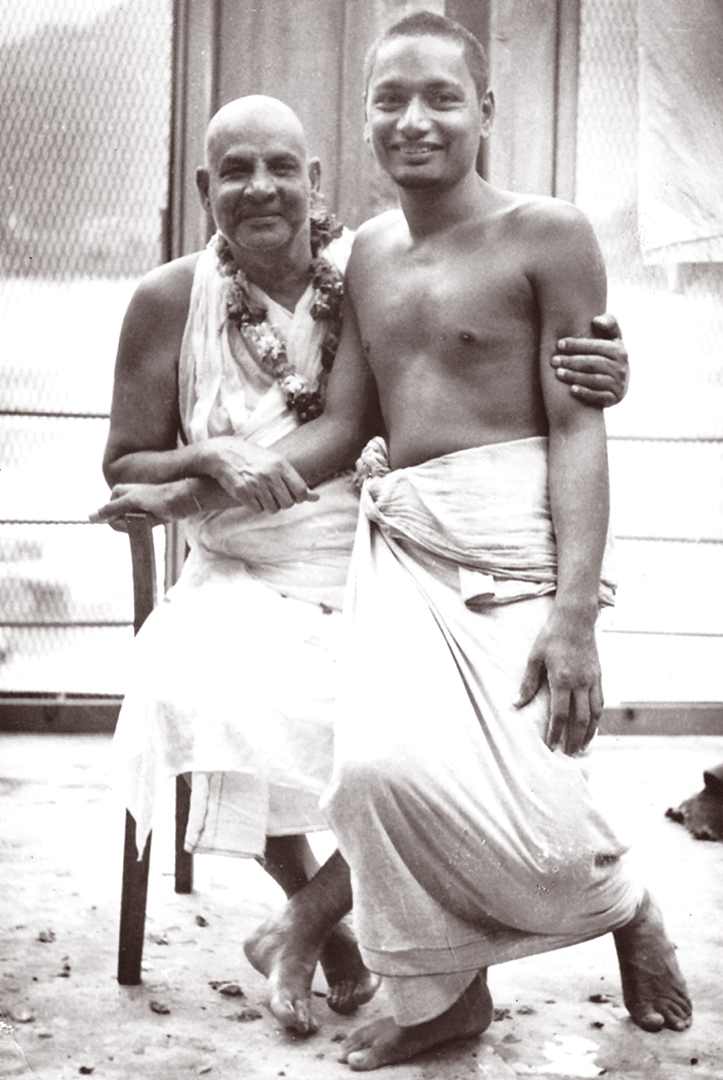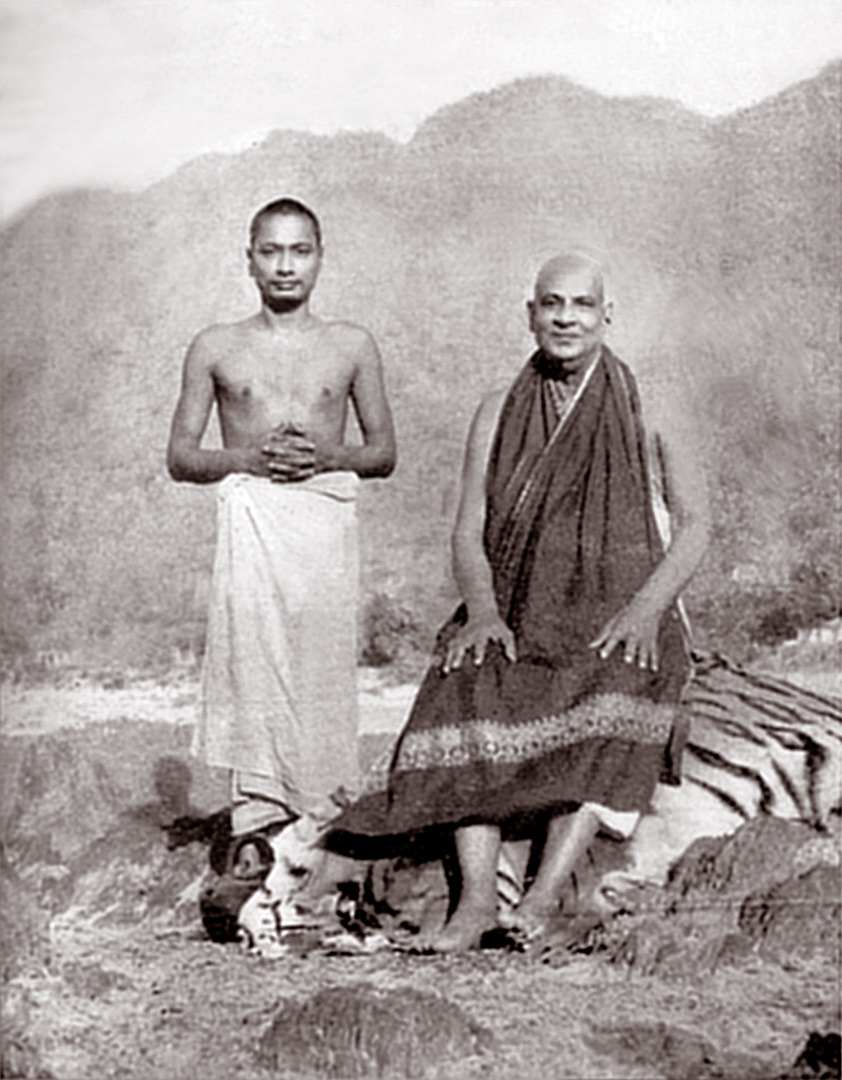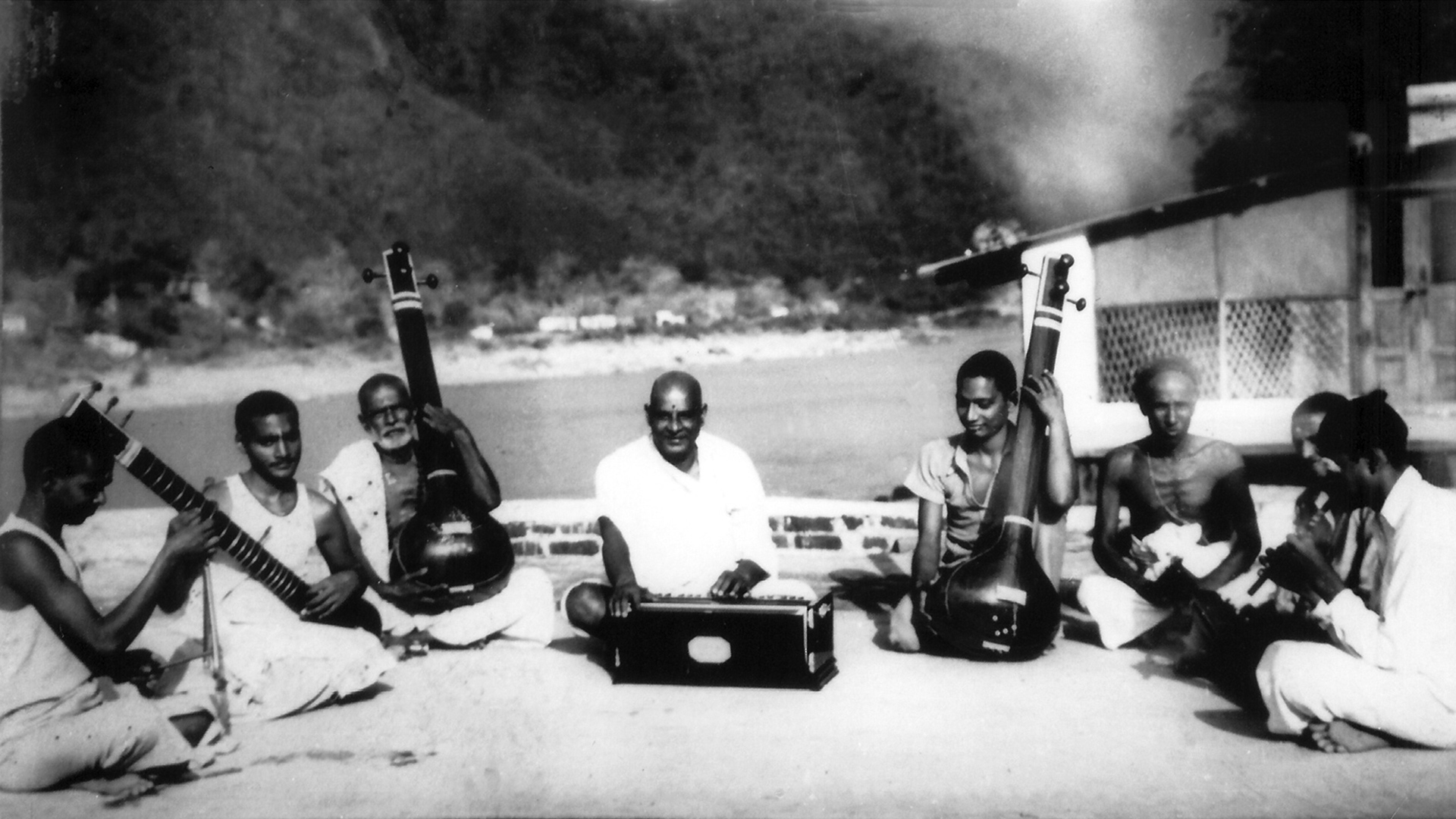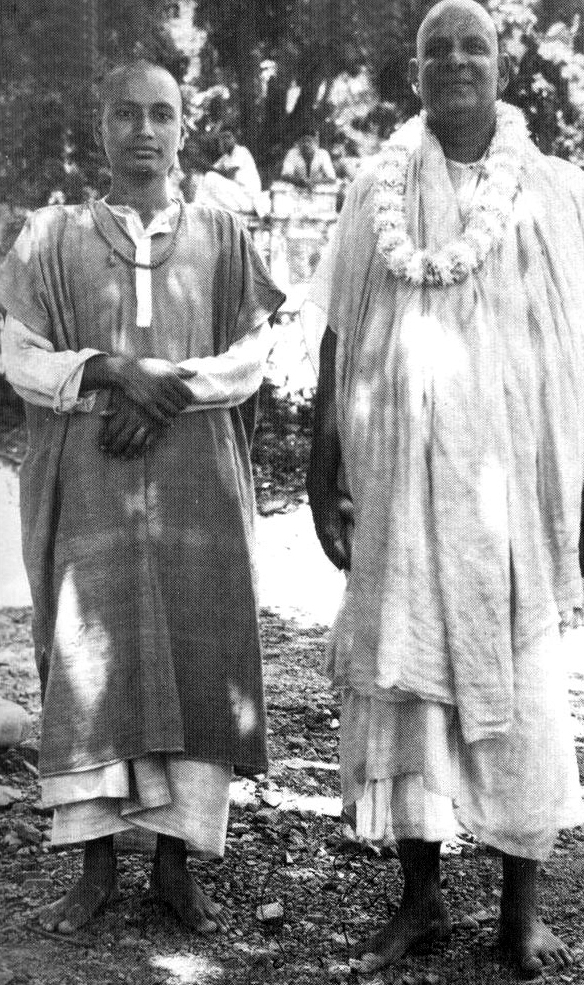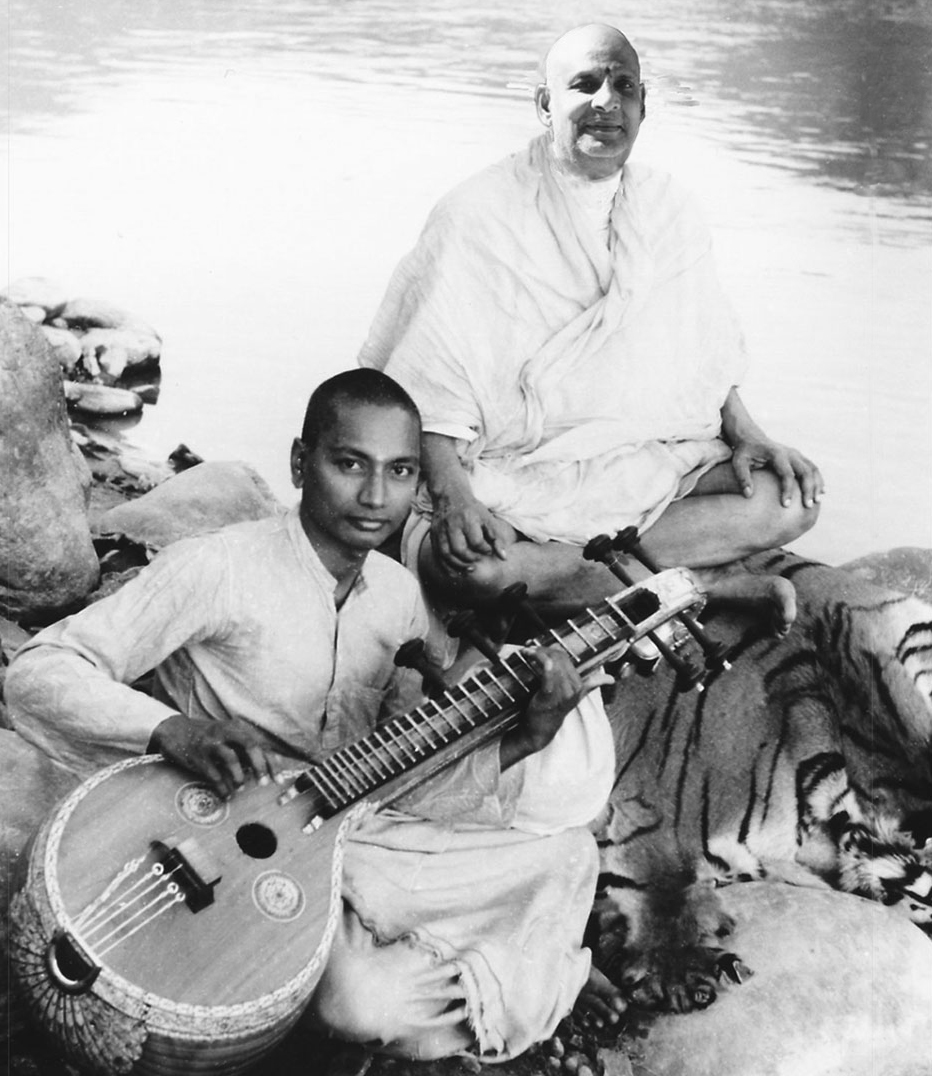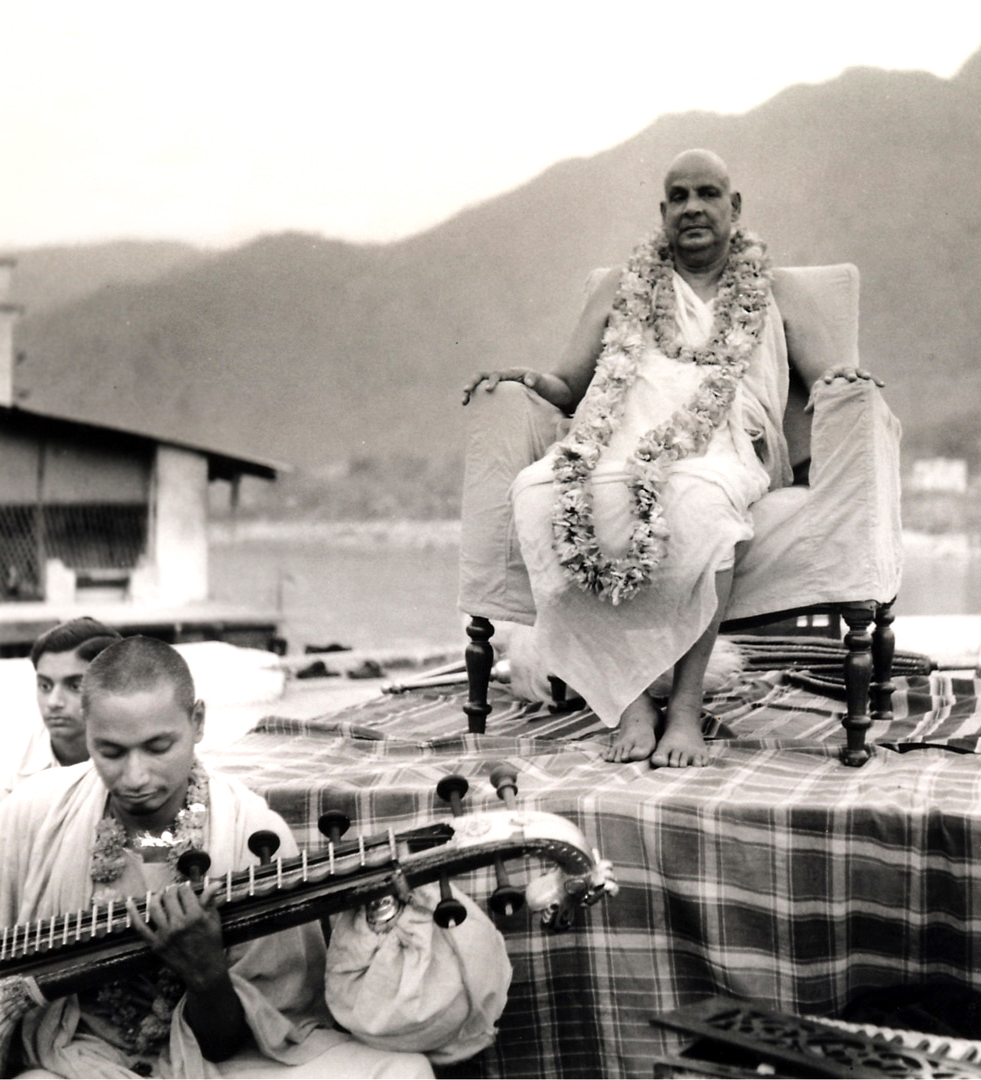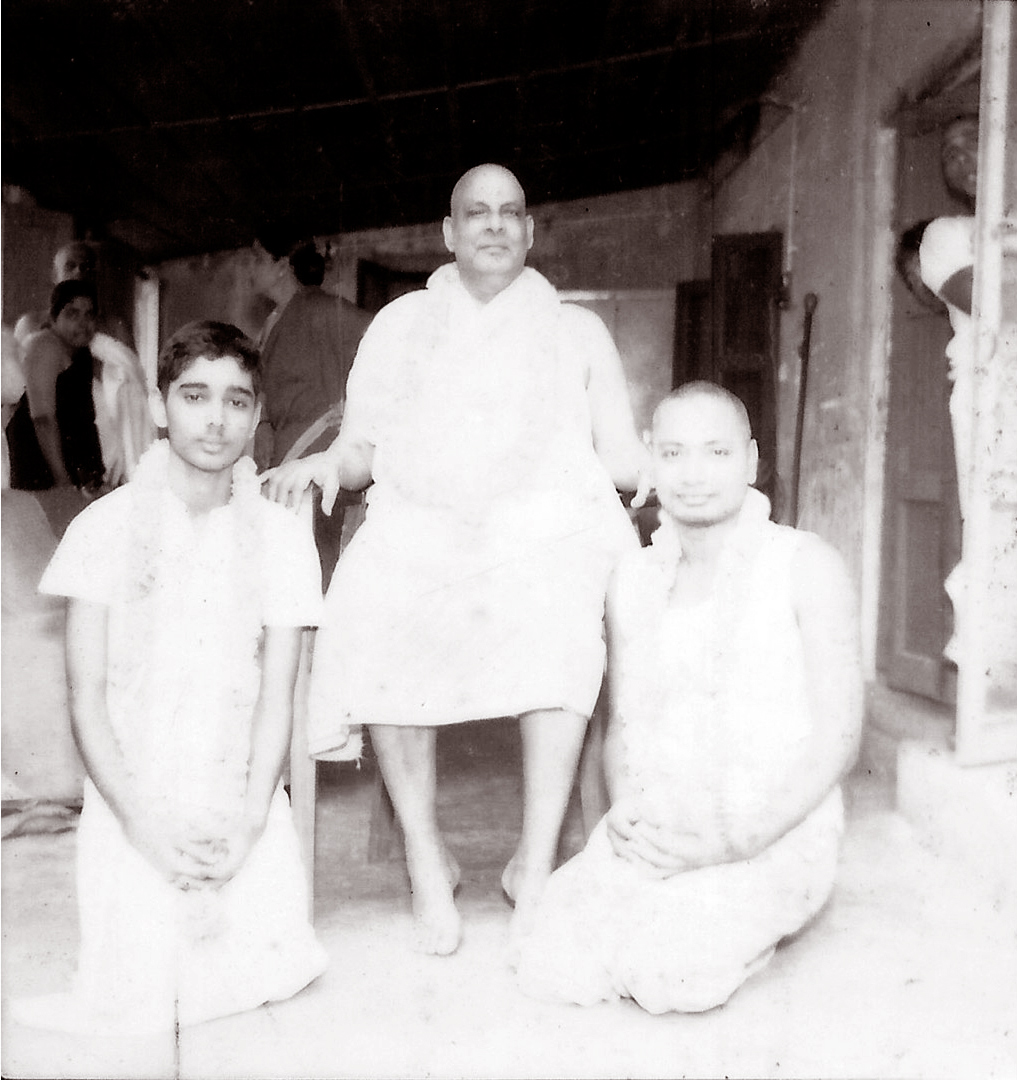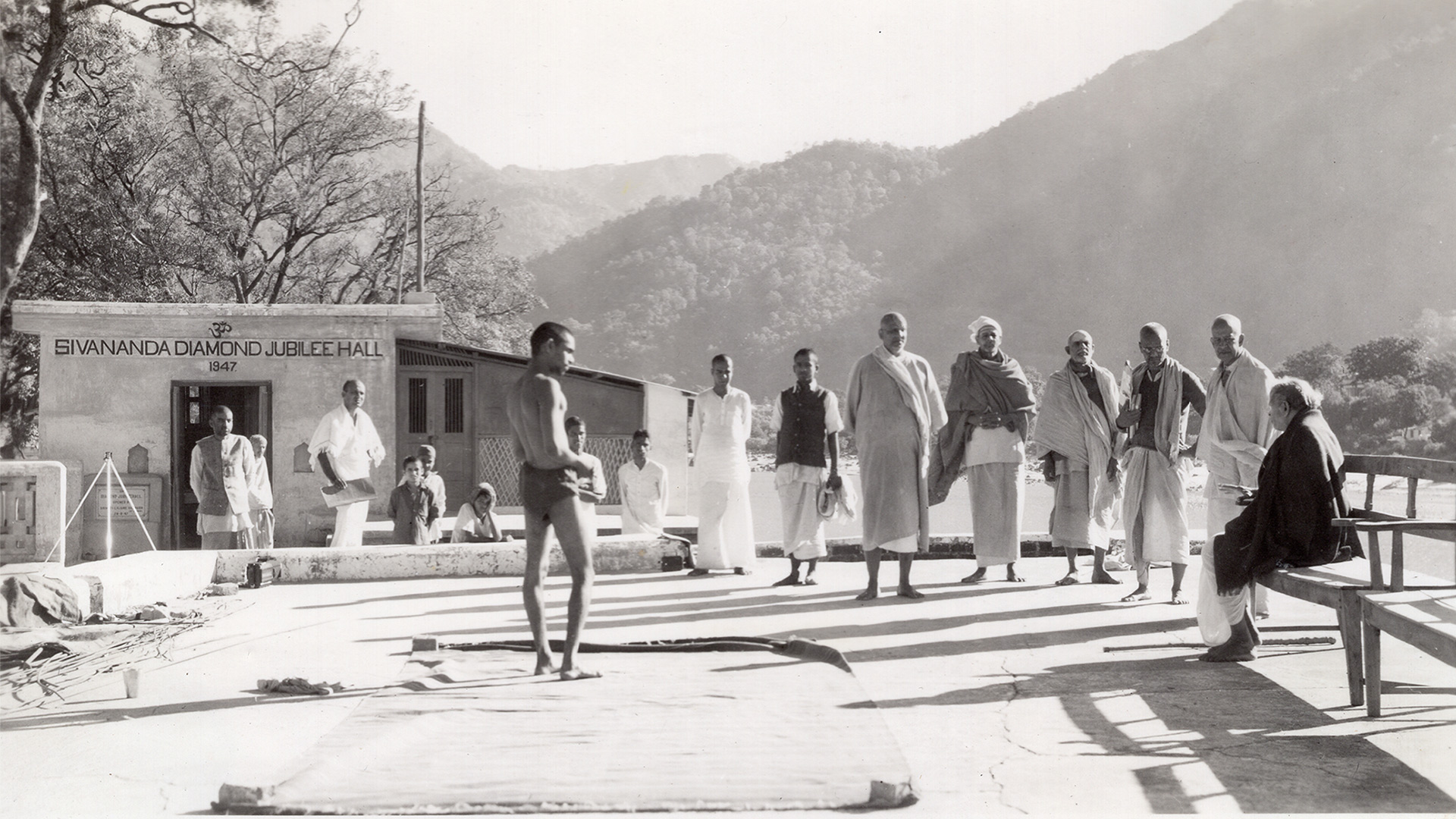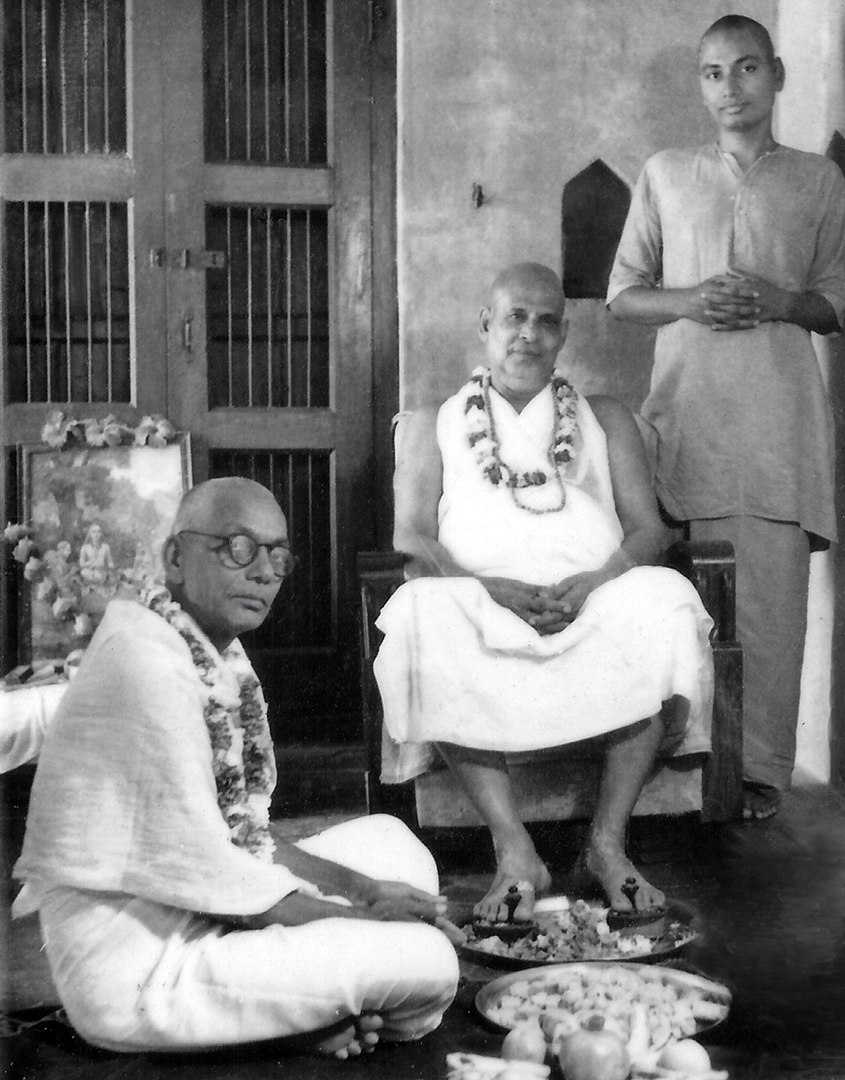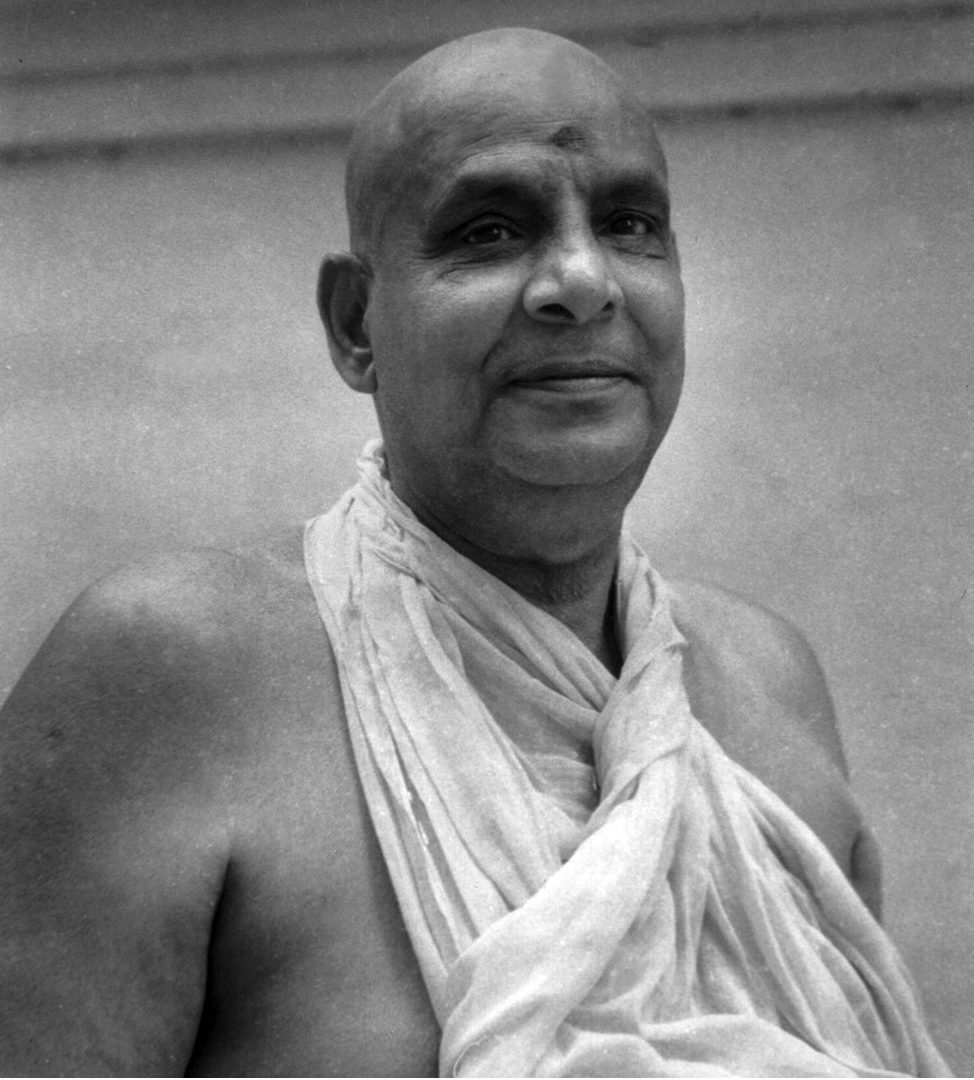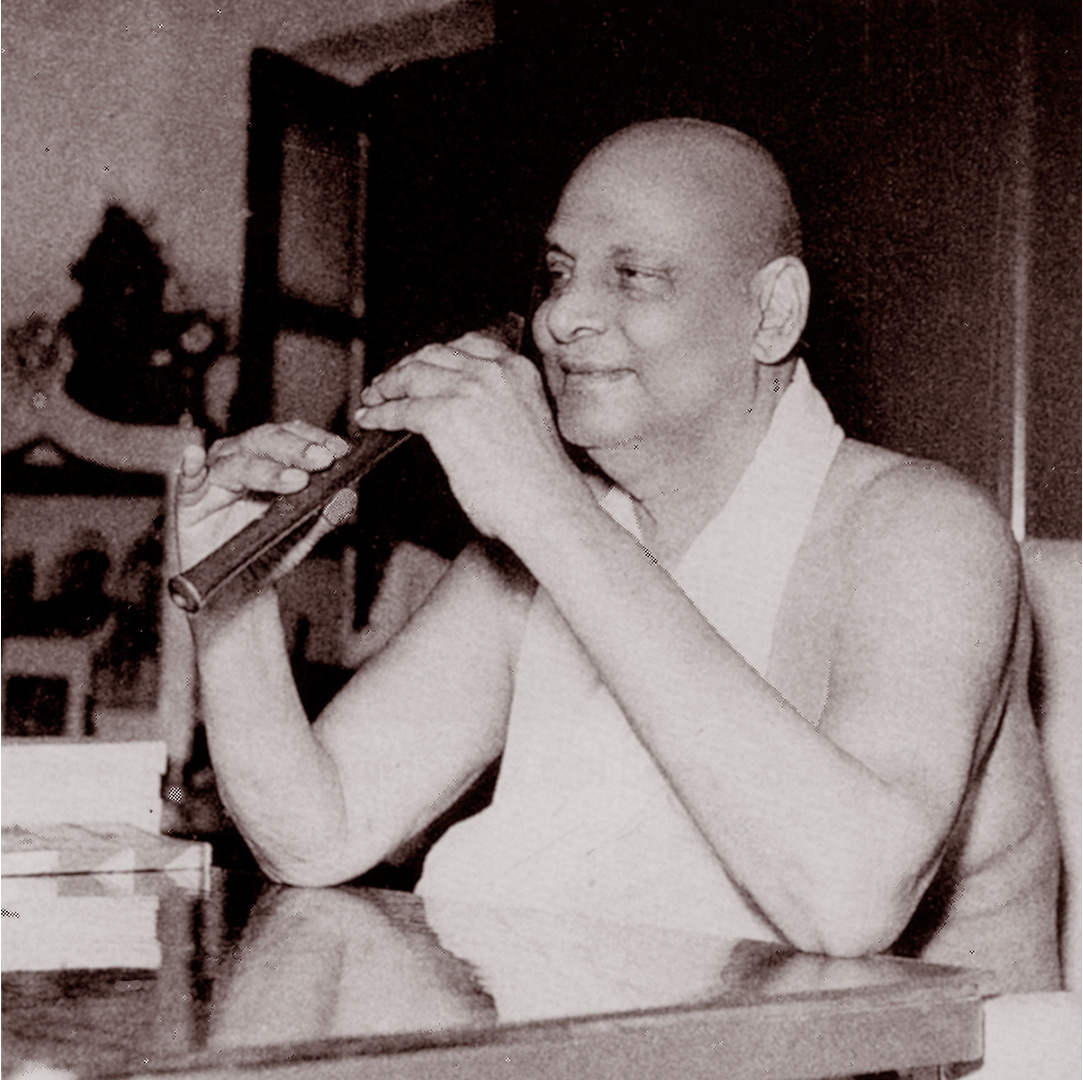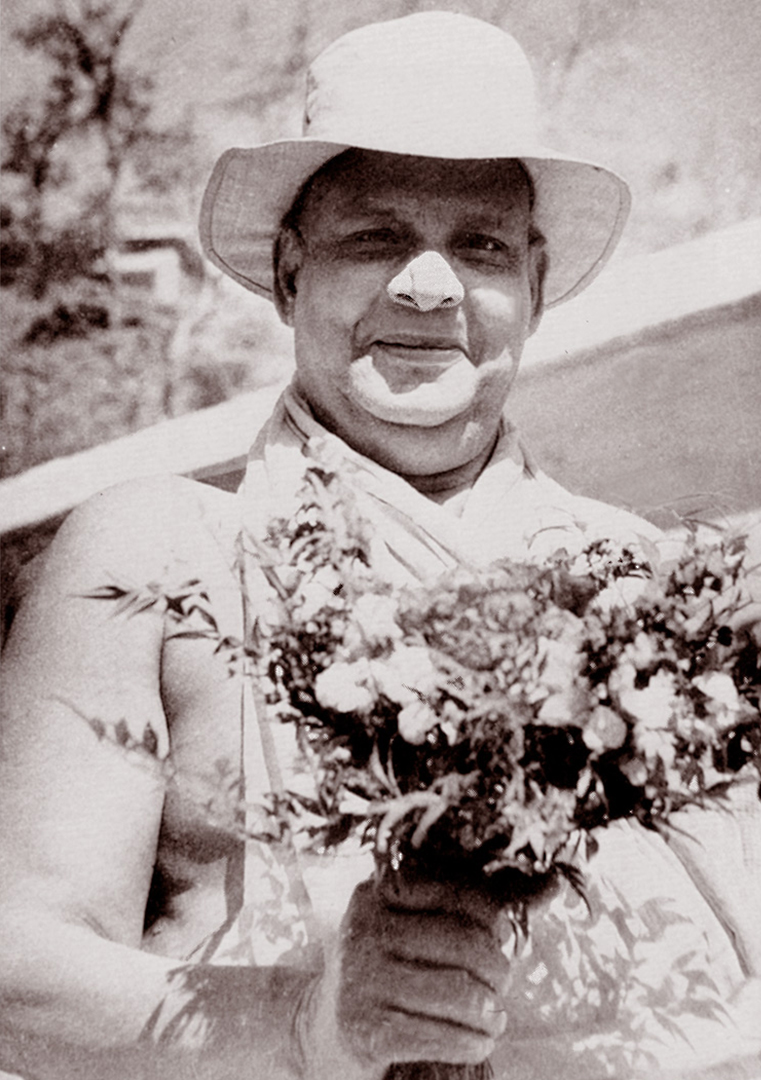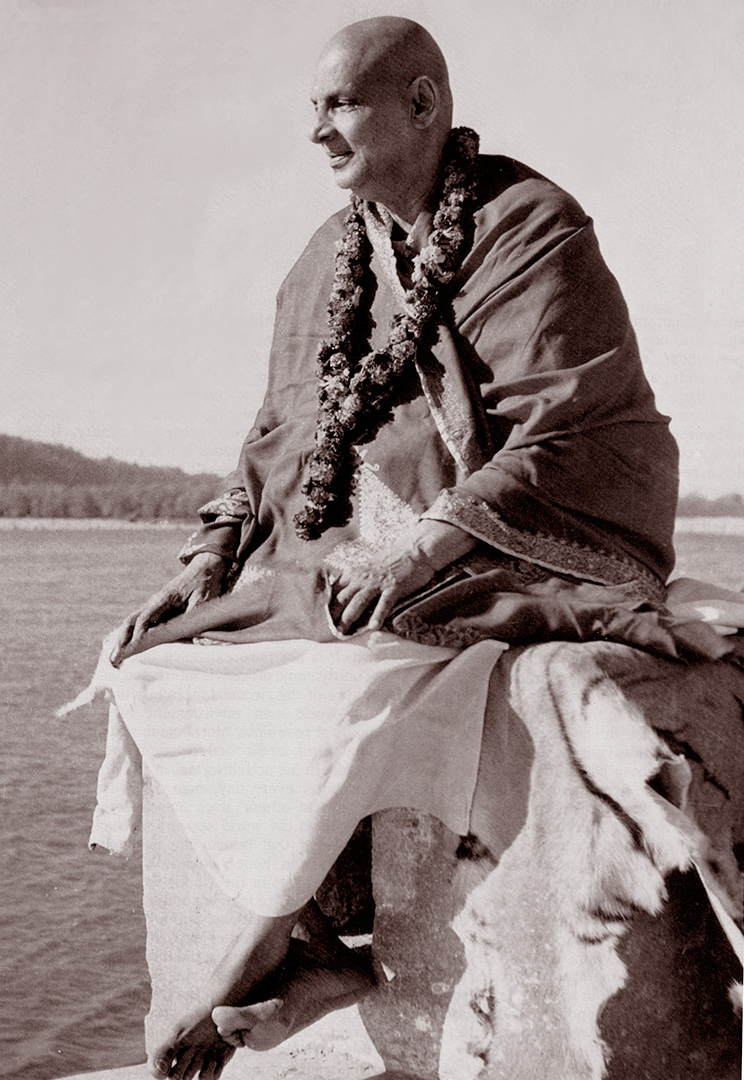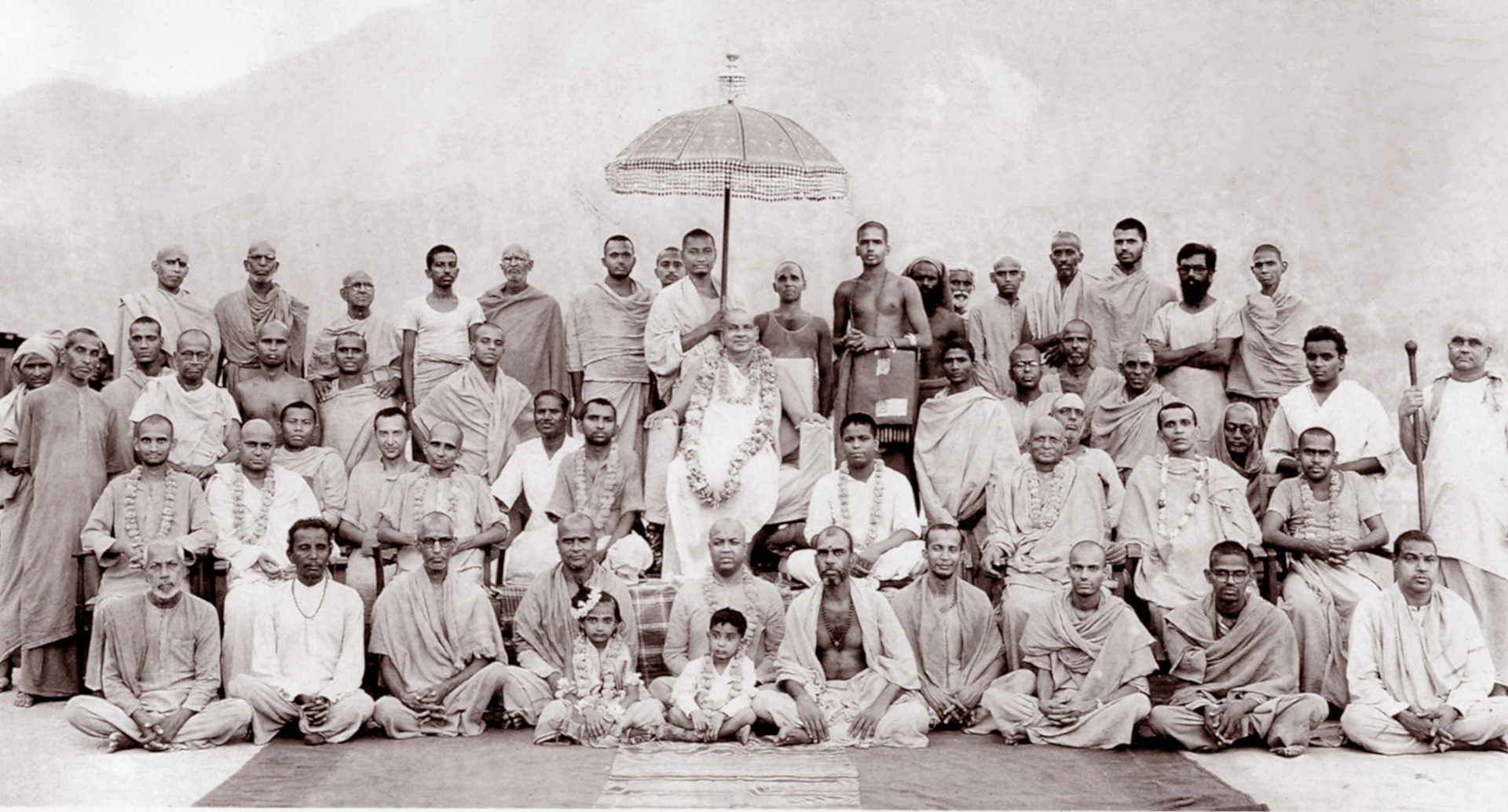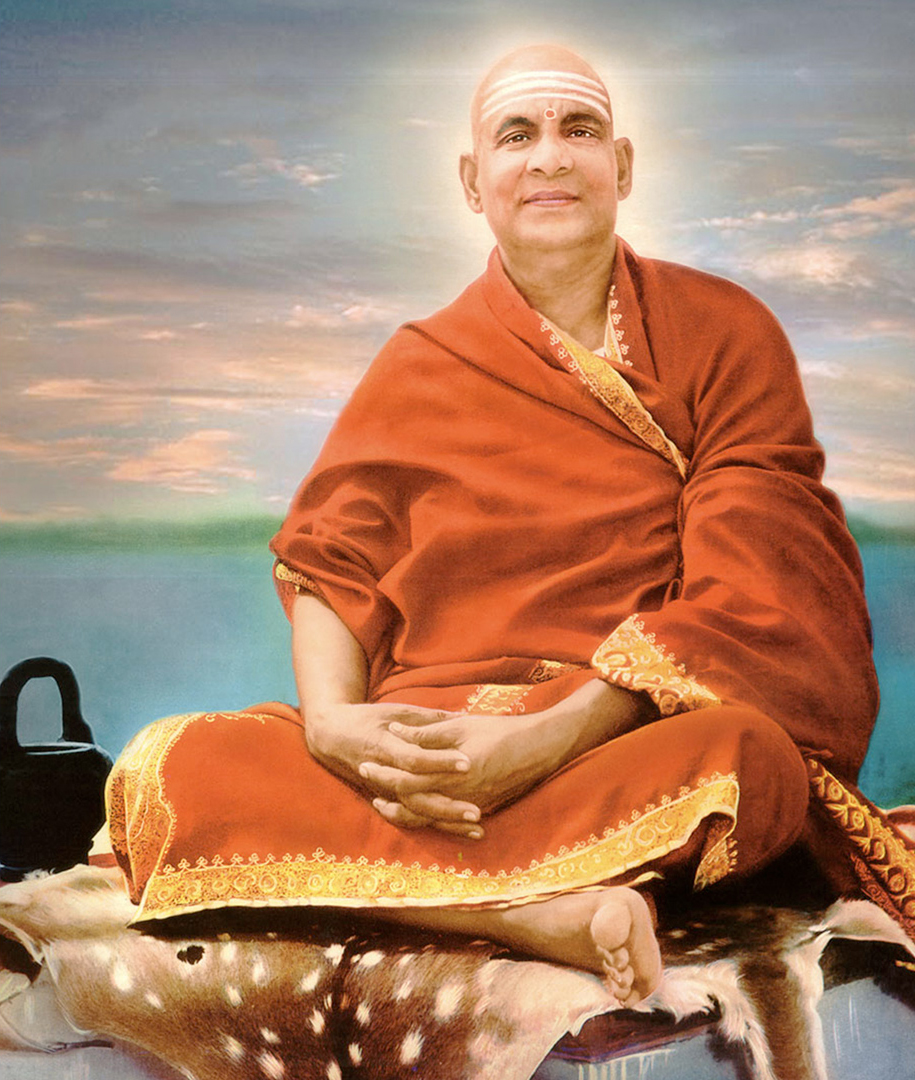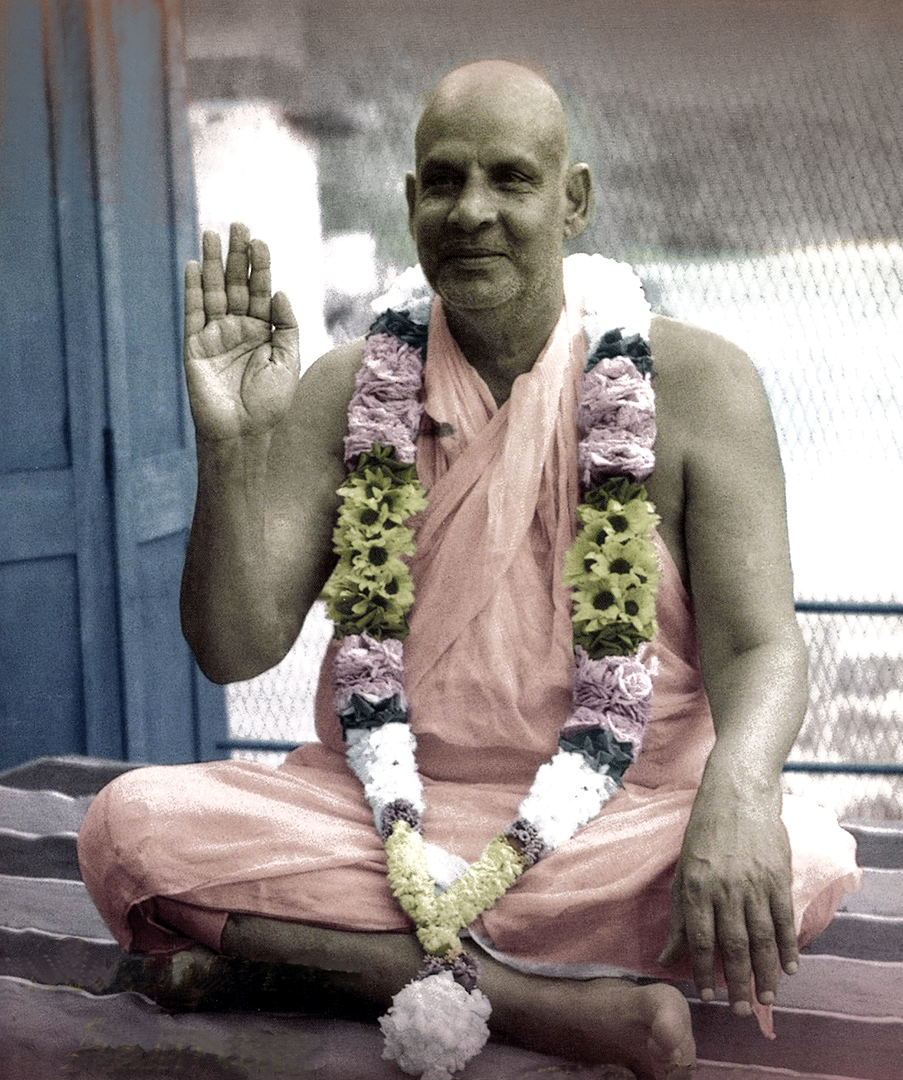
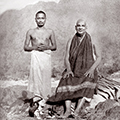
Sivananda and Venkatesananda in Rishikesh
Lorem ipsum dolor sit amet consectetur adipiscing elit quis, dapibus ac rutrum facilisi mi ullamcorper euismod feugiat, tempus molestie viverra vivamus massa platea rhoncus. Nibh eros quam lorem lacus dolor tellus adipiscing posuere arcu eleifend libero, varius dictumst nullam imperdiet consequat id cum duis leo ante, ultricies eu pharetra torquent morbi non fringilla dignissim senectus ut.
Ac sapien habitant volutpat hendrerit vel fringilla in nascetur id, nostra eros a augue pharetra amet sollicitudin sociosqu, iaculis vulputate varius placerat habitasse fusce sagittis cum. Habitasse libero duis parturient semper vitae, montes rhoncus nisl inceptos, condimentum tincidunt mattis dignissim.

- Sivananda and Venkatesananda in Rishikesh
- Show Galleries
-
 See full screen image
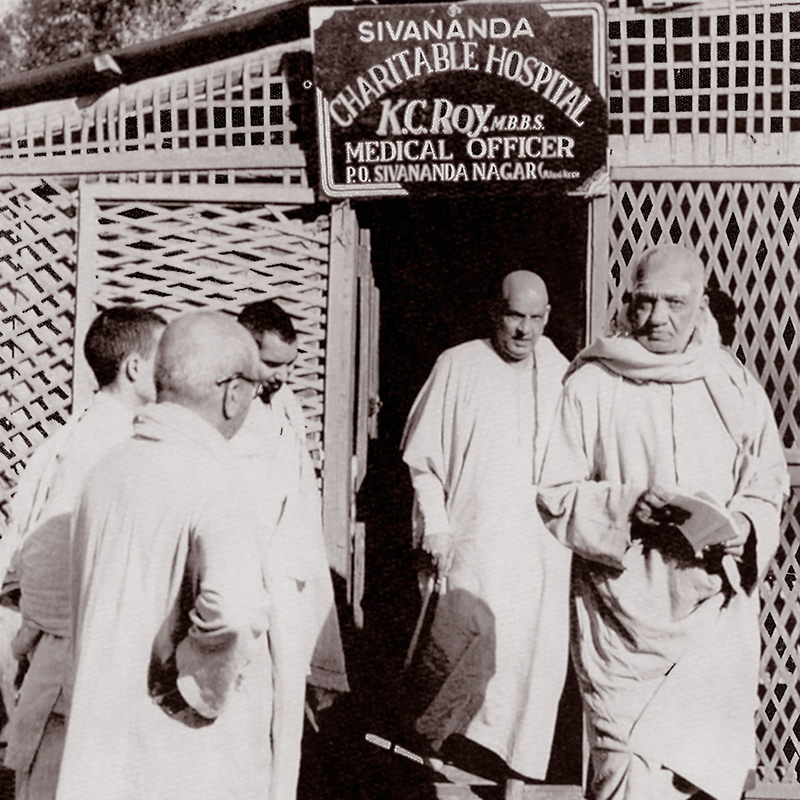
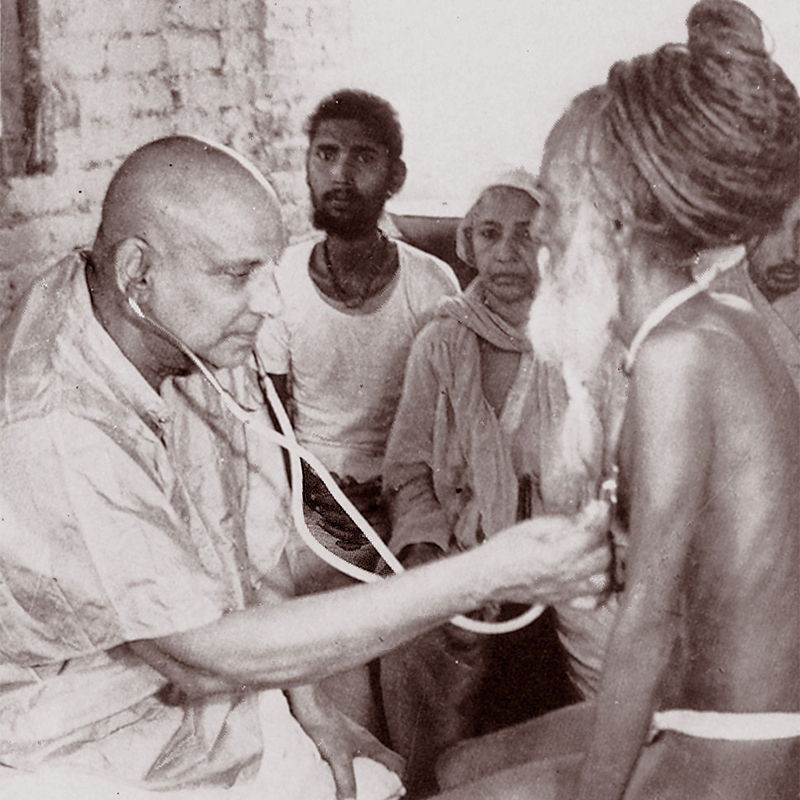
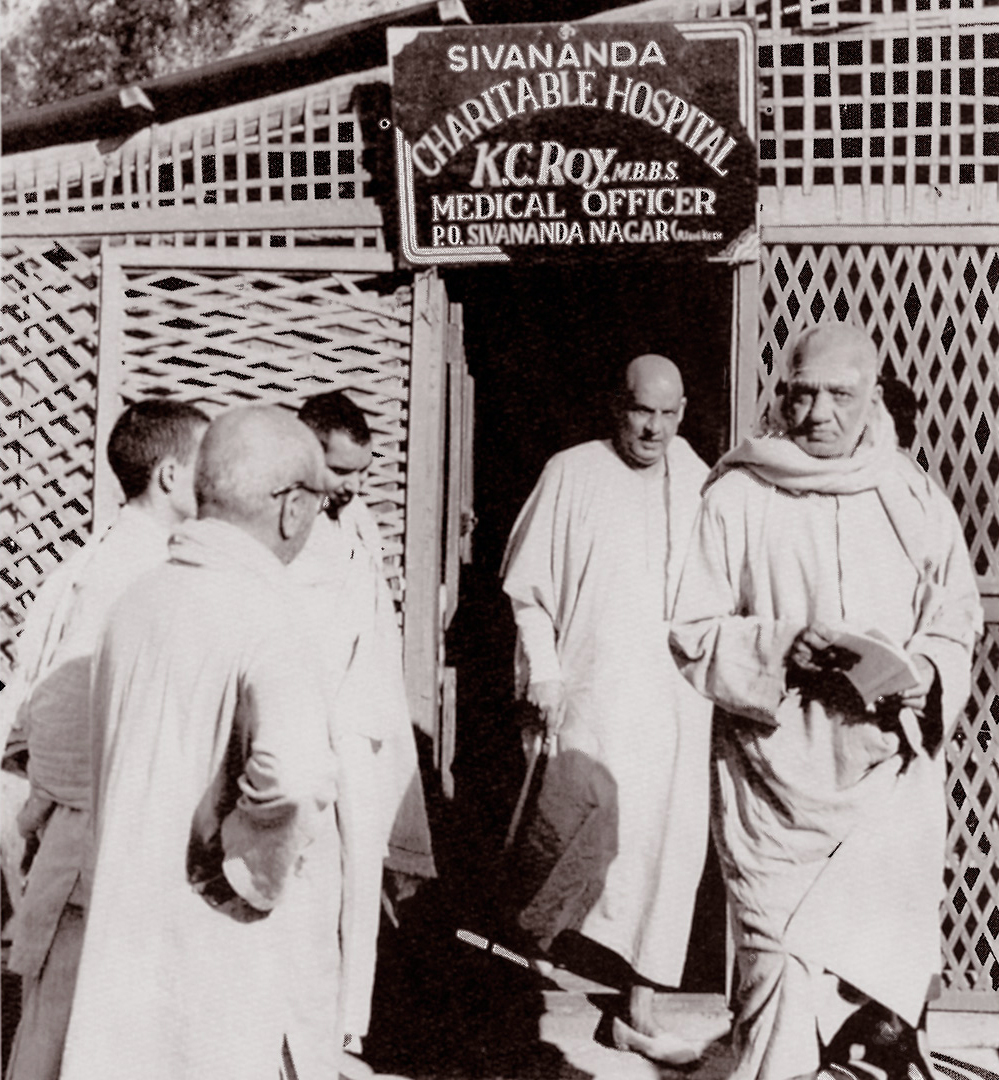
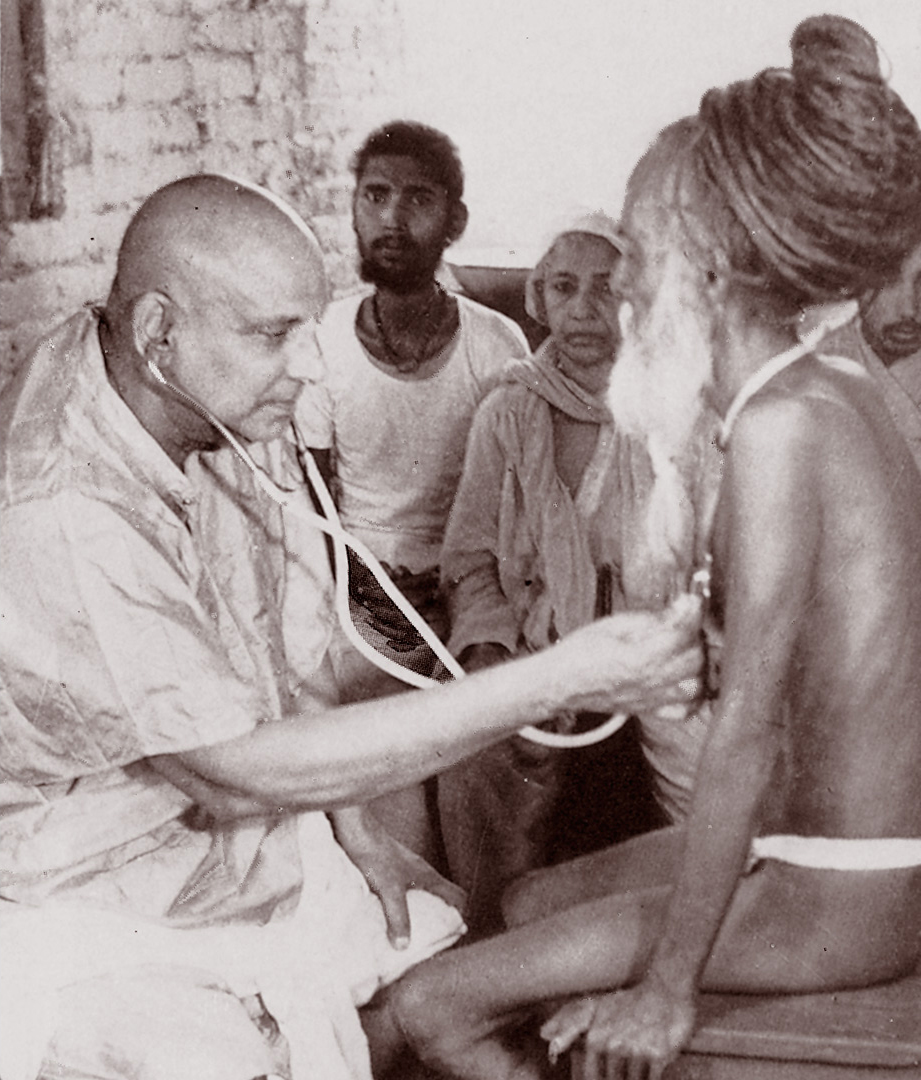
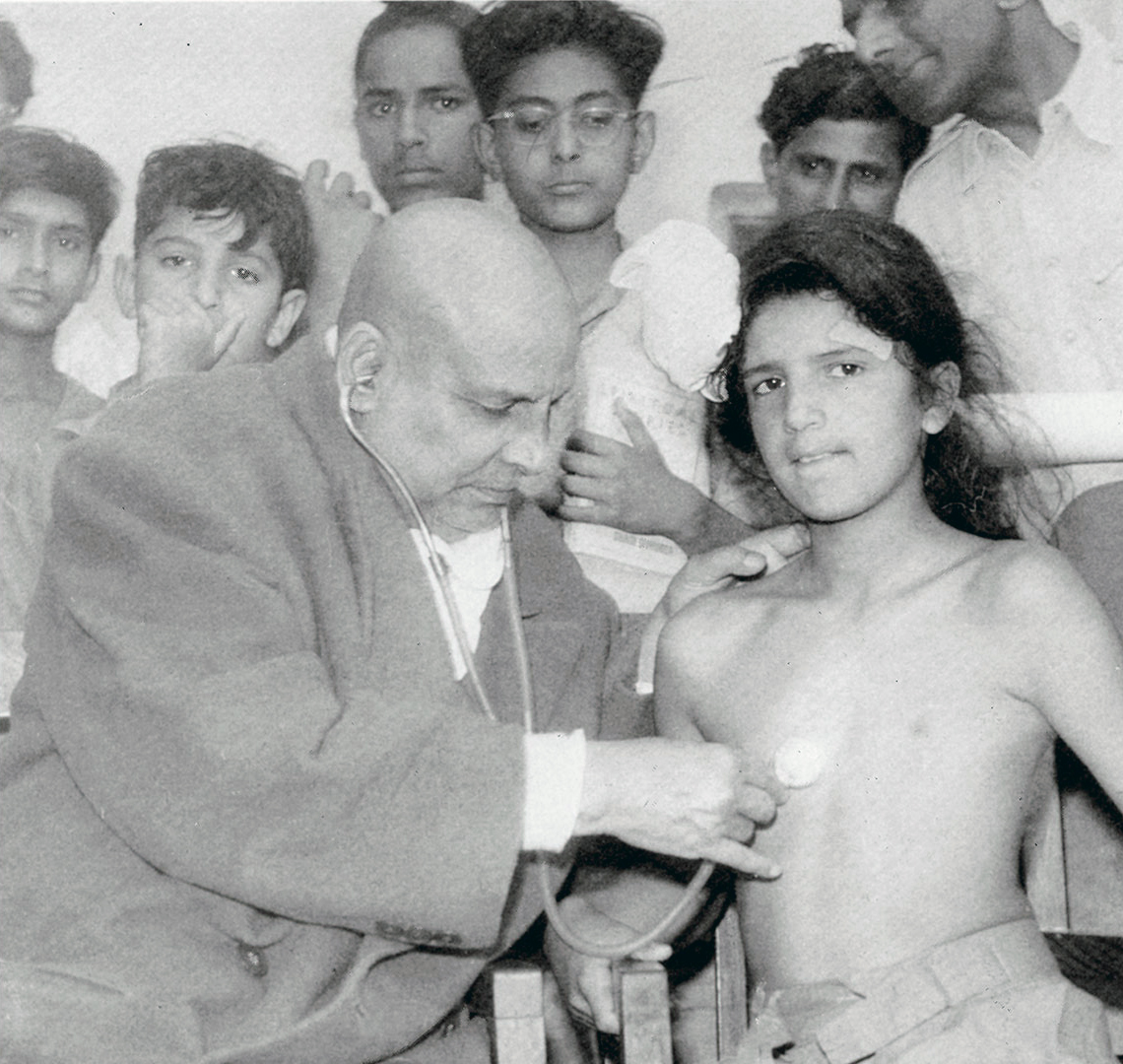
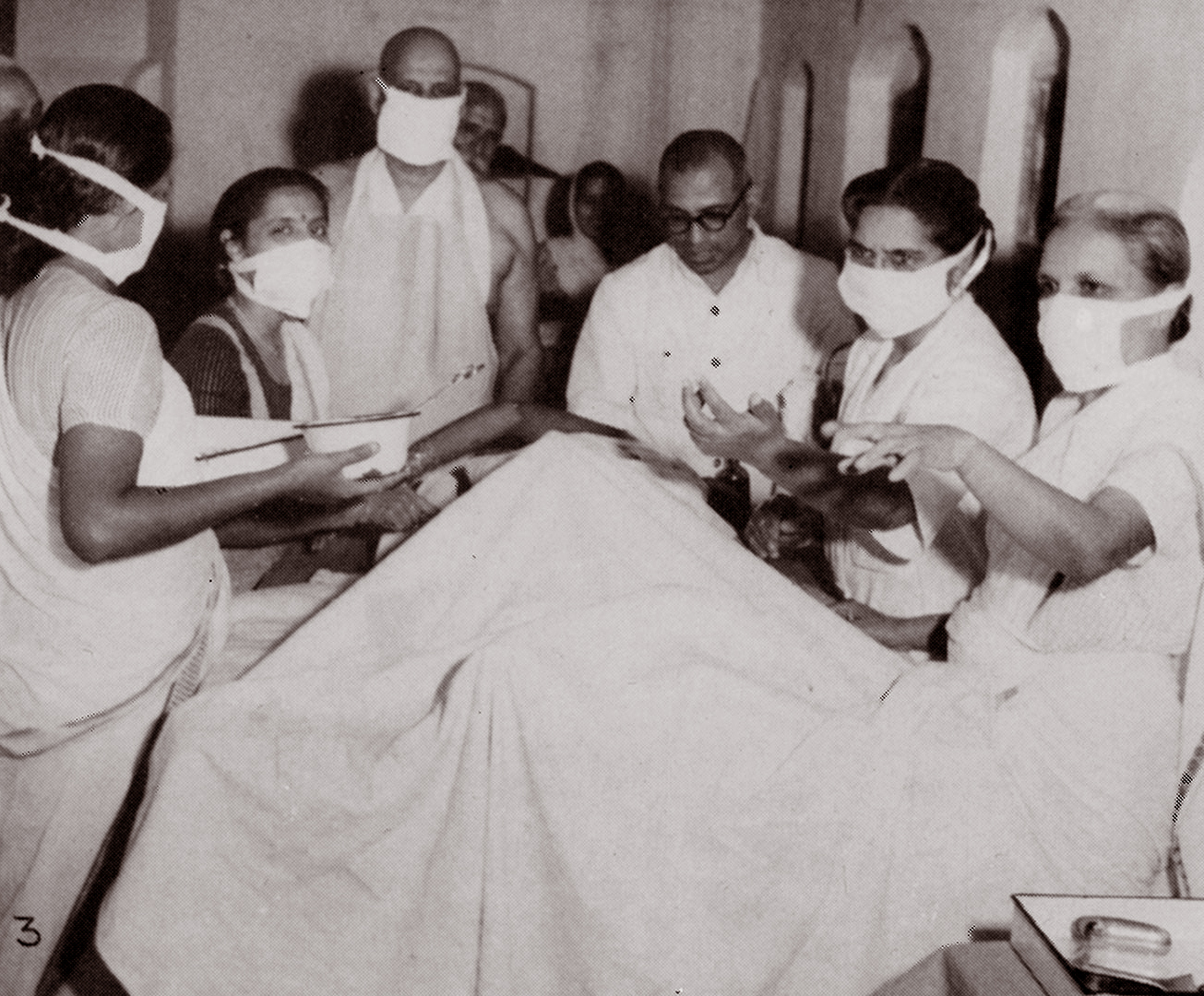
Life Before Rishikesh: The Successful Doctor of Medicine.
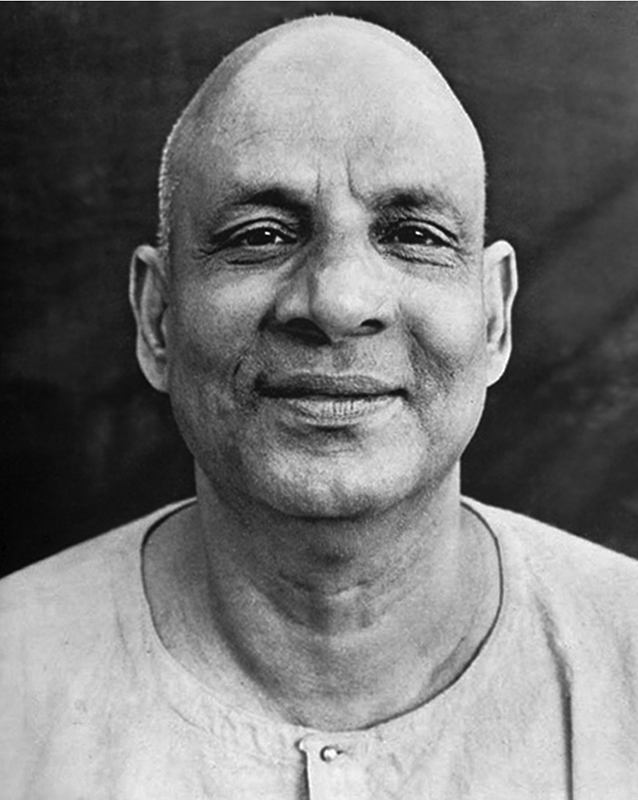
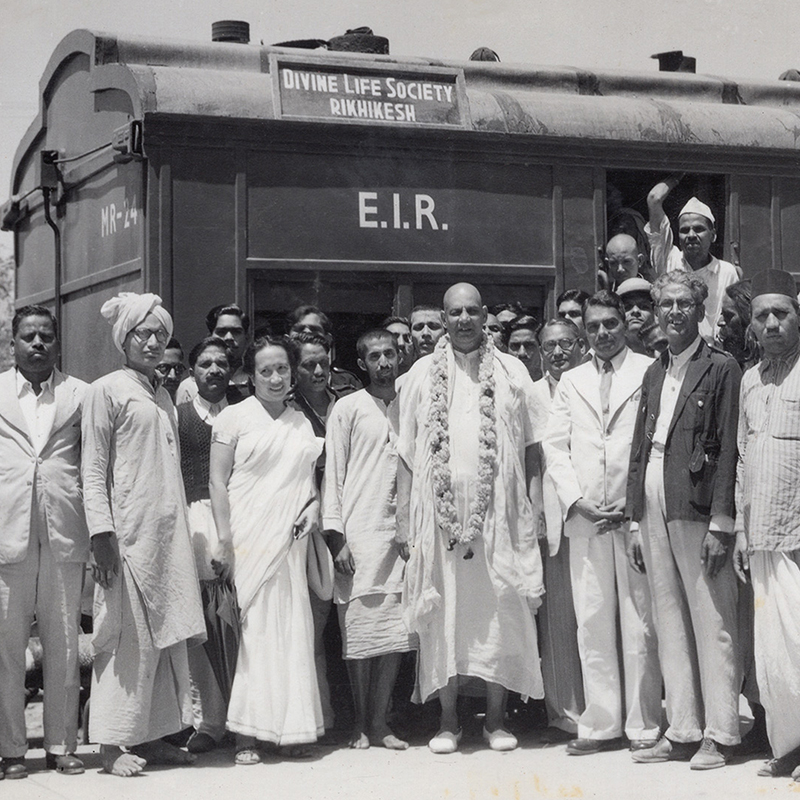
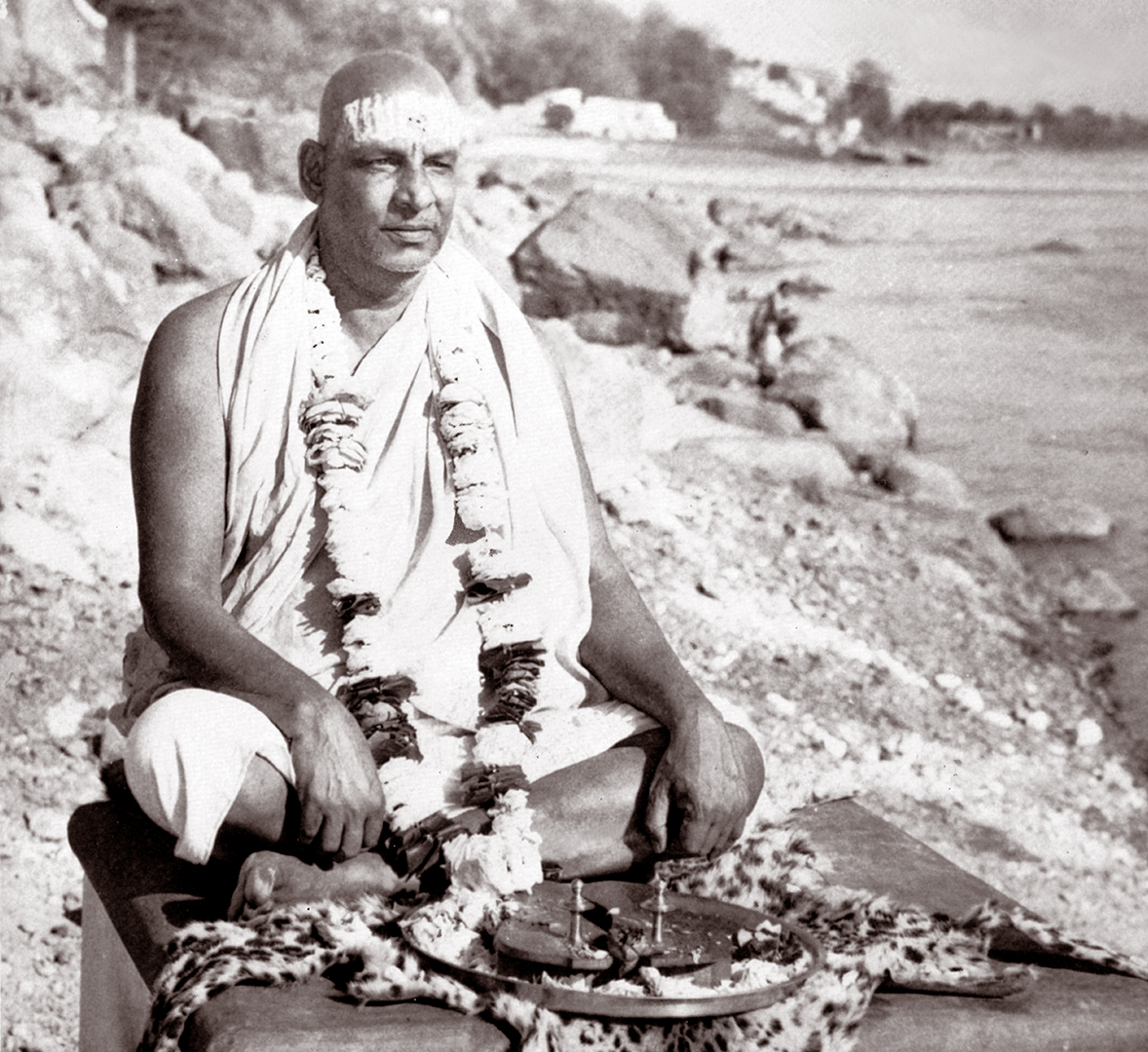
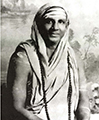
Sivananda was born "Kuppuswami" in Pattamadai, in the Tirunelveli district of Tamil Nadu. By all accounts he was an active and giving person, and found an outlet for his service as a medical doctor where he served for 10 years as a successful physician helping to run a hospital in British Mayala. Serving the sick was to become a life-long service for him but his vocation took an unexpected turn when he decided to return to Madras in 1923 and renounce everything of the life he had known. As family and friends were unloading the carts he had brought back from Malaya, they suddenly noticed that Dr. Kuppuswami was gone—no one knew where he had gone. Later they learned that, taking nothing with him, had boarded a train for Benares. He was unfamiliar with the language and customs of northern India and suffered great deprivation as he wandered for over a year seeking a place of solitude for spiritual practice. For some time he worked as a servant to a postmaster in the village of Dhalaj in Maharashtra. Eventually he heard that Rishikesh was a place that offered refuge for spiritual seekers and he slowly made his way there, arriving on May 8, 1924 He took sannyas at the beginning of June from His Holiness Swami Viswananda, a revered monk who was passing through Rishikesh.
He never spoke very much about what led to his burning desire for renunciation but no doubt the constant exposure to sickness and pain of others weighed heavily upon him. It's been suggested that Dr. Kuppaswami felt compelled to find some deeper understanding of the underlying causes of human suffering, Of course, the journey, like all journeys, are never quite so easily attributed to one single factor, as evidenced by his own words in short autobiography entitled, "How God Came Into My Life", where he wrote:"It would be easy to dismiss the question by saying: “Yes, after a prolonged period of intense austerities and meditation, while I was living at Swaragashram and when I had the Darshan and blessings of a number of Maharishis, the Lord appeared before me in the form of Sri Krishna.
But that would not be the whole truth, nor a sufficient answer to a question relating to God, who is infinite, unlimited and beyond the reach of speech and mind.
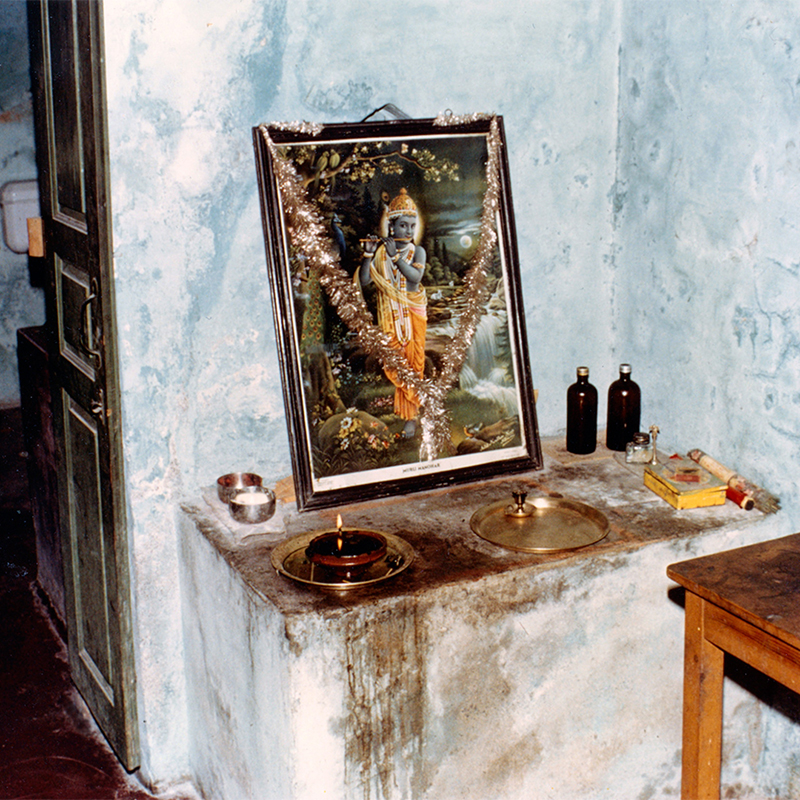
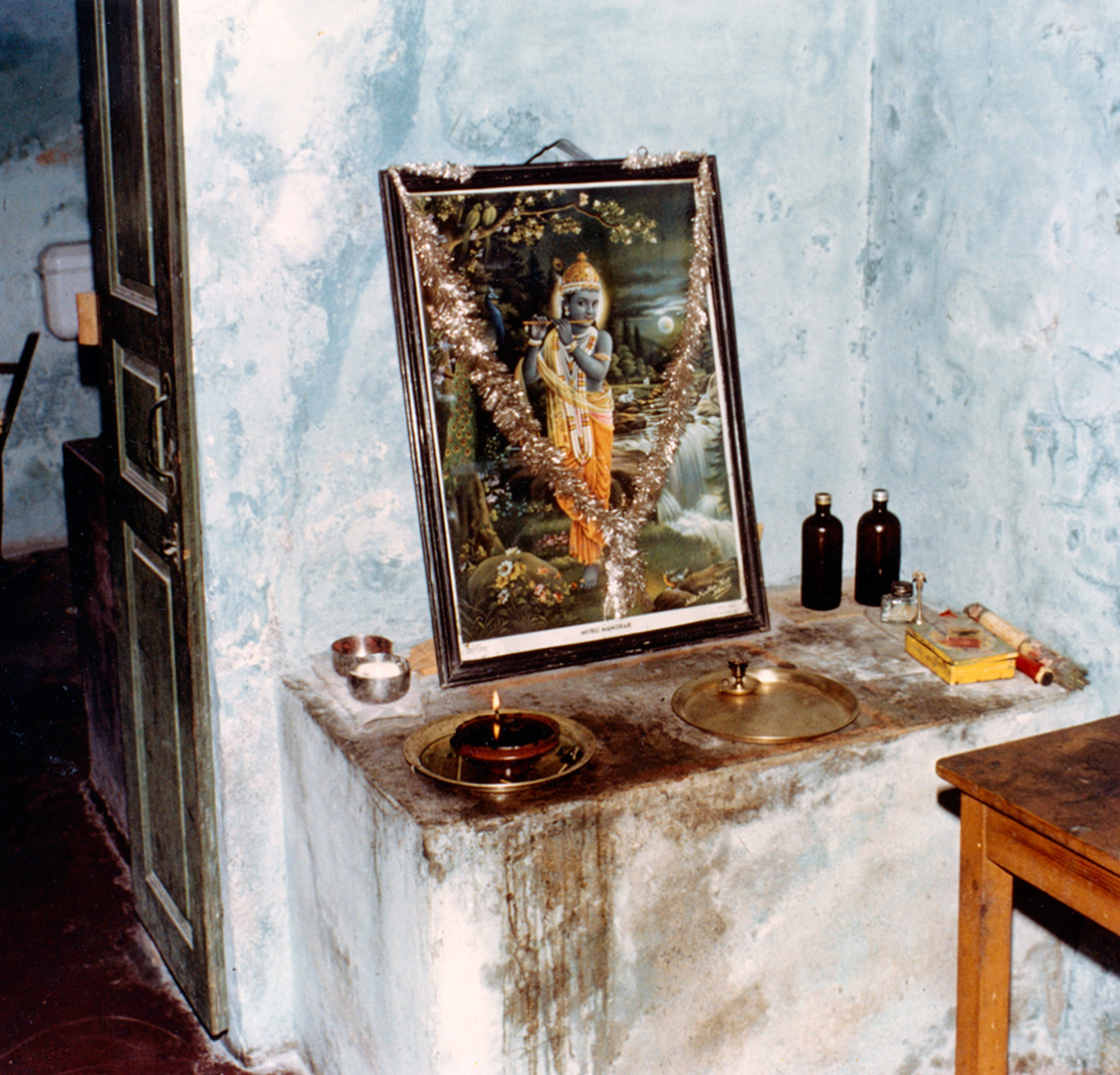
Cosmic Consciousness is not an accident or chance. It is the summit, accessible by a thorny path that has steps—slippery steps. I ascended them step by step the hard way; but at every stage I experienced God coming into my life and lifting me easily to the next stage.My father was fond of ceremonial worship in which he was very regular. To my child-mind the image he worshipped was God; and I delighted in helping father in the worship by bringing him flowers and other articles of worship. The deep inner satisfaction that he and I derived from such worship implanted in my heart a strong conviction that God was in such images devoutly worshipped by His devotees. Thus did God first come into my life and place my foot on the first rung of the spiritual ladder.
As an adult I was fond of gymnastics and vigorous exercises. I learnt fencing from a teacher who belonged to a low caste. He was a Harijan. I could go to him only for a few days before I was made to understand that it was unbecoming of a caste-Brahmin to play the student to an untouchable. I thought deeply over the matter. One moment I felt that the God whom we worshipped in the image in my father’s worship room had jumped over to the heart of this untouchable. He was my Guru all right. So I immediately went to him with flowers, sweets and clothes and garlanded him, placed flowers at his feet and prostrated myself before him. Thus did God come into my life to remove the veil of caste distinctions.
How very valuable this step was I could realise soon after this, for I was to enter the medical profession and serve all, and the persistence of caste distinctions would have made that service a mockery. With this mist cleared by the light of God, it was easy and natural for me to serve everyone. I took keen delight in every kind of service connected with the healing and alleviation of human misery. If there was a good prescription for malaria, I felt that the whole world should know it the next moment. Any knowledge about the prevention of diseases, promotion of health and healing of diseases I was eager to acquire and share with all."
-
 See full screen image
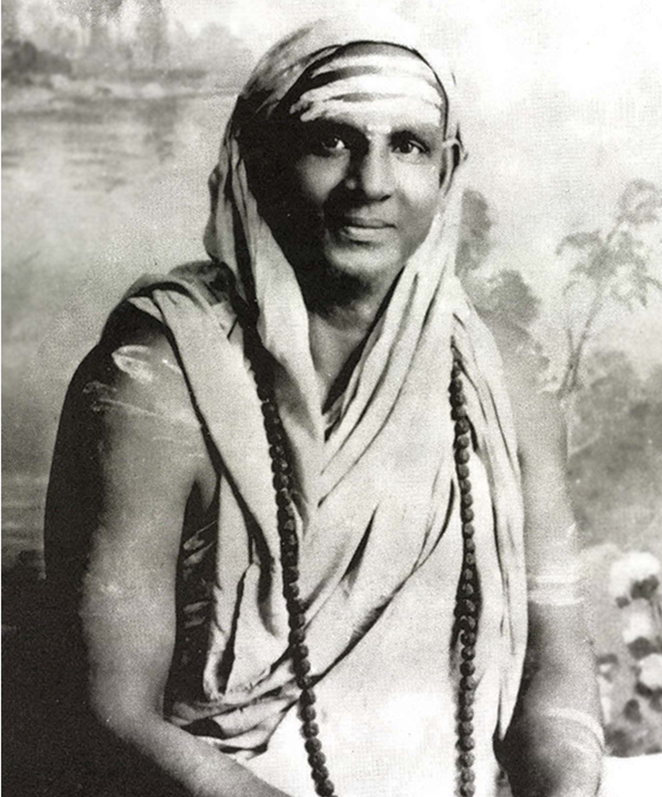
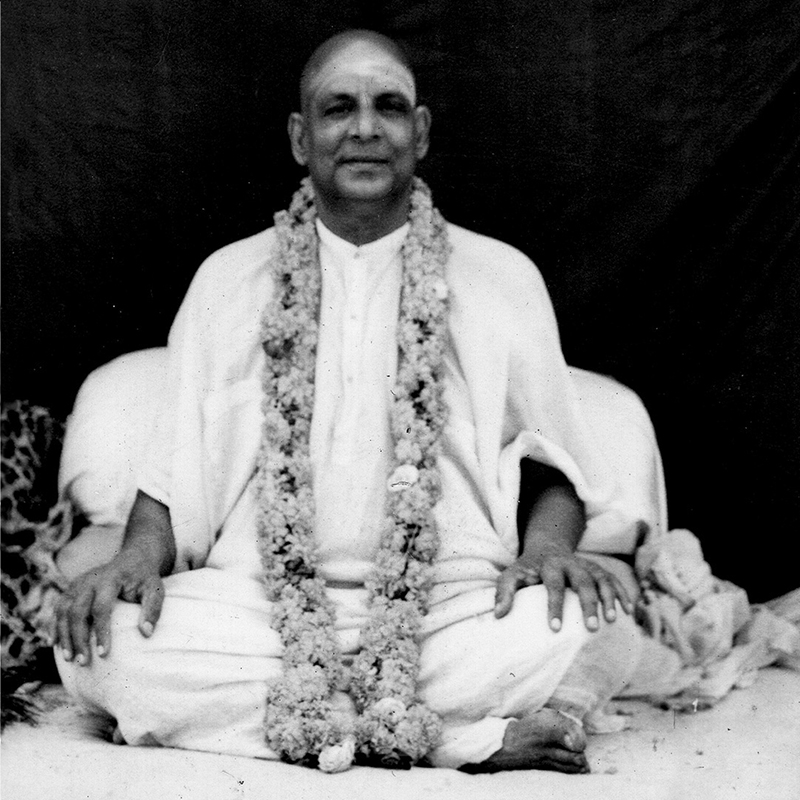
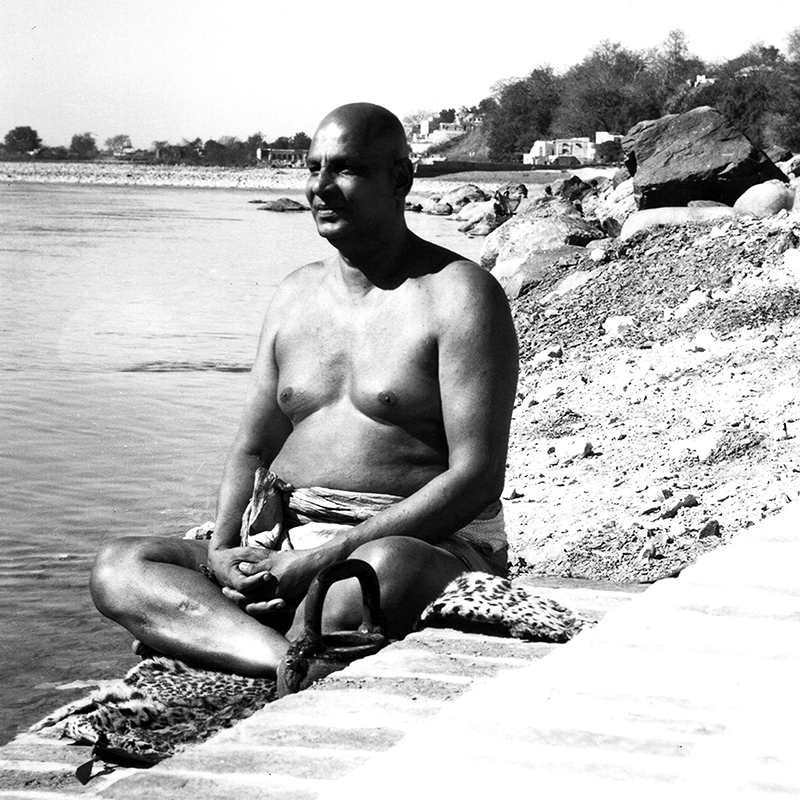
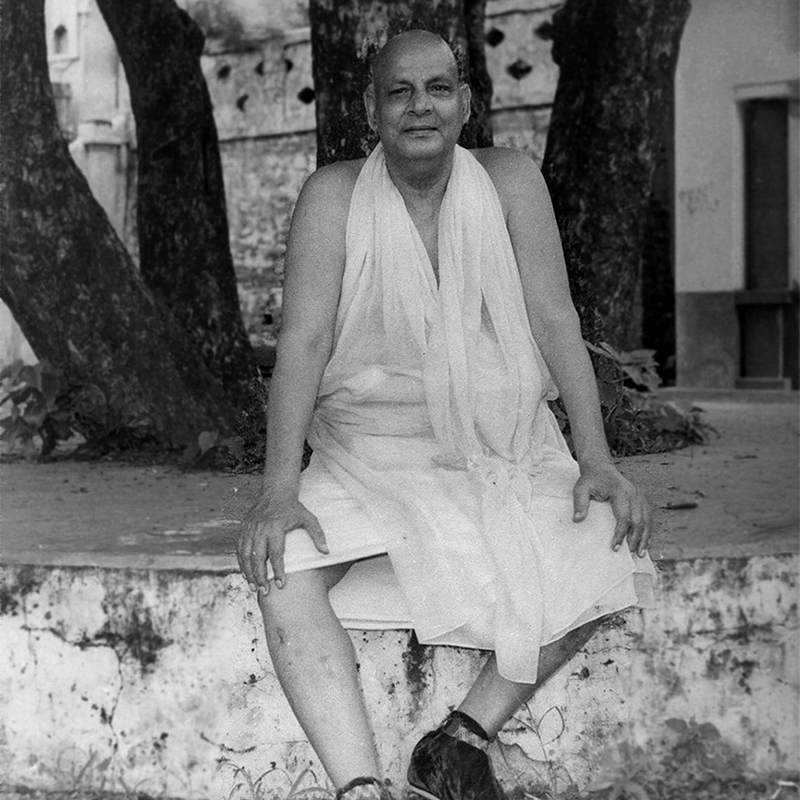
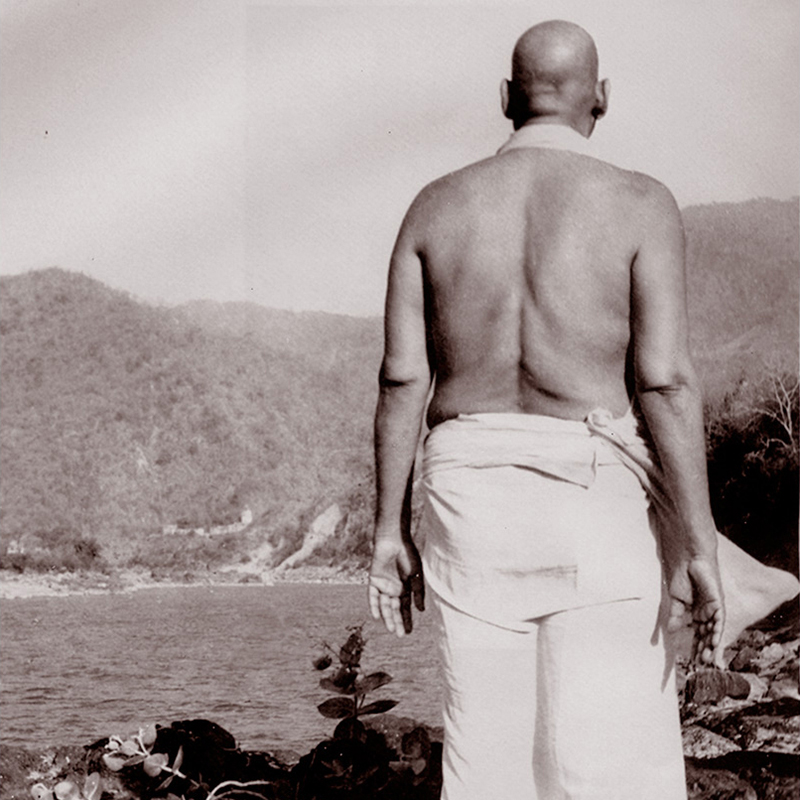
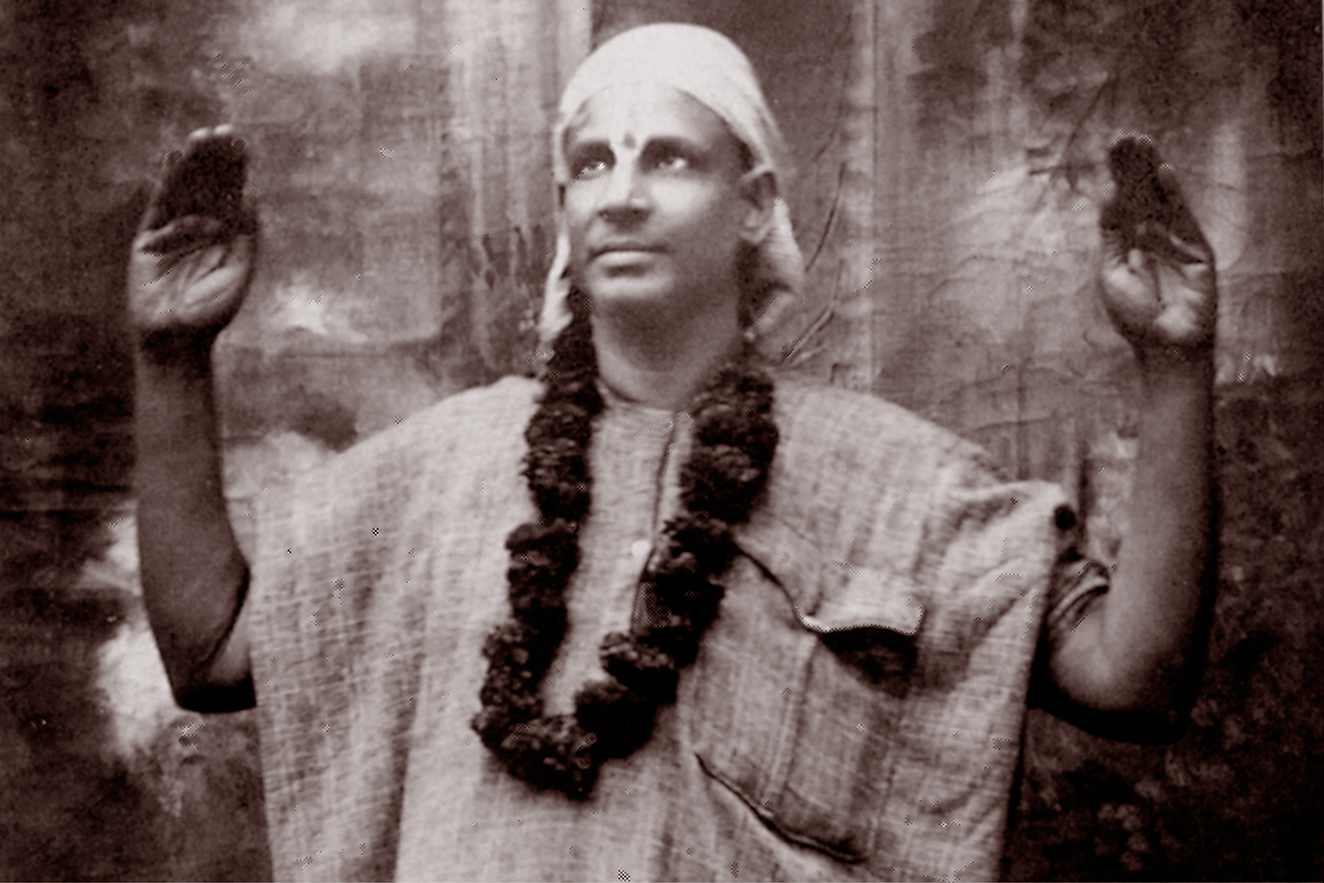
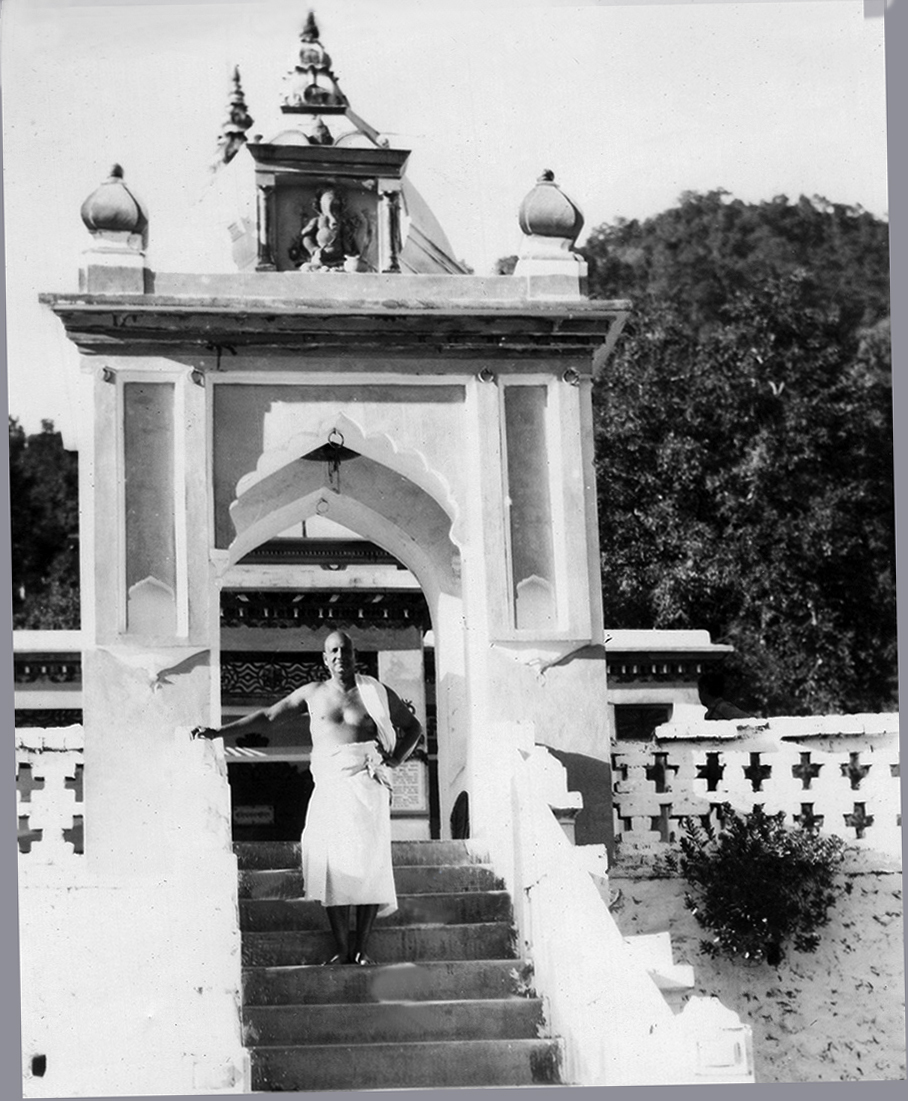
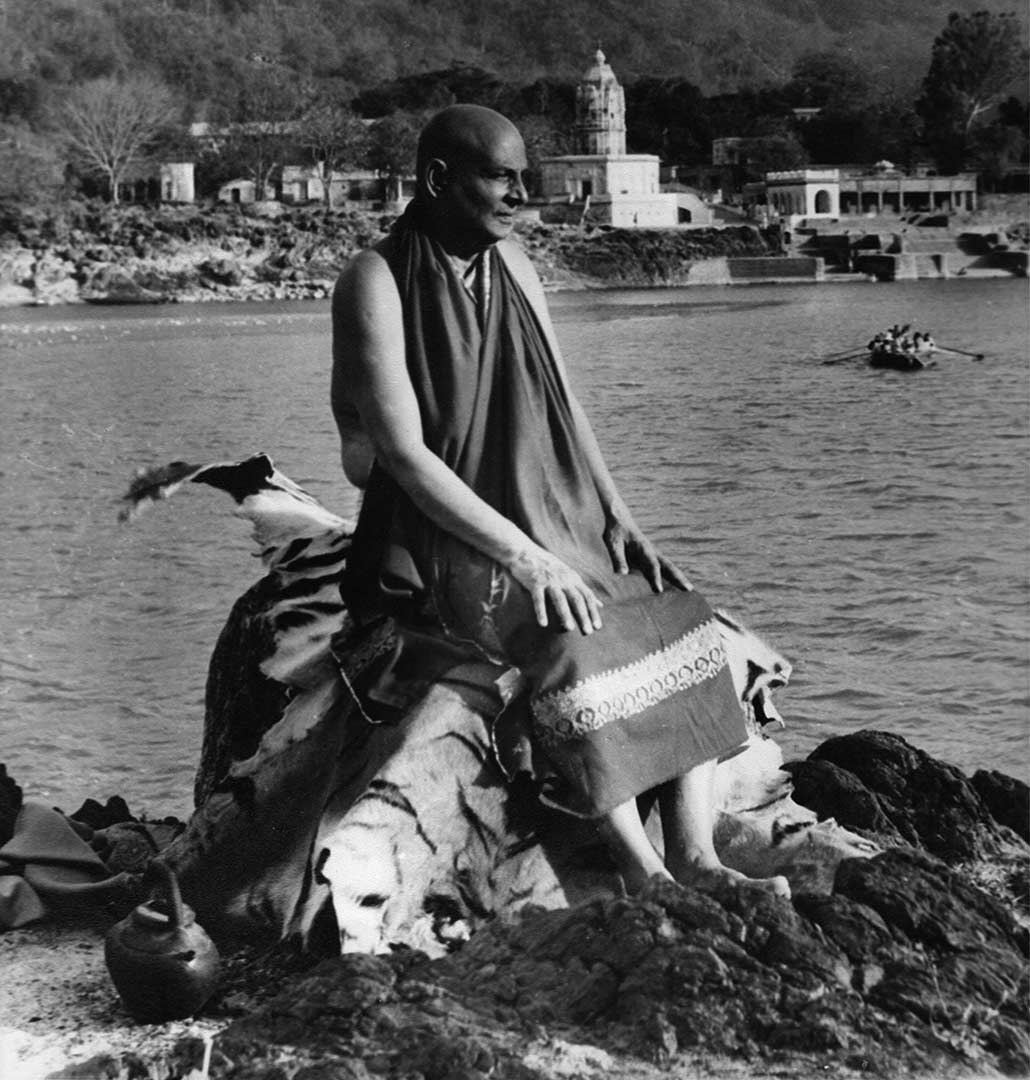
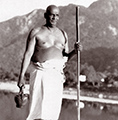
Arriving In RishikeshWhen Sivananda first came to Himalayas, in 1924, it is said that he met a holy man, who intiated him into the holy order of Sanyas. Surprisingly, he felt no need to sit at the holy man's feet but immediately took off on his own to wander the hills and forests of Rishikesh as a solitary mendicant.
-
 See full screen image
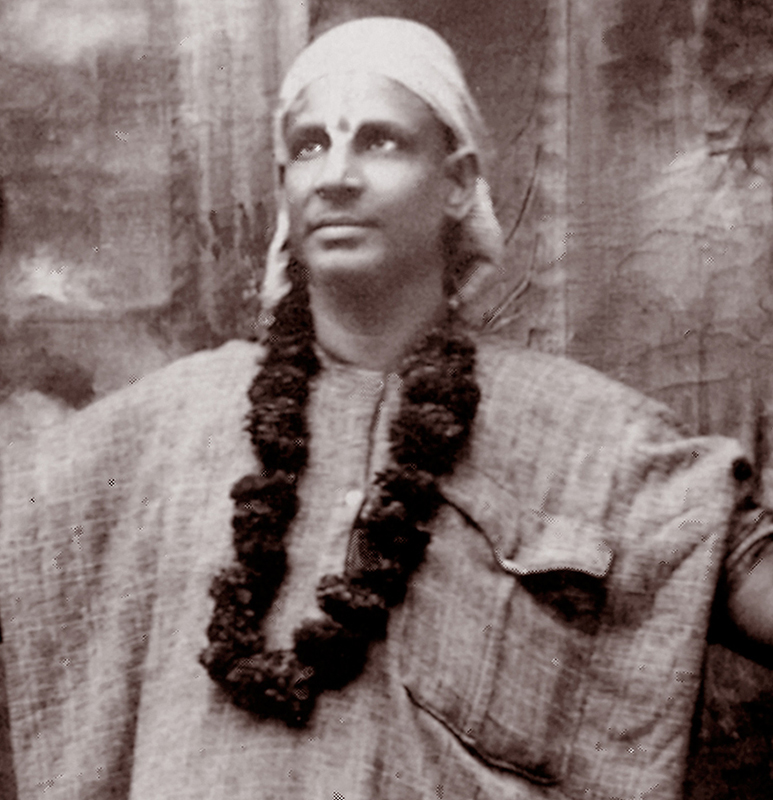
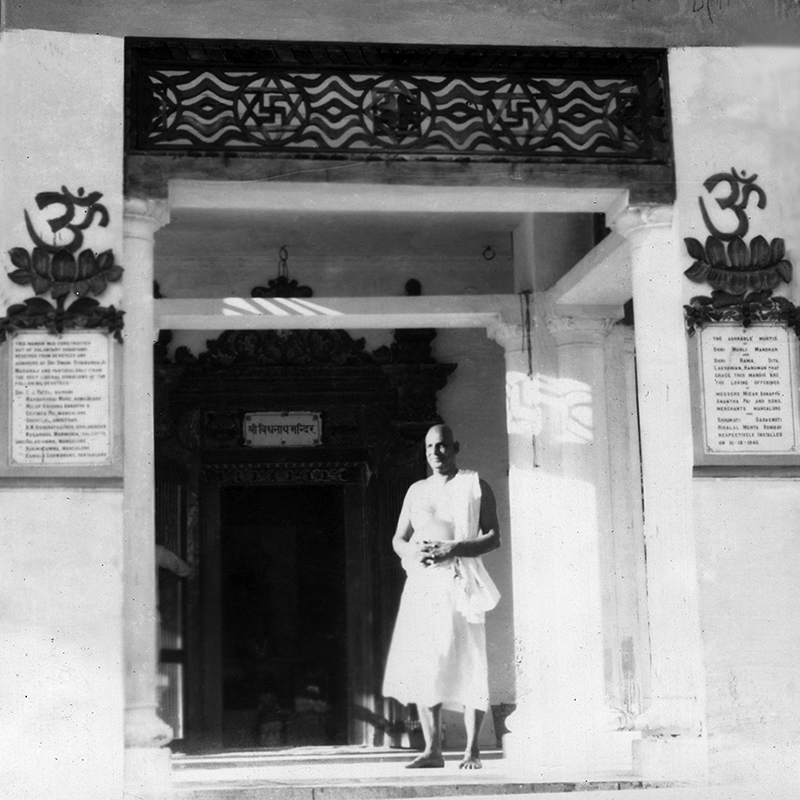
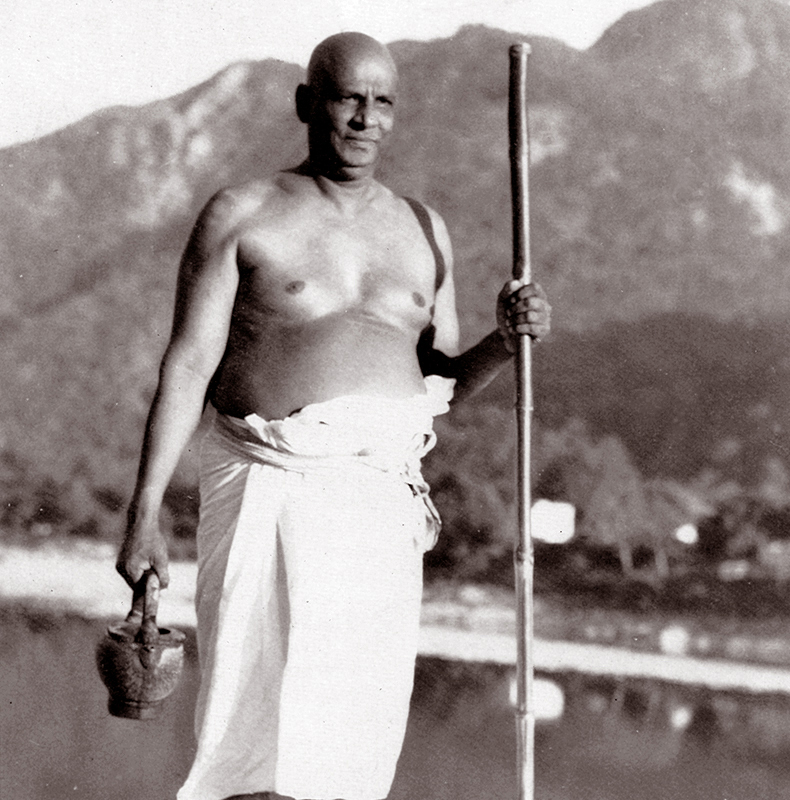
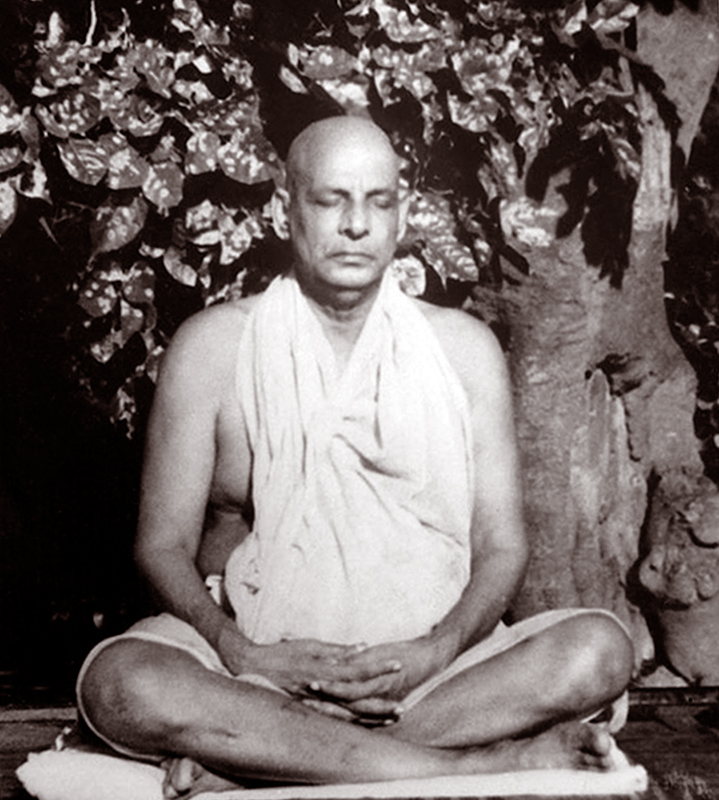
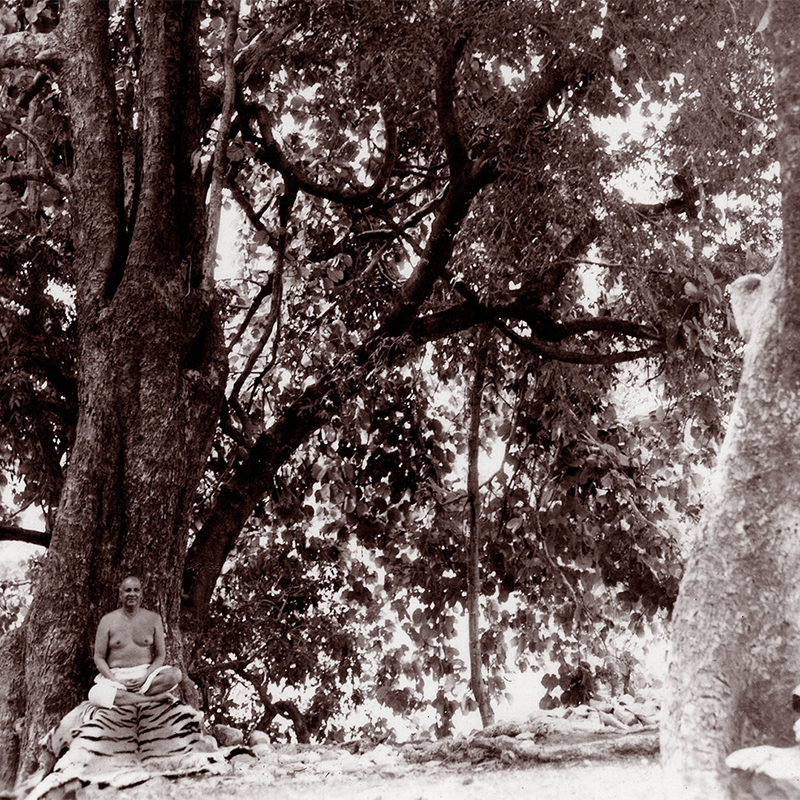
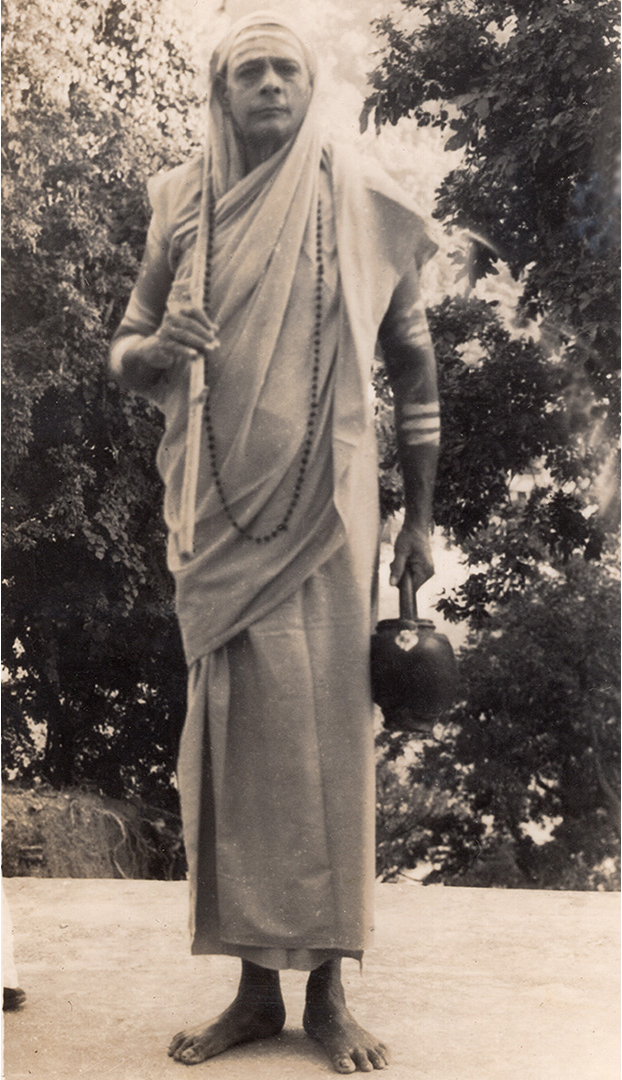
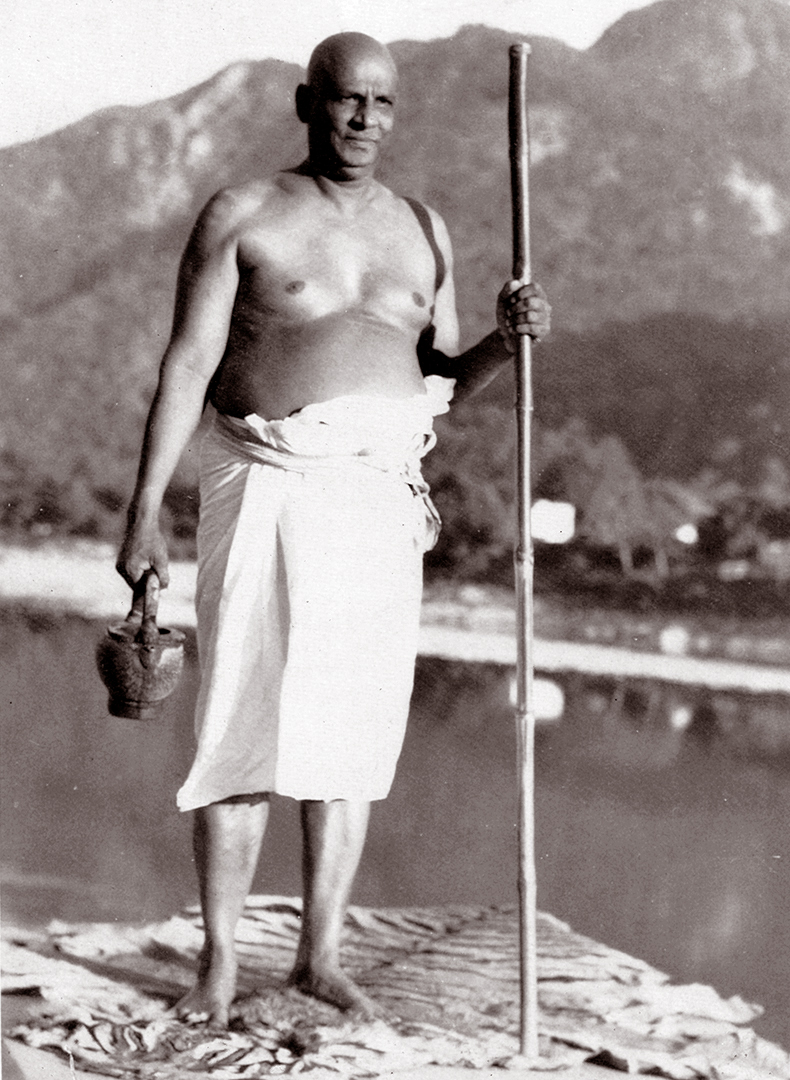
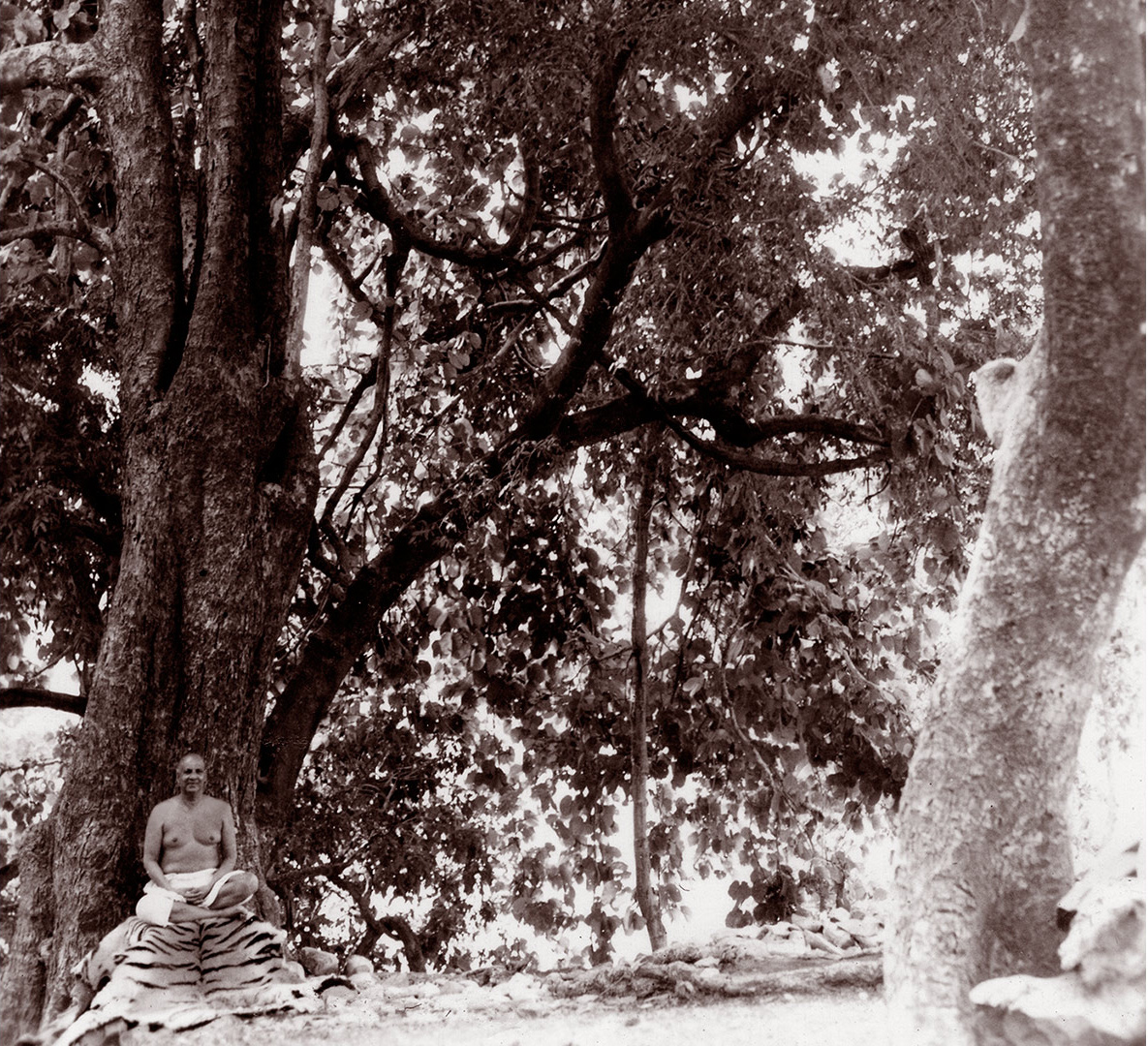
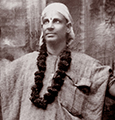
The Young Monk in RishikeshHe continued to live a solitary life but it was hard for others not to notice this wandering young monk. Still, he continued to live simply on his own, and wandeing and meditating in the forest.
-
 See full screen image
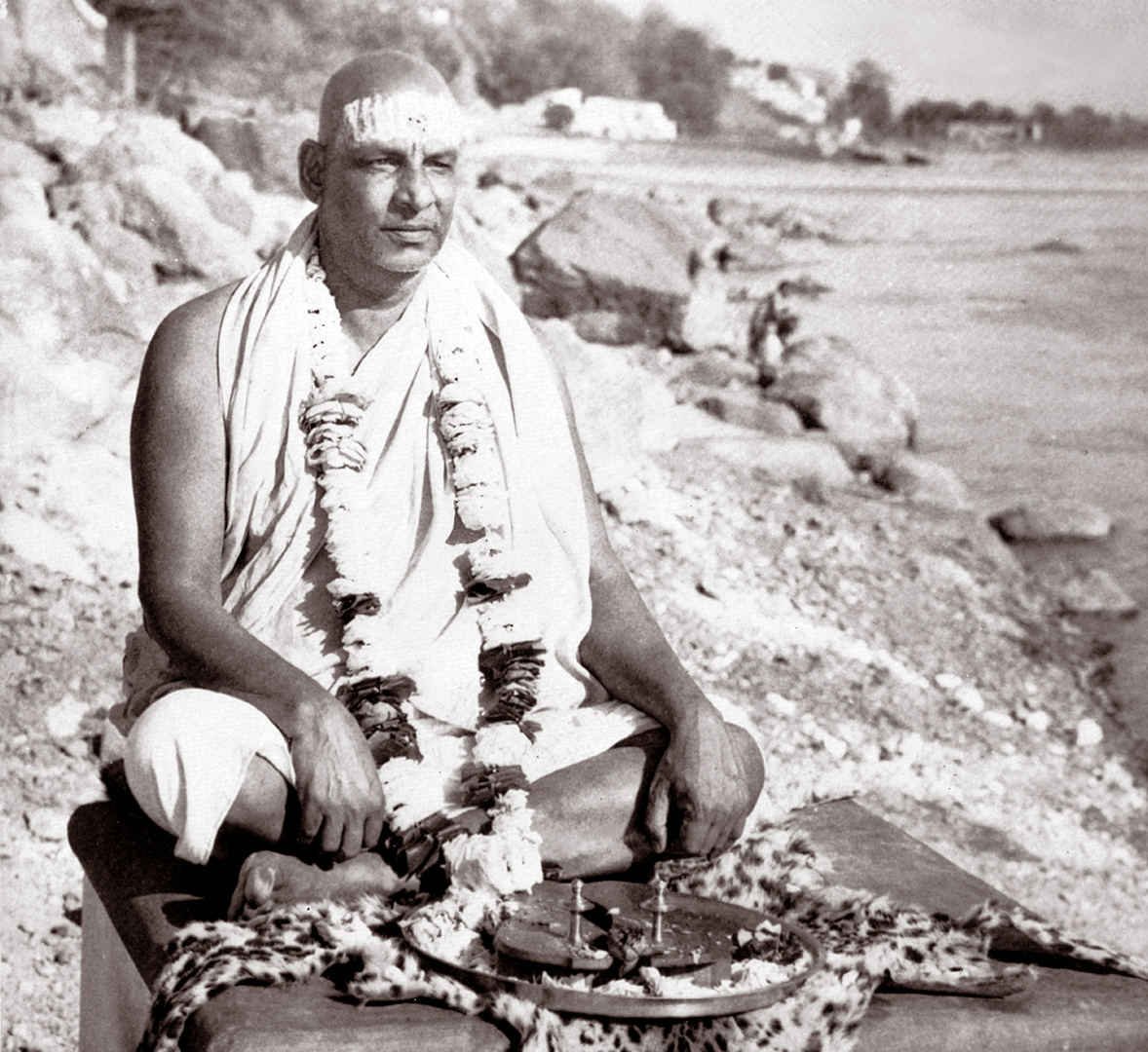
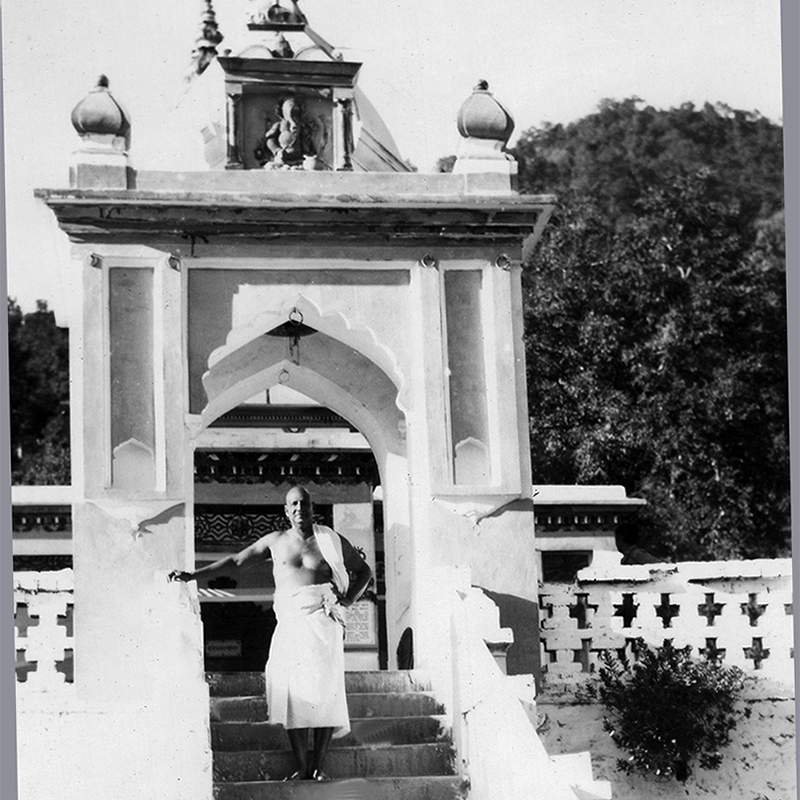
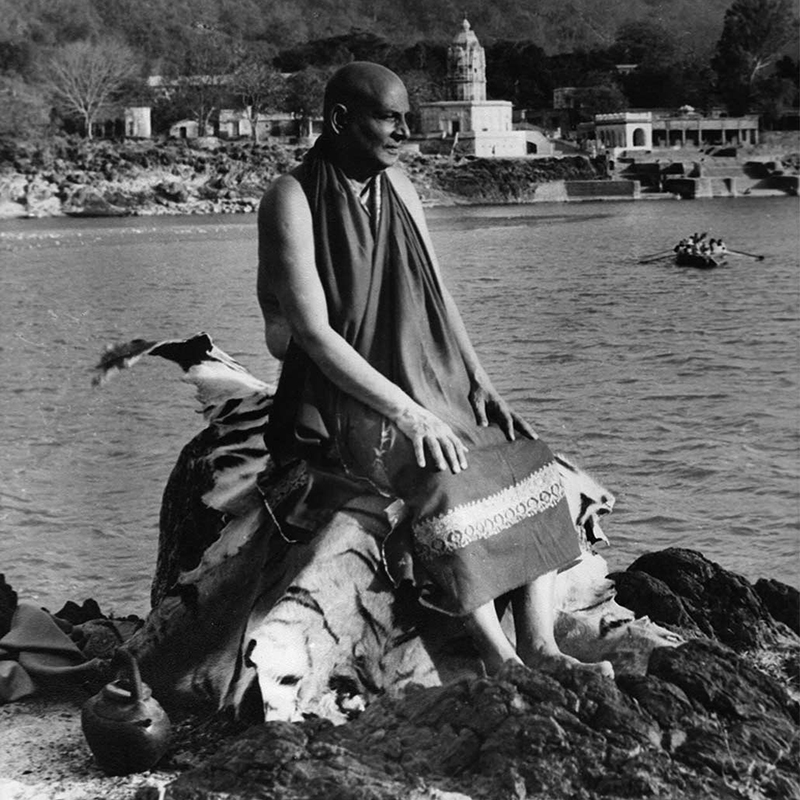
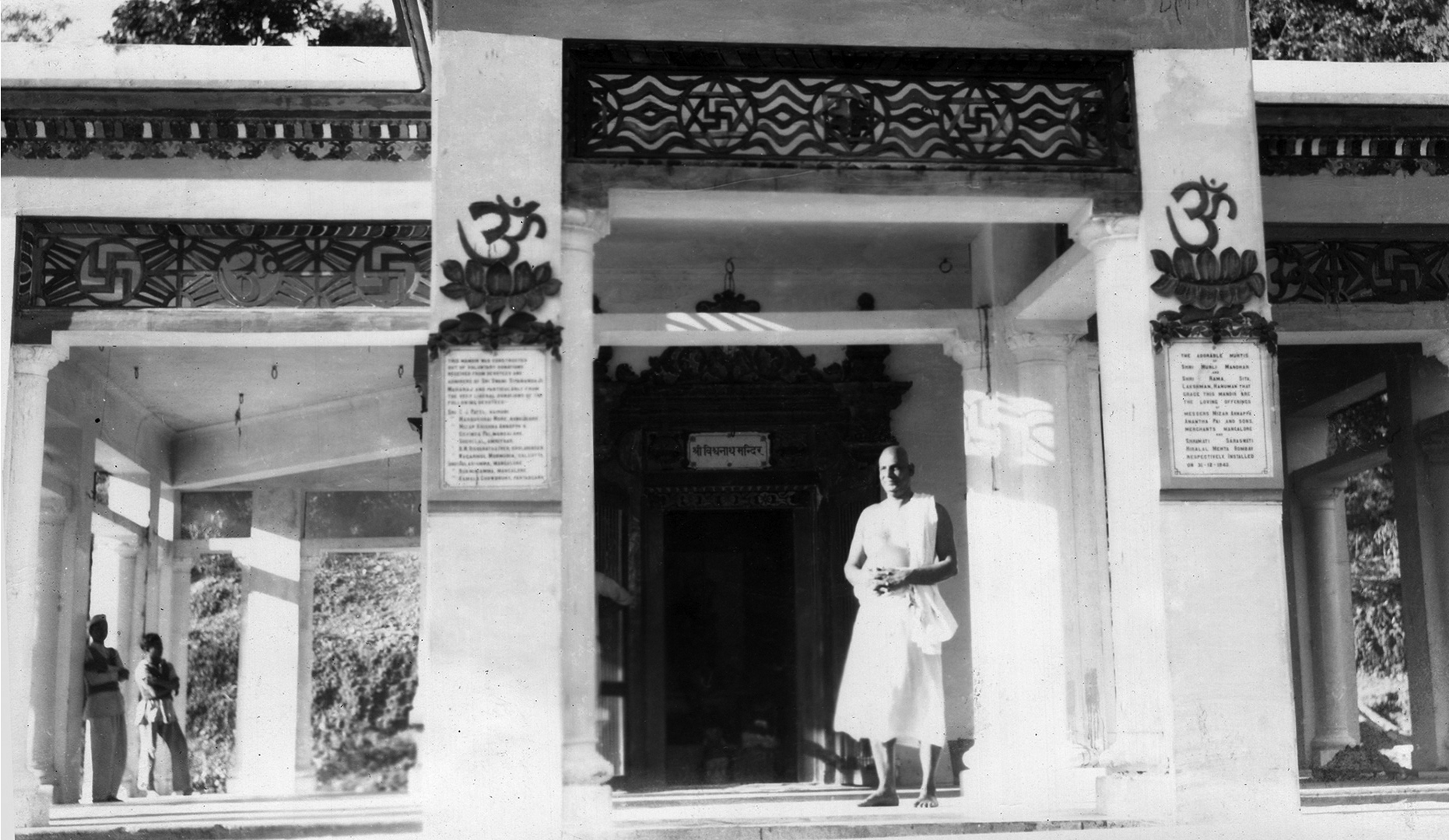
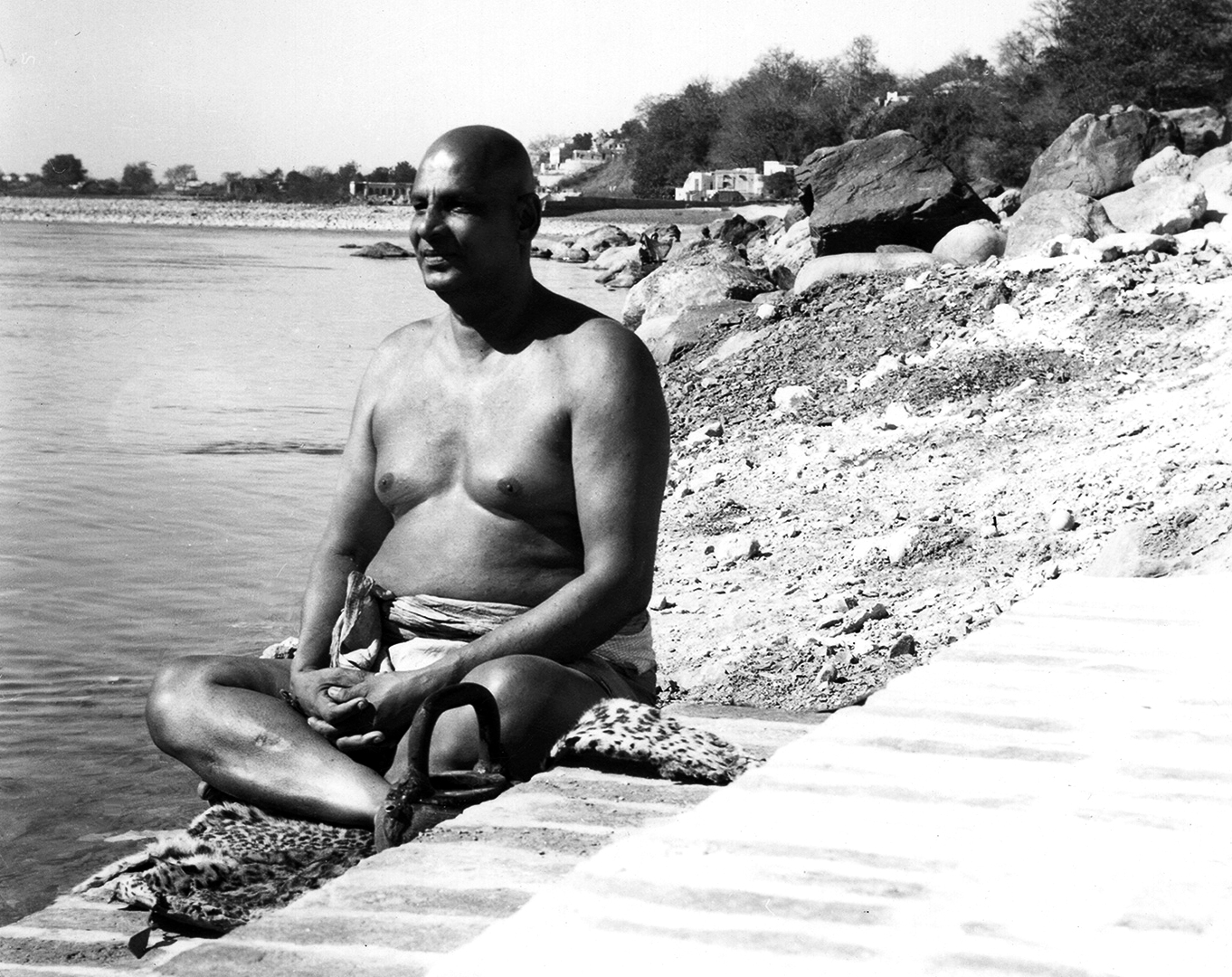
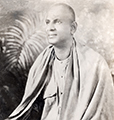
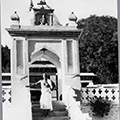
Life on The Ganges River Bank: Swarg AshramThough still persuing a solitary life, he eventually took up residents in Swarg Ashram, where "No Gurus!" were a;;pwed. ,eamomg tjat no residents there were allowed to have disciples.
-
 See full screen image
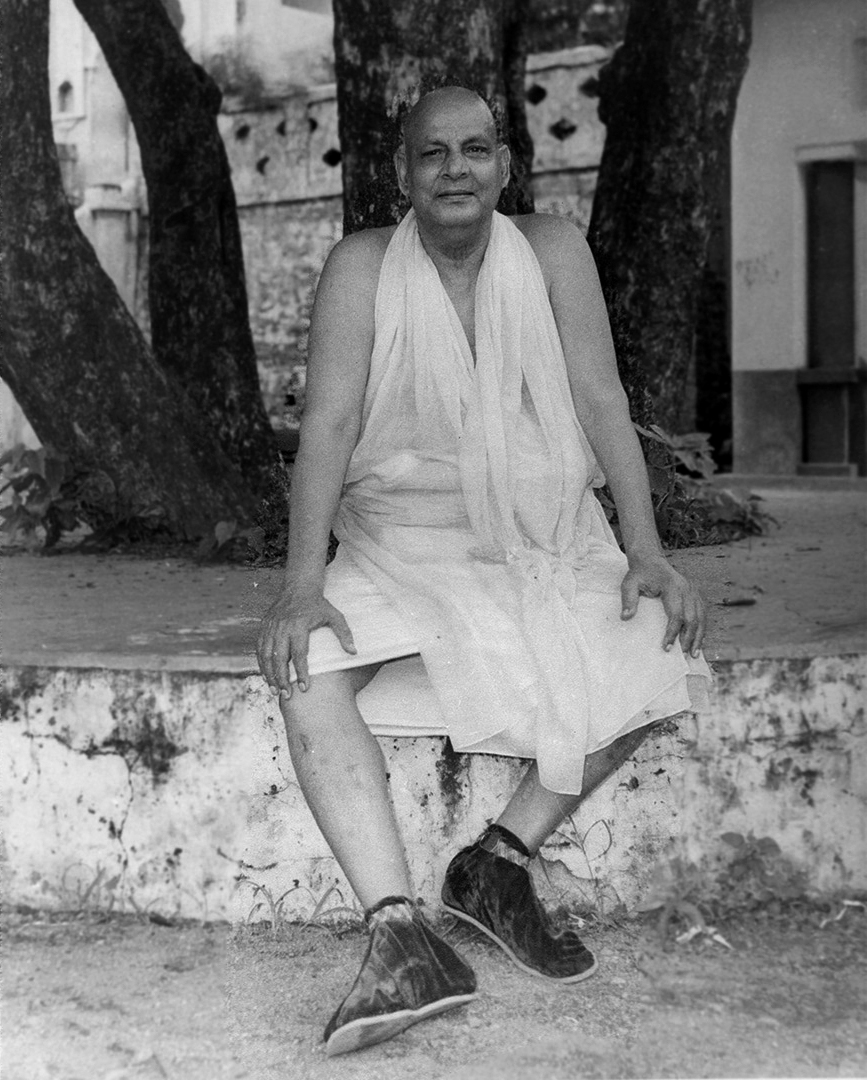
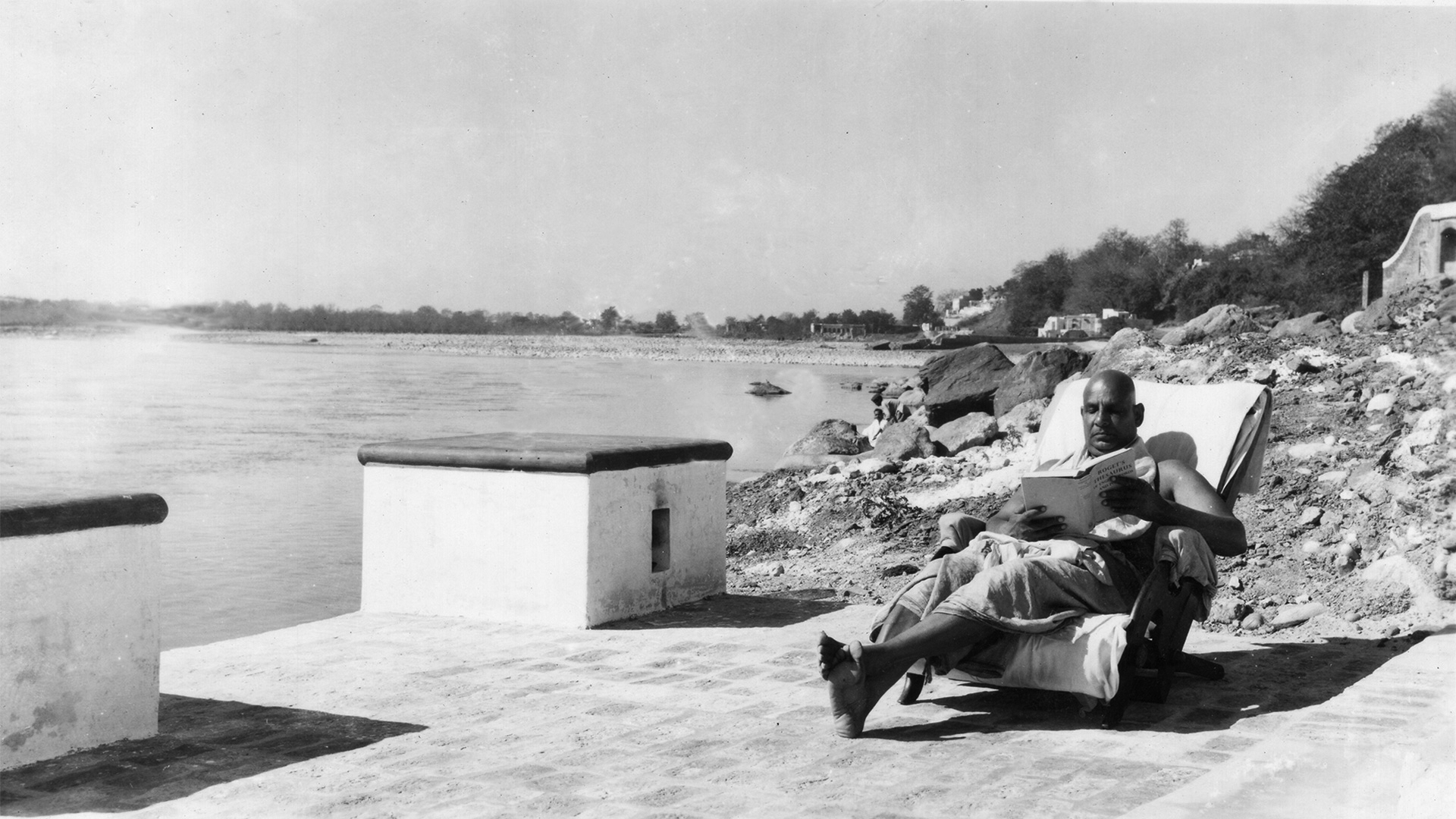
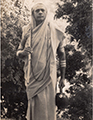
The Self-Suffient Swami.
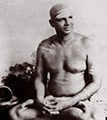
For a time, Swami Sivananda continued to be able to live a a solitary life in the Swarg Ashram. However, as he was no longer wandering off into the forest quite so much, he was beginning to get noticed by others living there. -
 See full screen image
Others Sought His Darshan.
As it was hard not to notice the dynamic yogi trying to live a life of solitude, a throng of monks sought his darshan, and sat outside his small kutir, waiting for him to appear each morning. While he was not seeking any attention or any sort of following on his own, it became evident that the monk was attracting a growing group of devotees who following his every move. And as the policy at Swarg was not to allow residents to have followers even unsought, Swami Sivananda was forced by this growing phenomenon to pick himself up and move out of Swarg, cross the Ganges river, and settle on on the opposite bank in what was to later become "The Sivananda Ashram", later known as "The Divine Life Society."
-
 See full screen image
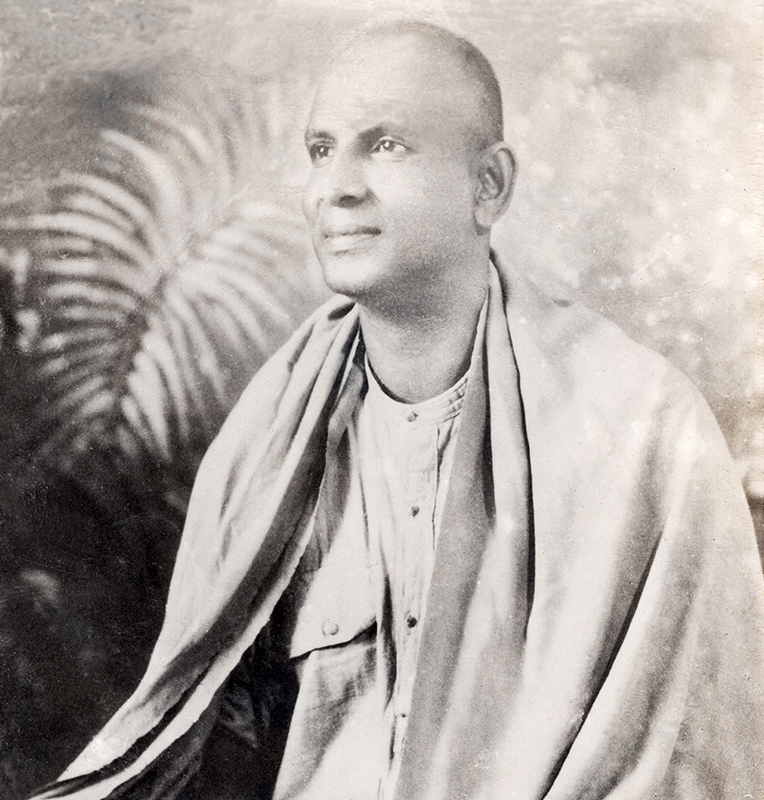
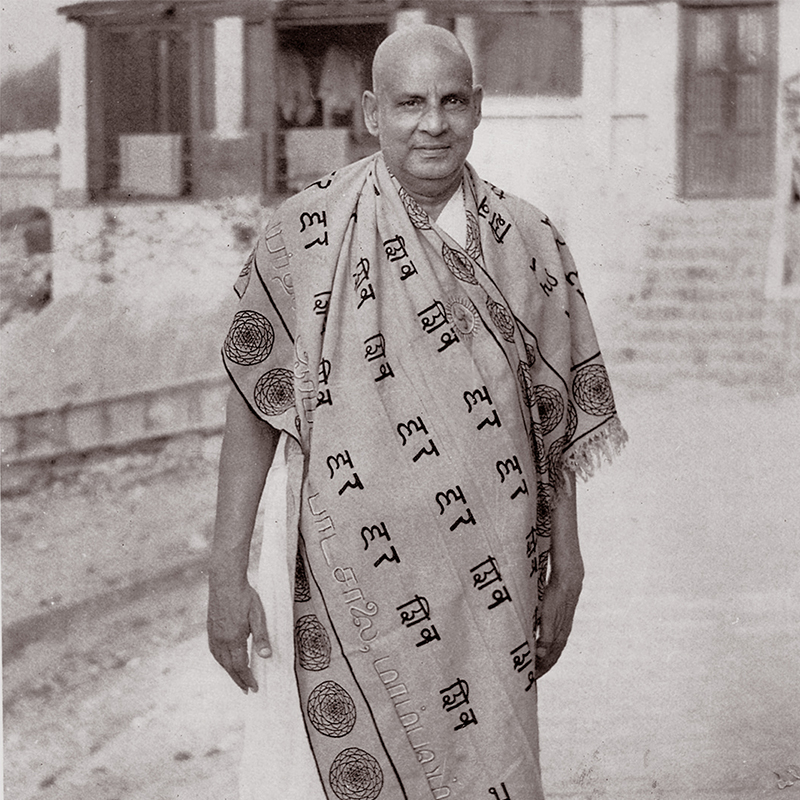
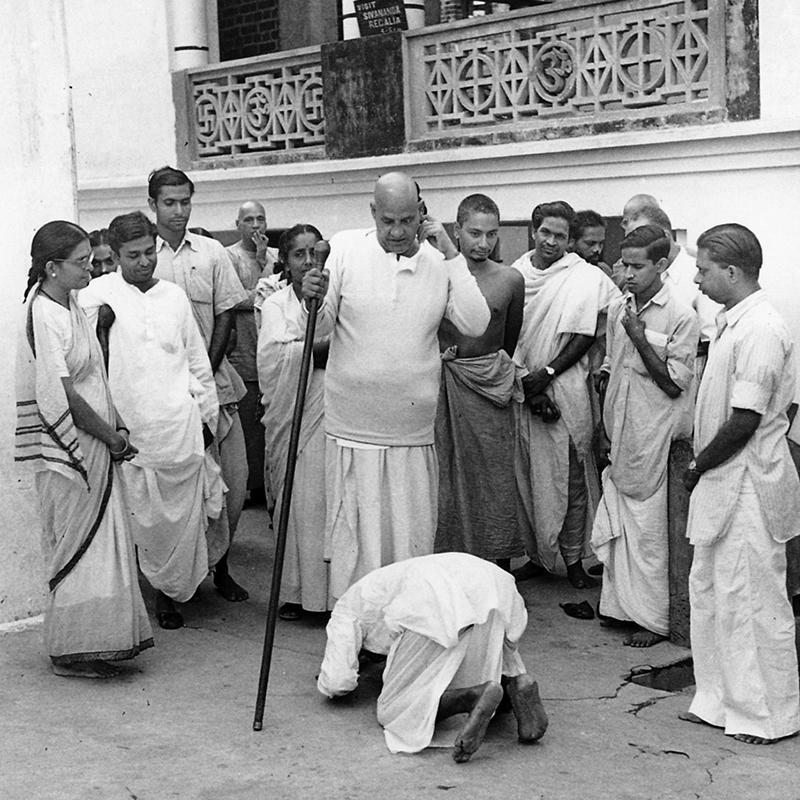
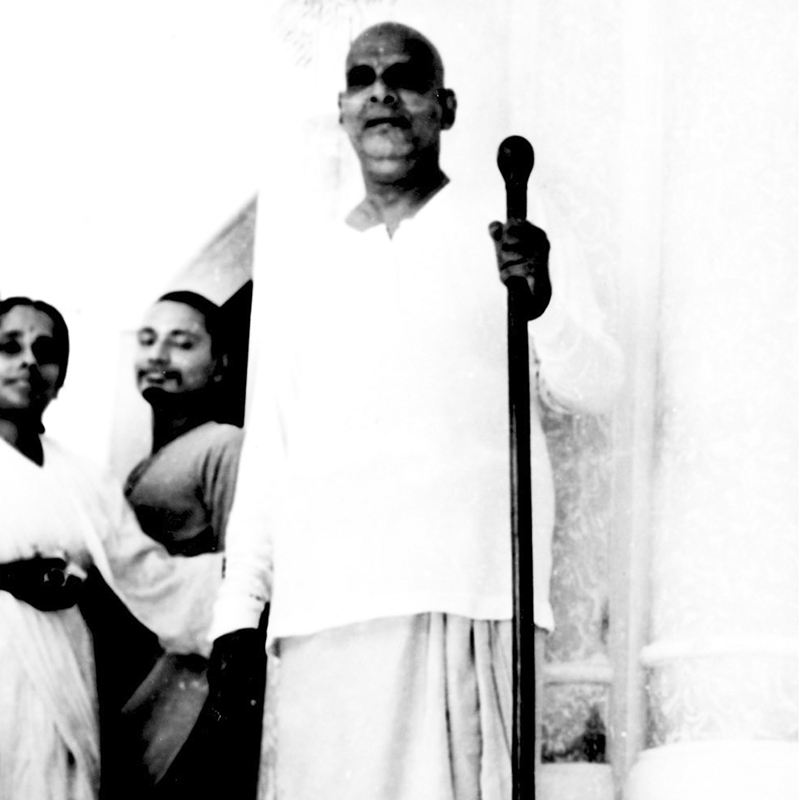
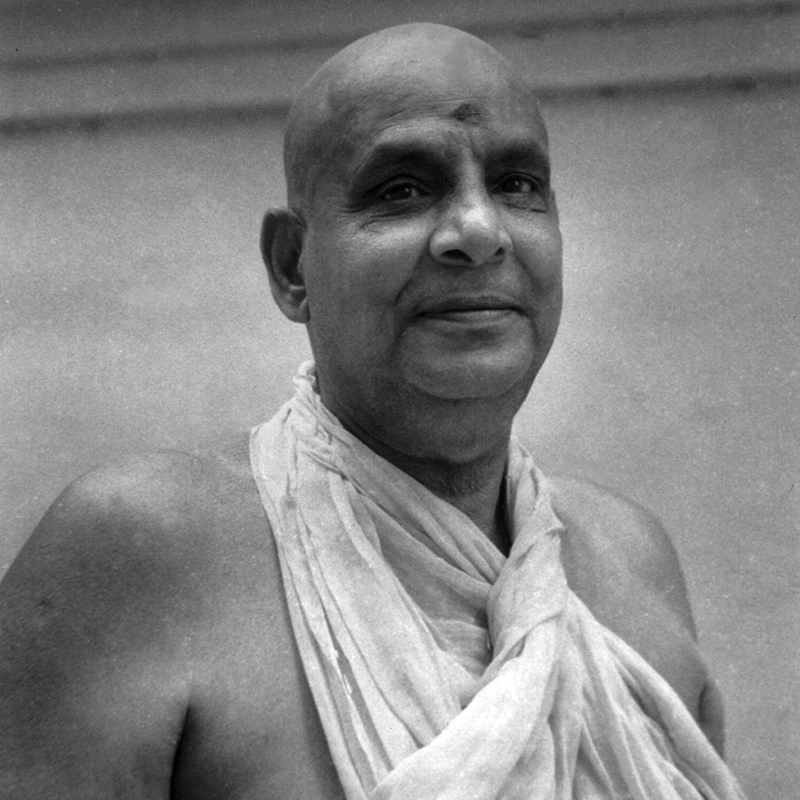
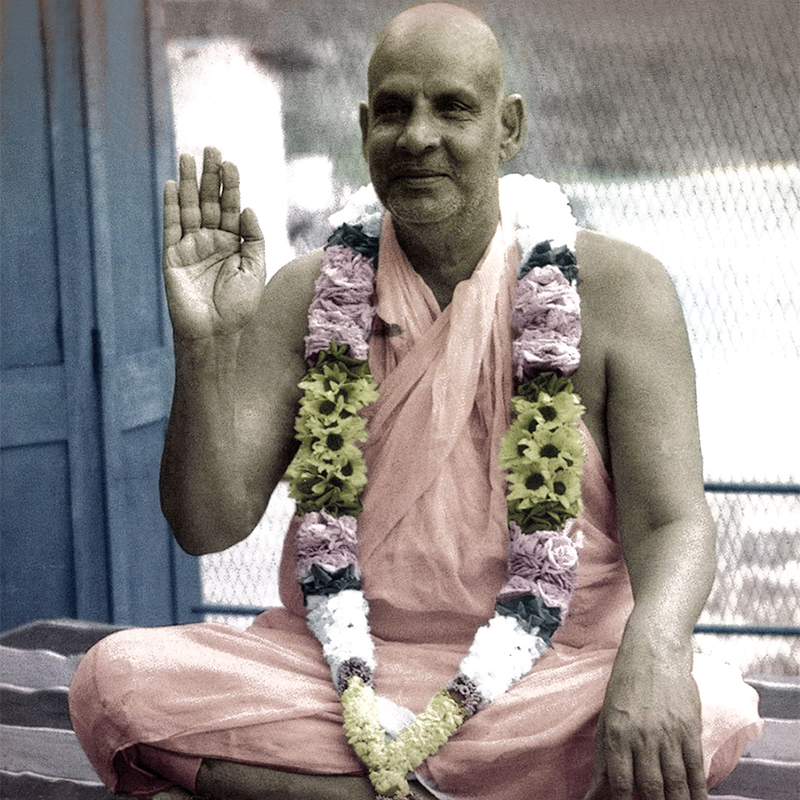
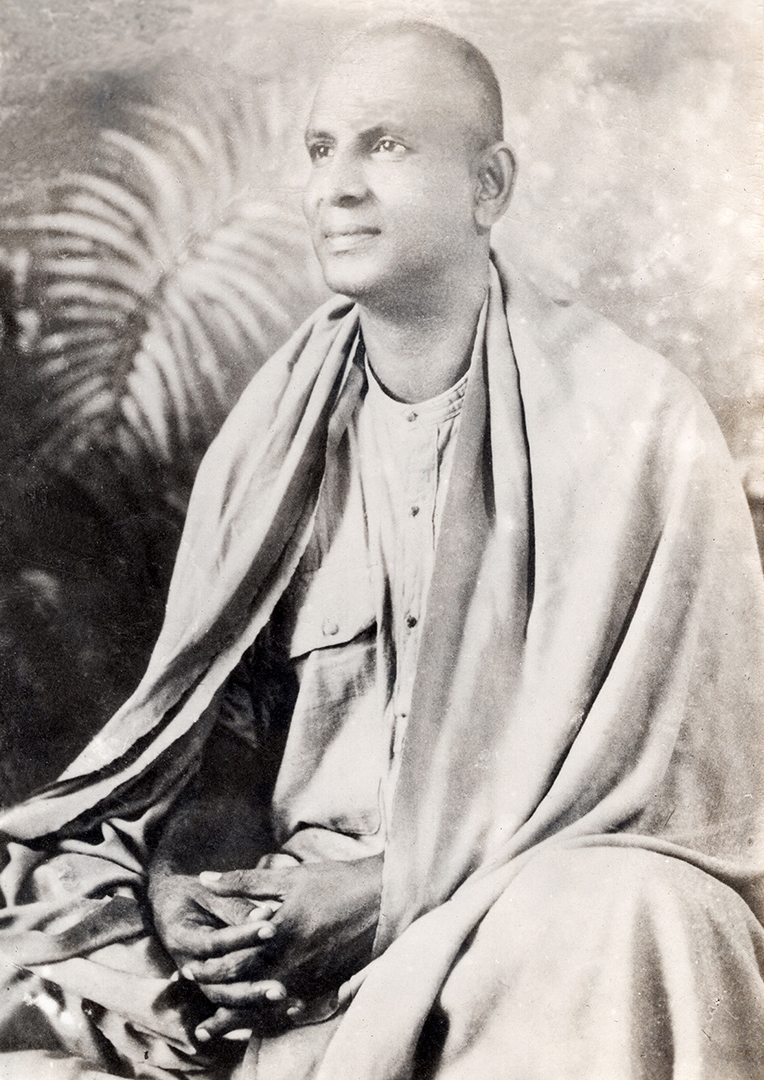
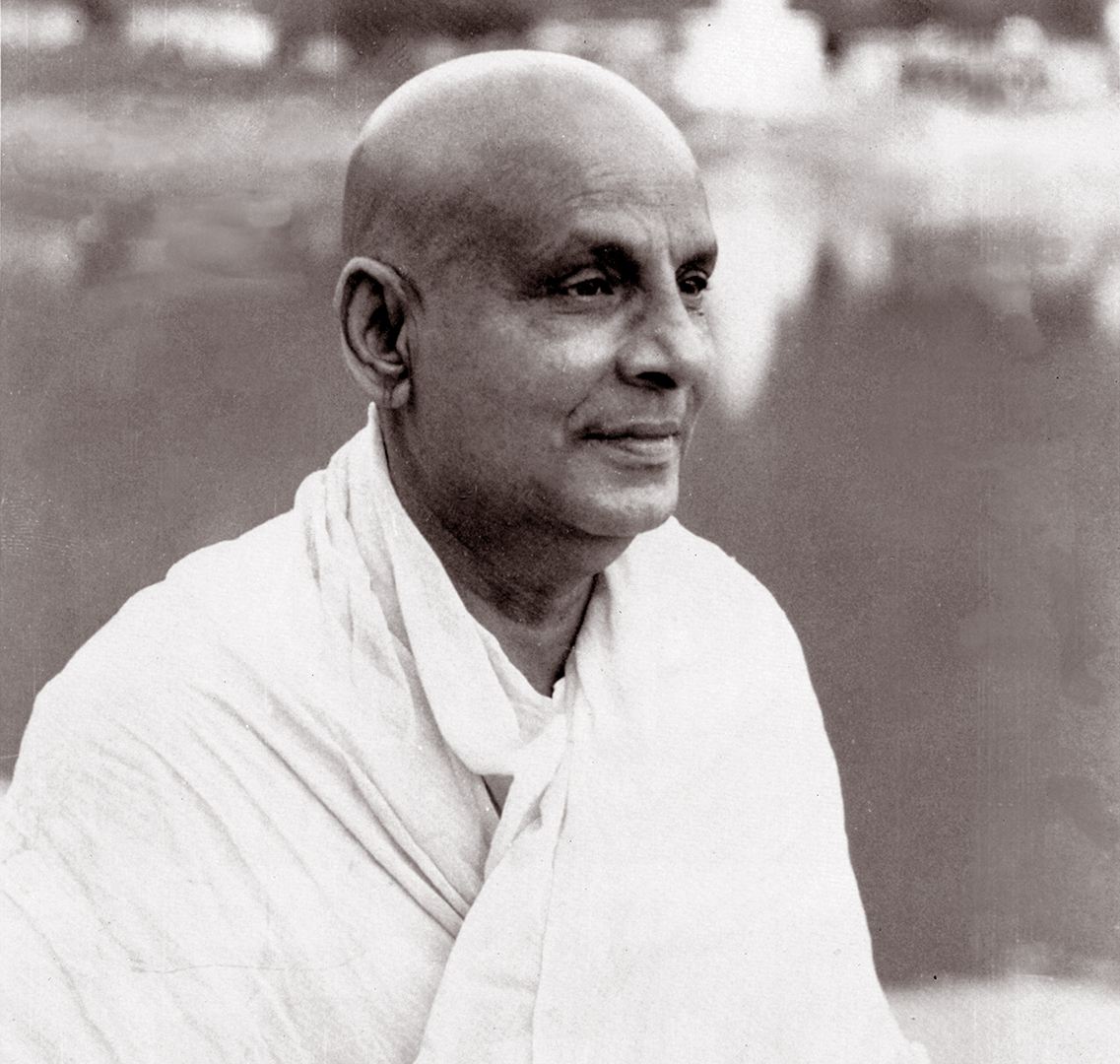
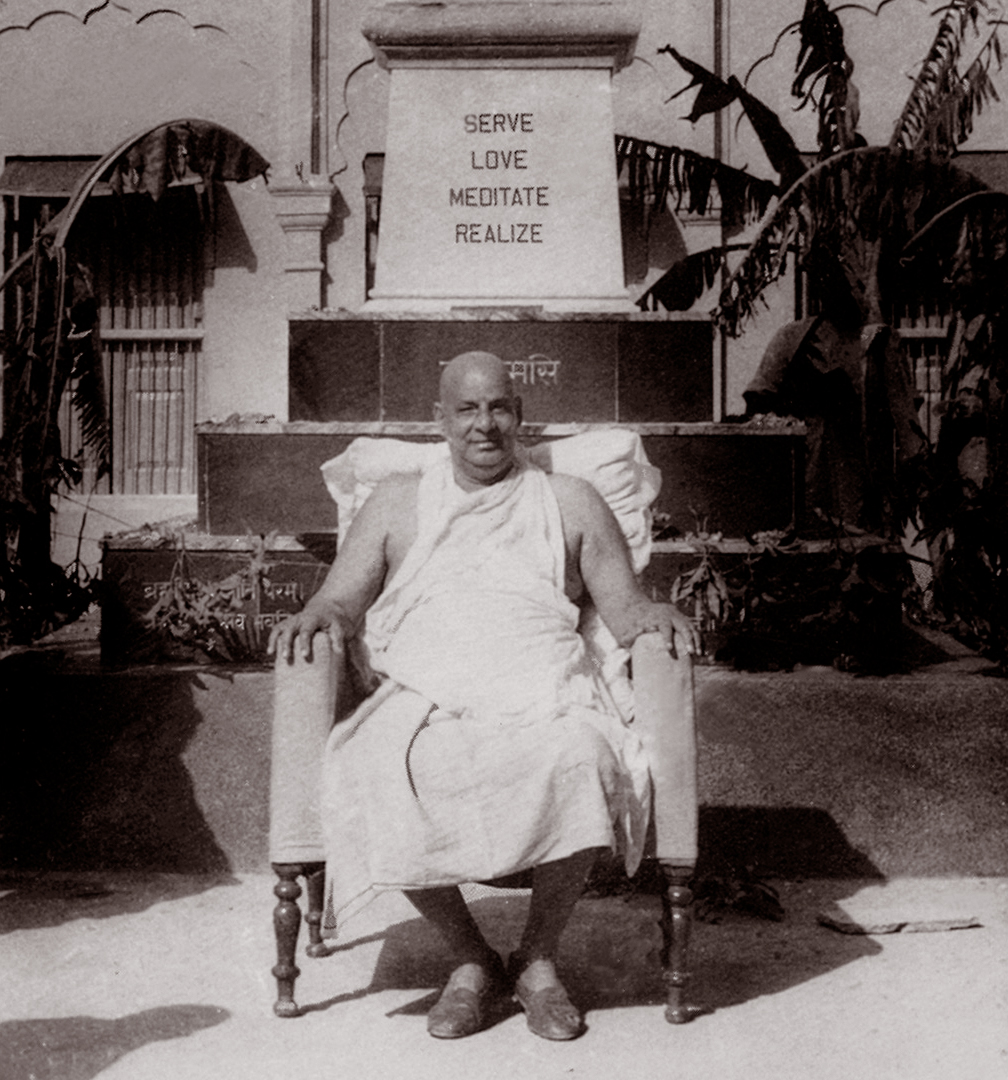
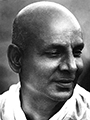
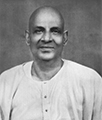
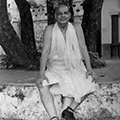
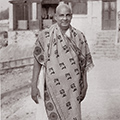
Sivananda regarded humility and compassion as the most essential hallmarks of yogi, and he taught as much the best possible way, by example.
-
-
-
-
 See full screen image
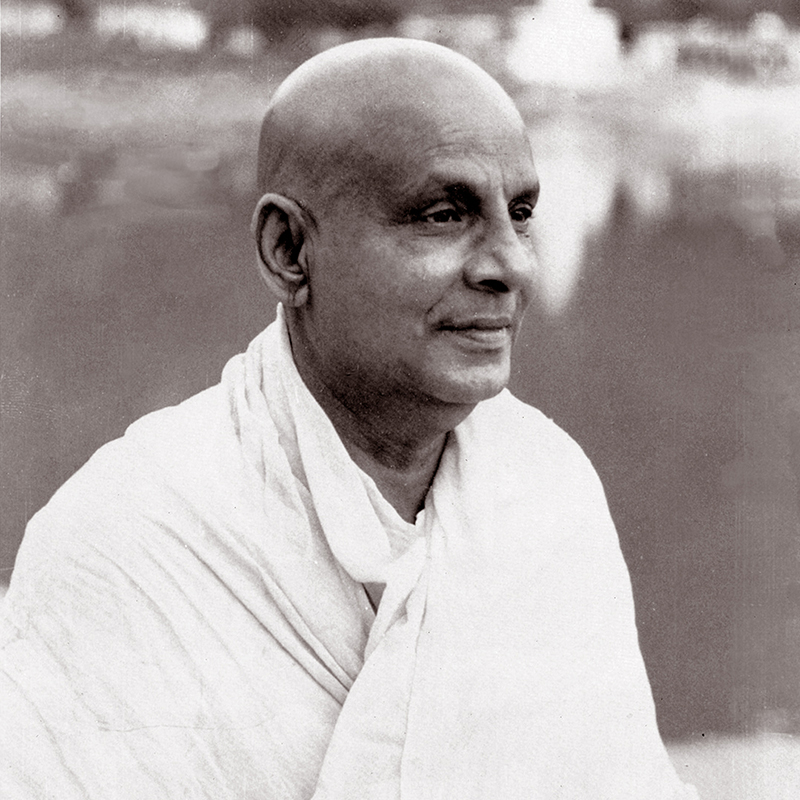
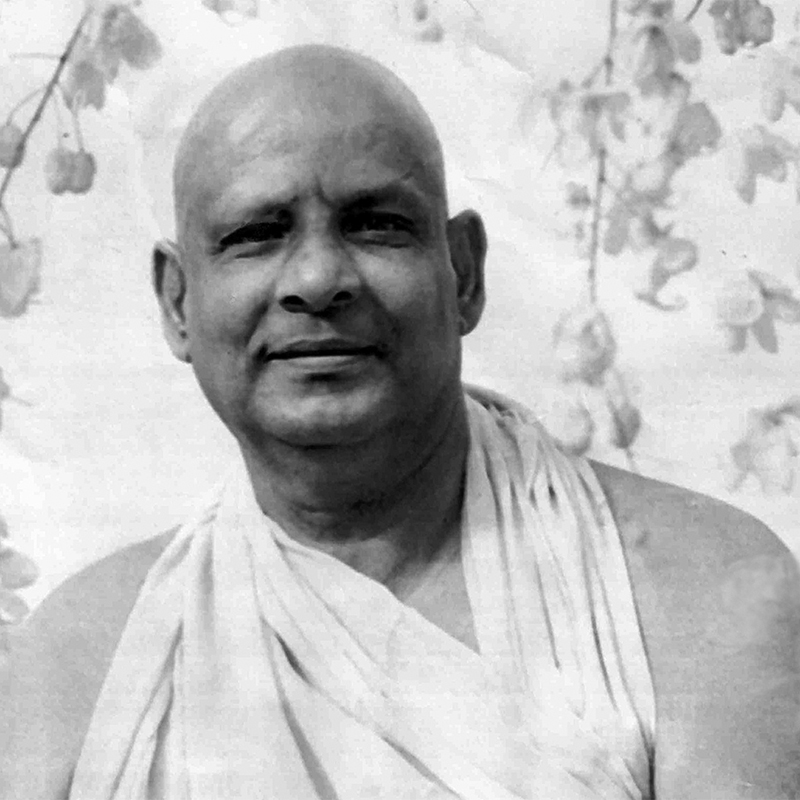
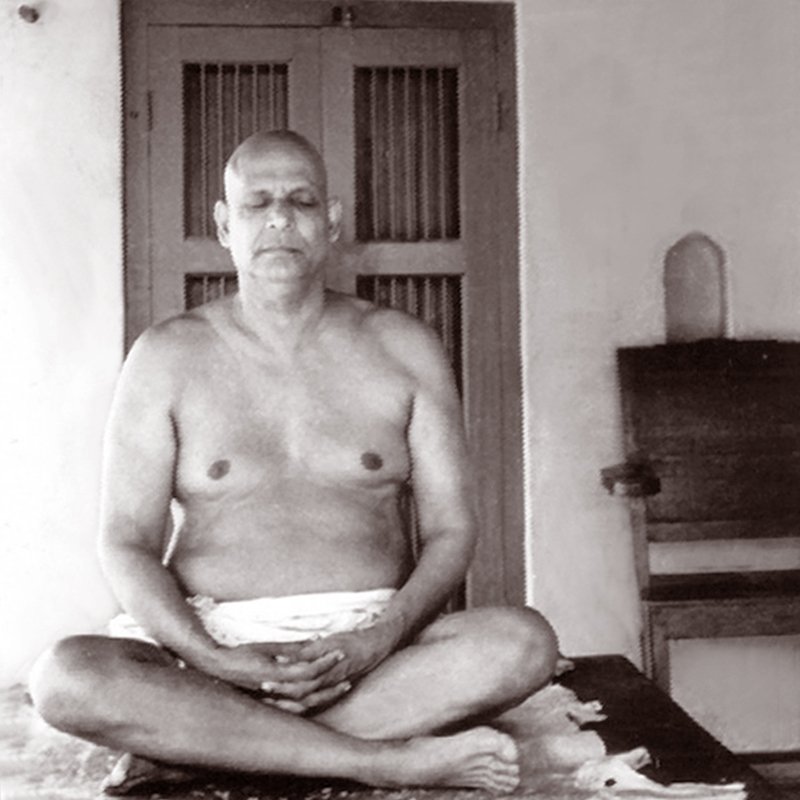
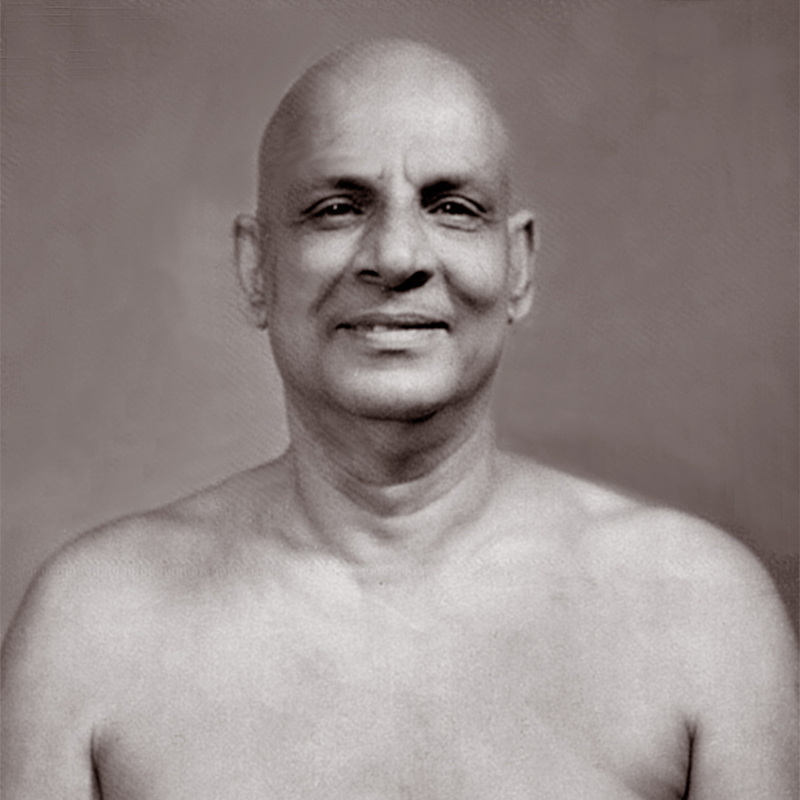
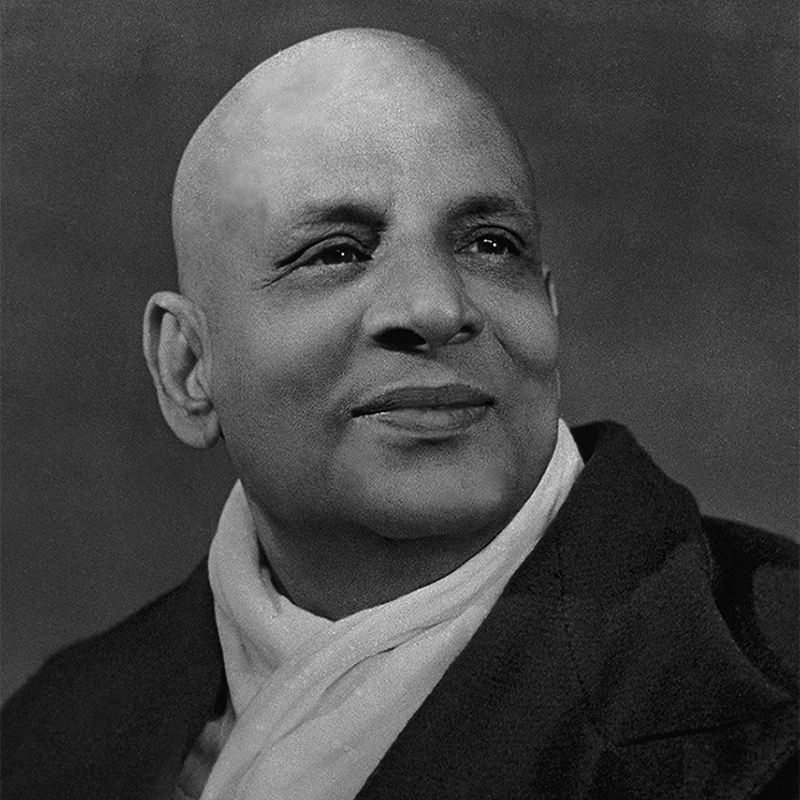
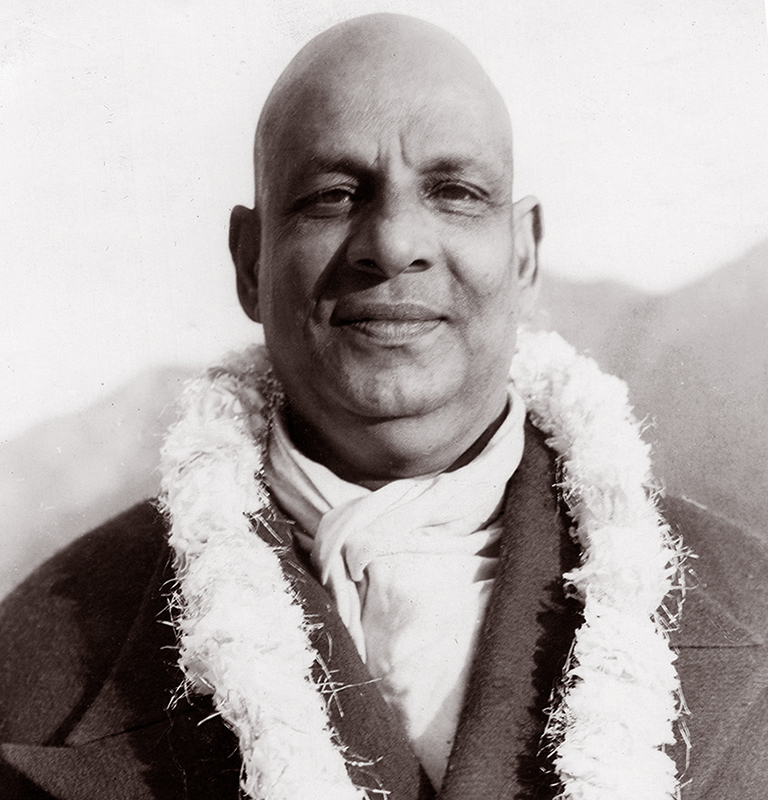
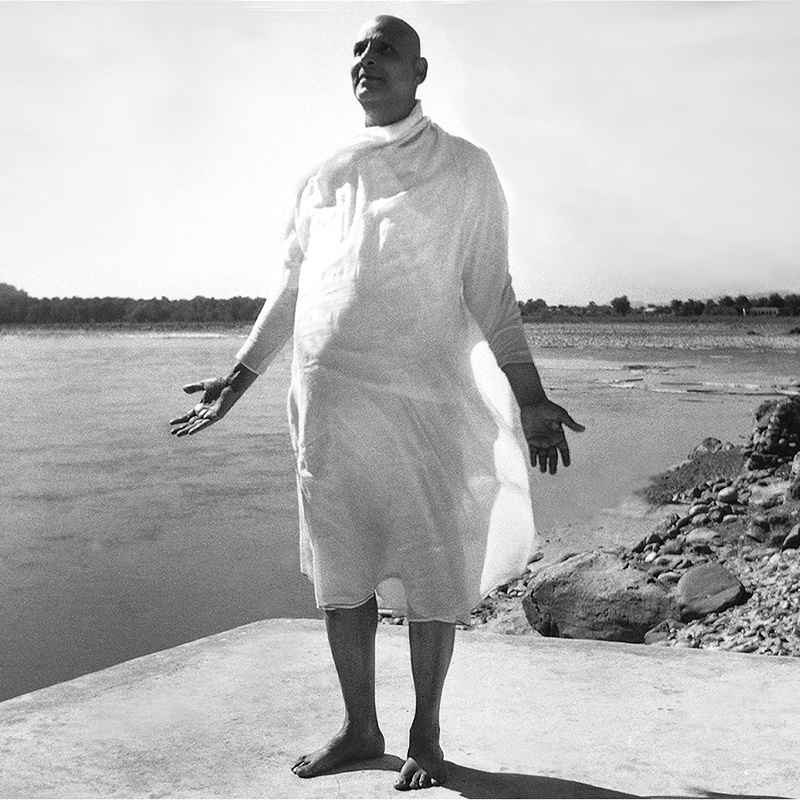
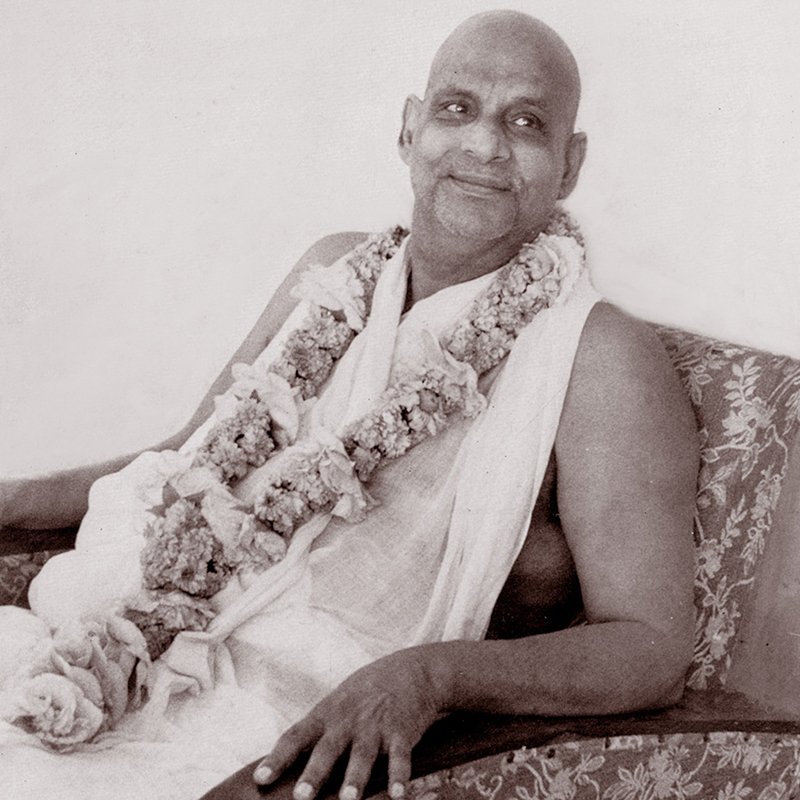
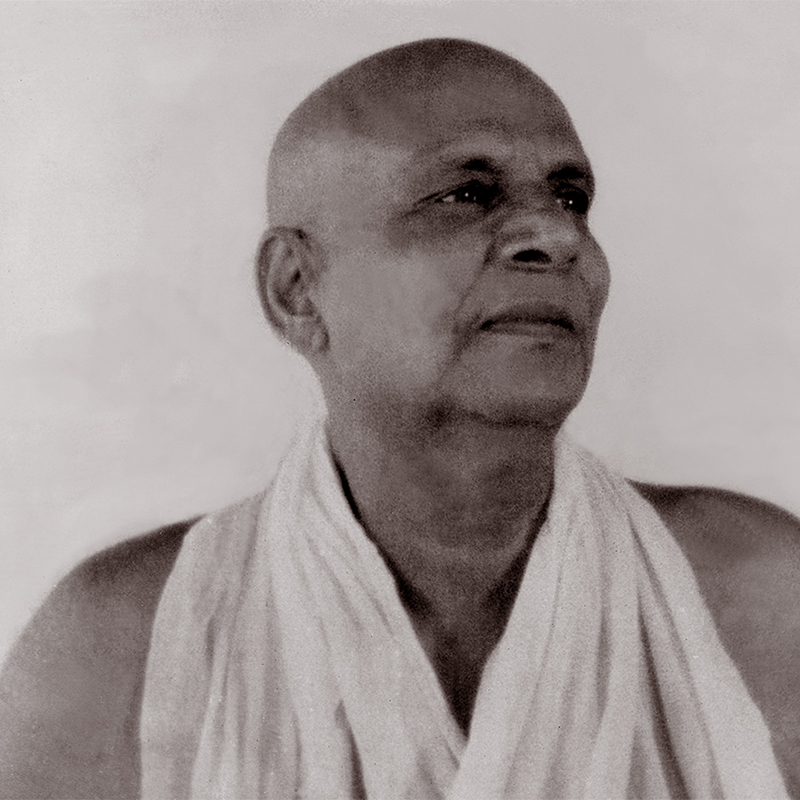
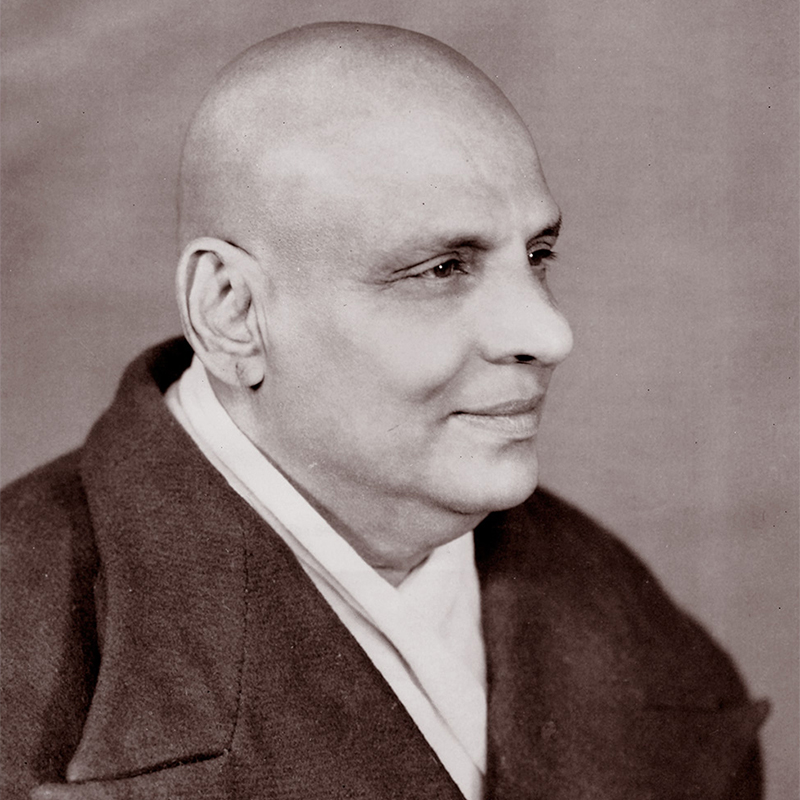
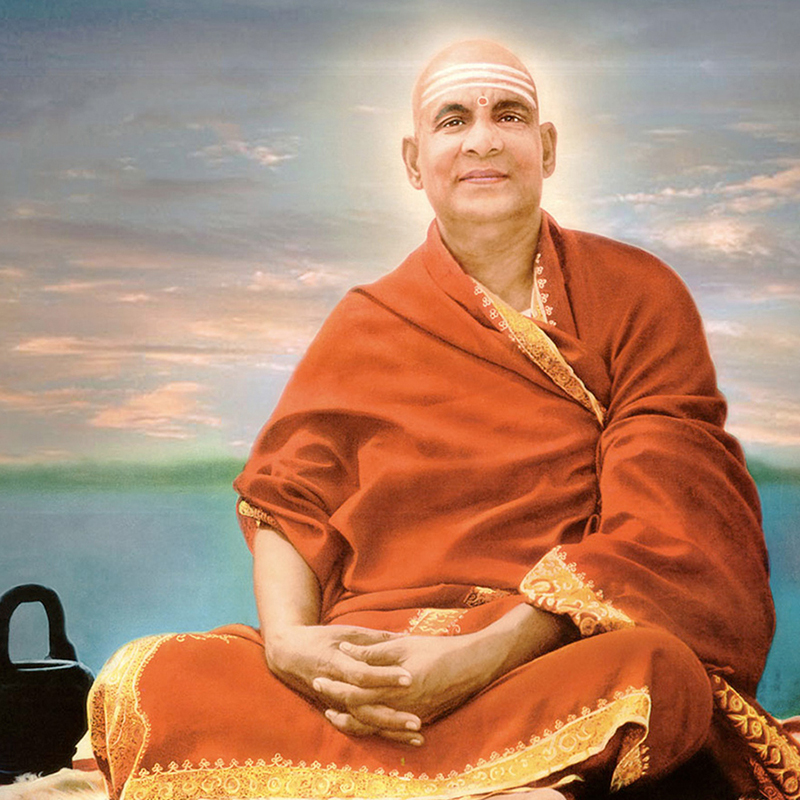
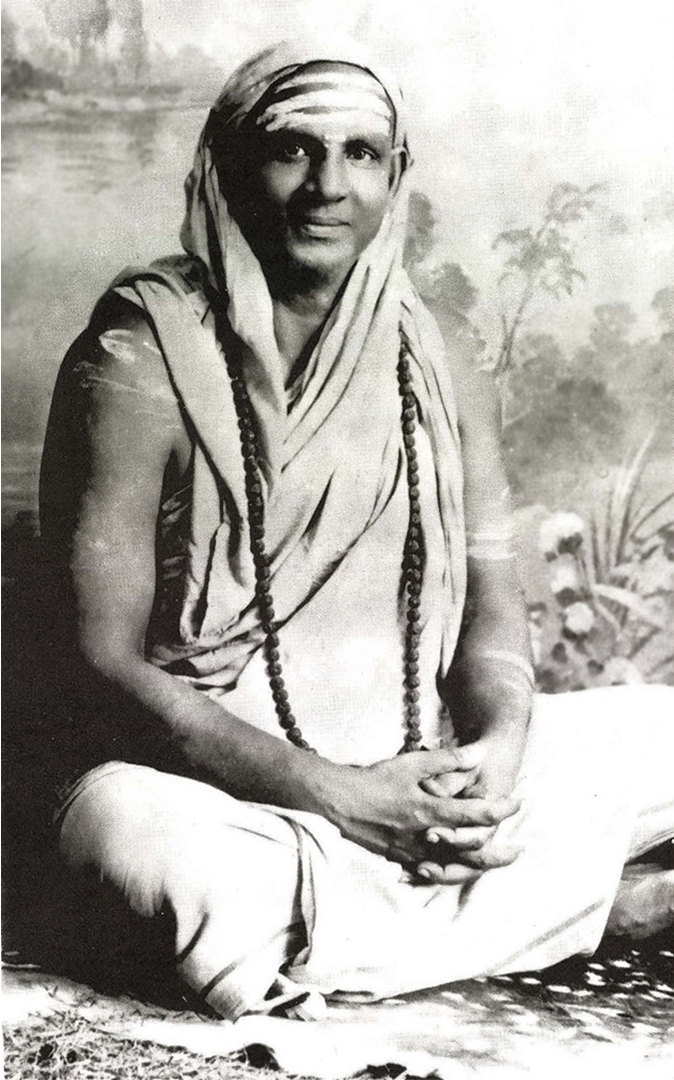
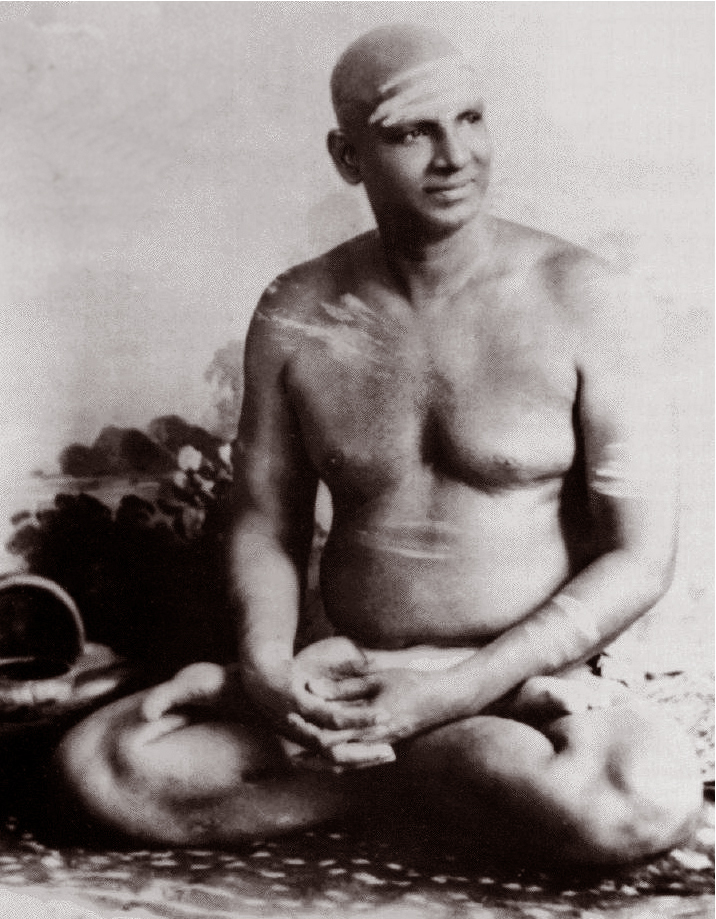
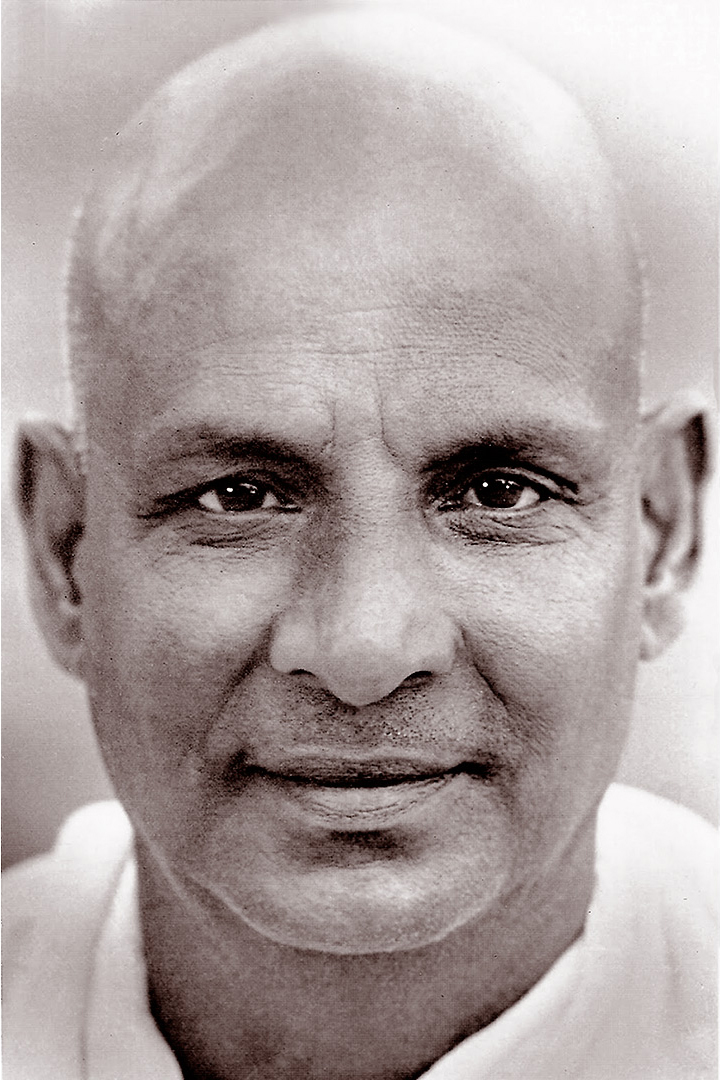
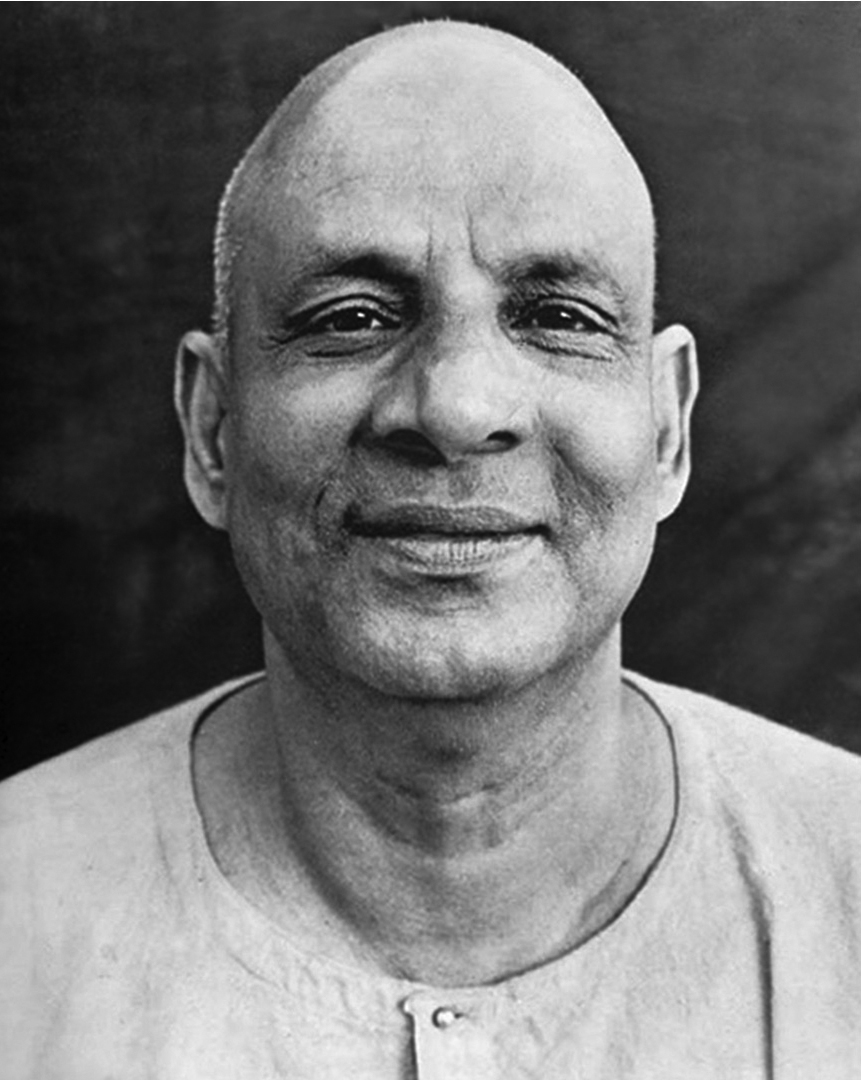
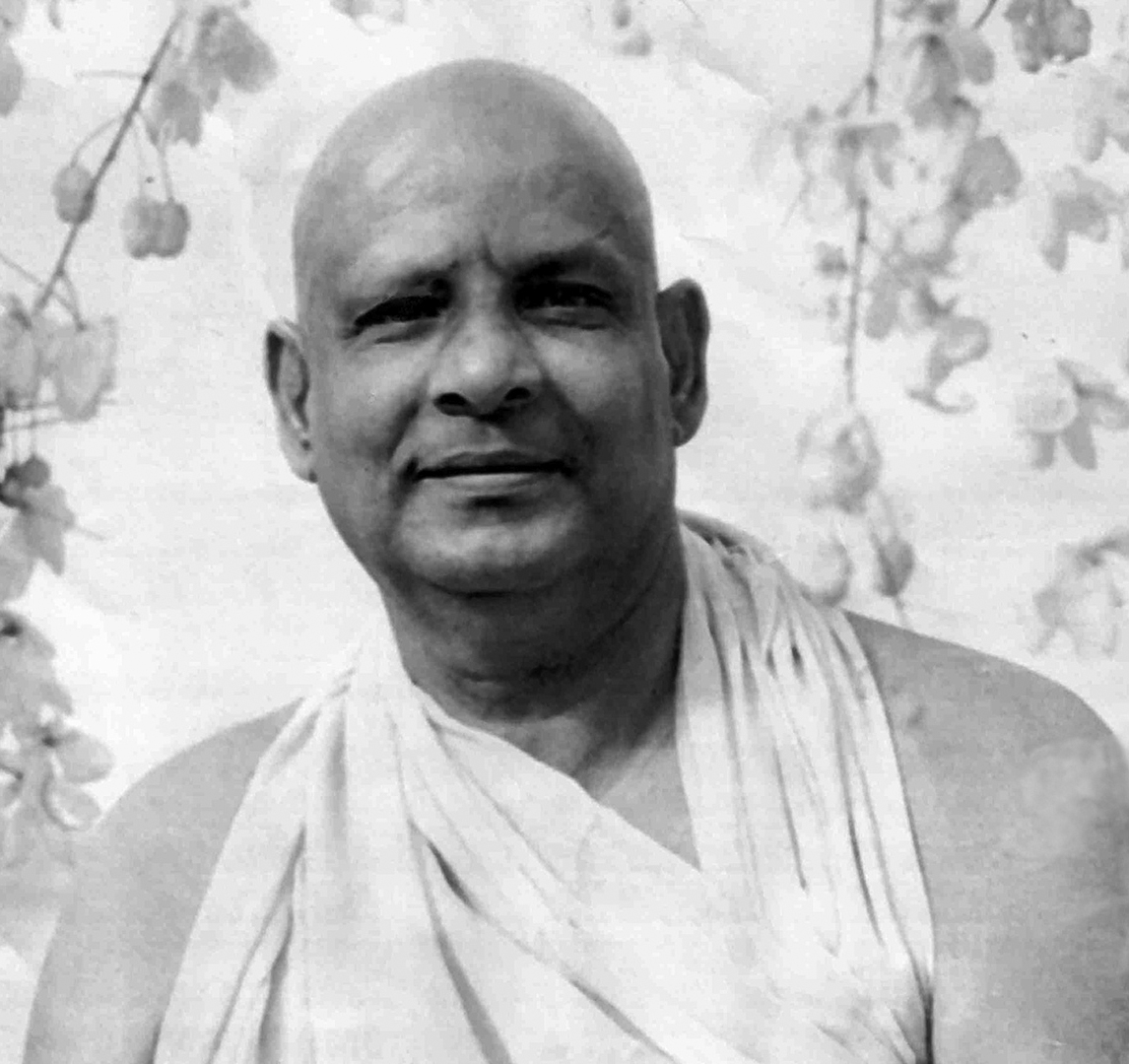
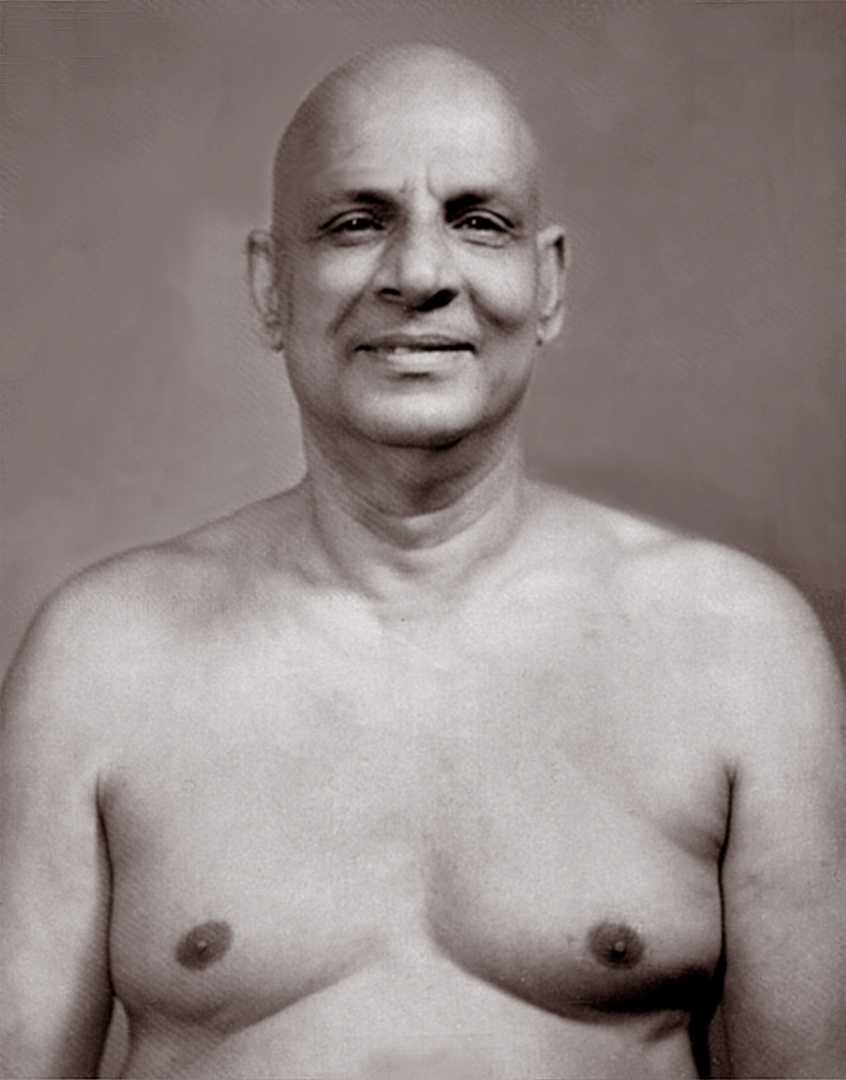
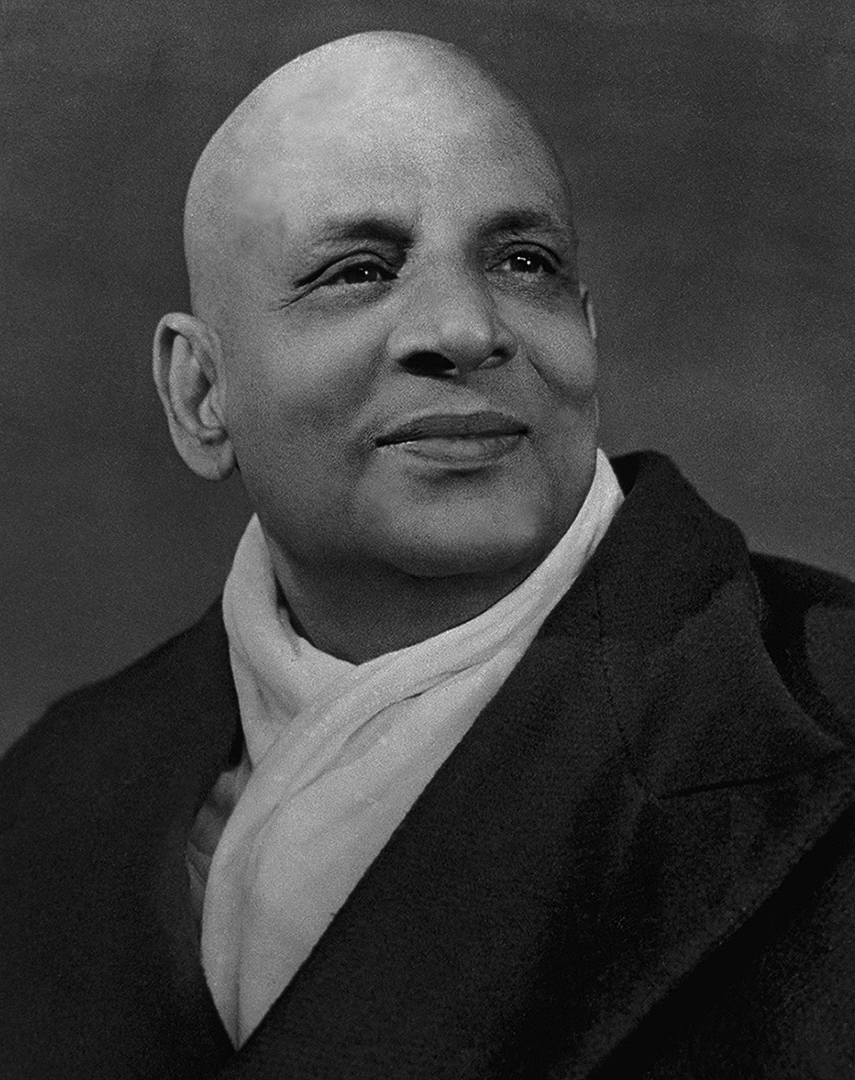
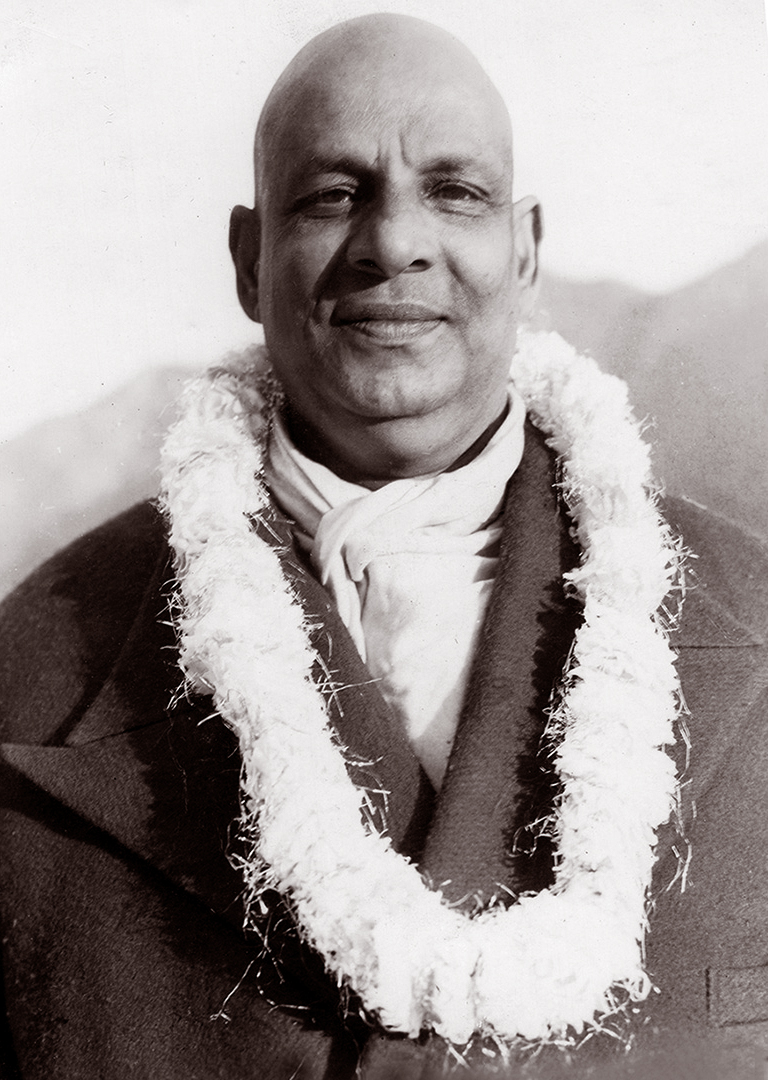
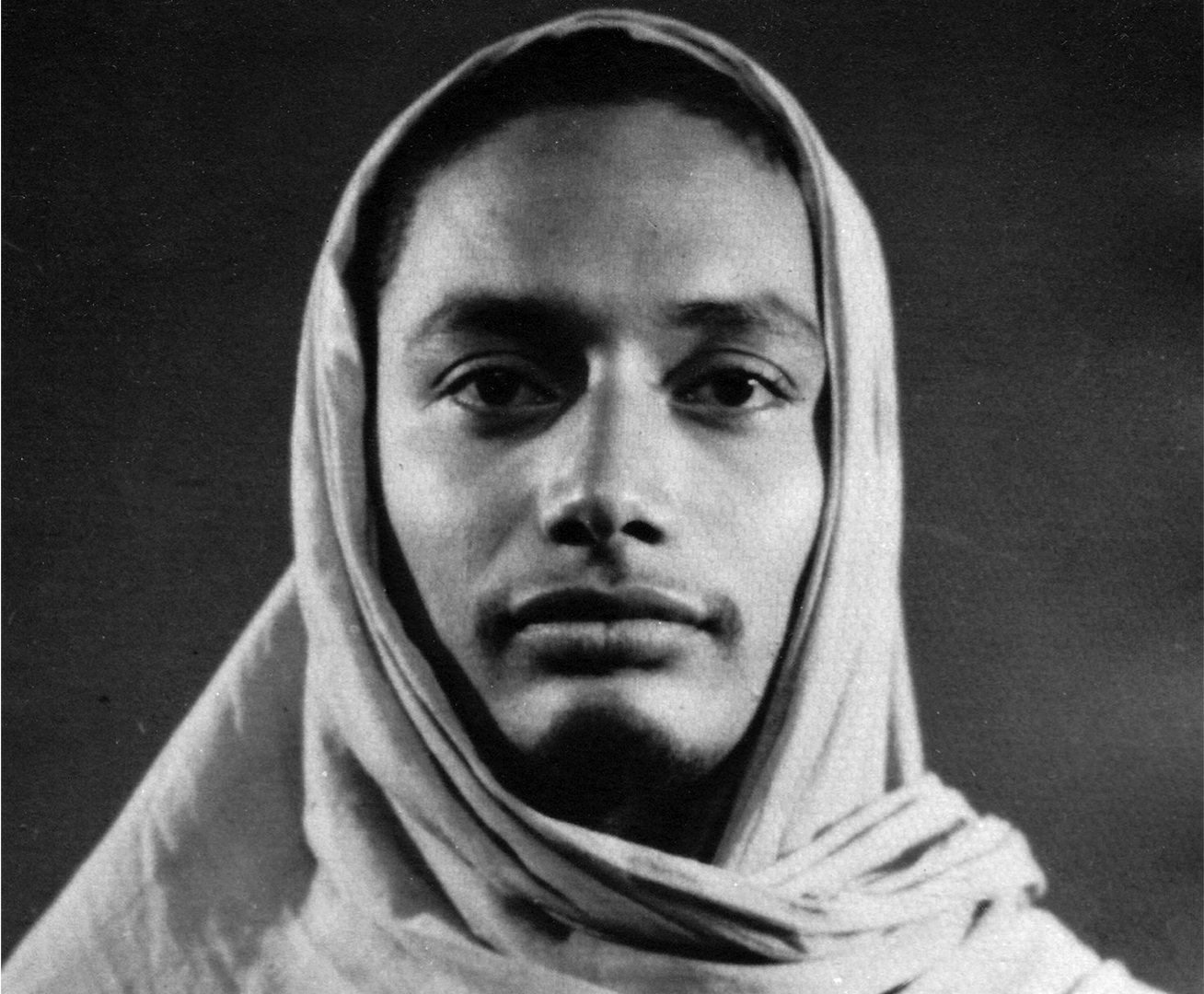
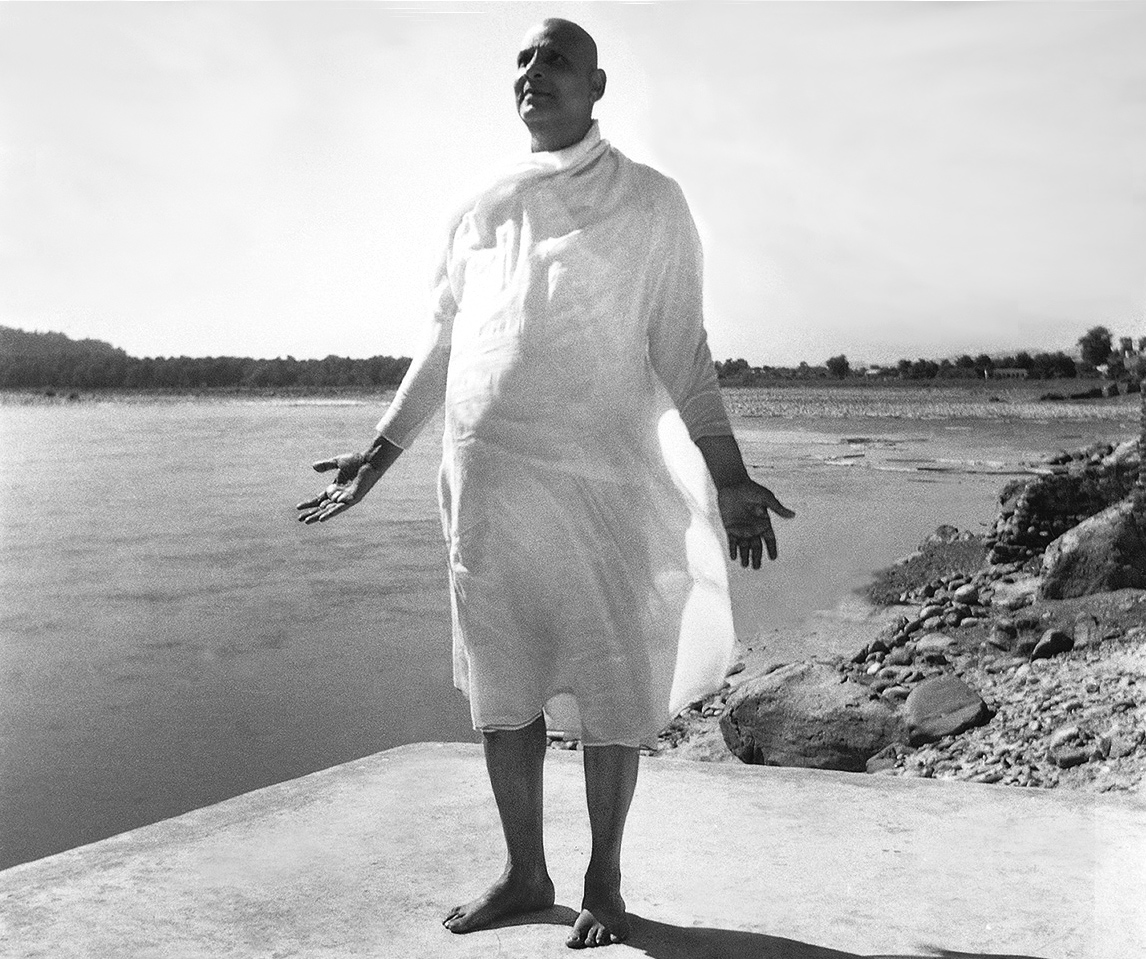
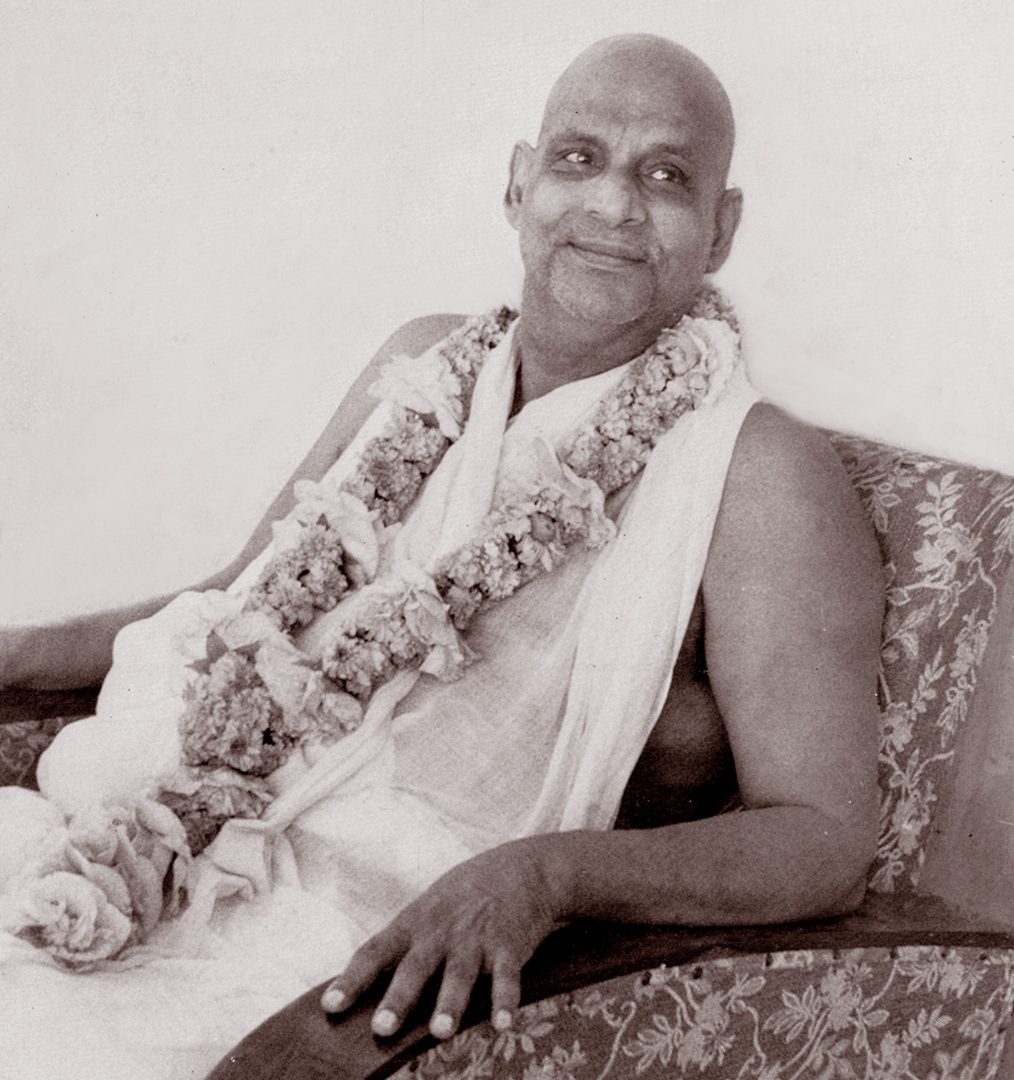
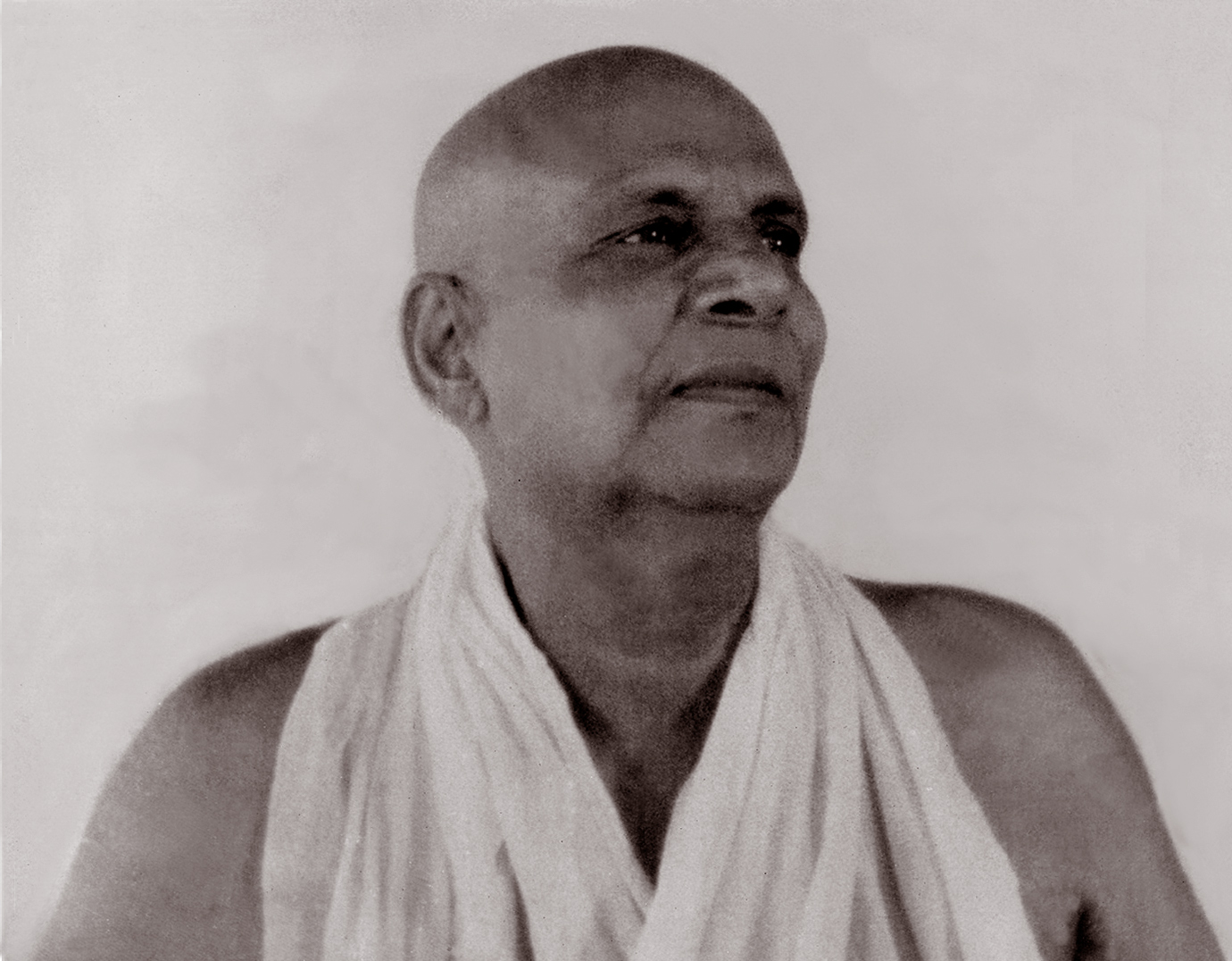
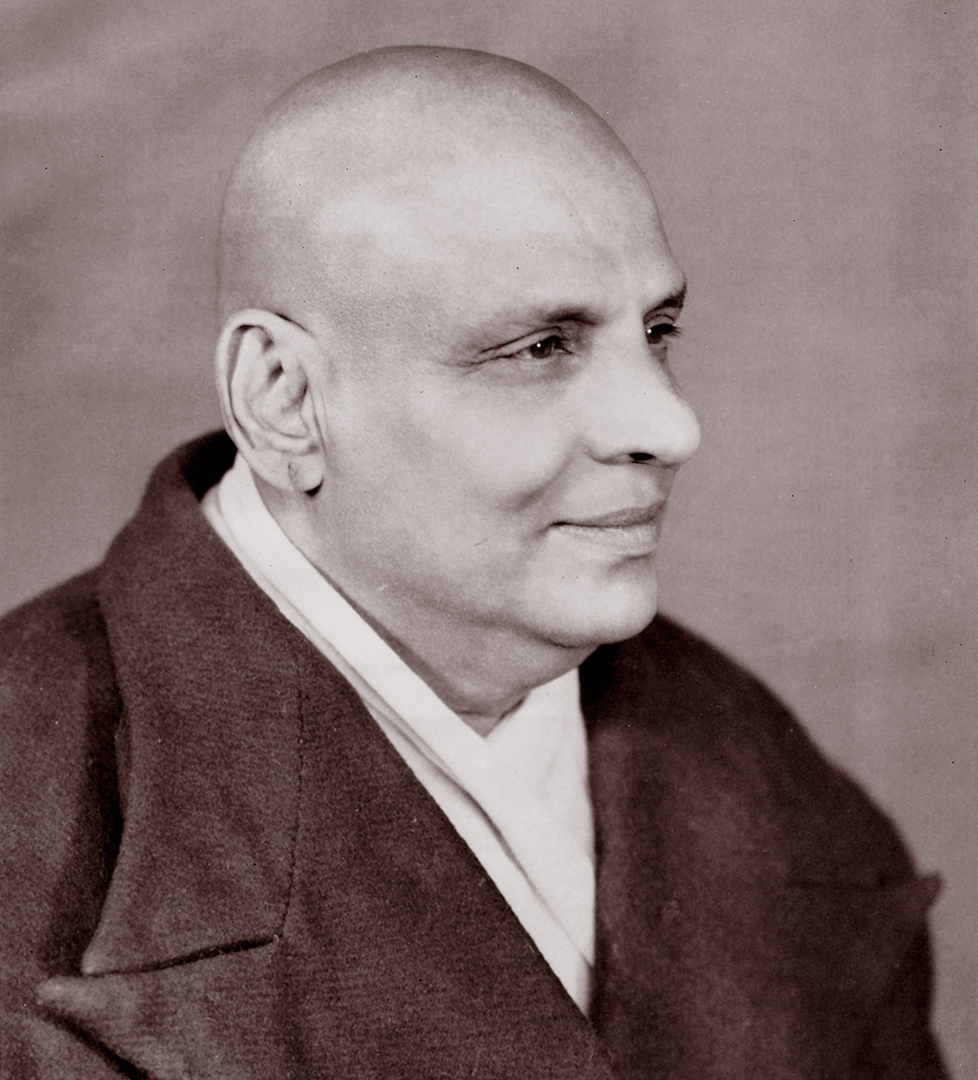
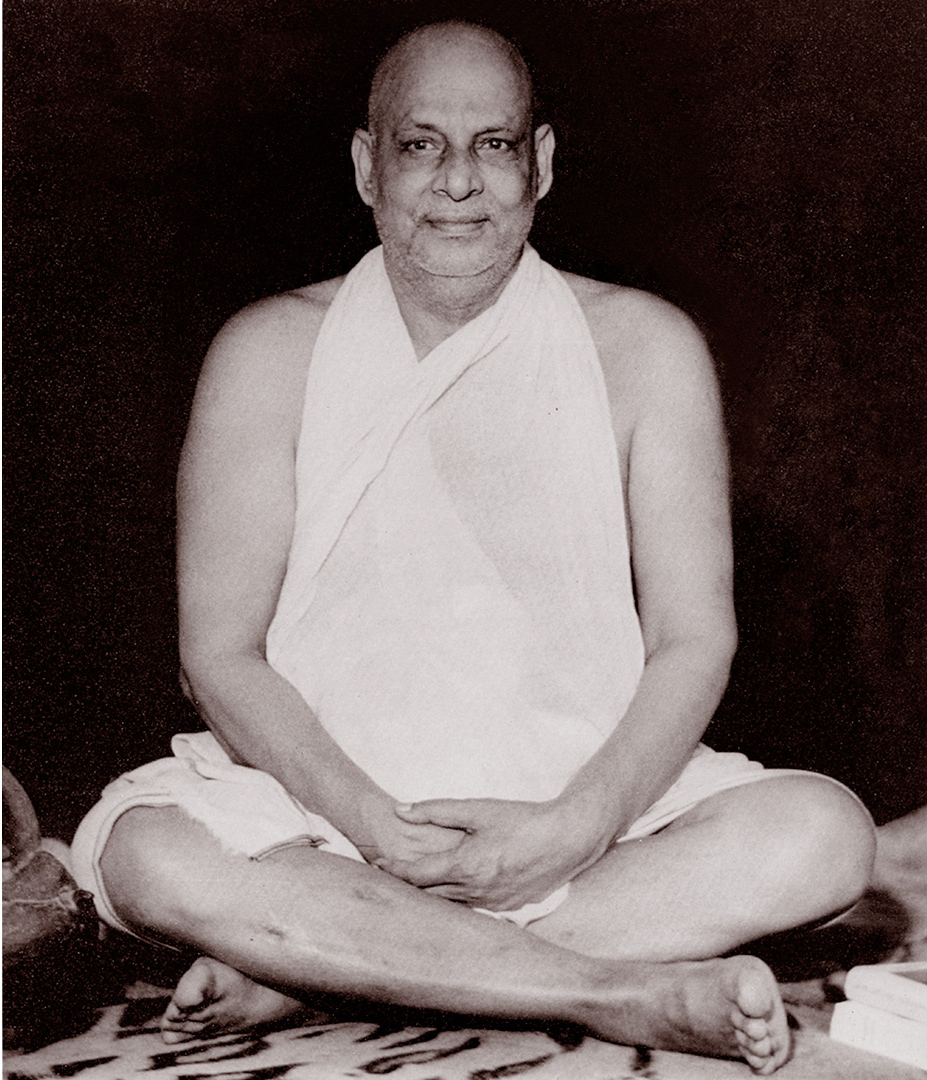
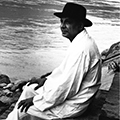
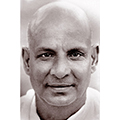
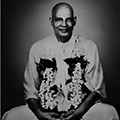
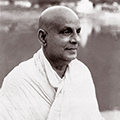
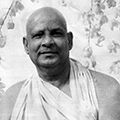
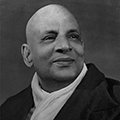
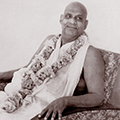
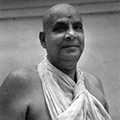
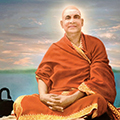
The inner radiance of the Master as apparent with or without the aid of photography.
-
-
 See full screen image
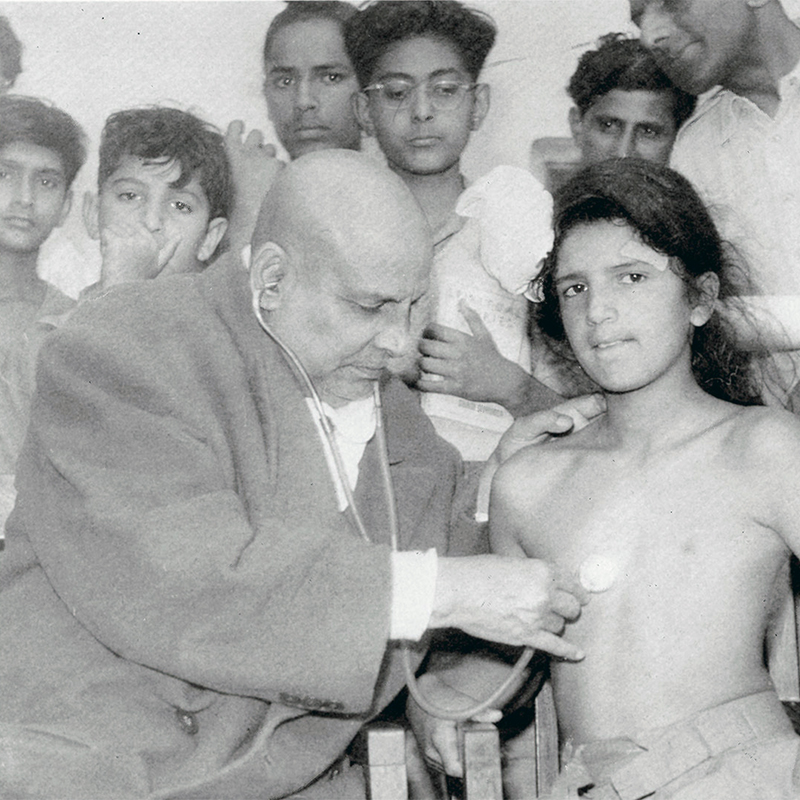
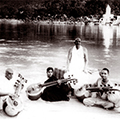
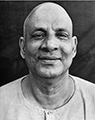
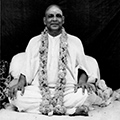
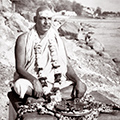
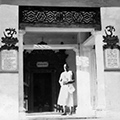
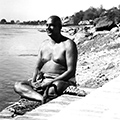
Amongst other things, Swami Sivananda was known as the sage of practical wisdom; the emphasis being on the wisdom that would bring about the undyng spirit of service to humanity. No doubt he served humanity as a doctor, before renouncing his worldly life, but after traveling to Rishikesh, and taking sanyas, his service in the spiritual dimension became life-altering for those fortunate enough to sit at his feet.
-
-
-
-
-
-
-
-
-
-
 See full screen image
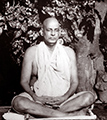
"Close your eyes, and see god. Open Your Eyes and see God!" - Swami Sivananda
-
-
-
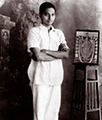
-
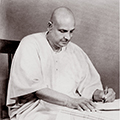
-
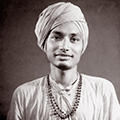
-
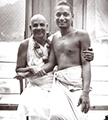
-
-
-
 See full screen image
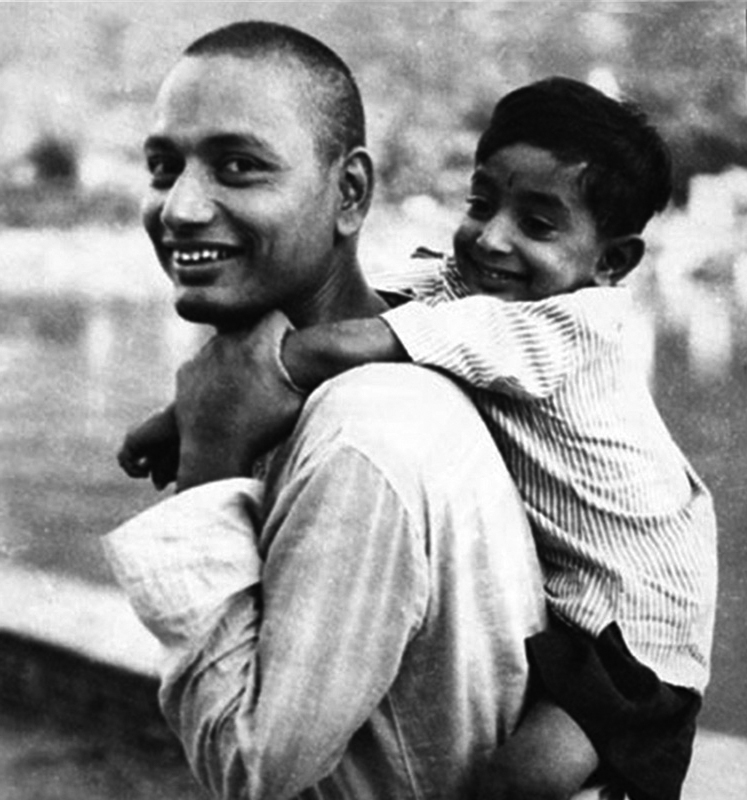
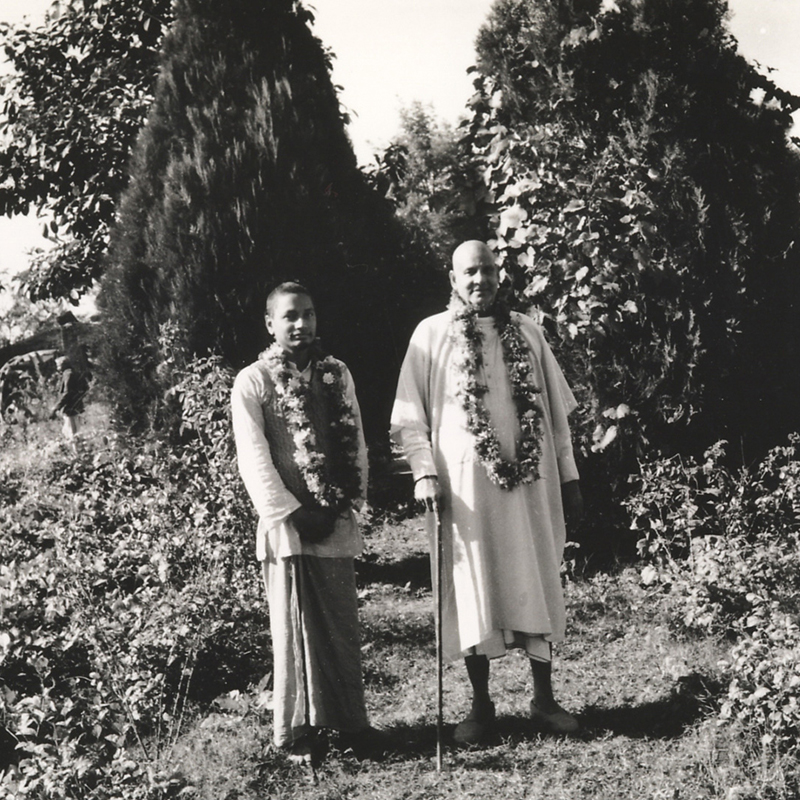
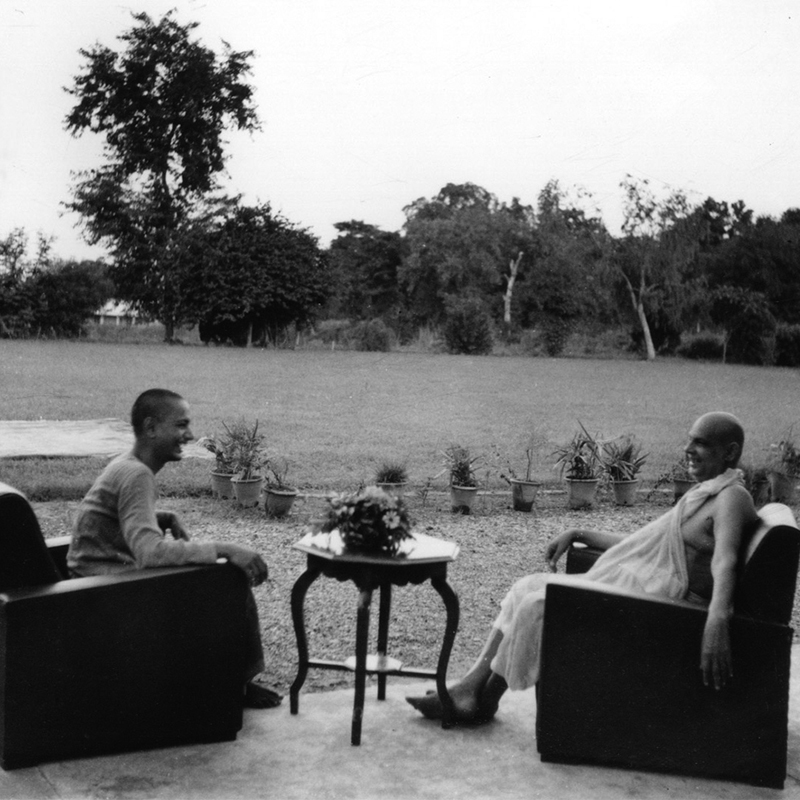
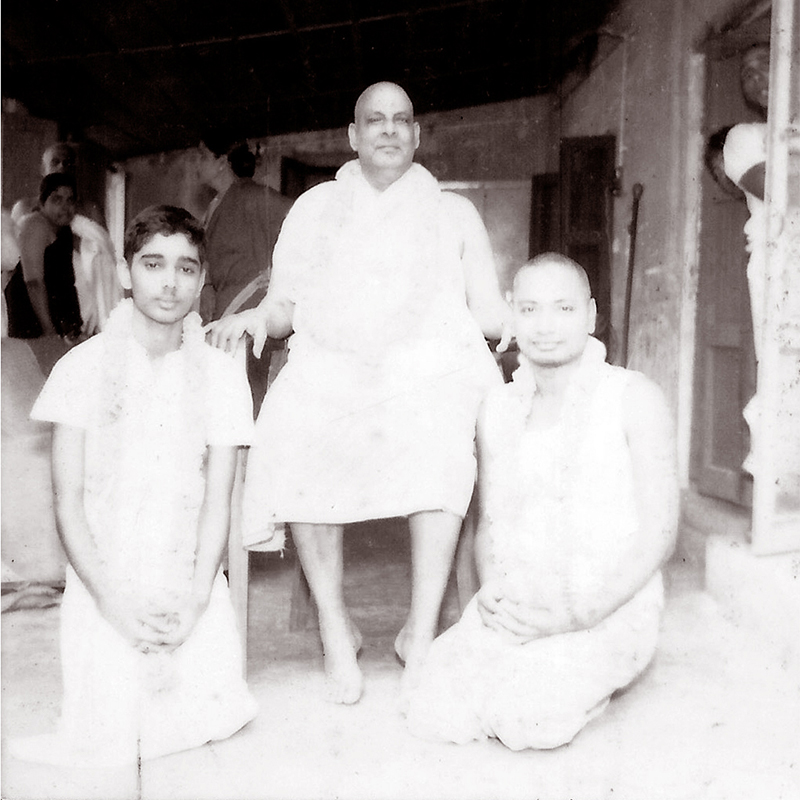
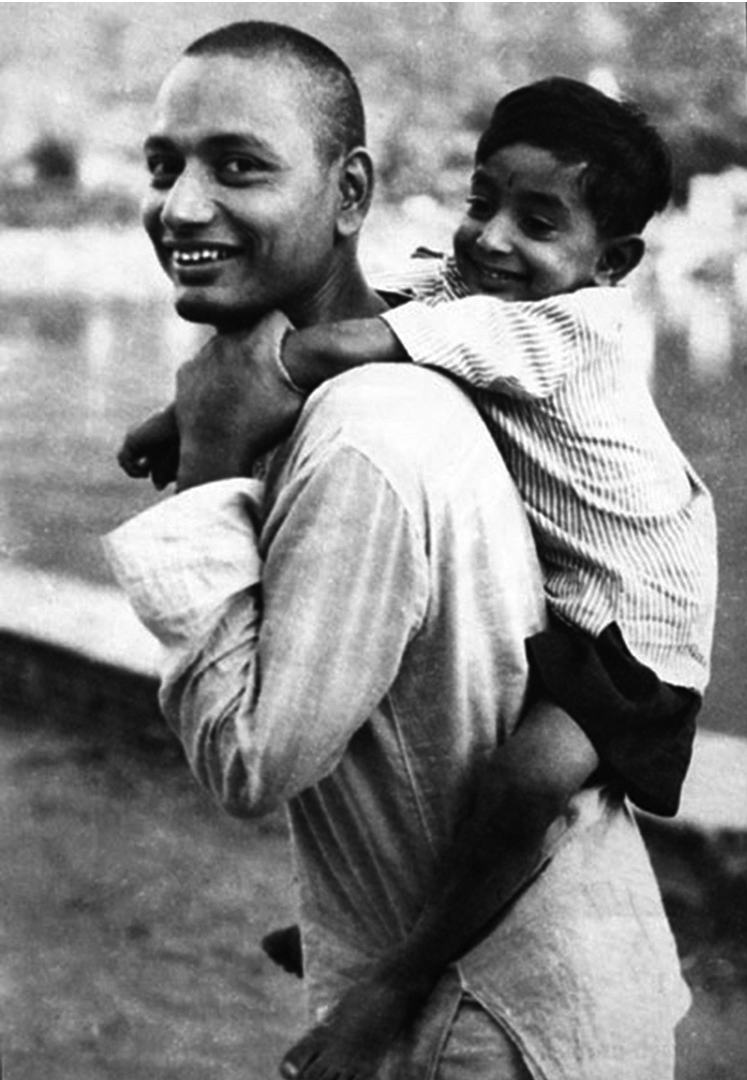
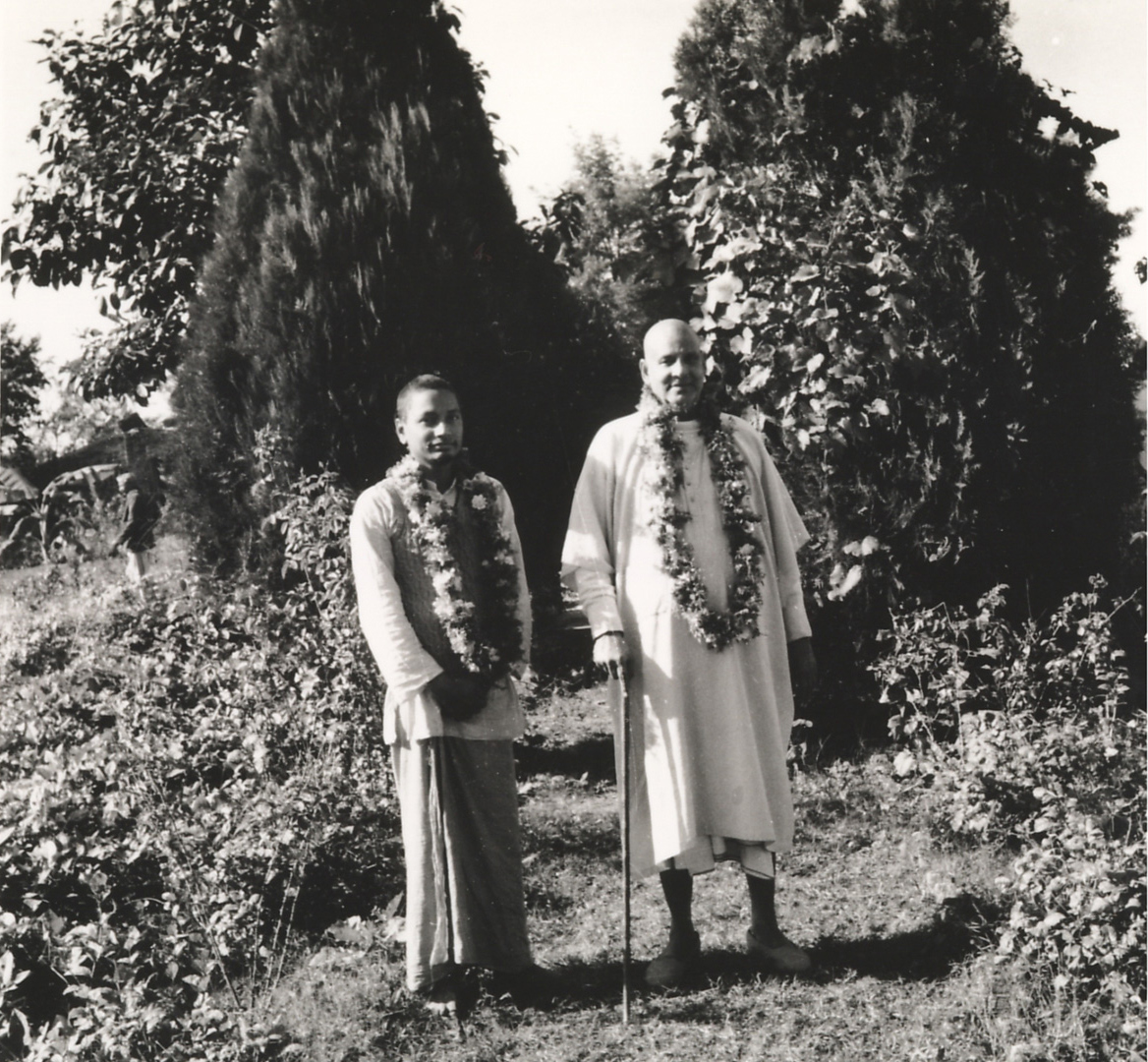
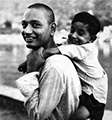
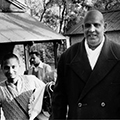
Swami Venkatesananda and a young friend.
-
 See full screen image
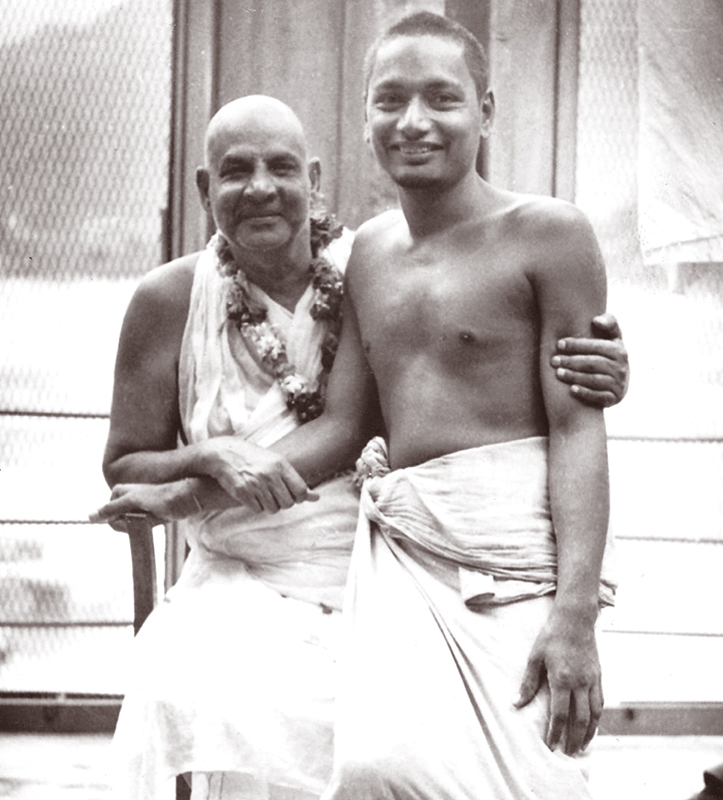
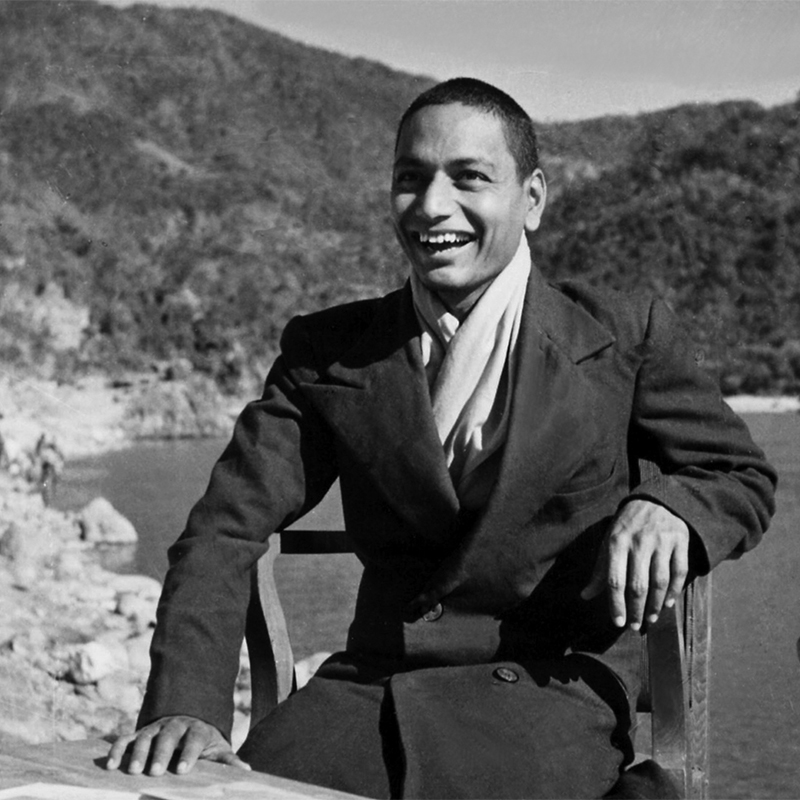
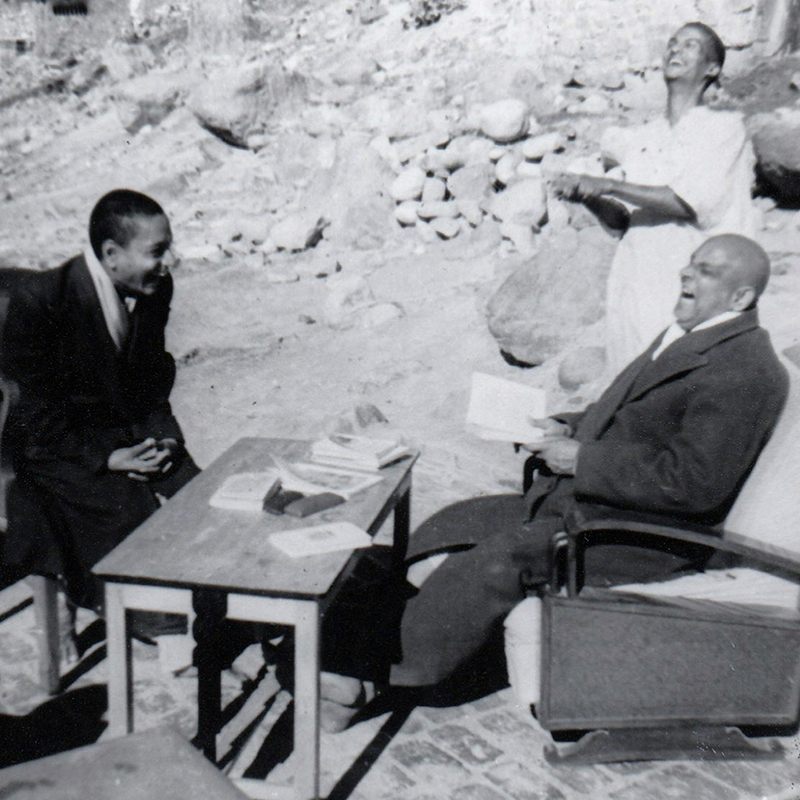
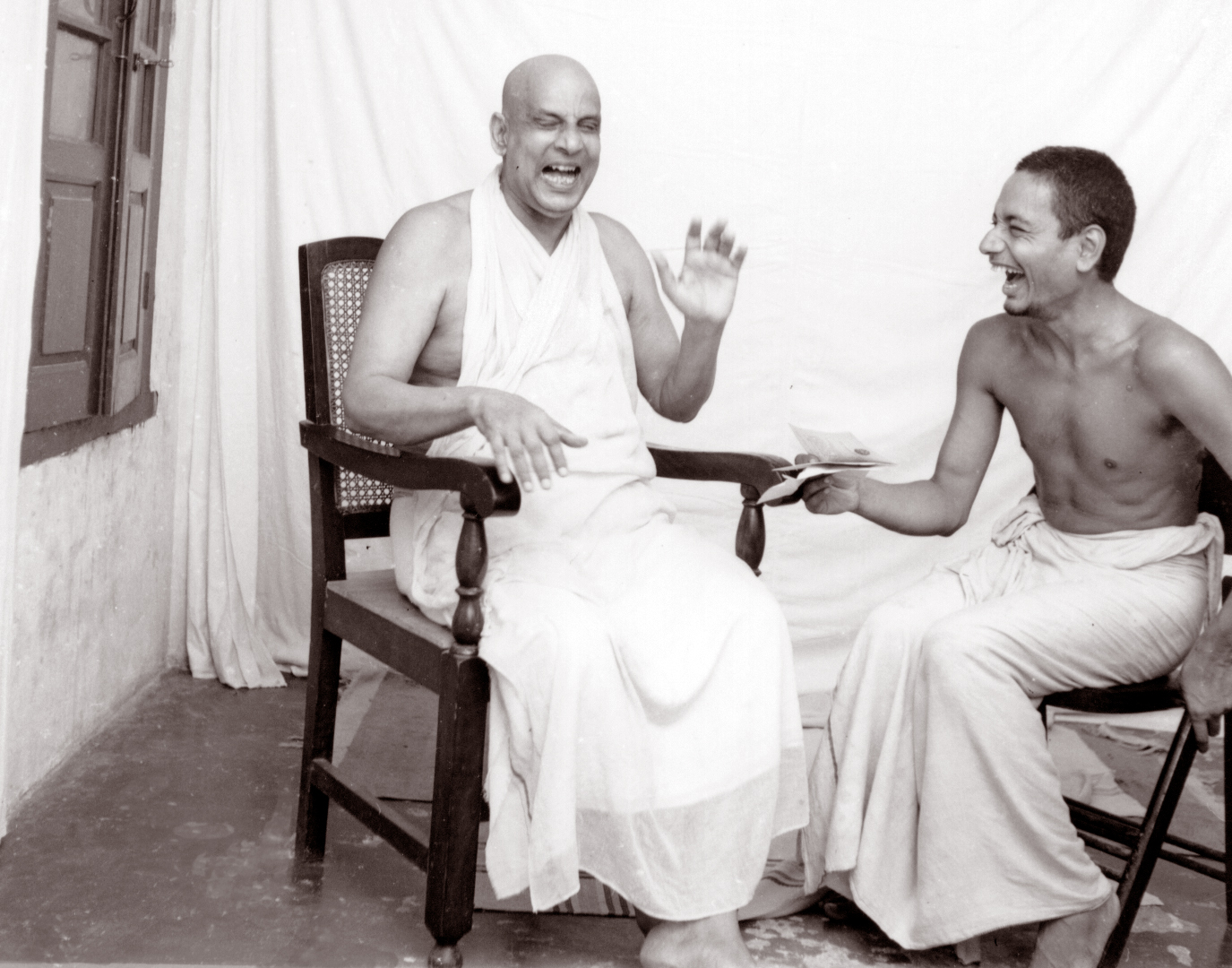
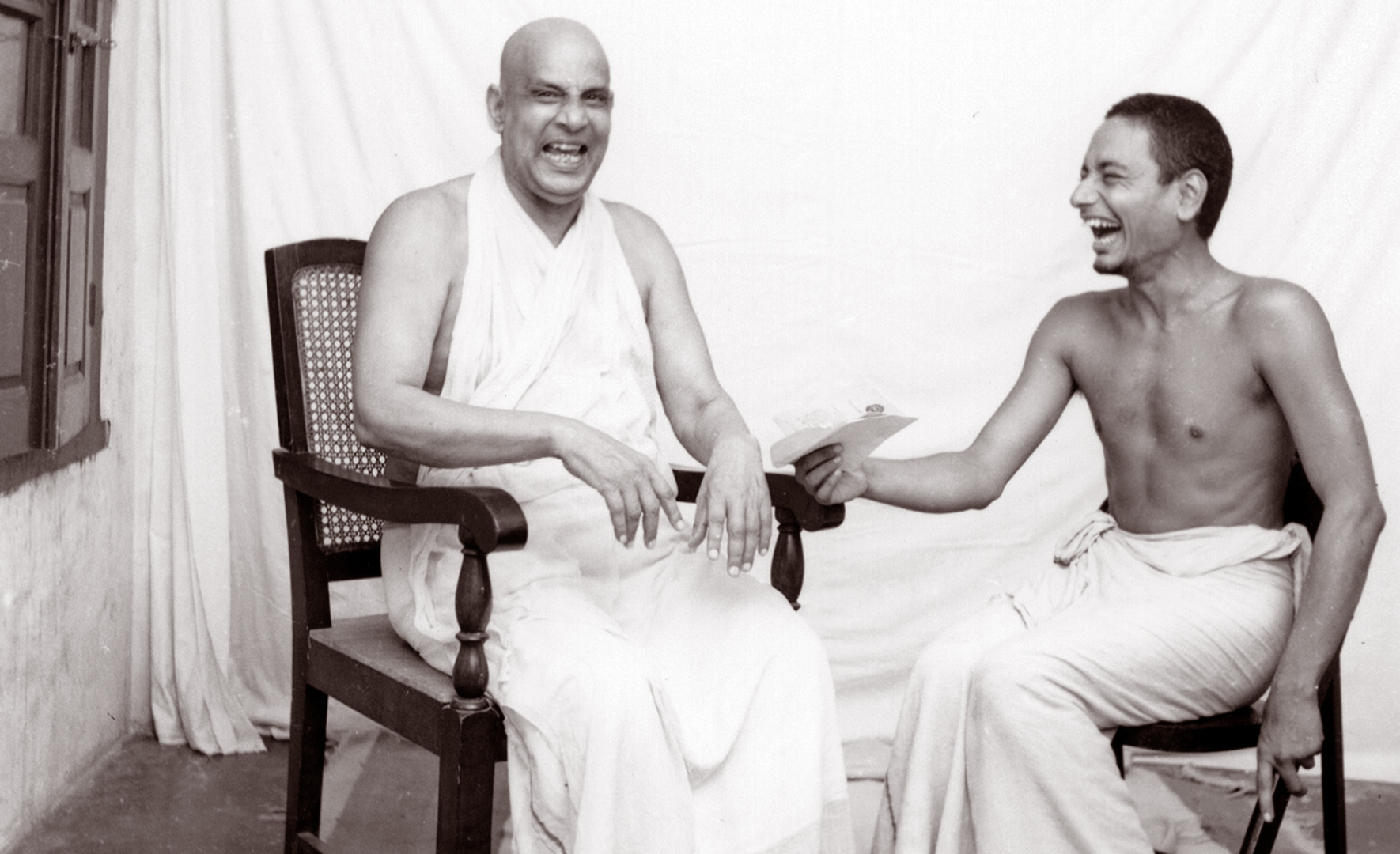
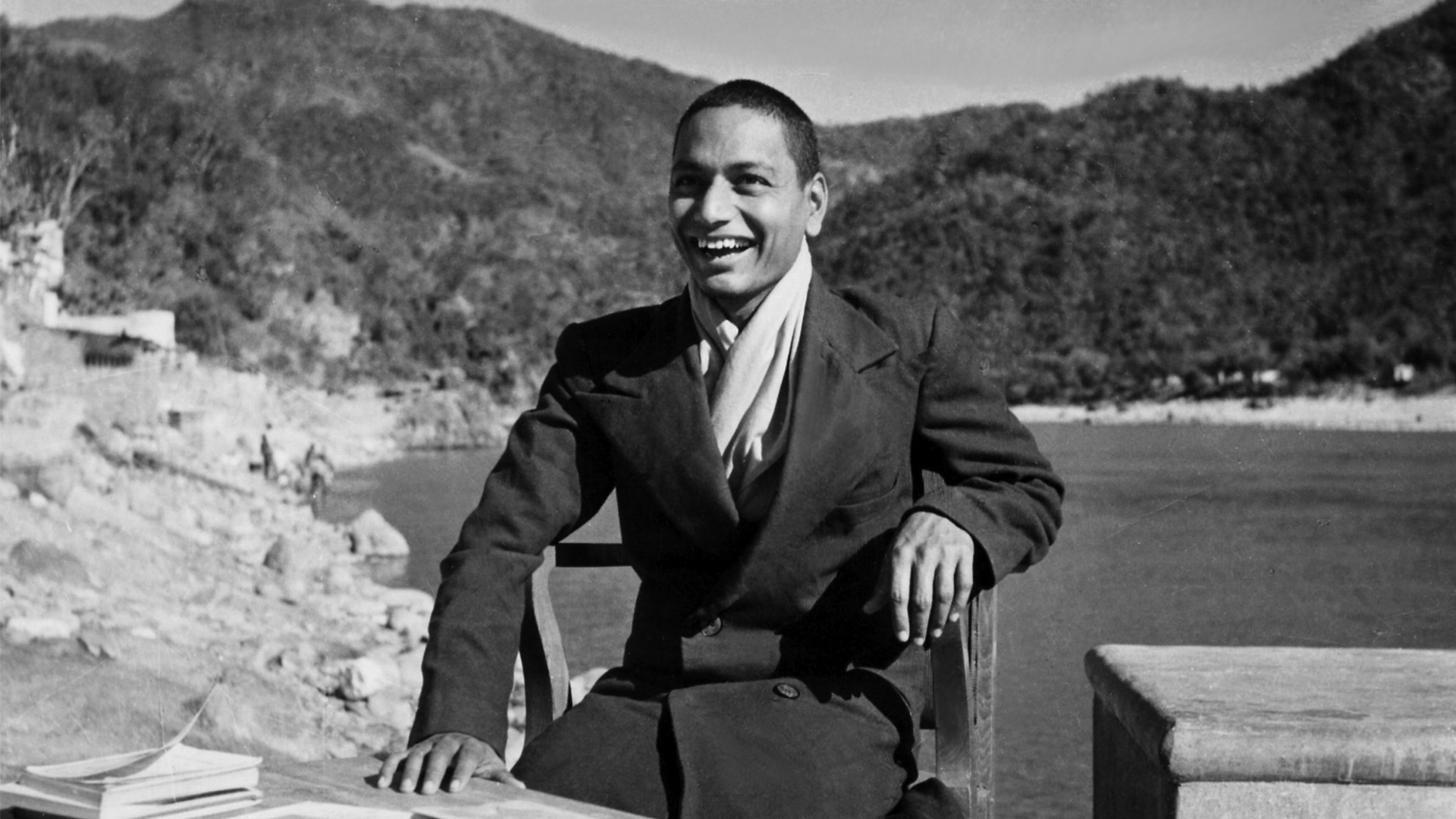
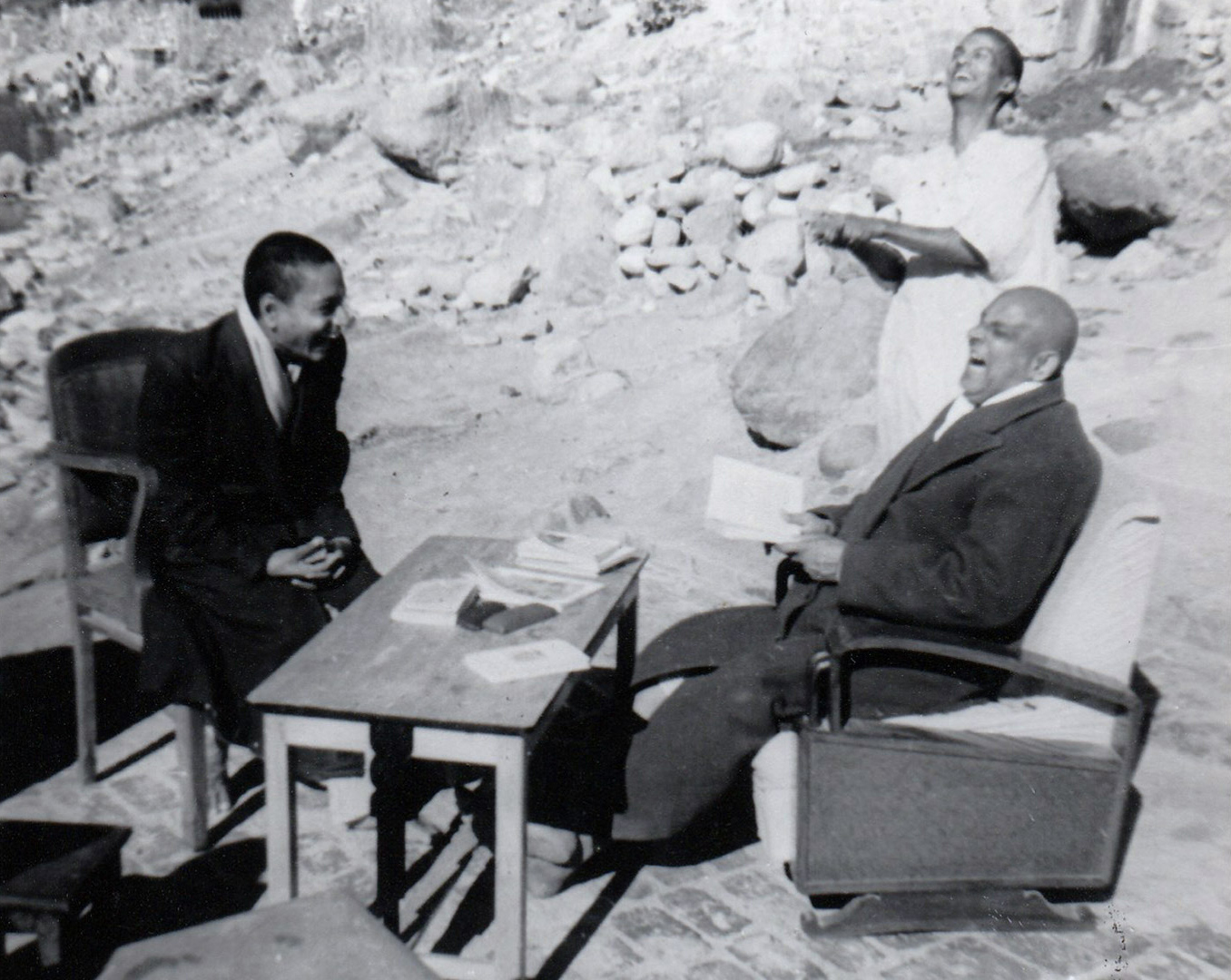
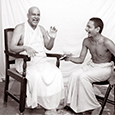
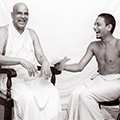
Swami Sivananda and Swami Venkatesananda sharing a good laugh. Both had a laugh that was highly contagious, and so when they both got started, all bets were off on when it might stop.
-
-
-
 See full screen image
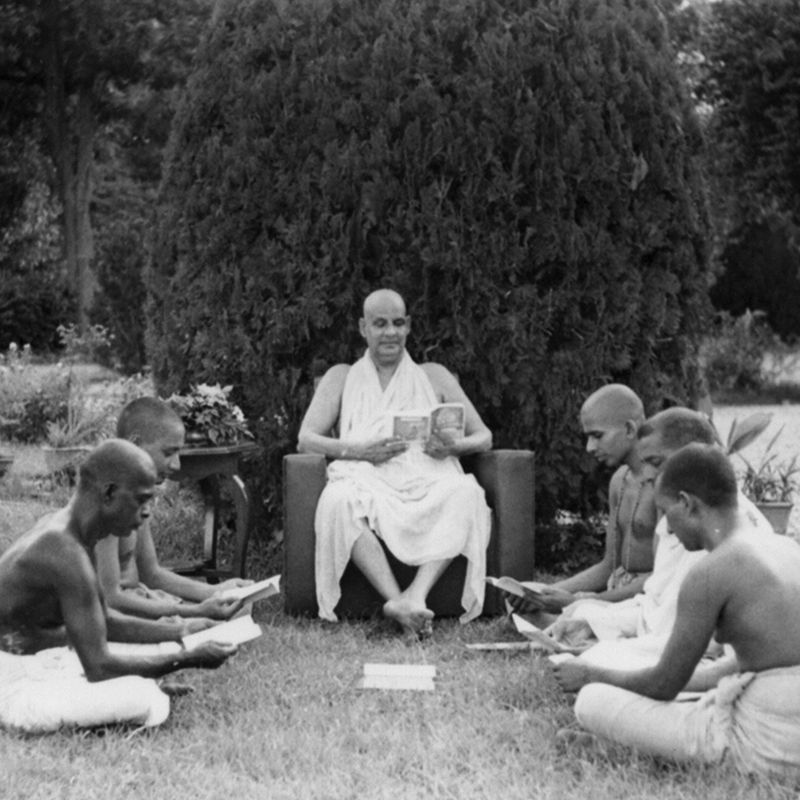
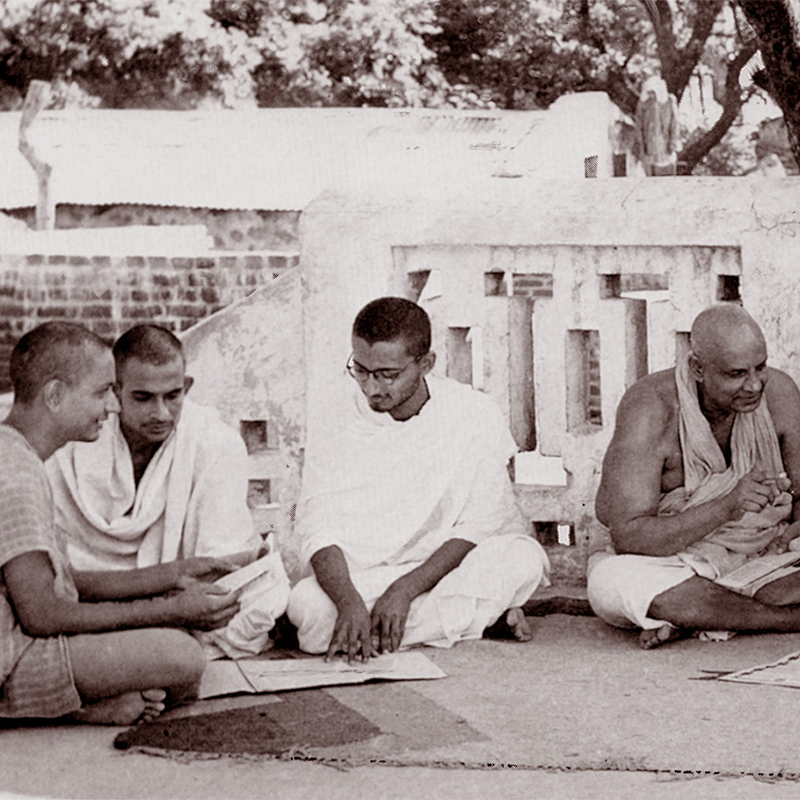
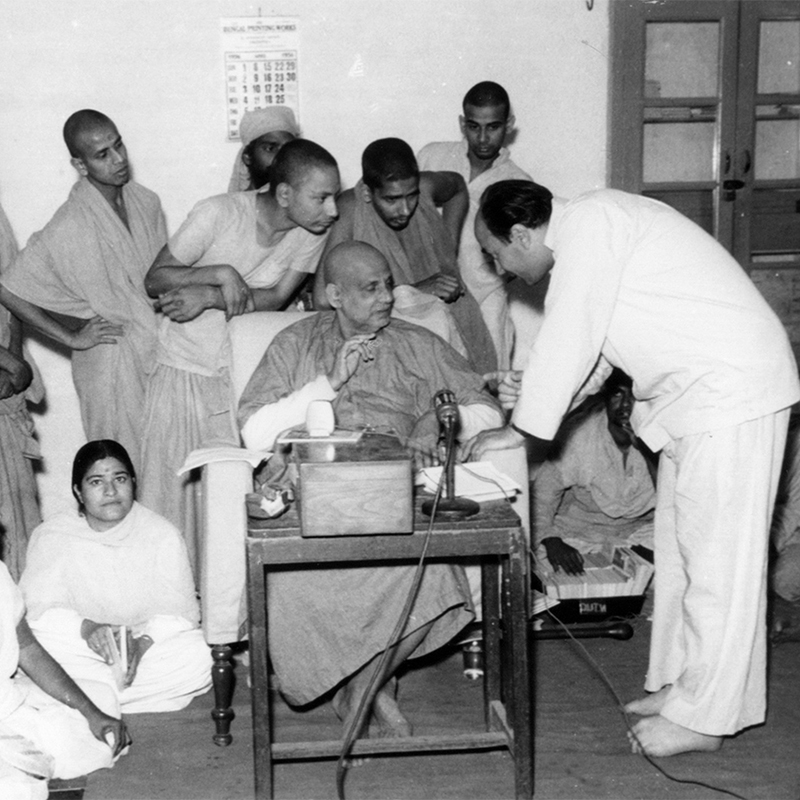
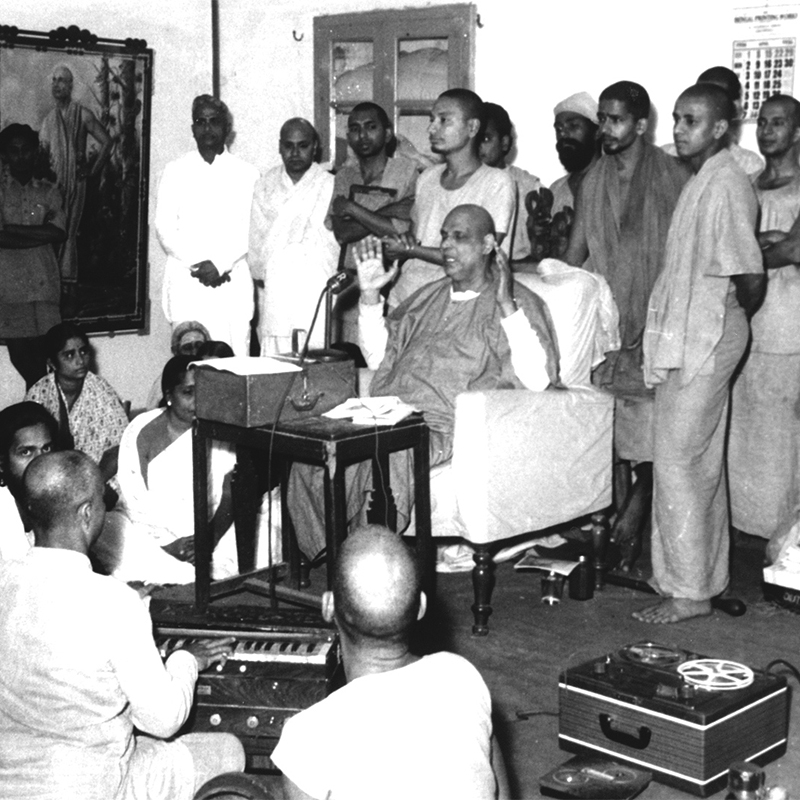
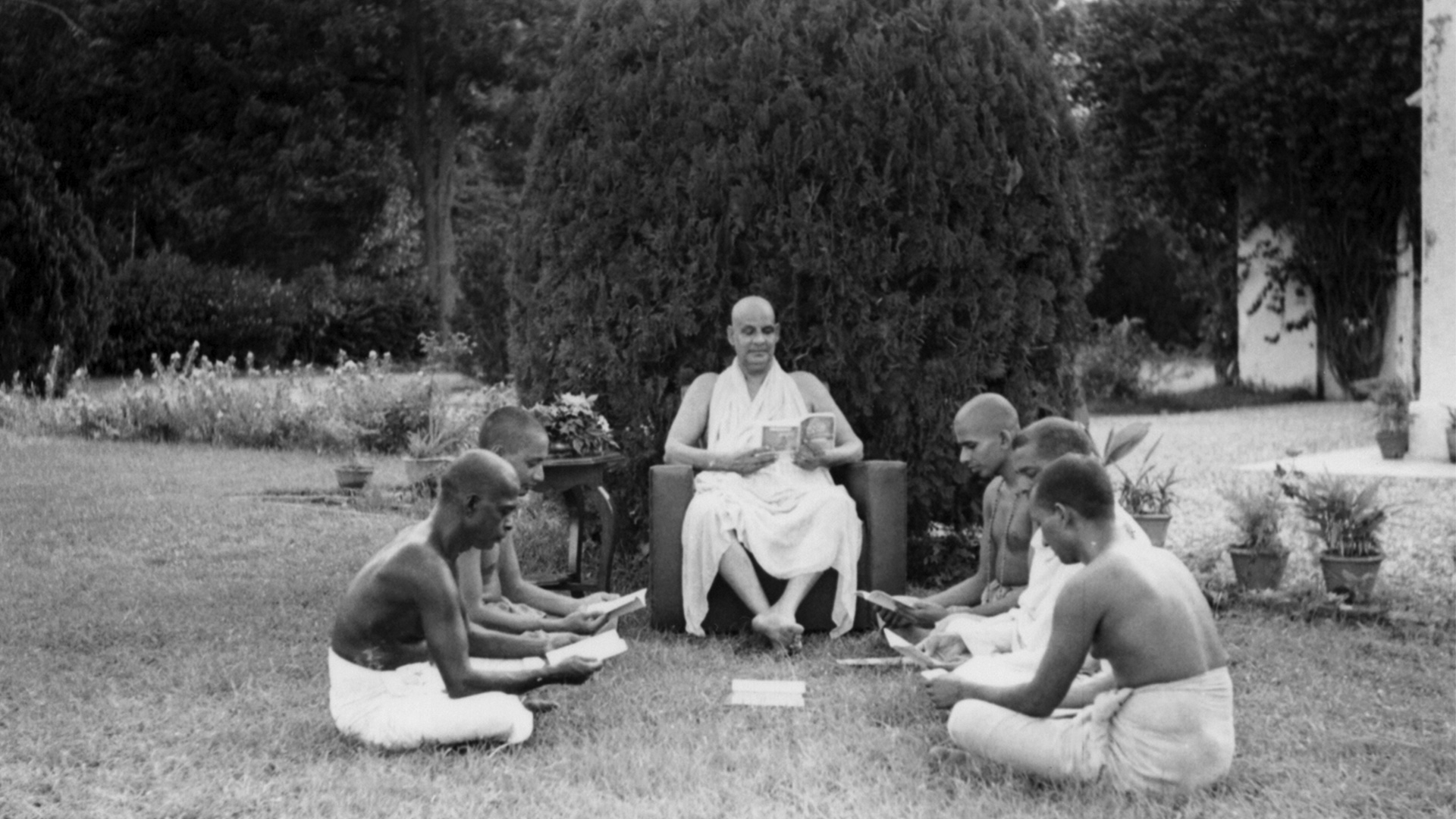
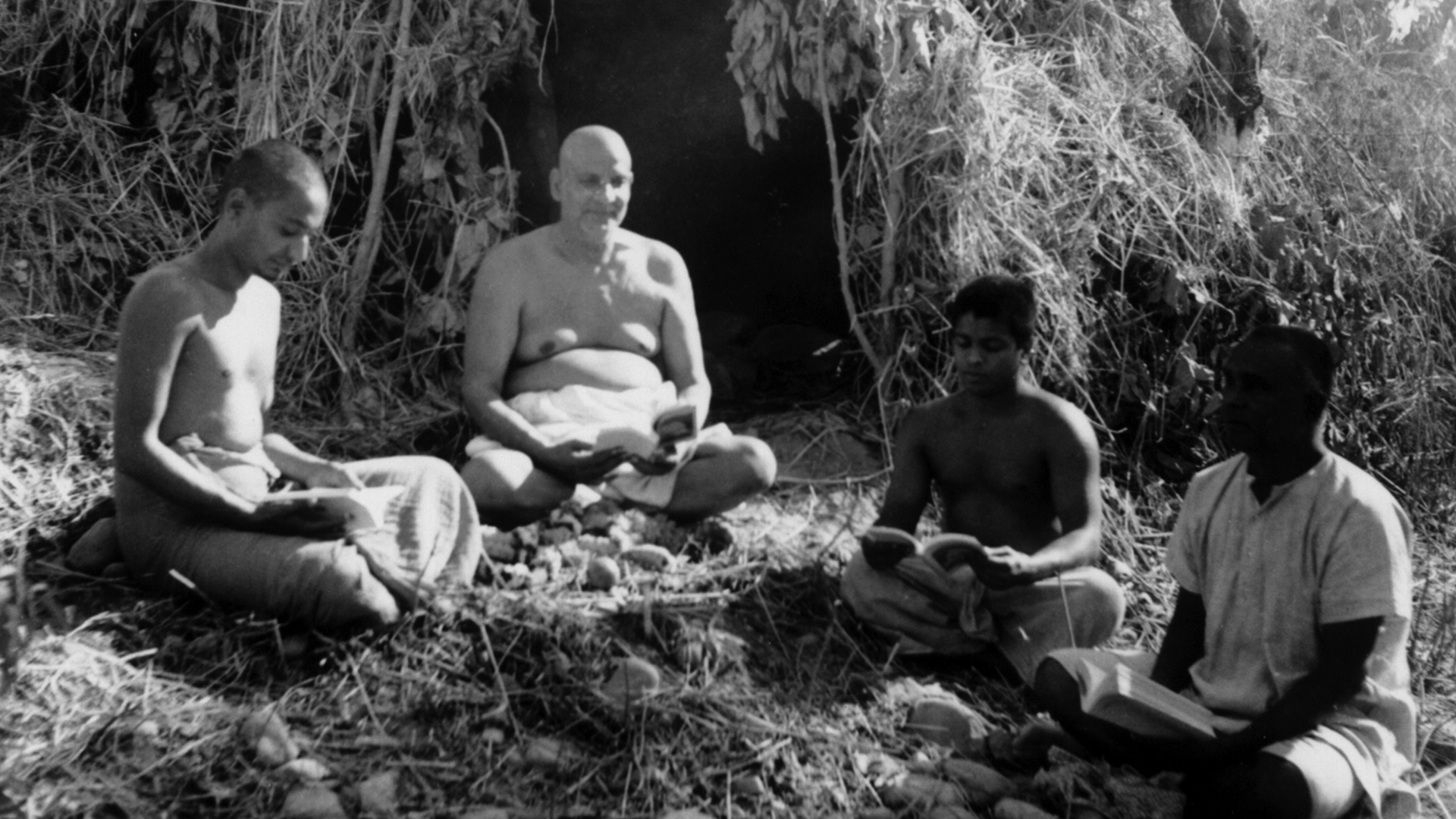
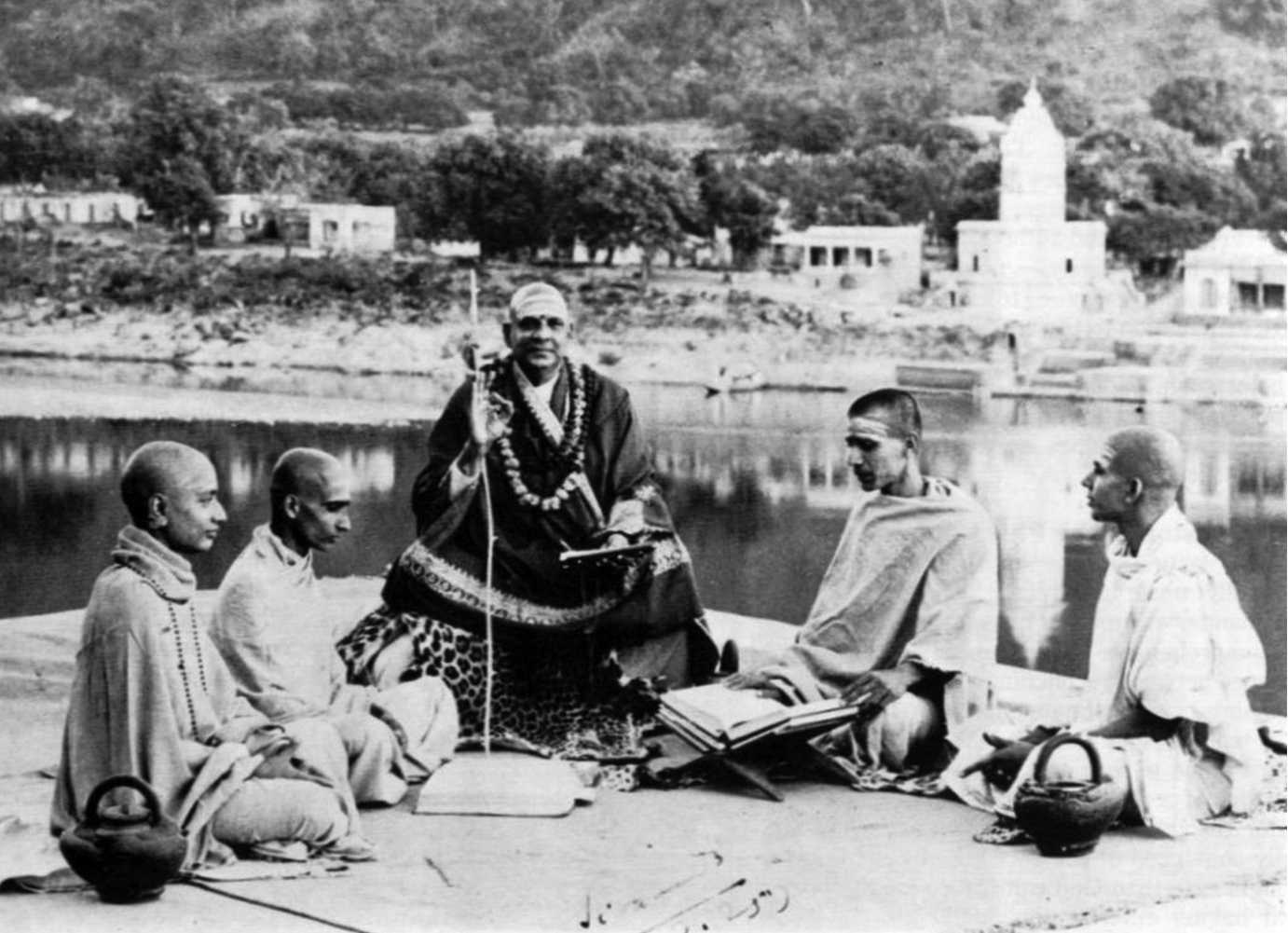
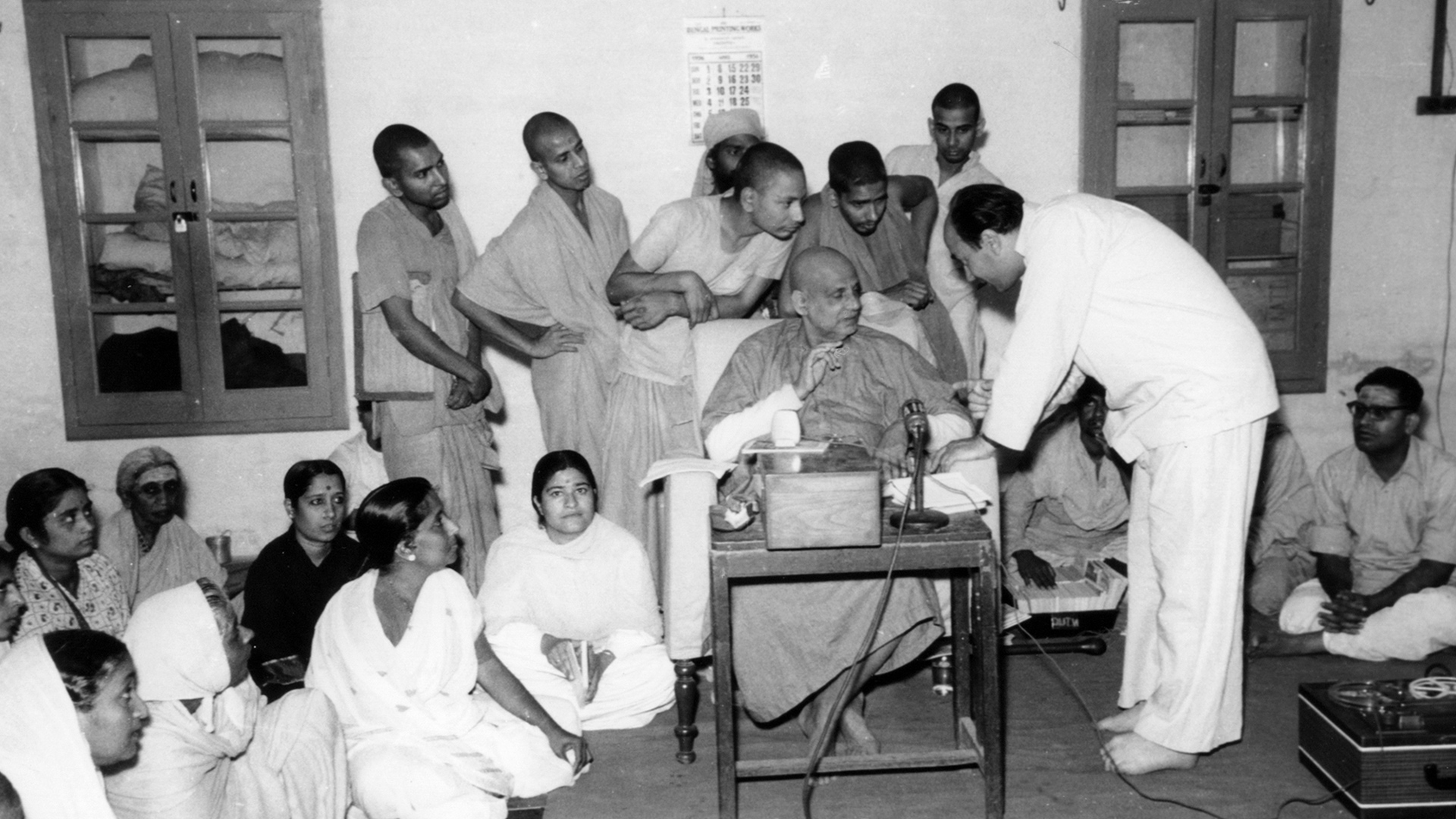
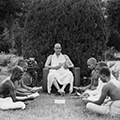
Small study group presided over by Swami Sivananda. Or perhaps proofing a new book on yoga for publication.
-
-
 See full screen image
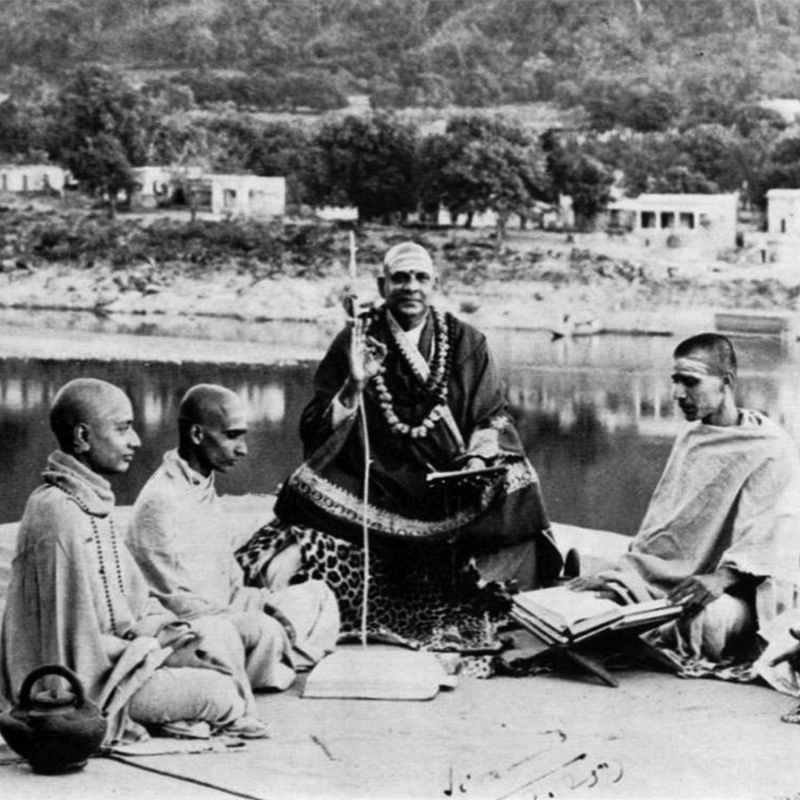
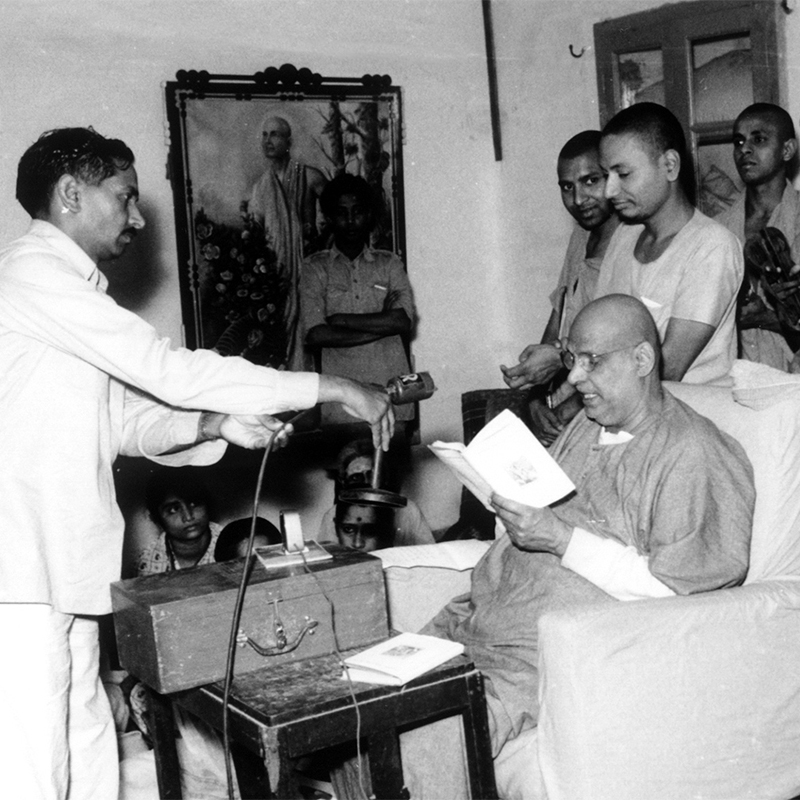
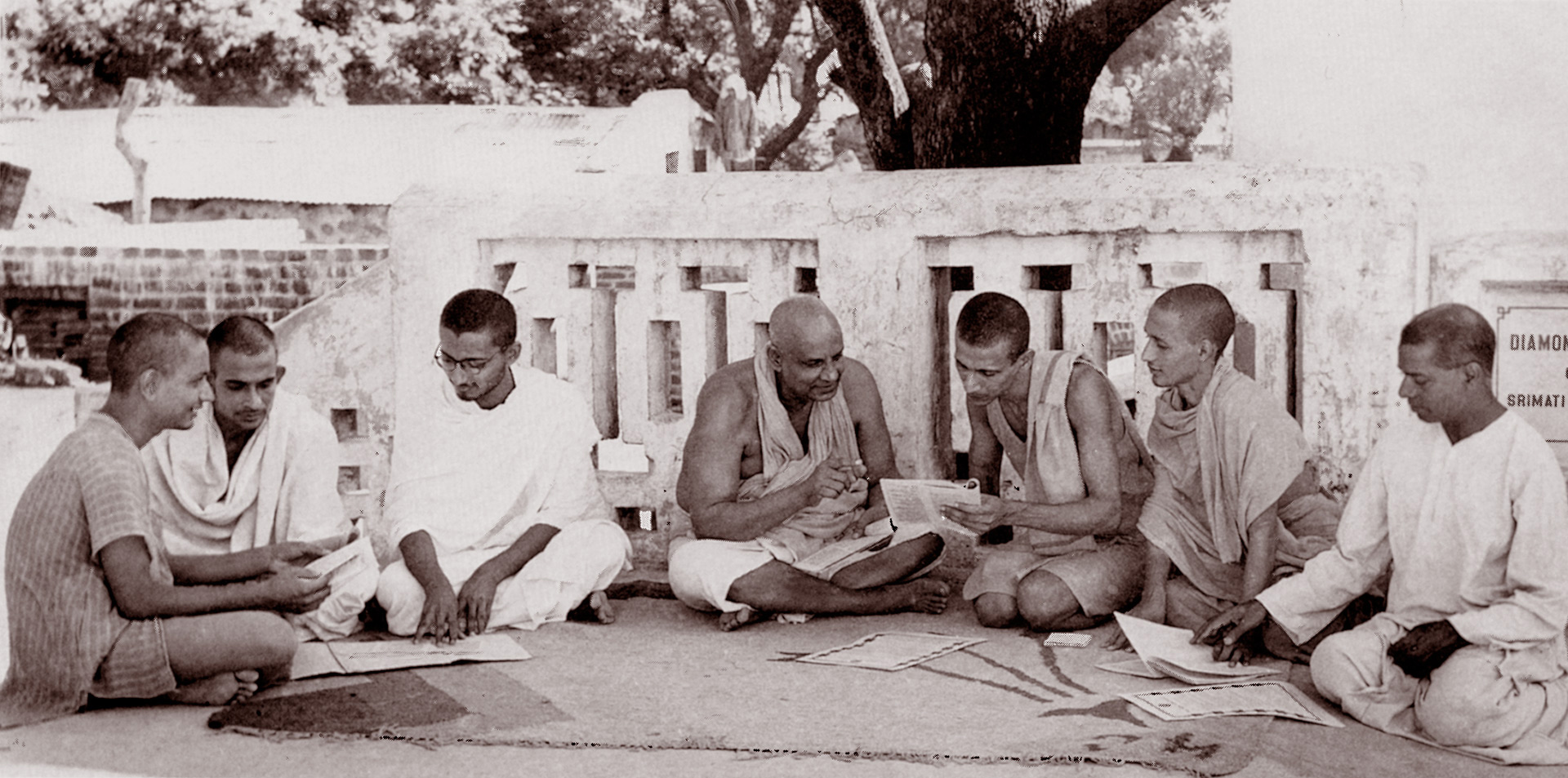
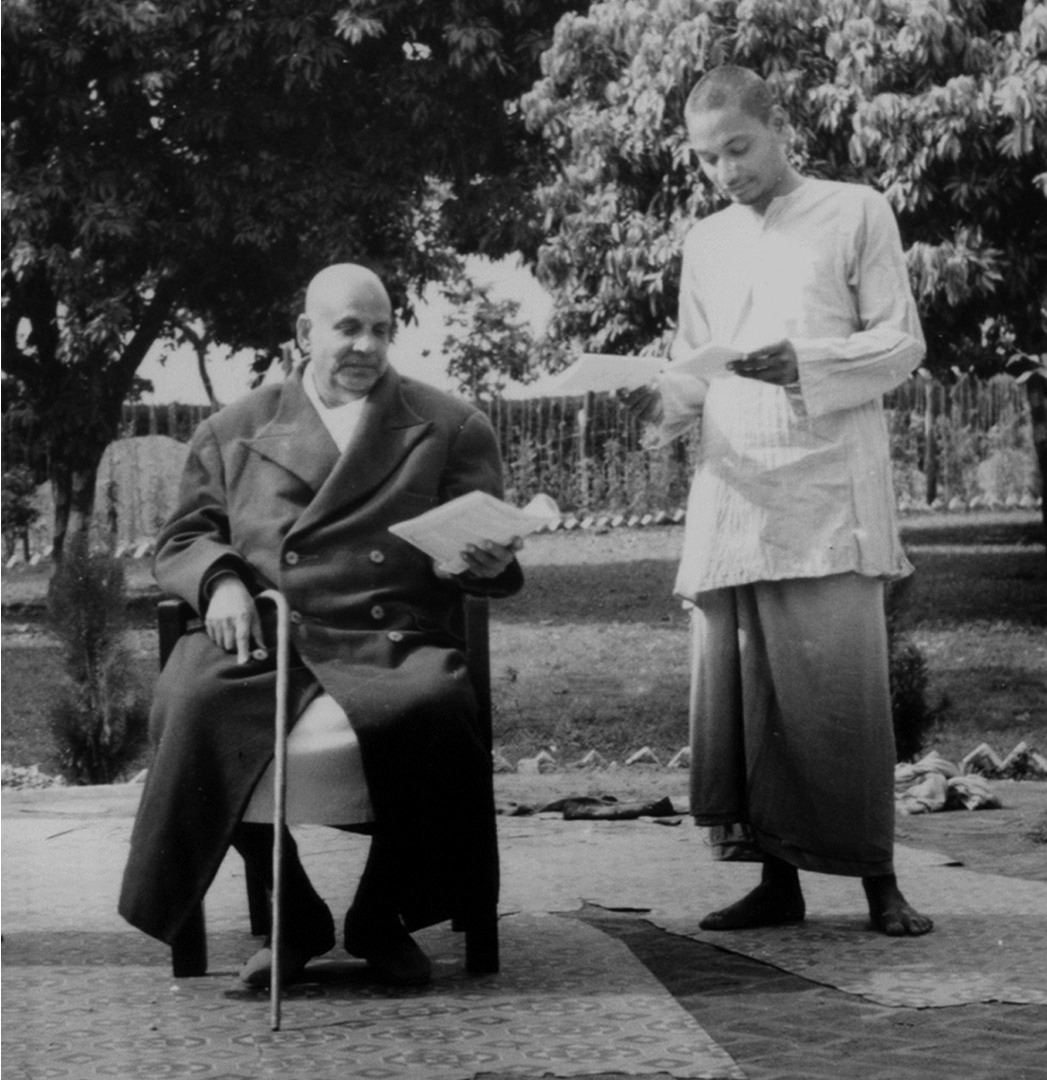
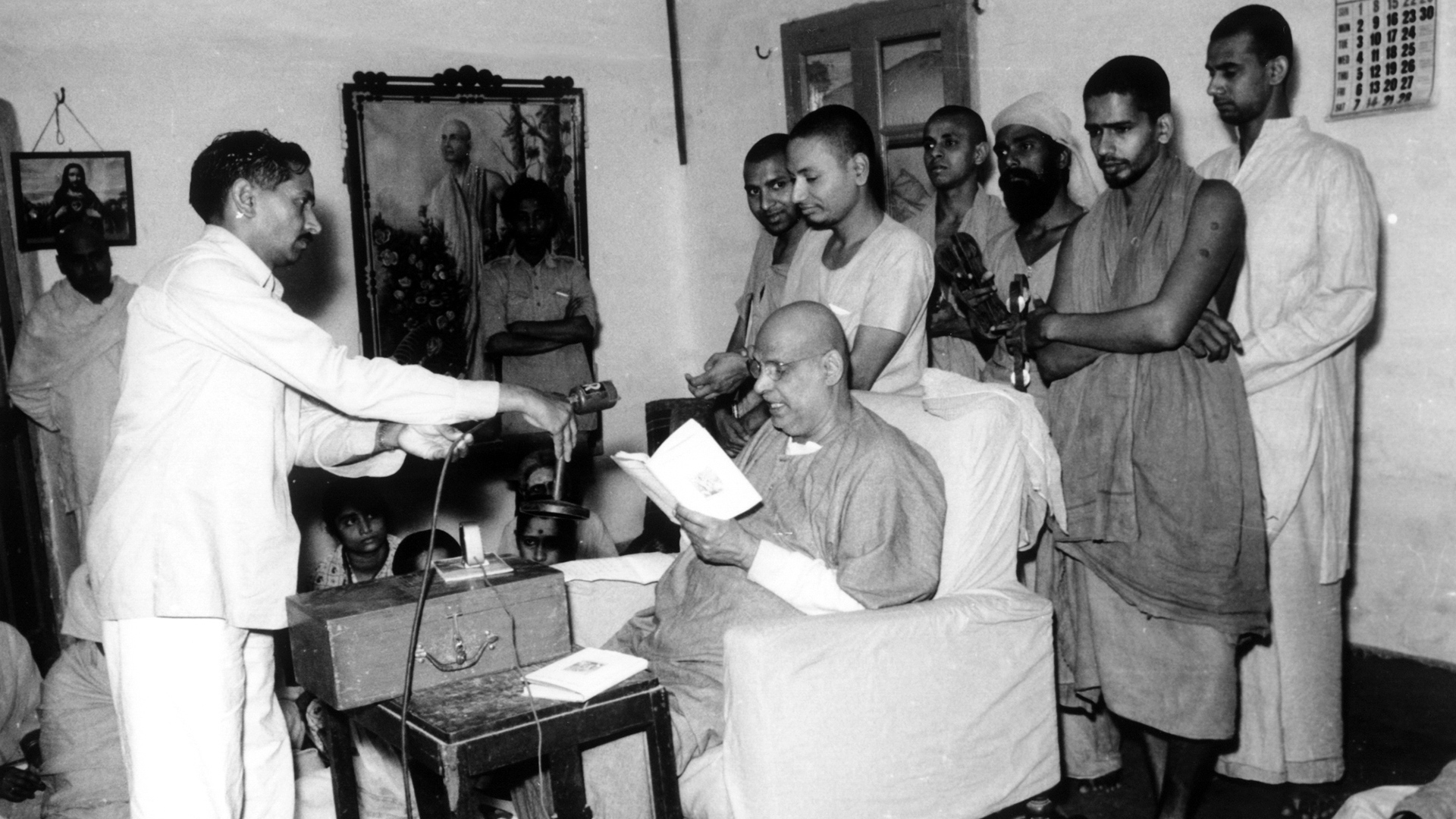
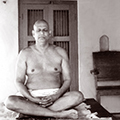
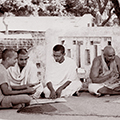
Working on the dissemination of spiritual knowledge was a daily occurrence. Here's either another daily study or book proofing session. Swami Venkatesananda (on the left) discussing a book with two swamis, and the master looking over a short text with a then very young Swami Chidananda (on far right), looking at manuscript with Swami Sivananda.
-
 See full screen image
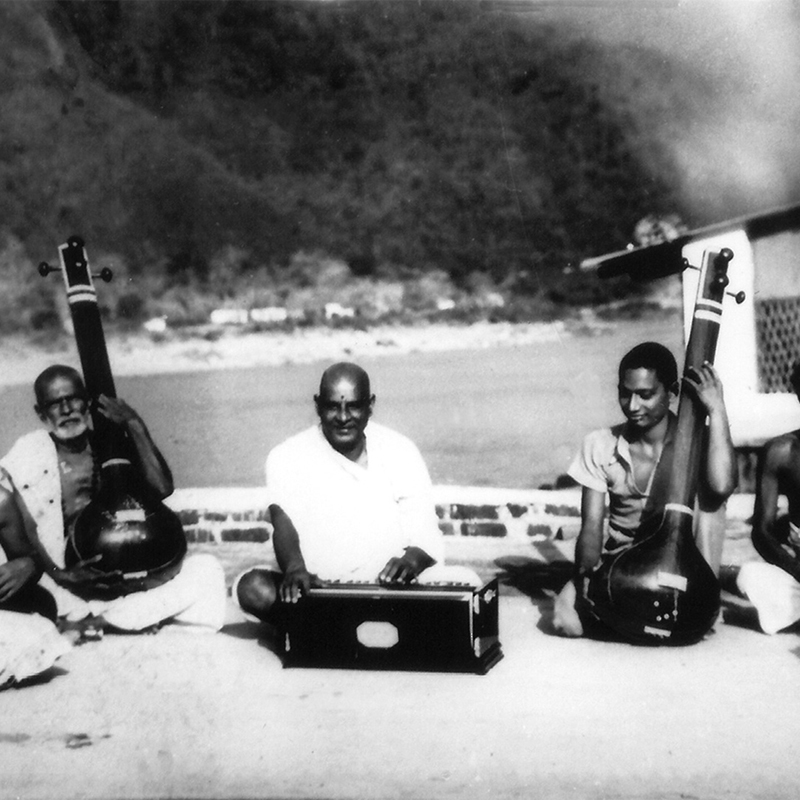
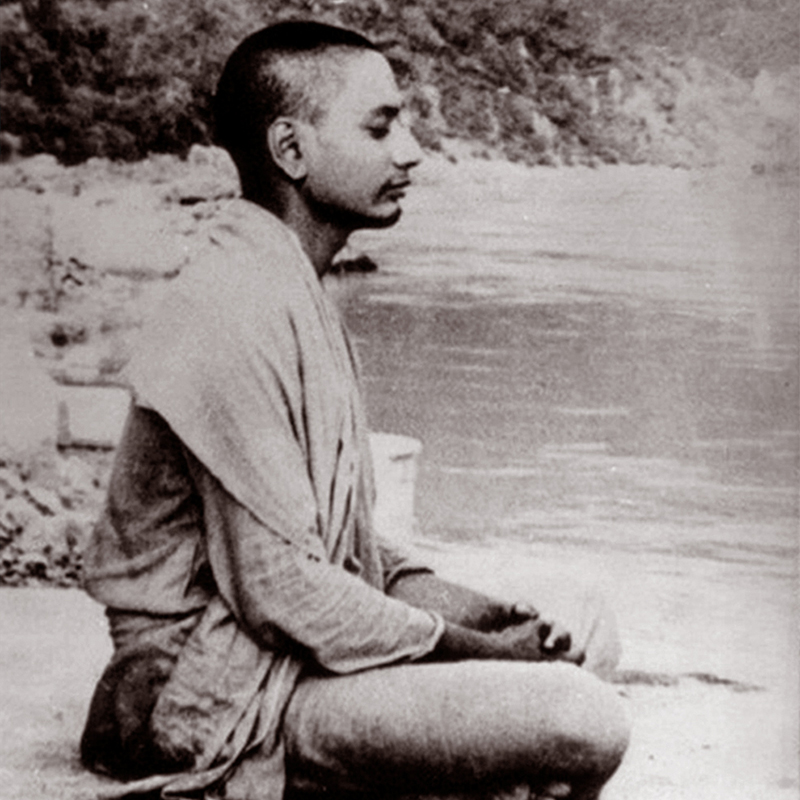
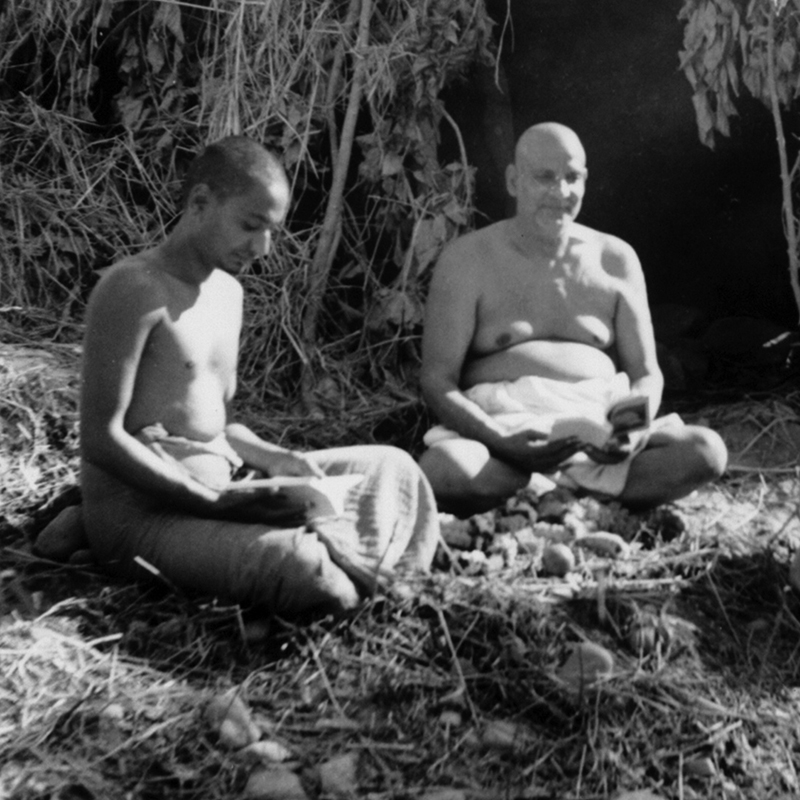
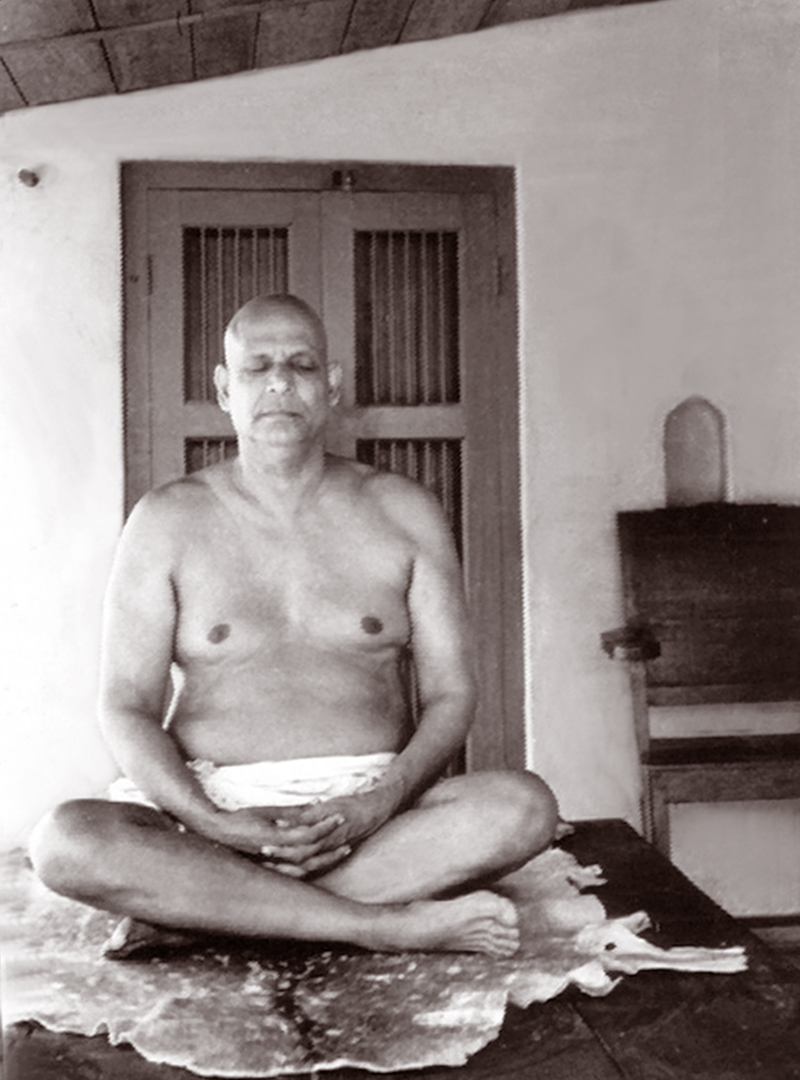
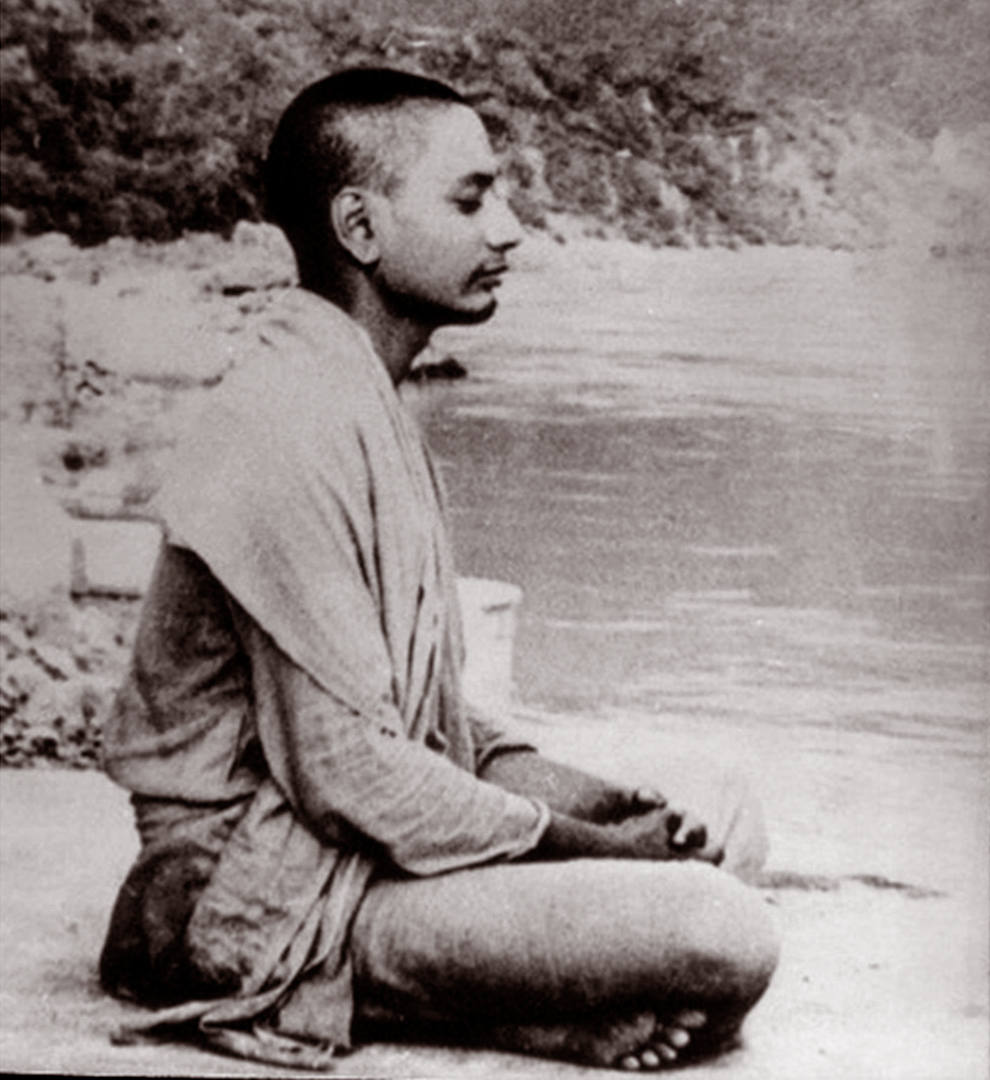
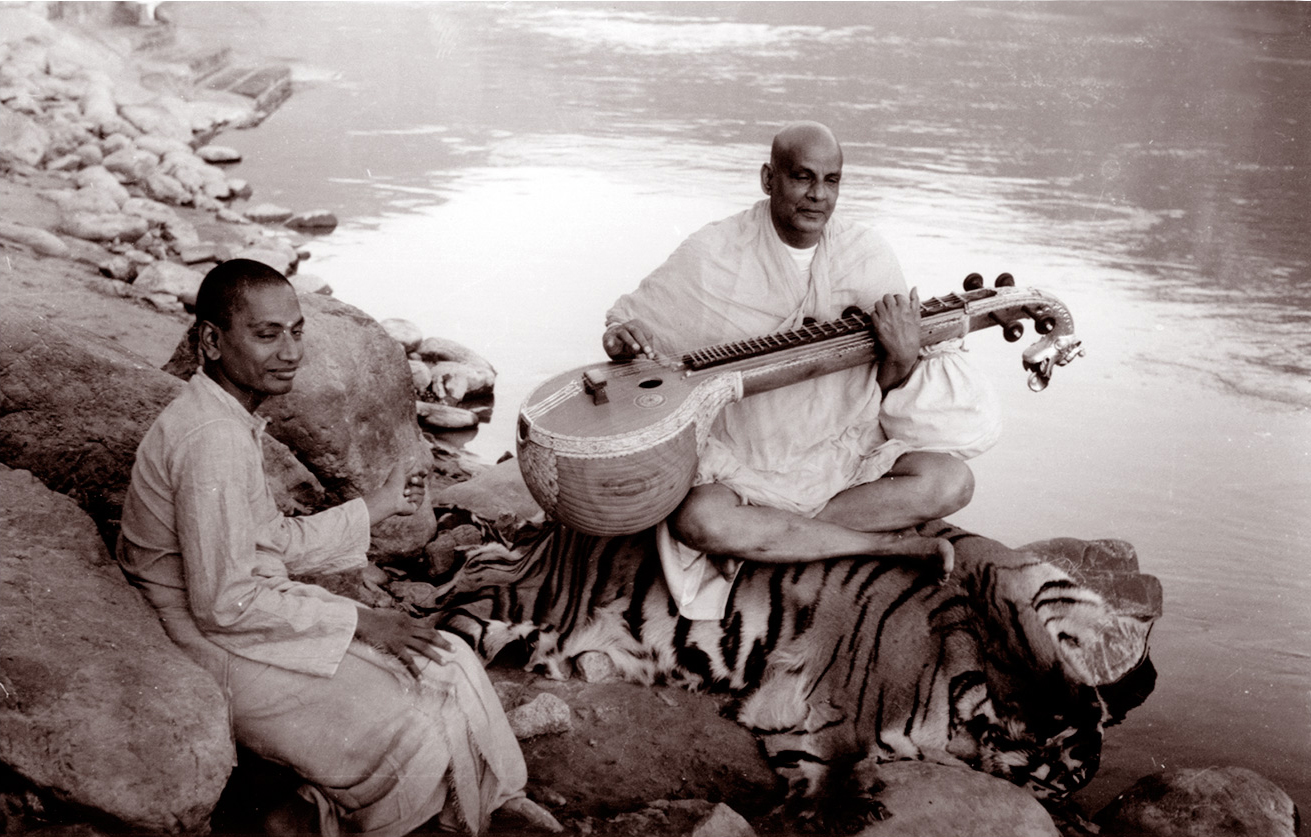
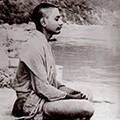
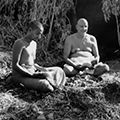
Young Swami Venkatesananda in meditation by the Ganges Riverbank.
-
-
-
-
-
 See full screen image
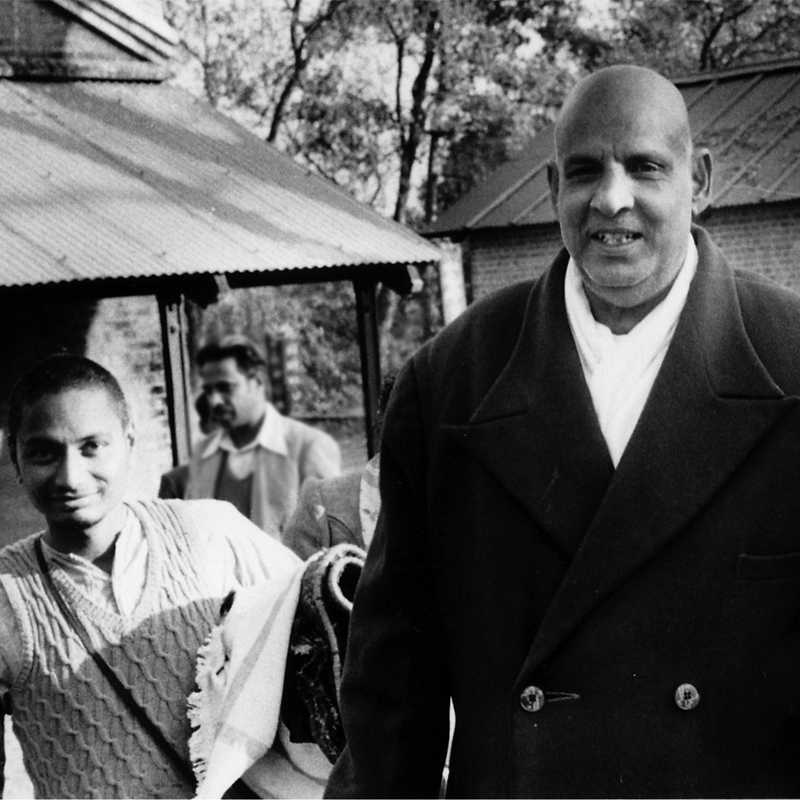
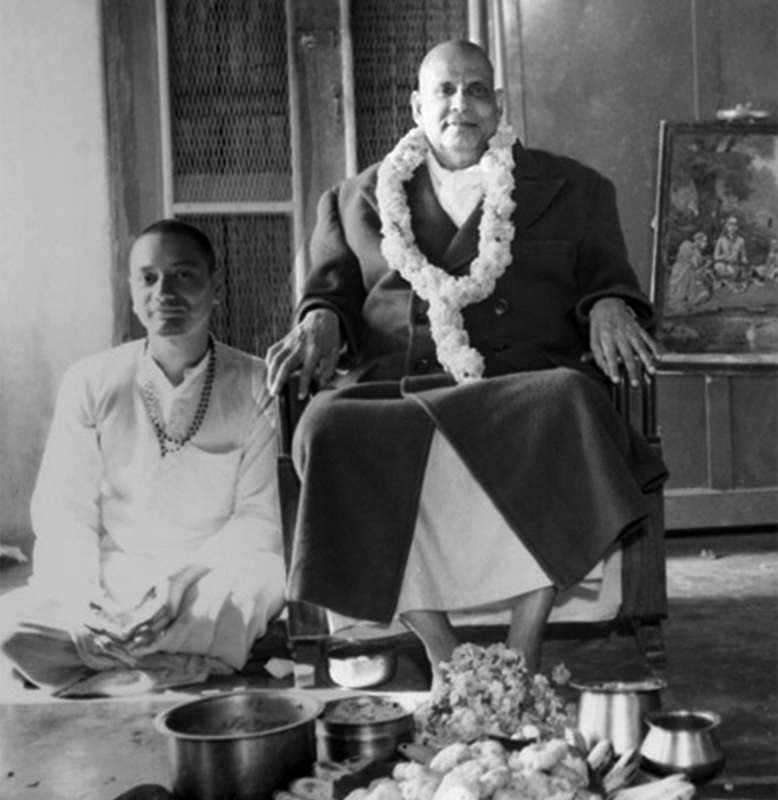
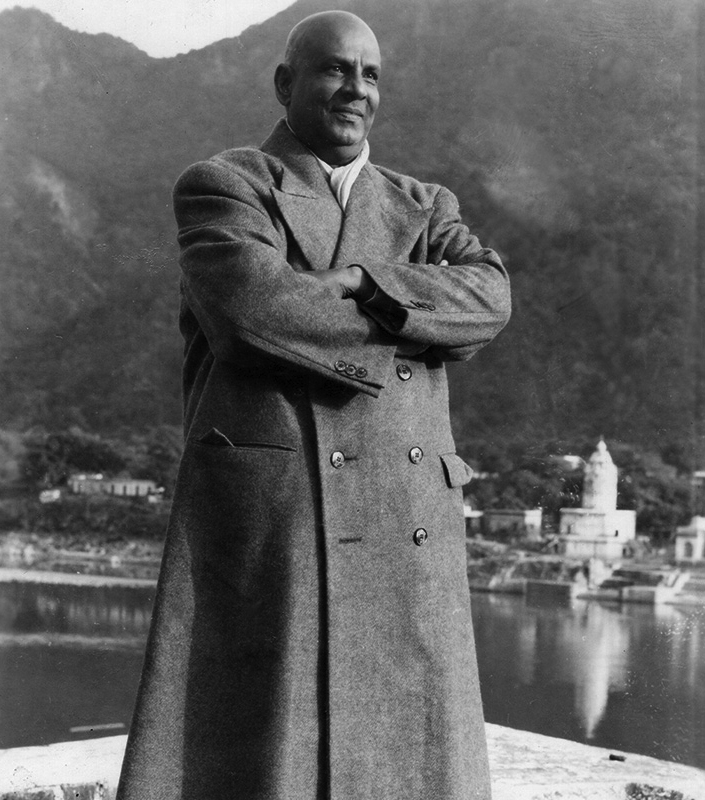
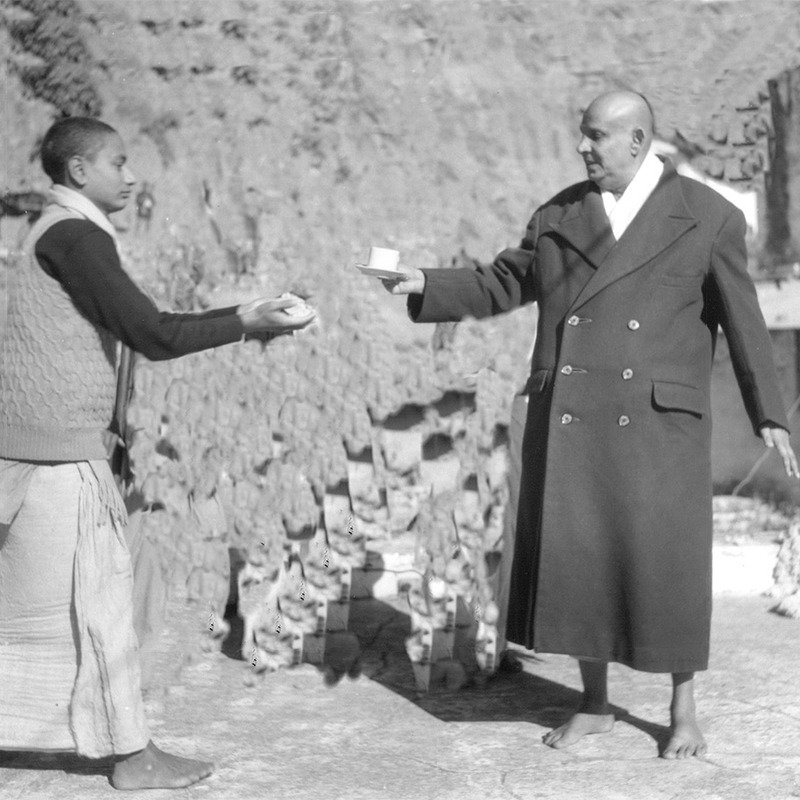
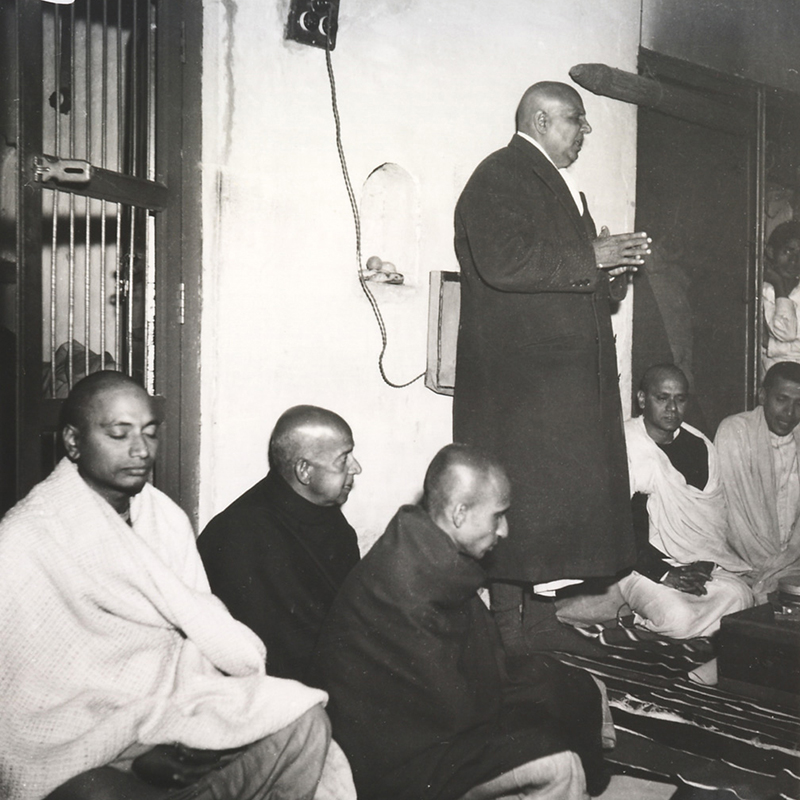
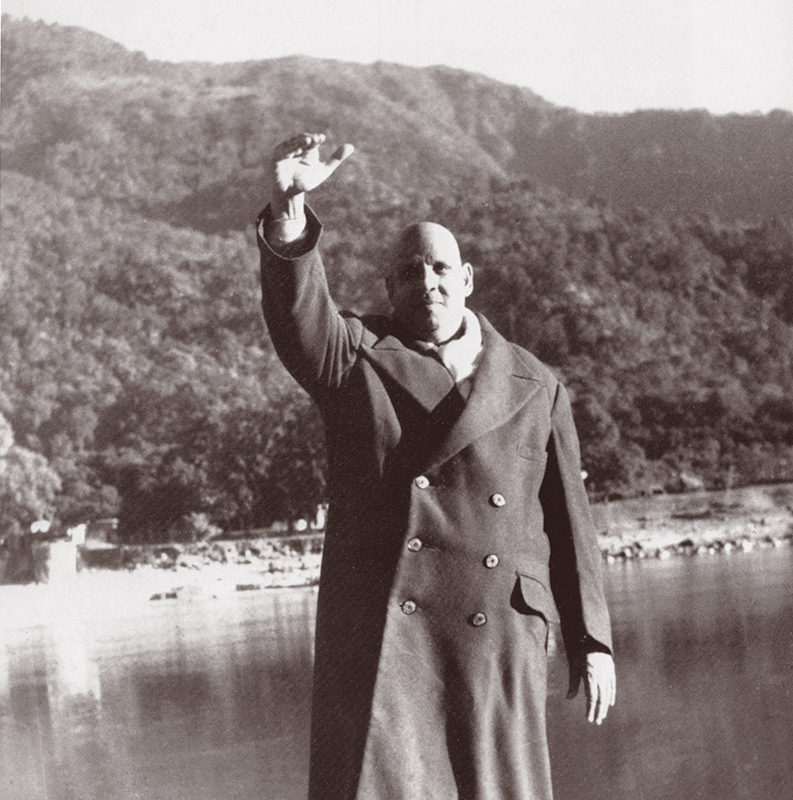
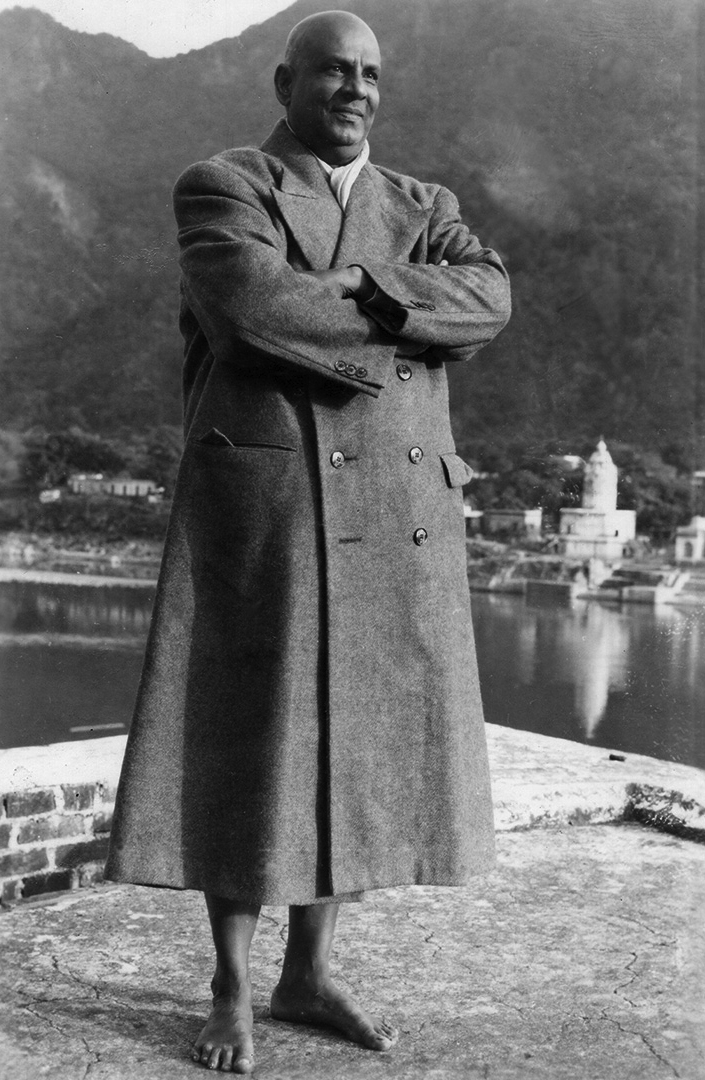
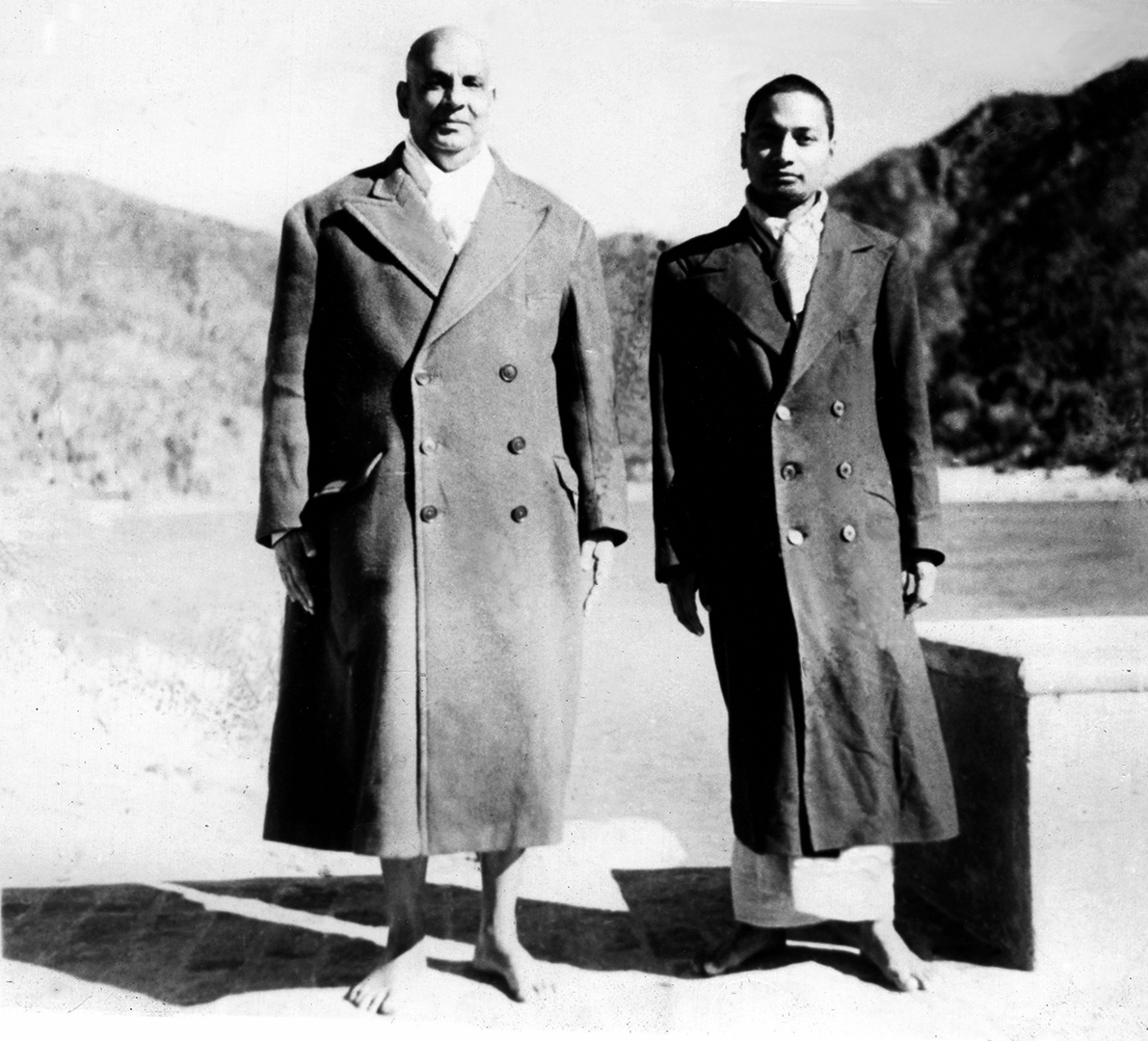
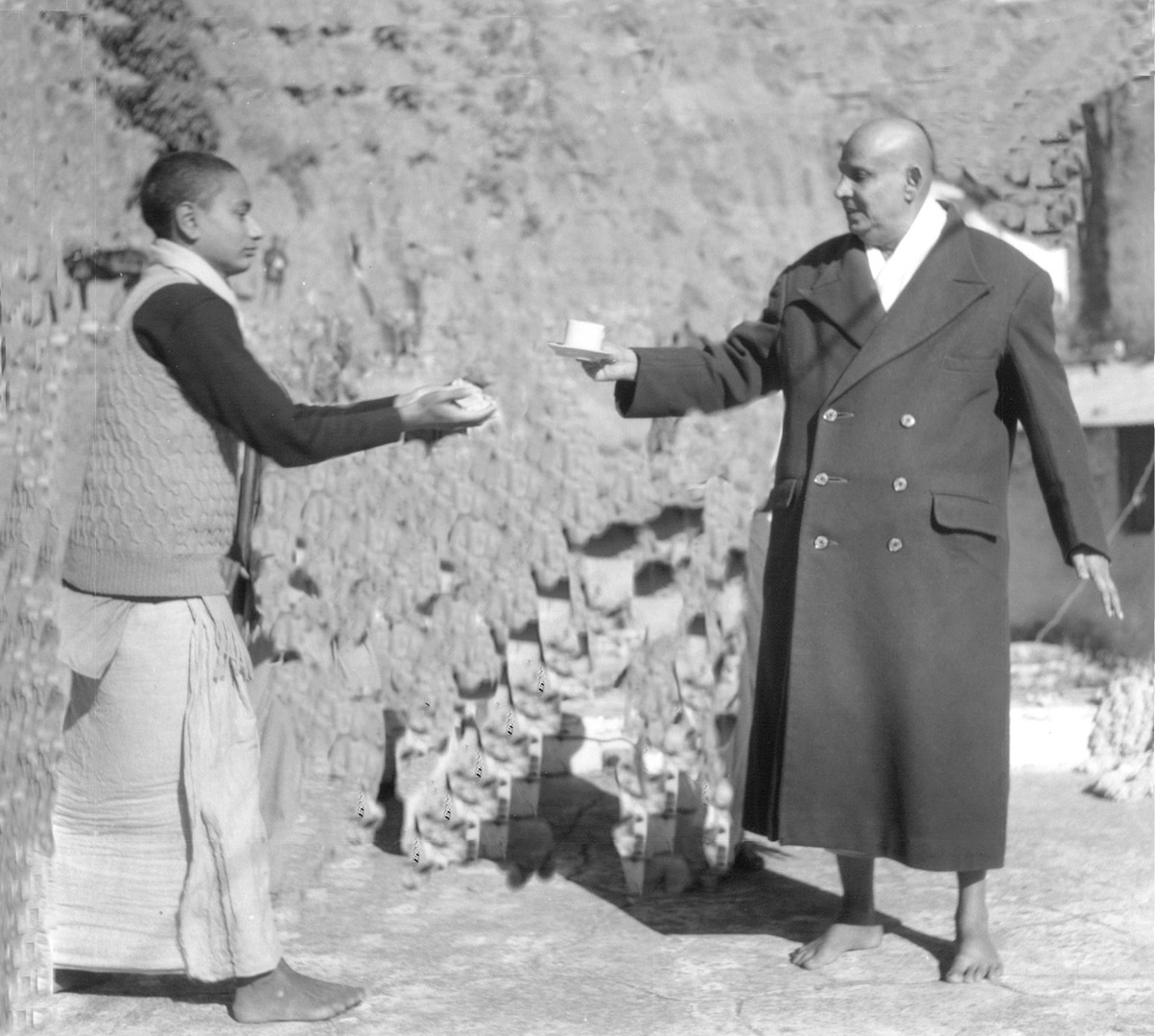
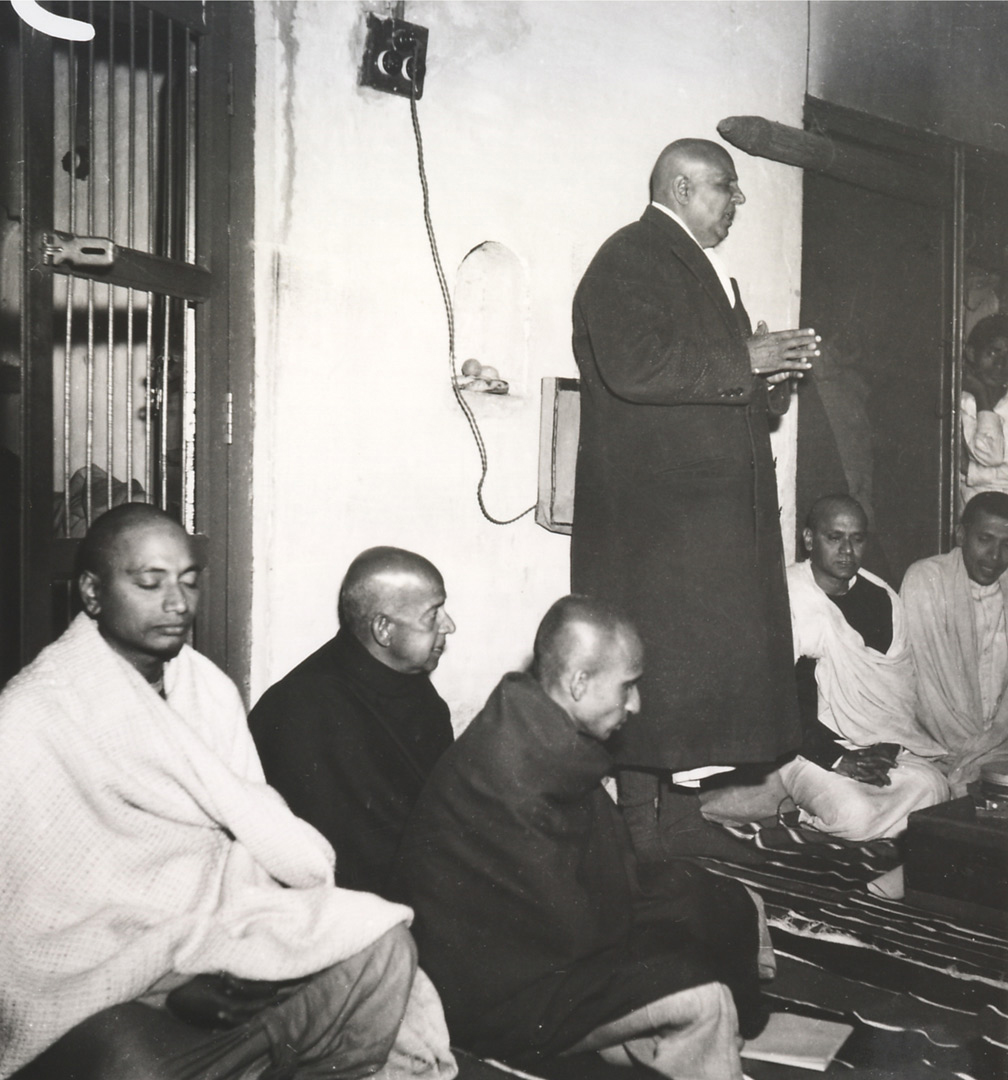
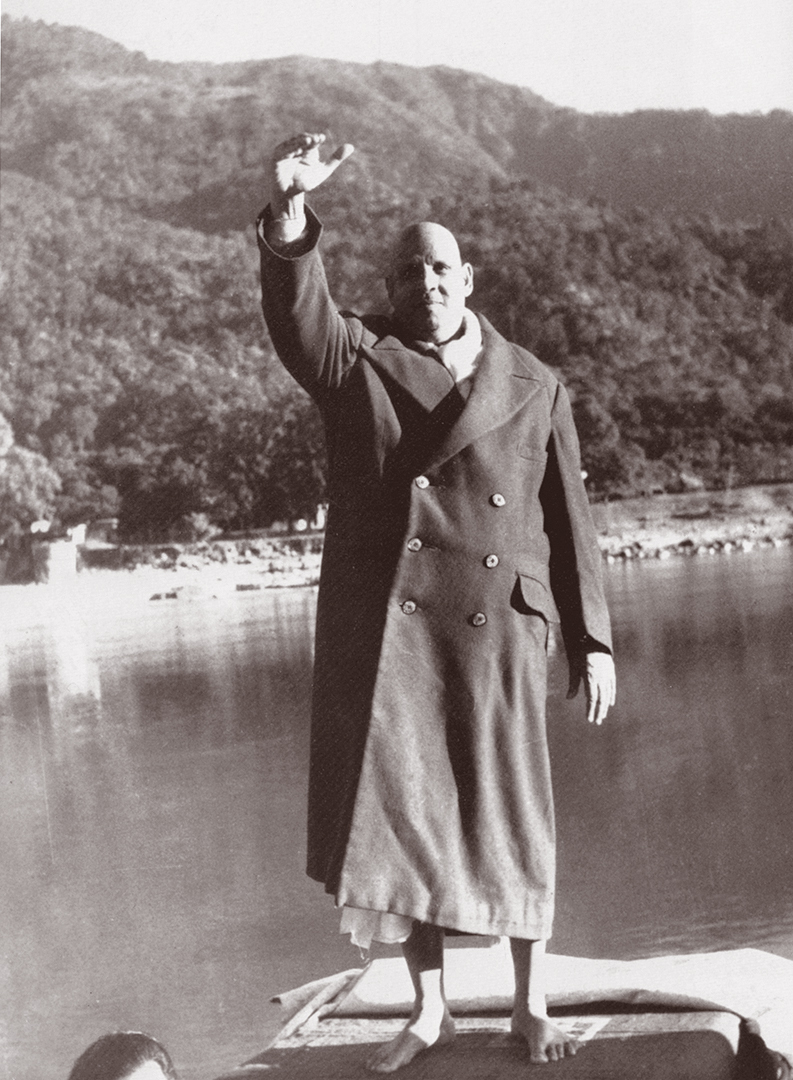
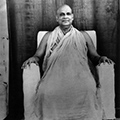
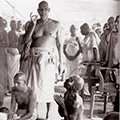
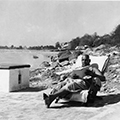
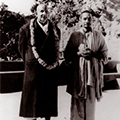
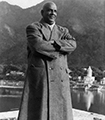
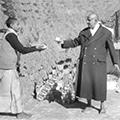
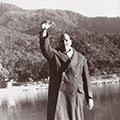
Master Sivananda in a huge and heavy winter coat given to him as a gift by an ashram visitor. Here he is, the towering giant, who couldn't help standing out, even sitting down.
-
 See full screen image
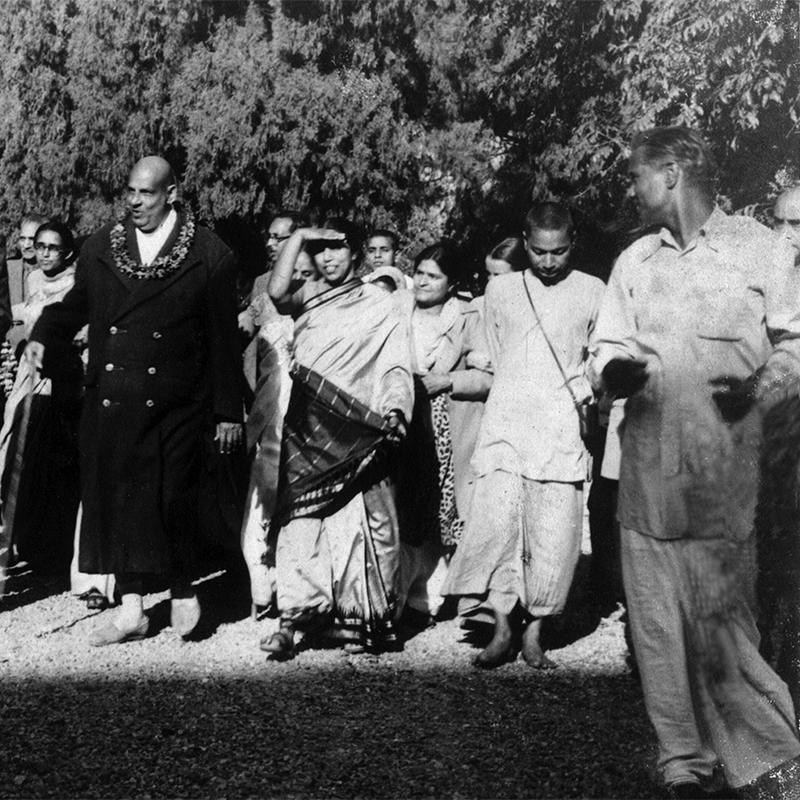
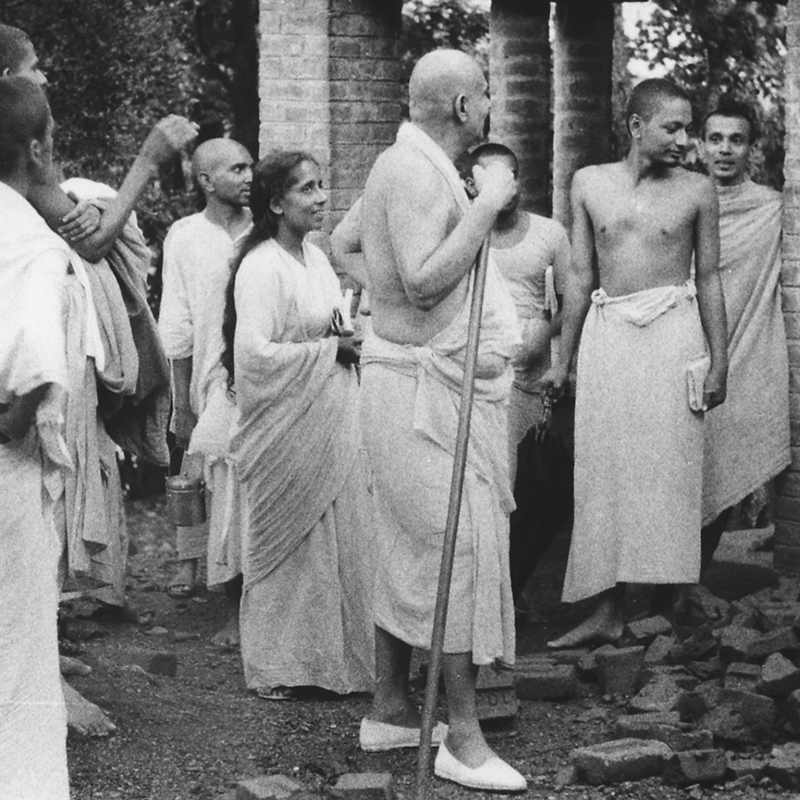
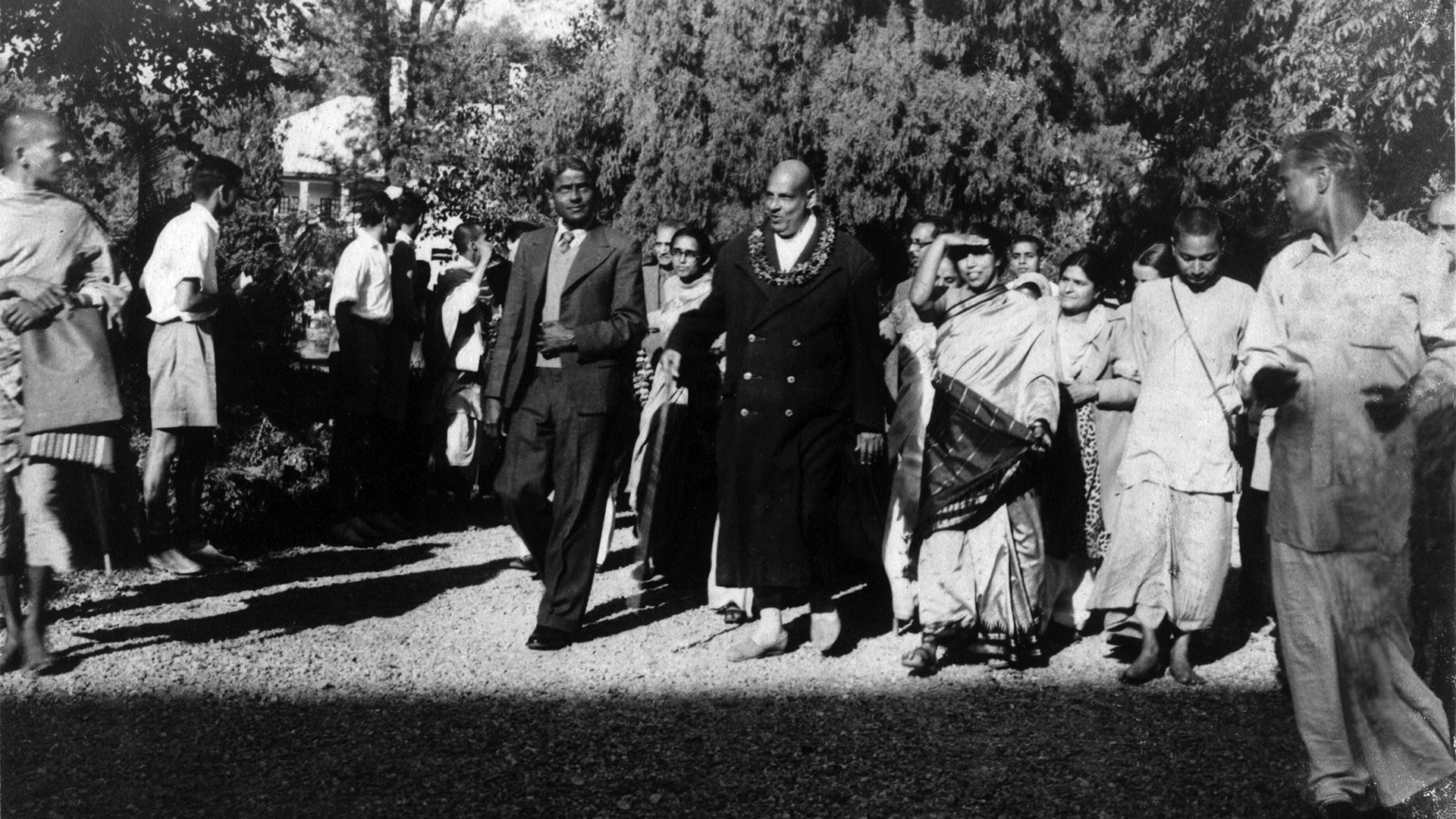
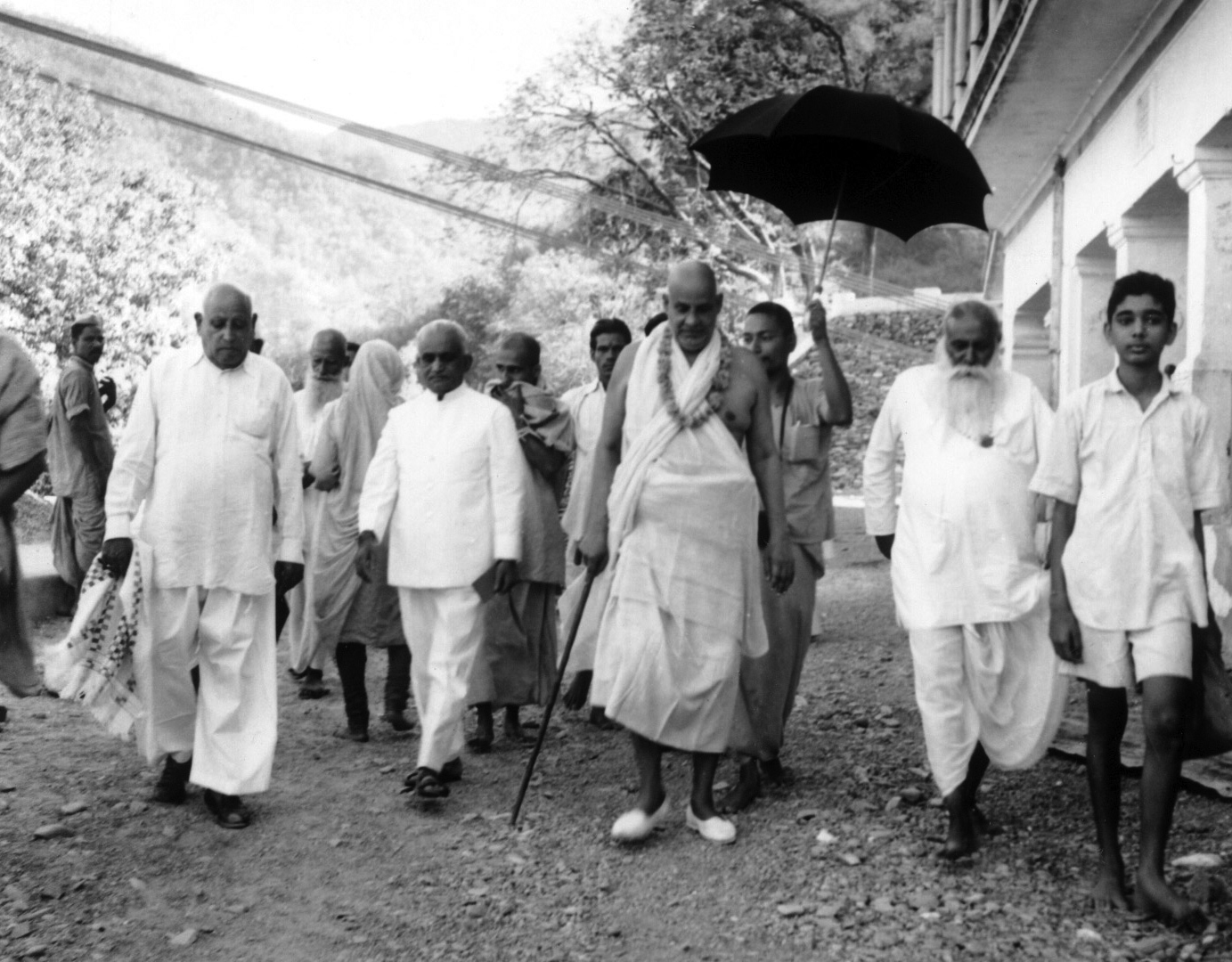
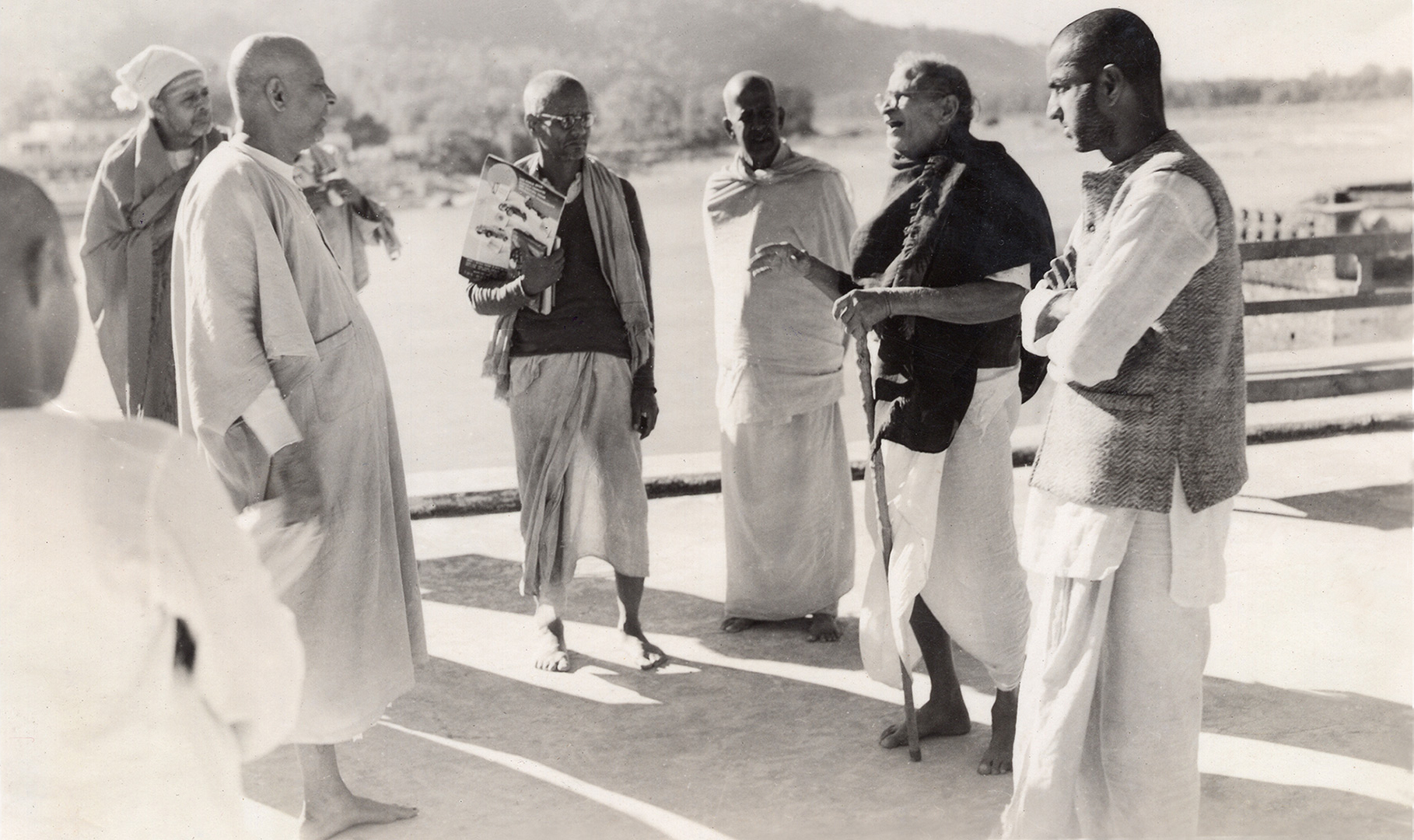
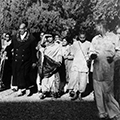
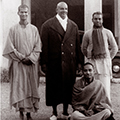
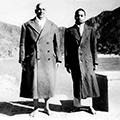
Swami Sivananda (in his enormous winter coat), walking with guests, devotees, and disciples (Venkatesa 2nd in from right).
-
 See full screen image
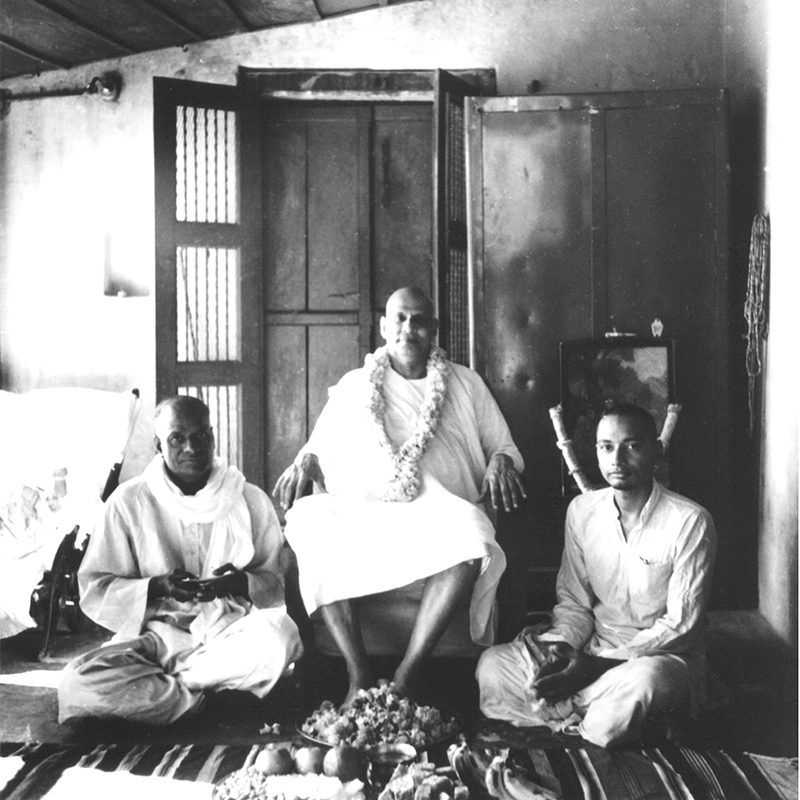
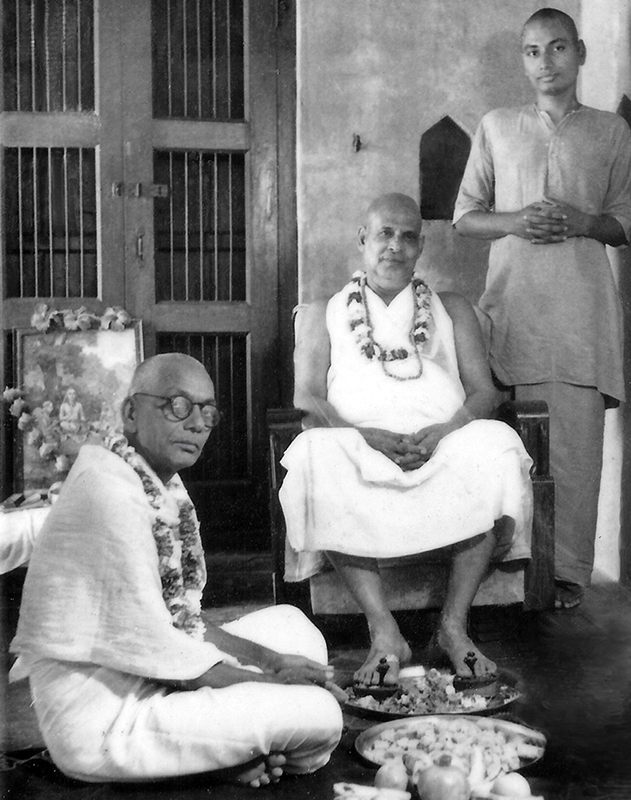
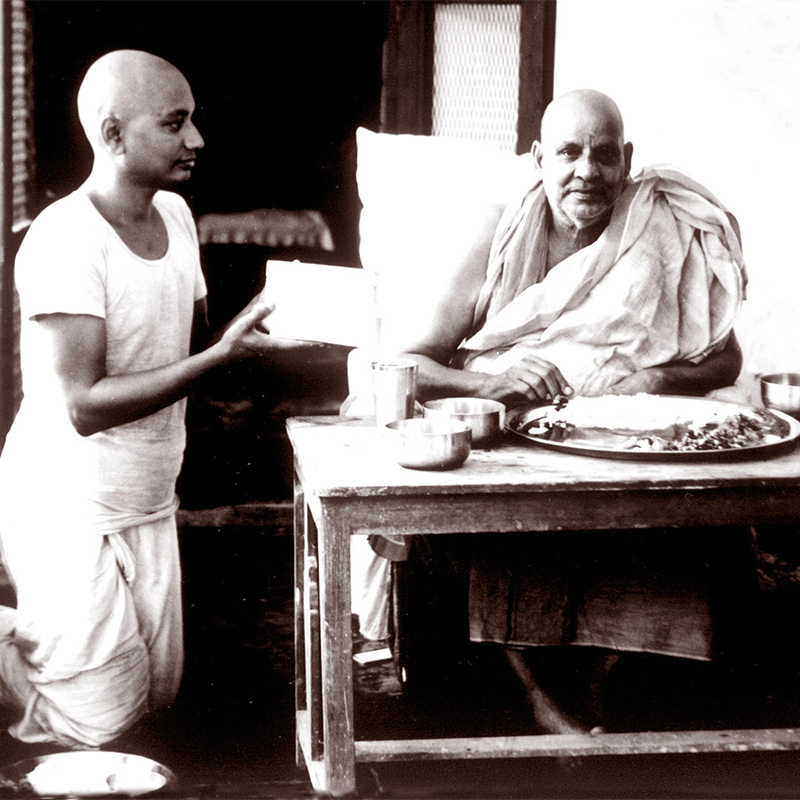
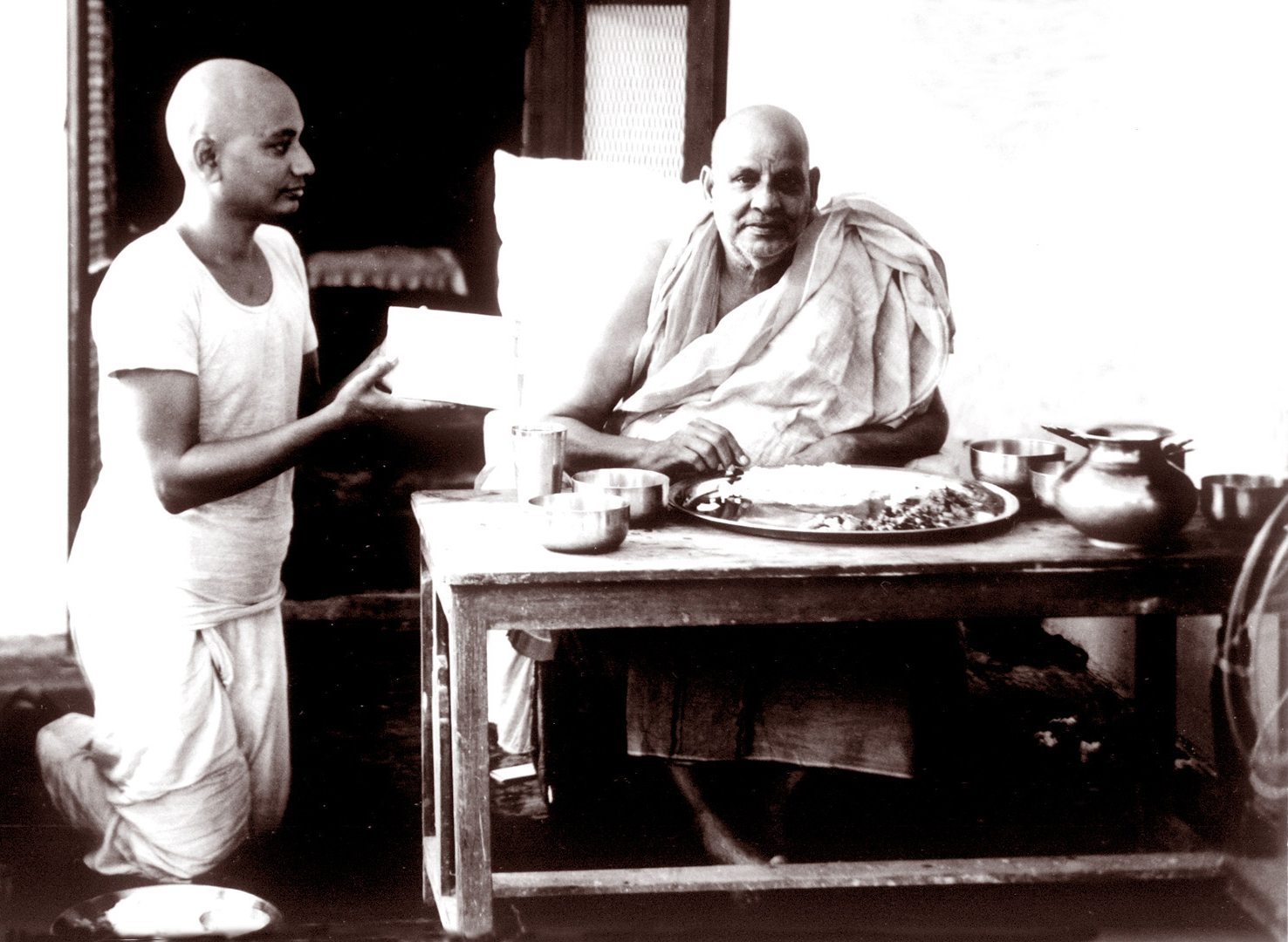
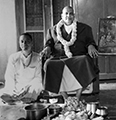
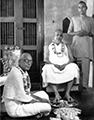
Here Swami Venkatesananda sits next to his guru, Master Sivananda, waiting to receive and offer refreshments to visitors to the Ashram.
-
-
-
-
-
 See full screen image
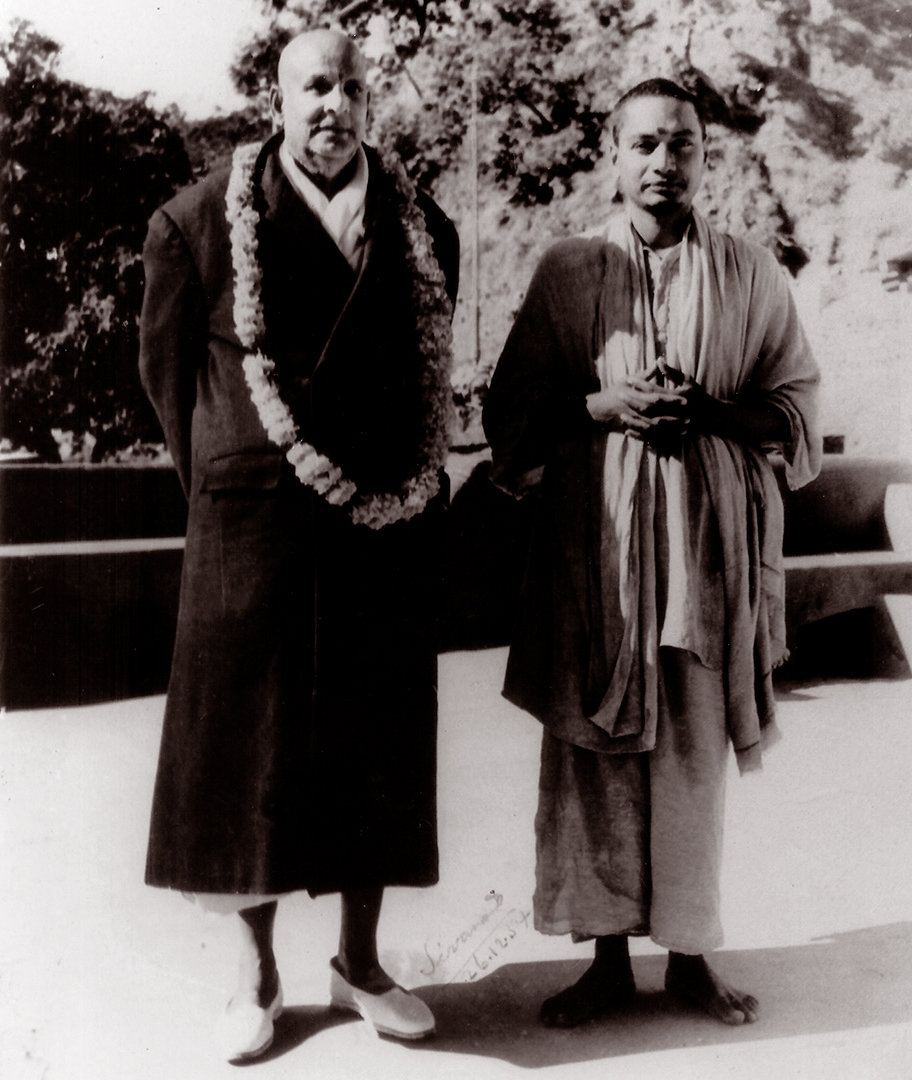
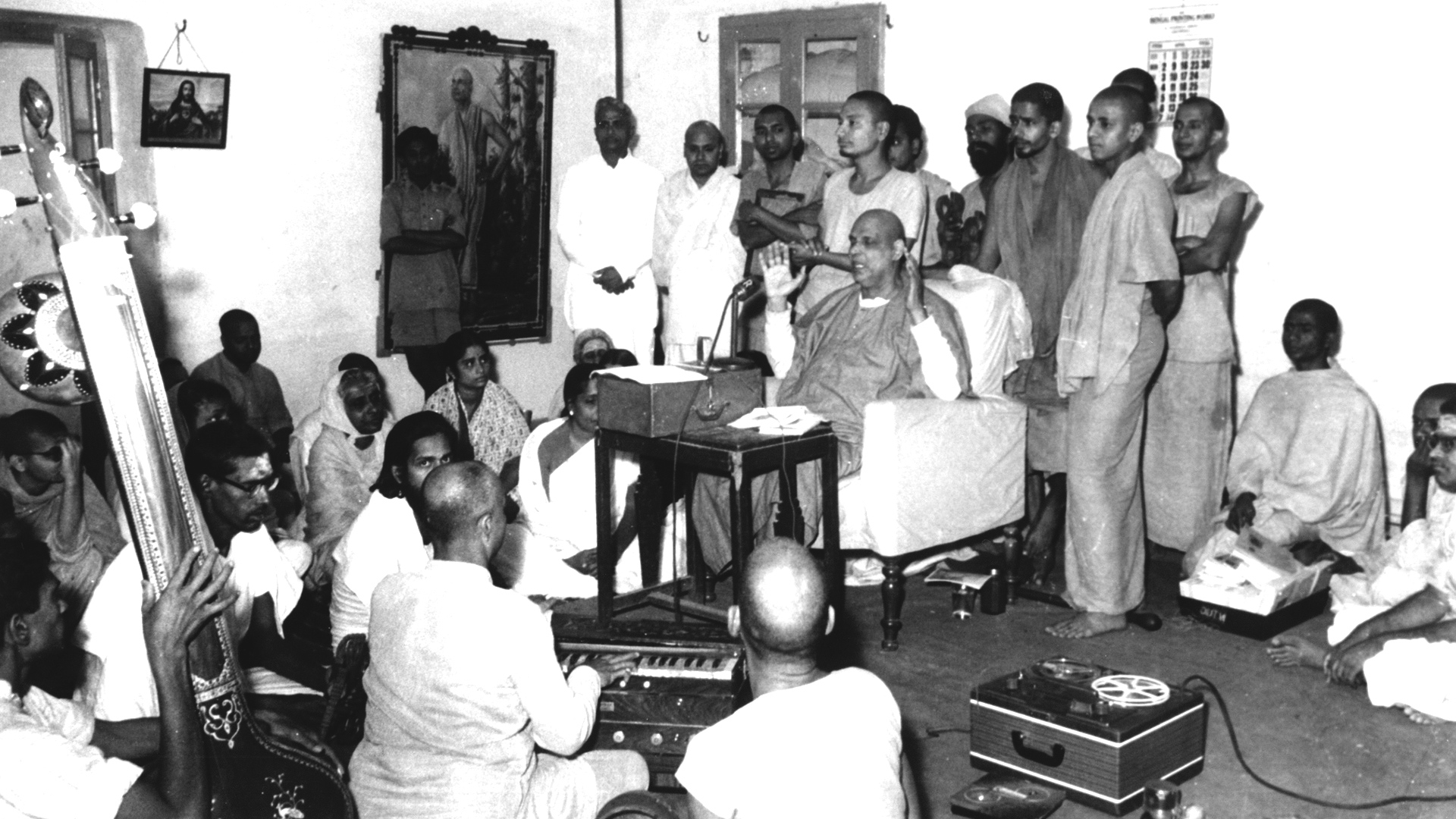
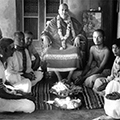
The Master with Swami Venkatesananda, receiving visitors to the ashram.
-
-
 See full screen image
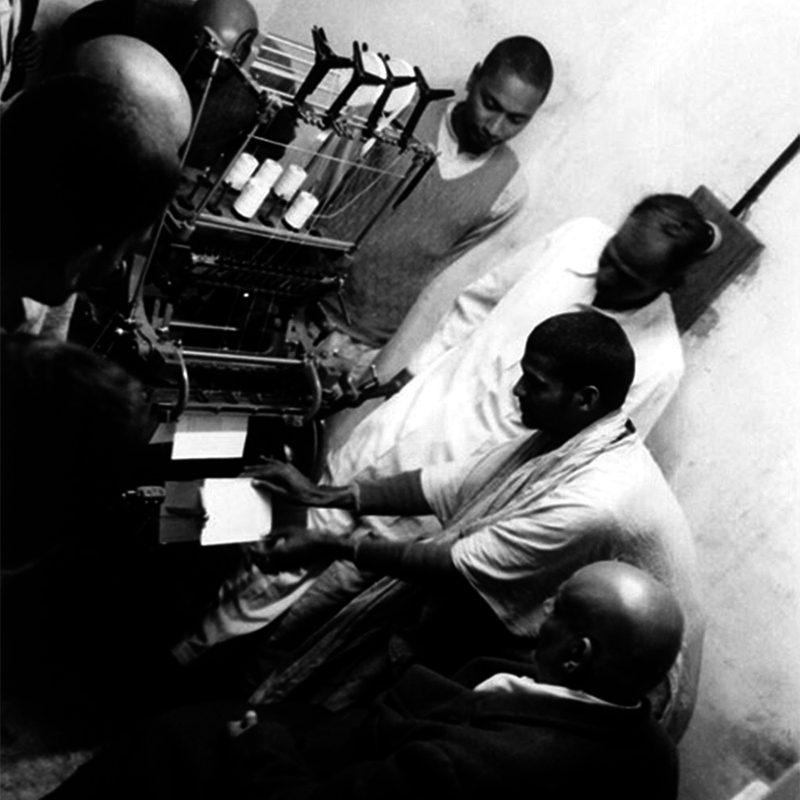
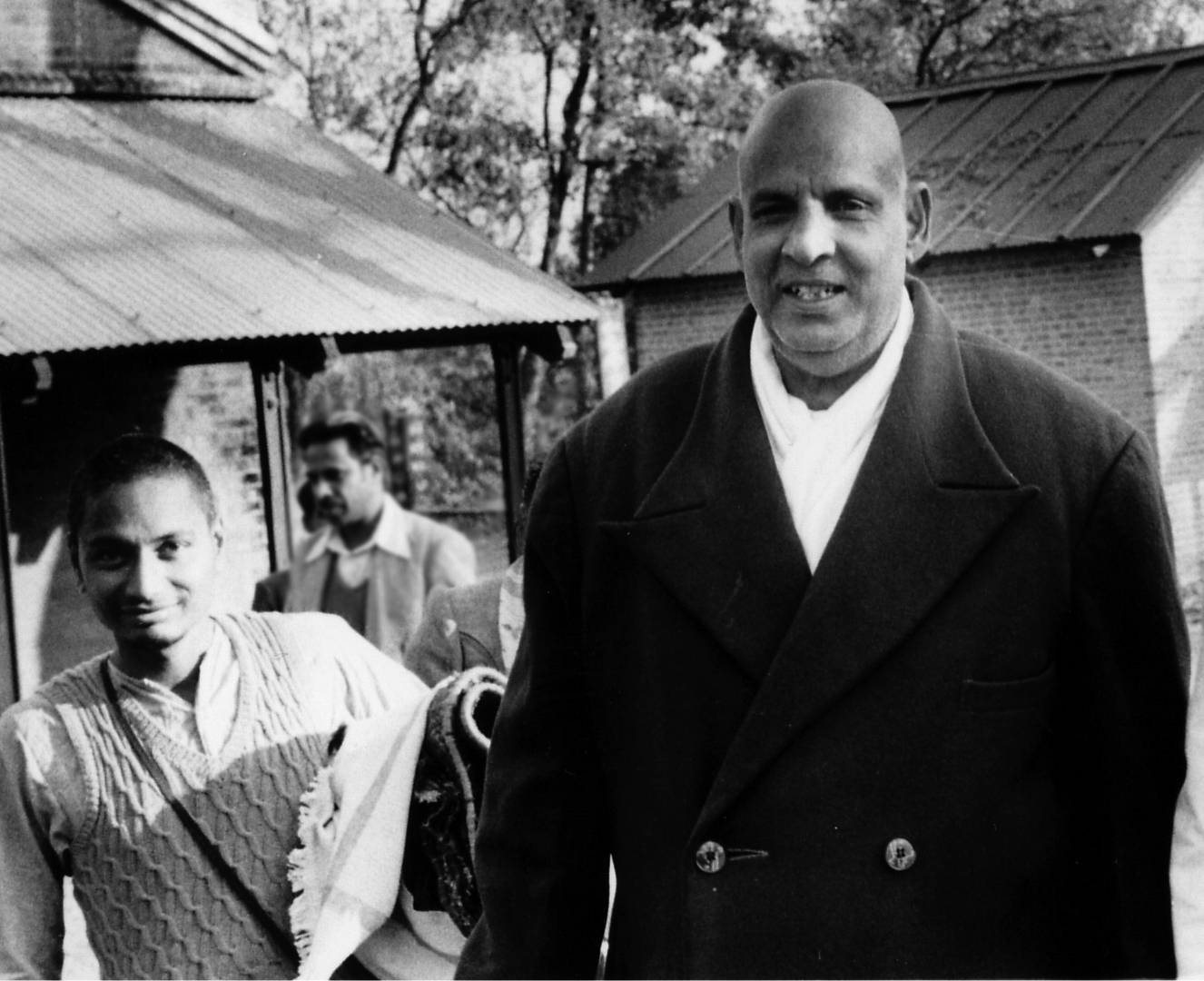
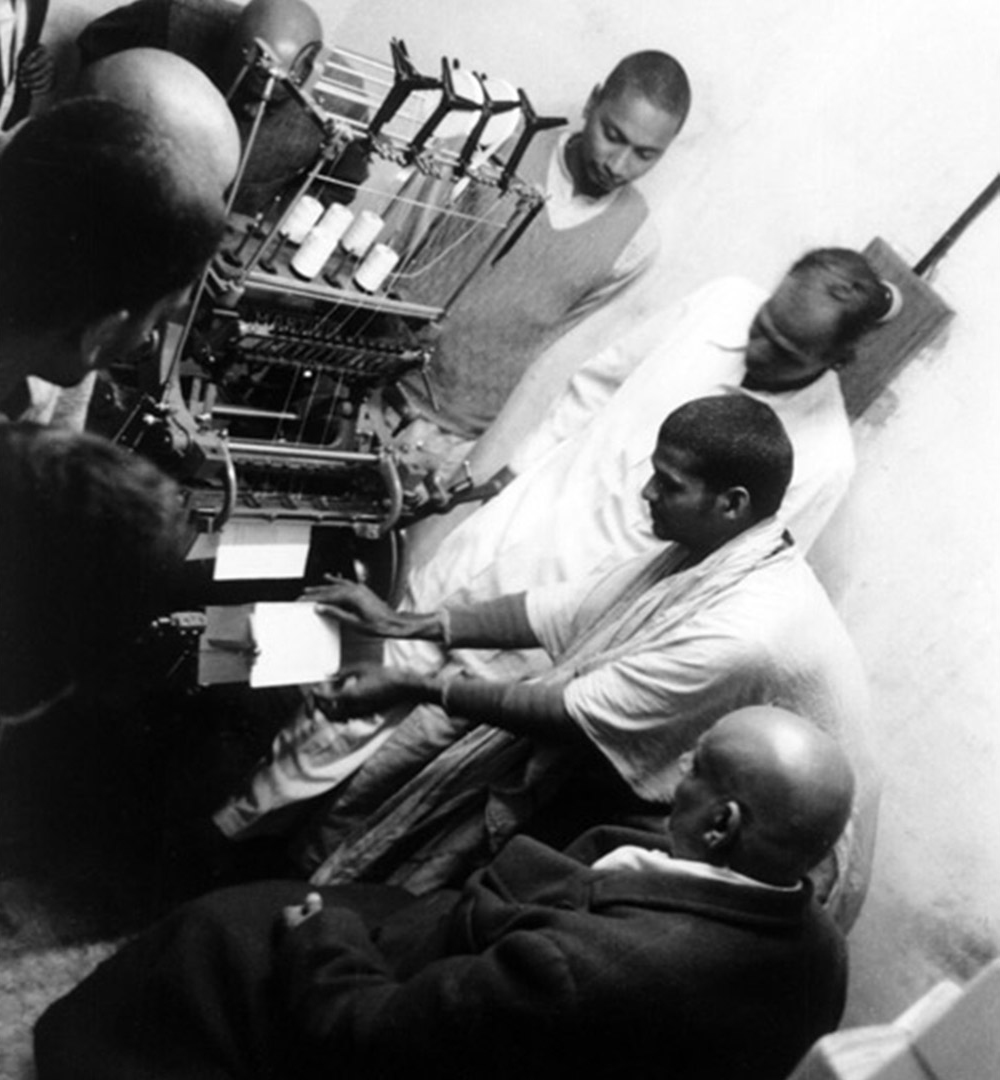
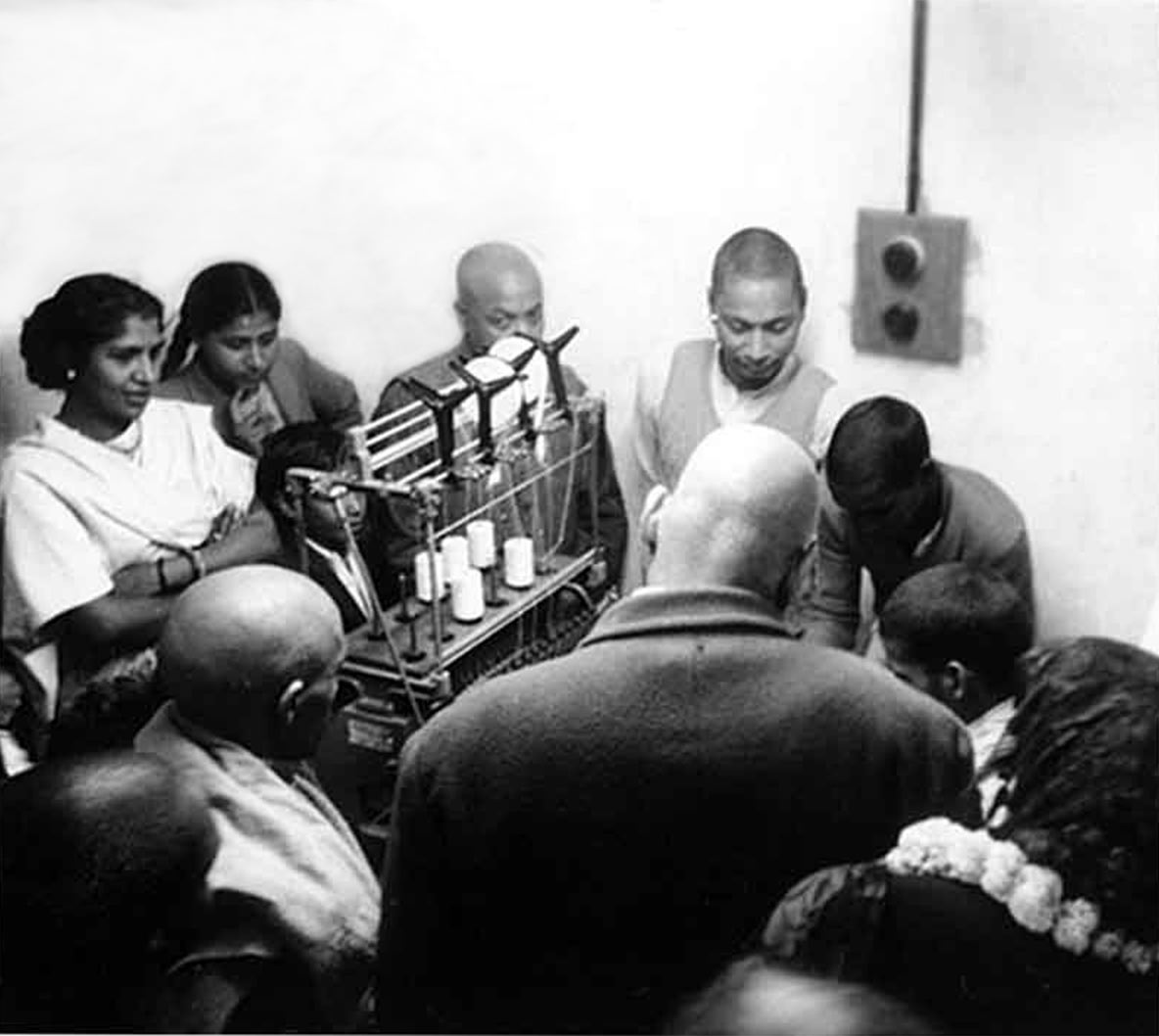
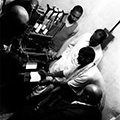
Swami Sivananda (bottom) in his winter coat, testing the book binding machine at the Divine Life Society Press. (Swami Venkatesananda looking on at the top right, wearing the sweater.
-
 See full screen image
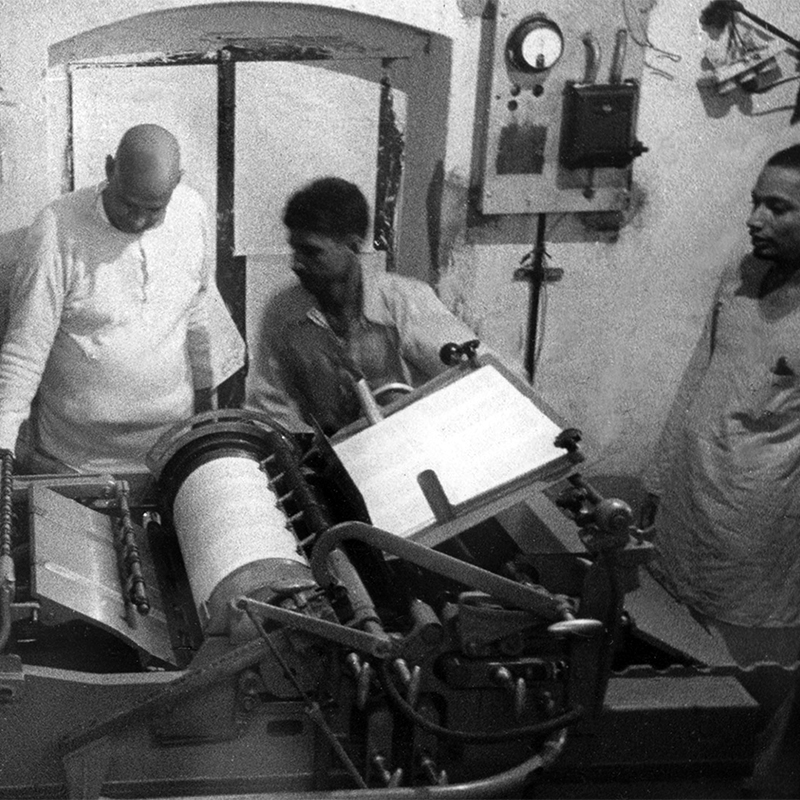
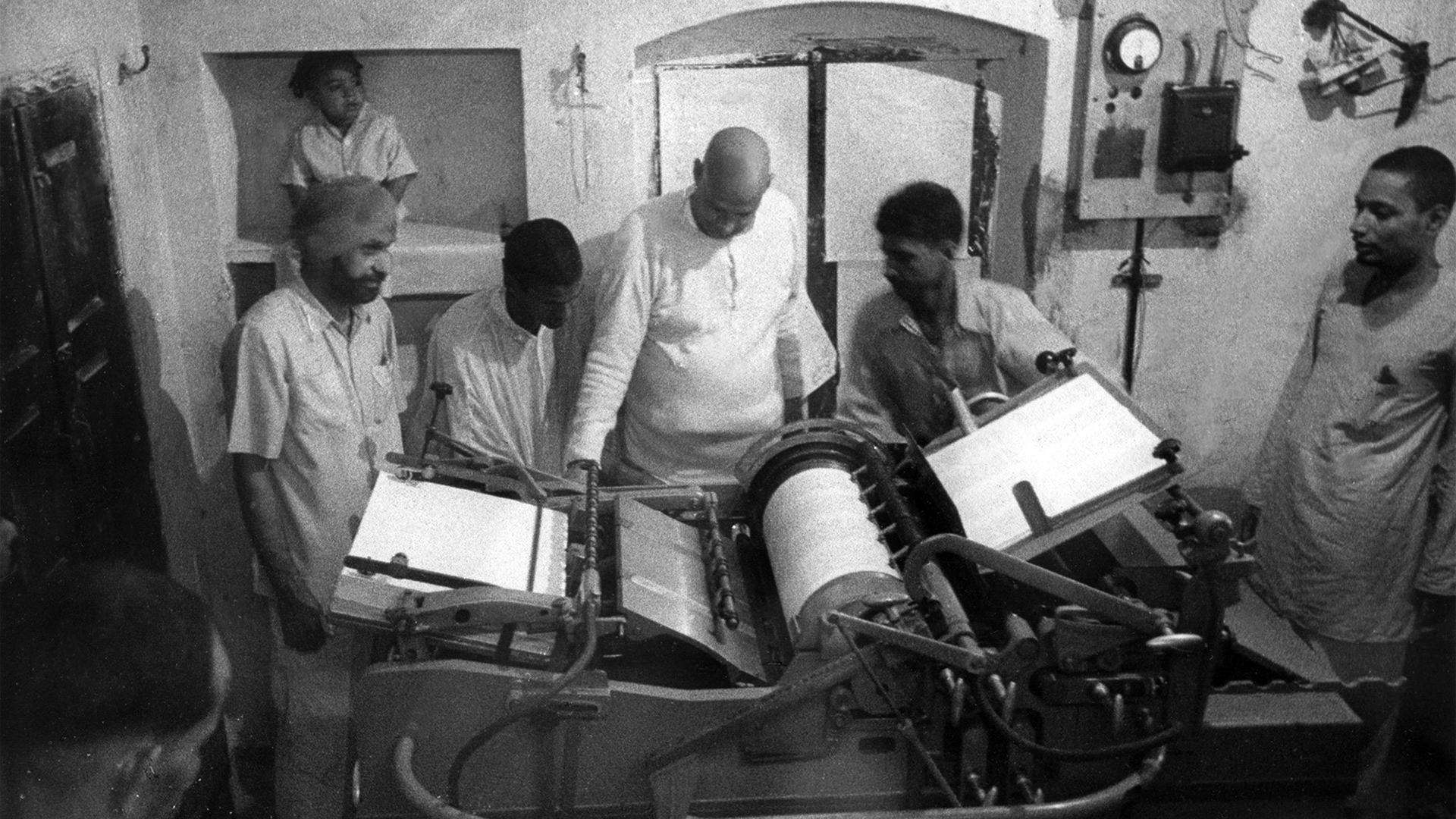
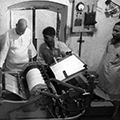
Swami Sivananda (center) examining the operation of the ashram's printing press.. (Swami Venkatesananda looking on far right).
-
 See full screen image
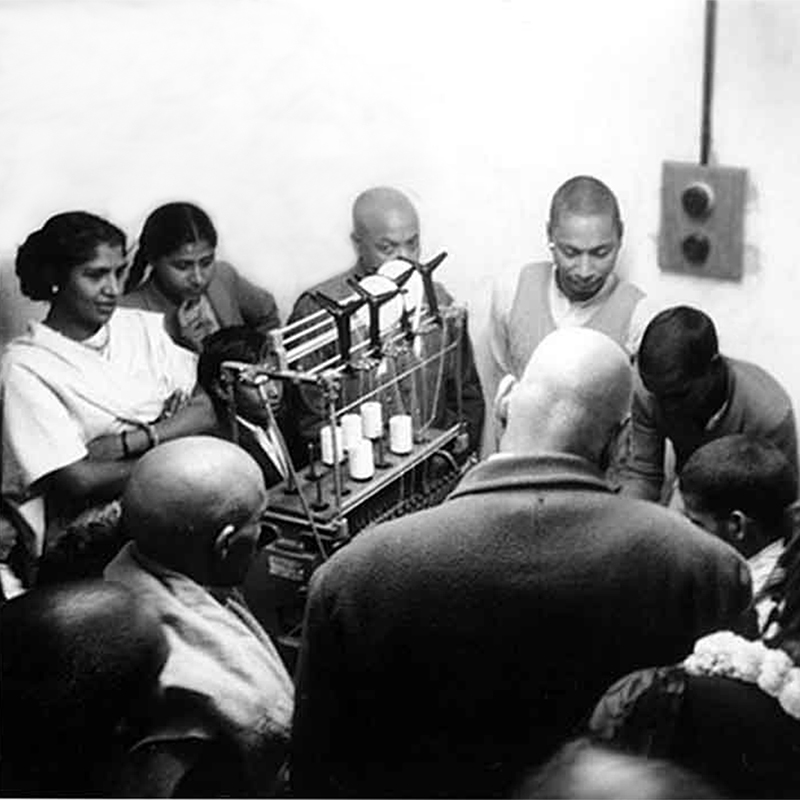
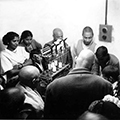
Here putting together one of books on yoga and spiritual life that were either written or dictated by Swami Sivananda, or taken down from (Swami Venkatesananda's) memory. There were actually hundreds of these books and booklets, which were distributed by The Divine Life Society during and after the master's lifetime. The Divine Life Society has published a list, but whether it is complete or not is not known.
-
 See full screen image
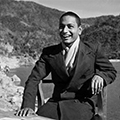
Young Swami Venkatesananda at the Sivananda Ashram, looking over some of his master's books.
-
 See full screen image
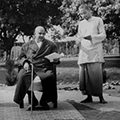
As both a Sanksrit scholar and yogi, Swami Venkatesananda was eminantly qualified to assist with the publishing of Sanksrit texts and books by Swami Sivananda. In fact, many of the master's books are the result of disciple Venkatesananda going back to his room, after the master had spoken at evening satsang, and typing out the entire talk from memory. He served in this capacity until Swami Sivananda sent to him to South Africa in 1961 to assist The Divine Life Society there to assist in the publishing of Swami Sivananda's magnificent version of The Bhagavad Gita. Swami Venkatesananda actually set all the type for that beautiful South African edition.
-
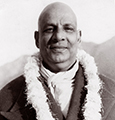
-
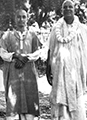
-
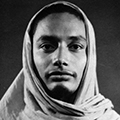 See full screen image
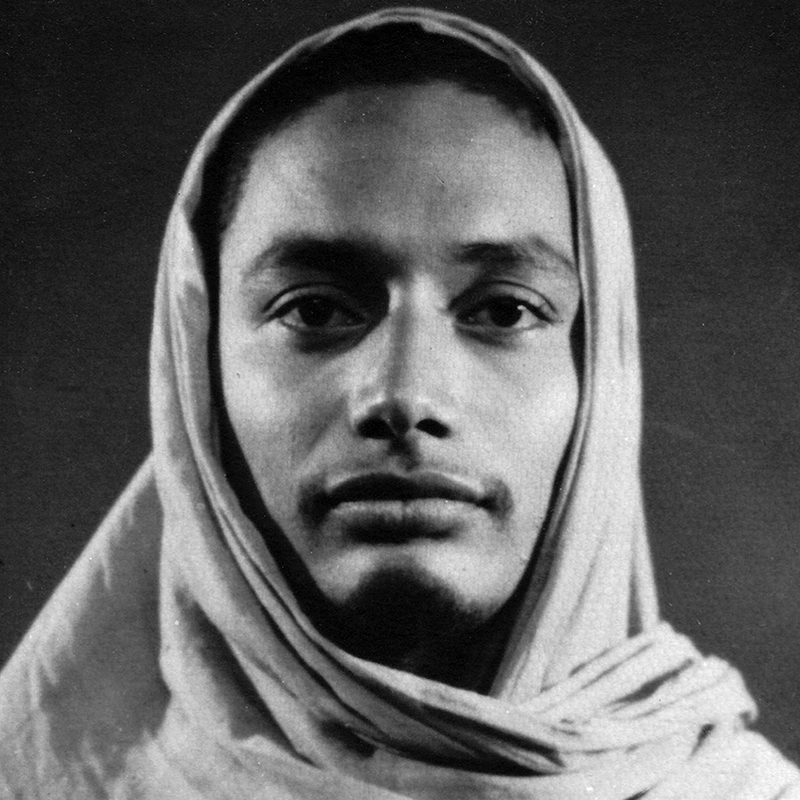
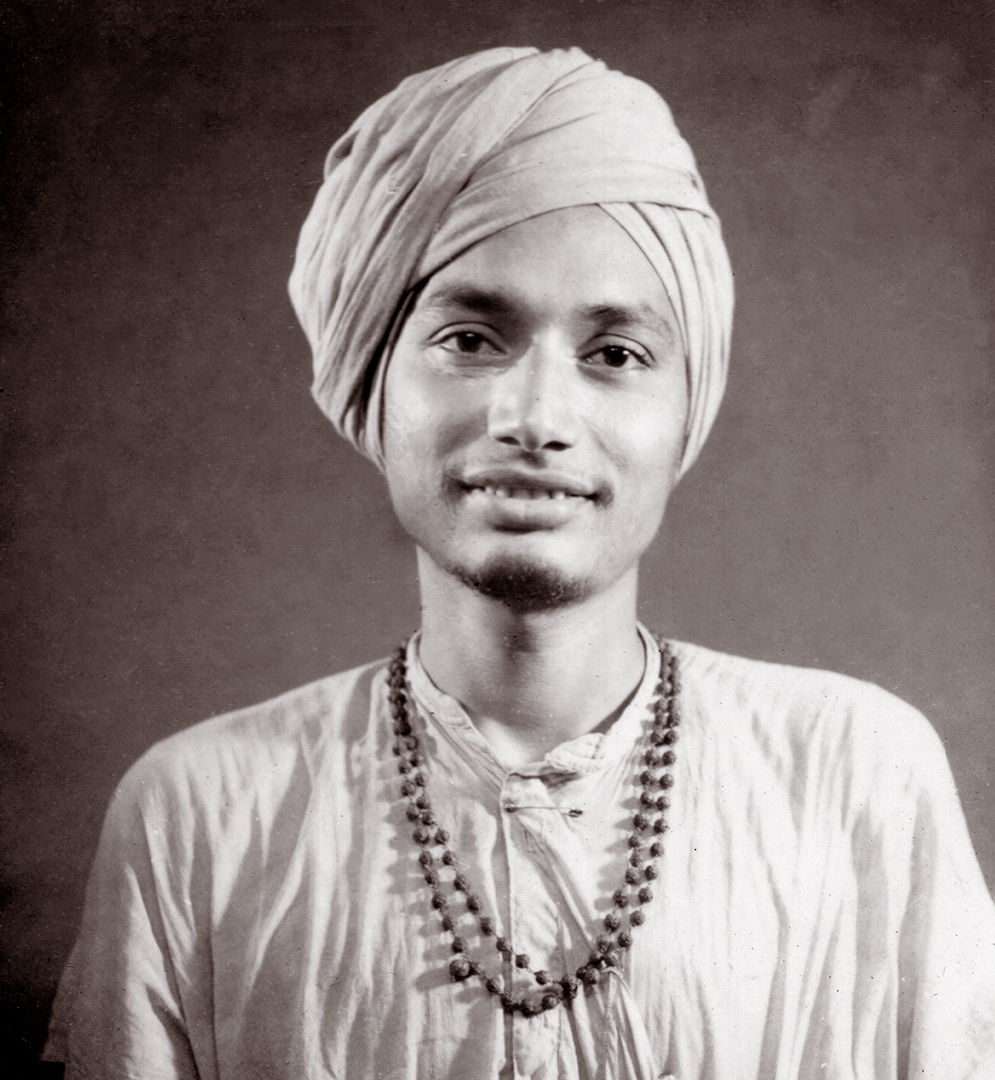
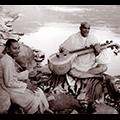
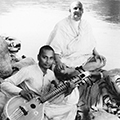
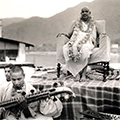
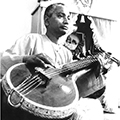
Swami Venkatesananda - early years in Rishikesh
-
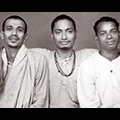
-
-
-
-
-
-
-
-
 See full screen image
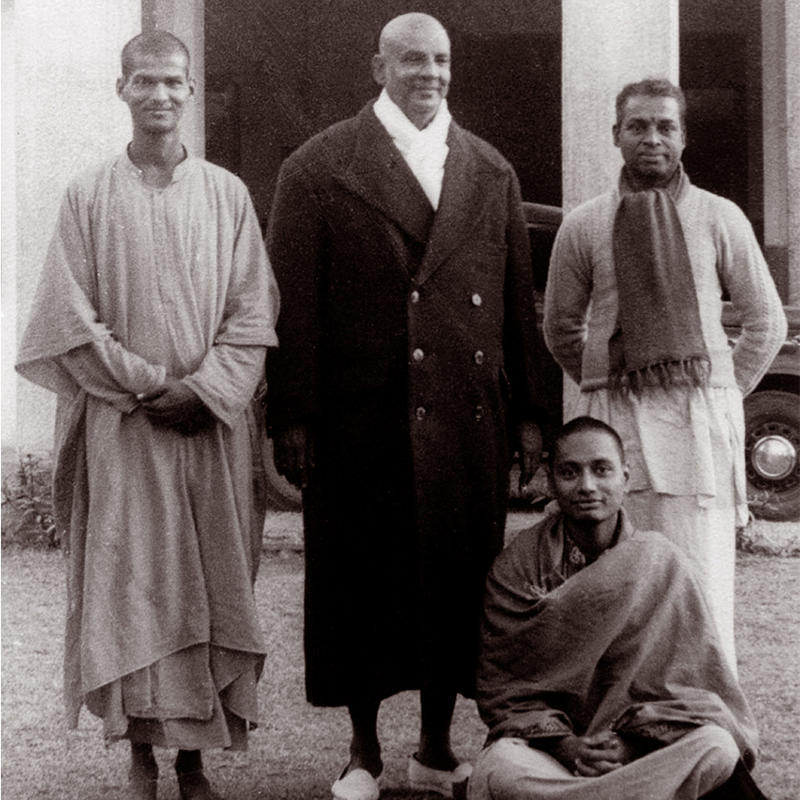
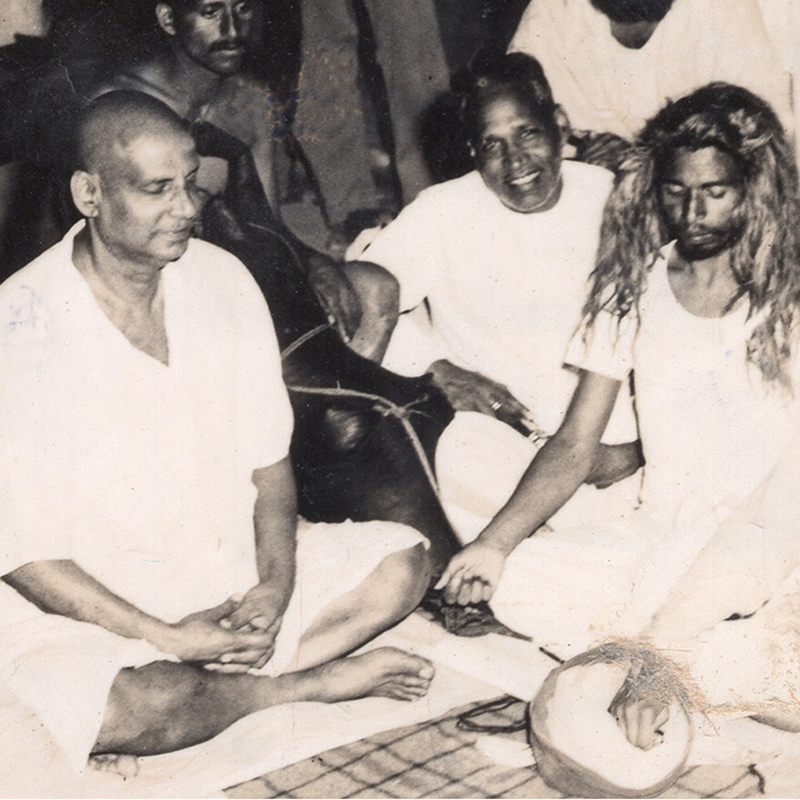
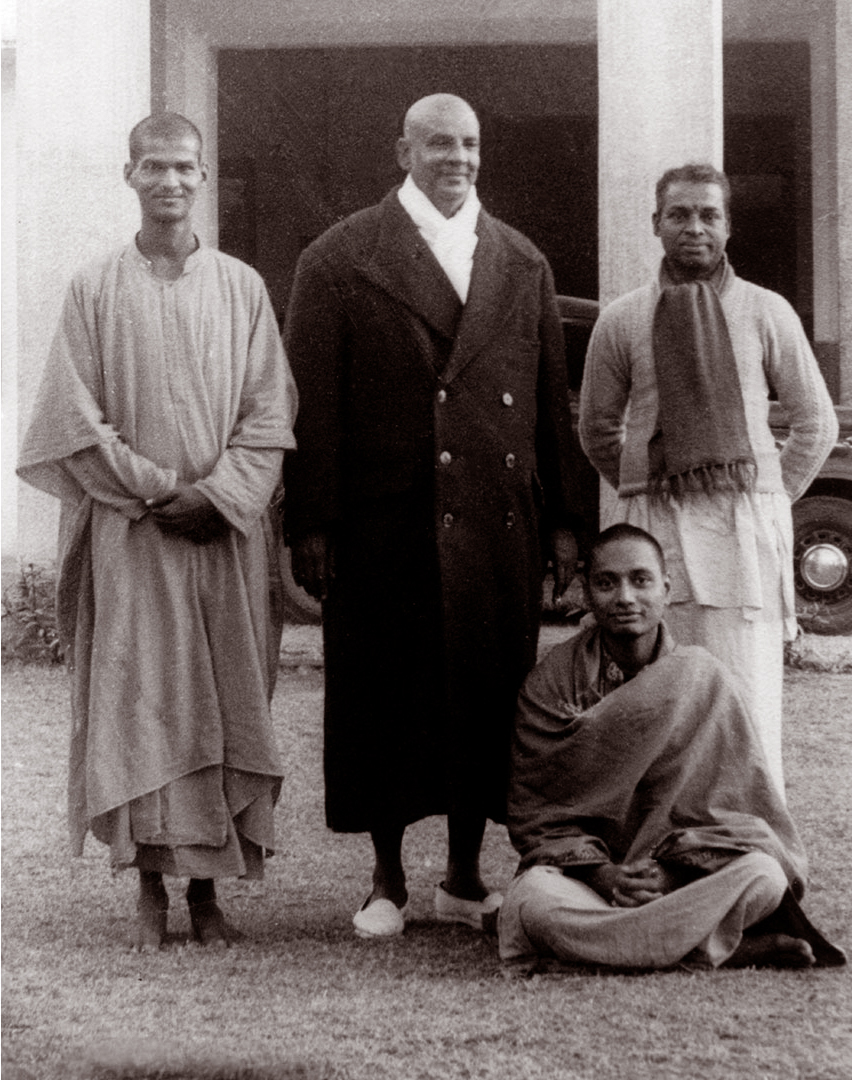
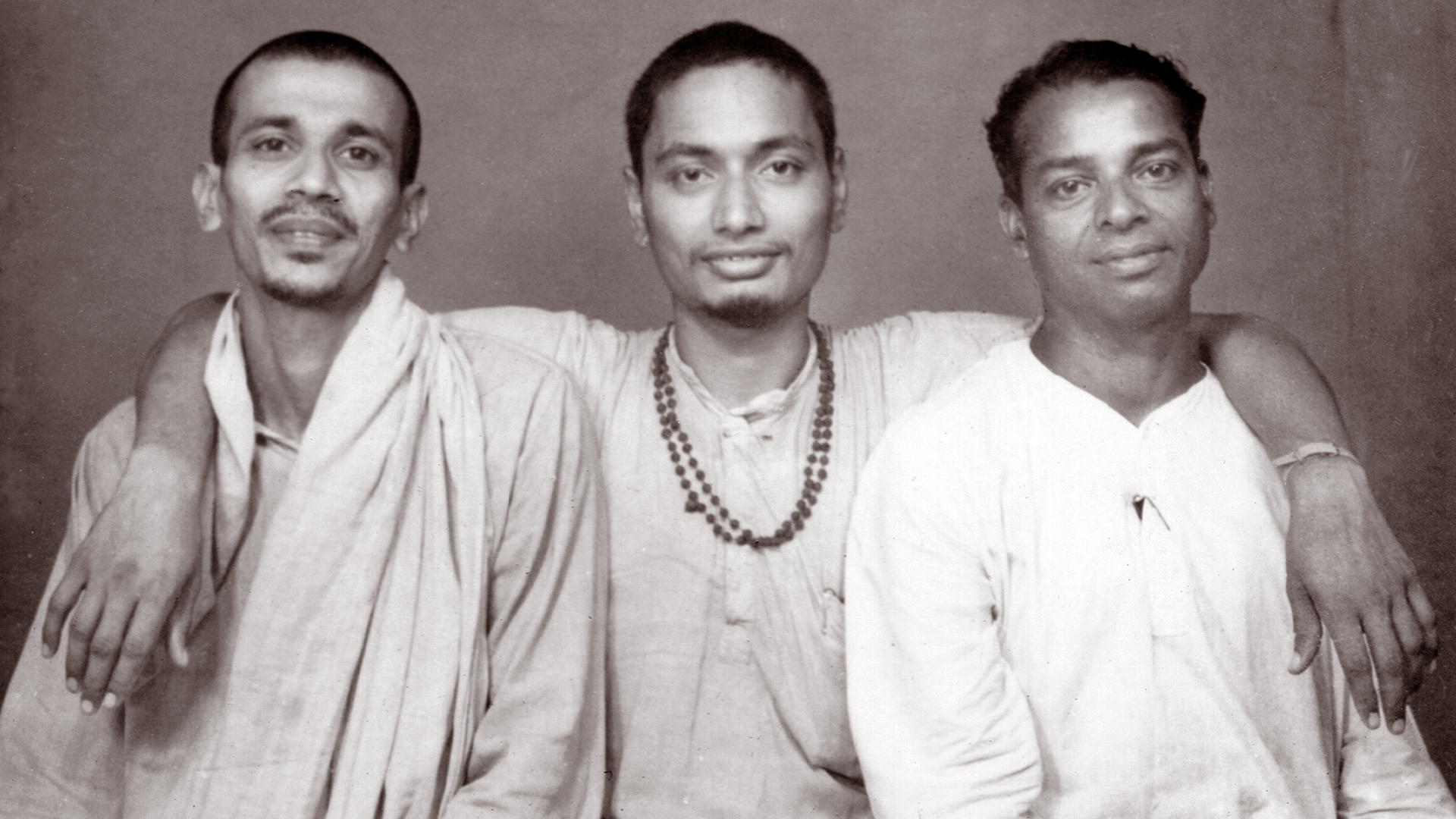
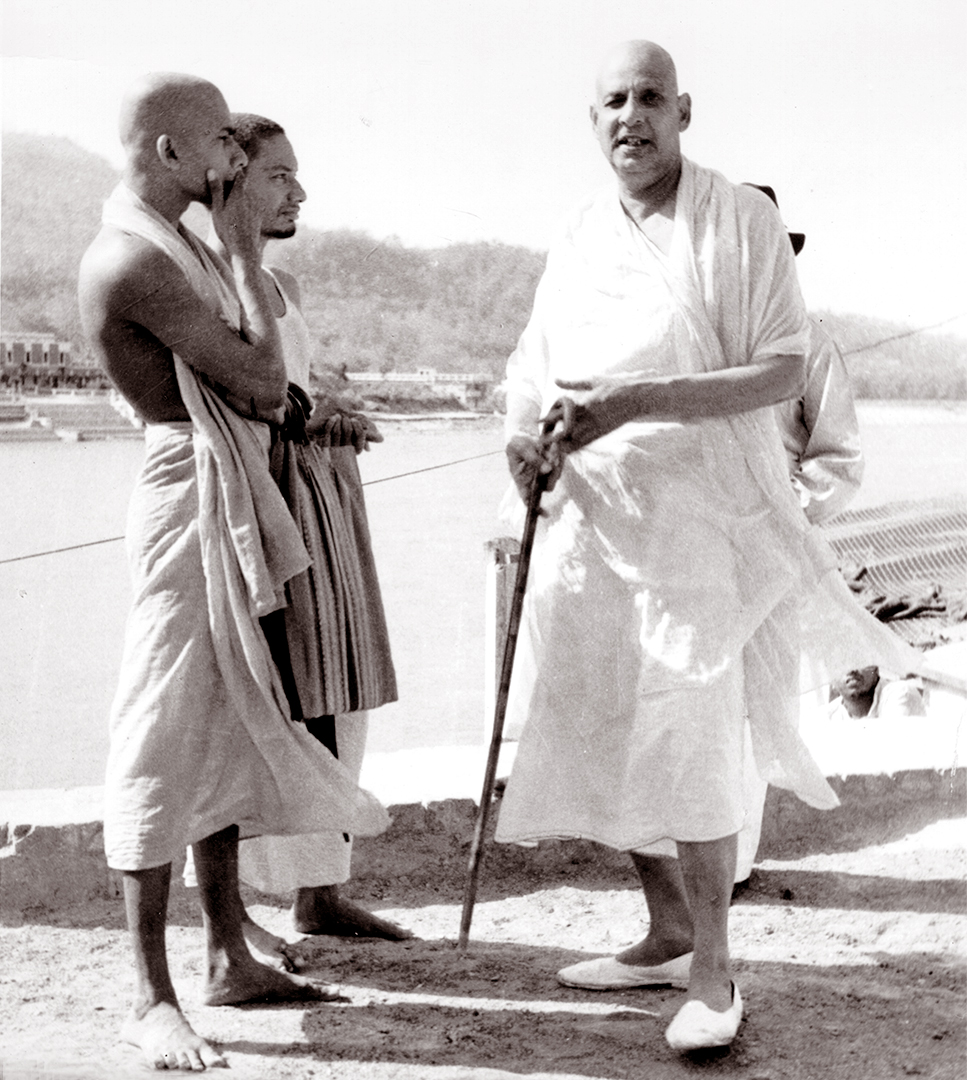
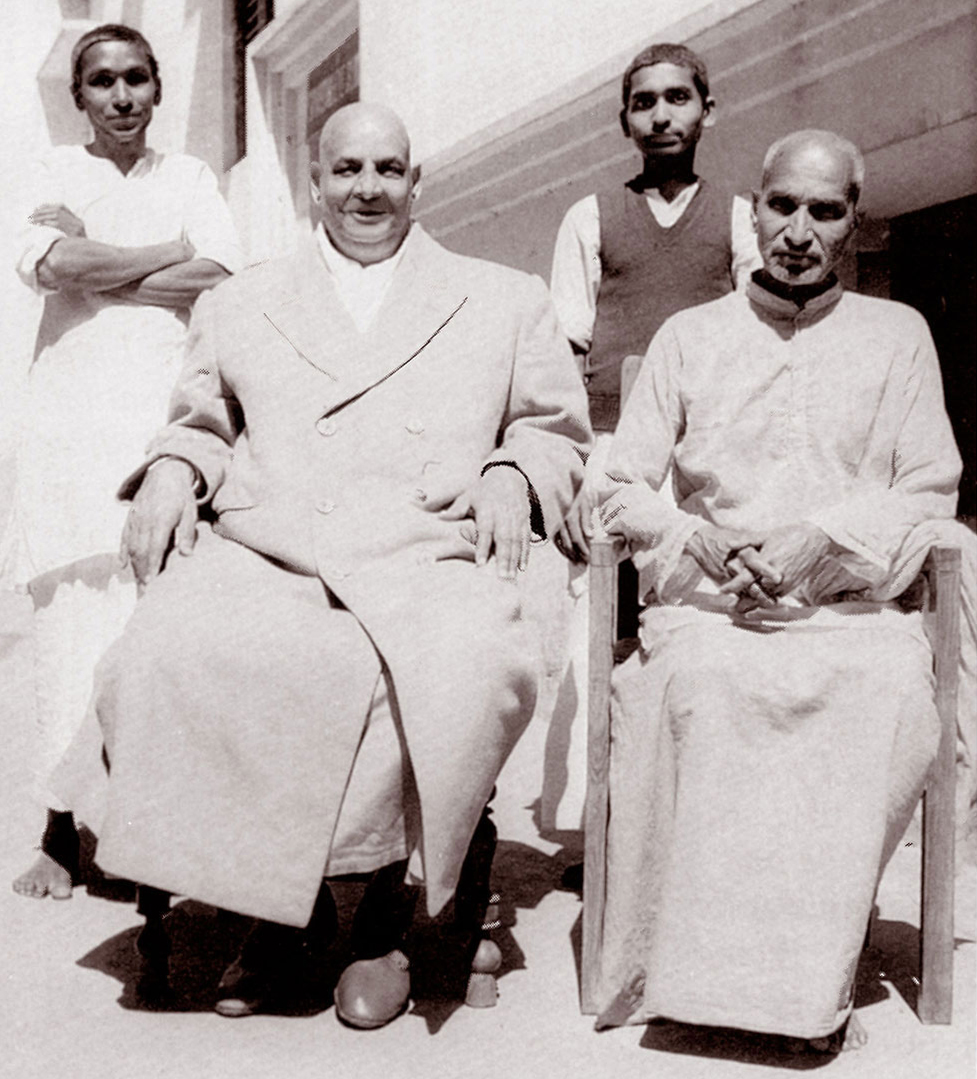
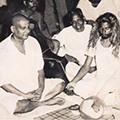
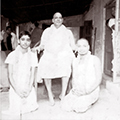
Swami Venkatesananda (far left) next to Swami Sivananda. together with two other unidentified yogis.
-
-
 See full screen image
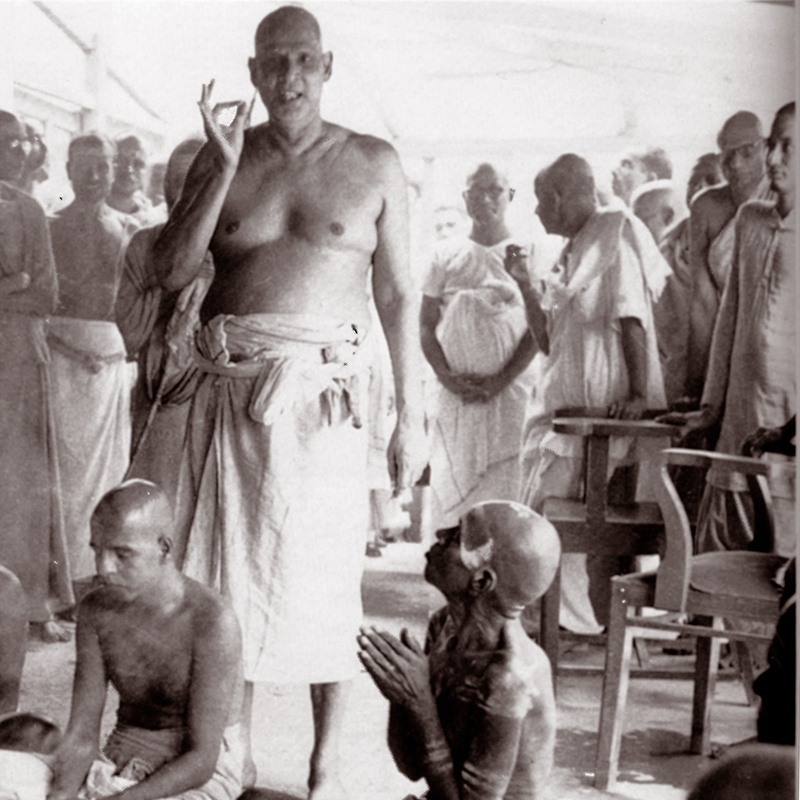
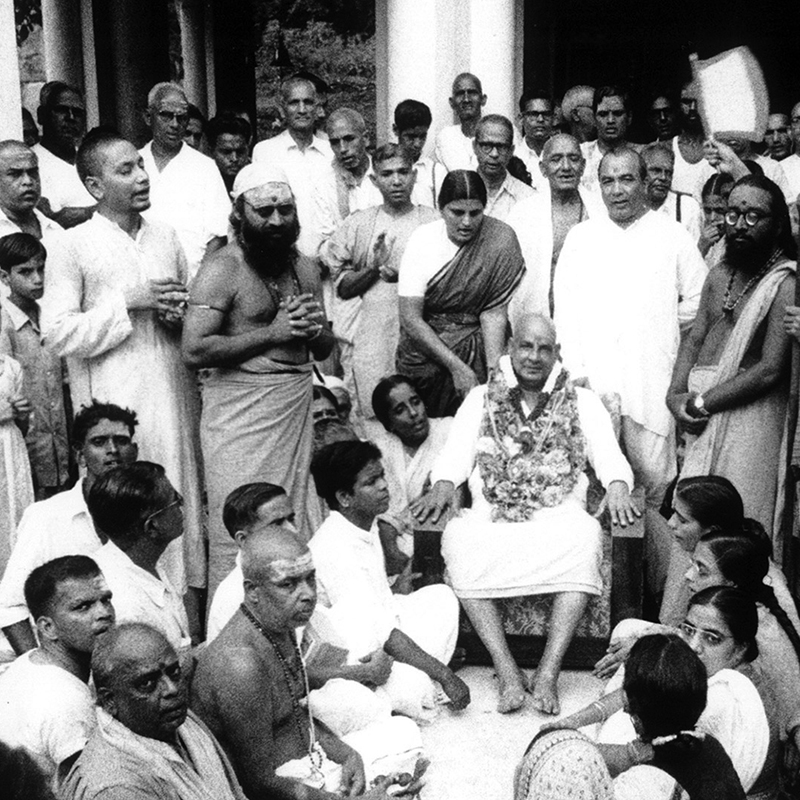
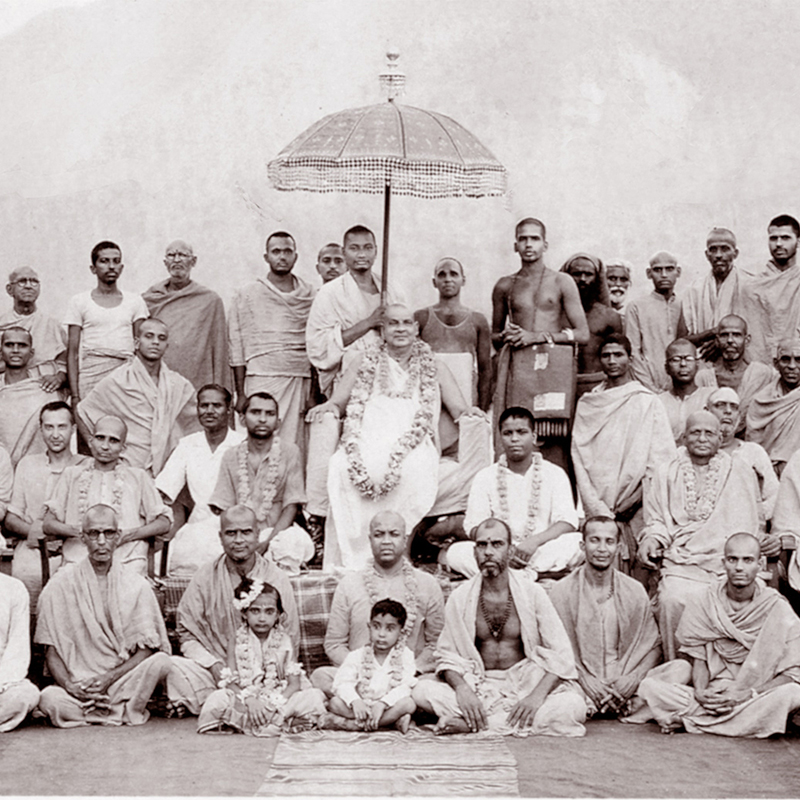
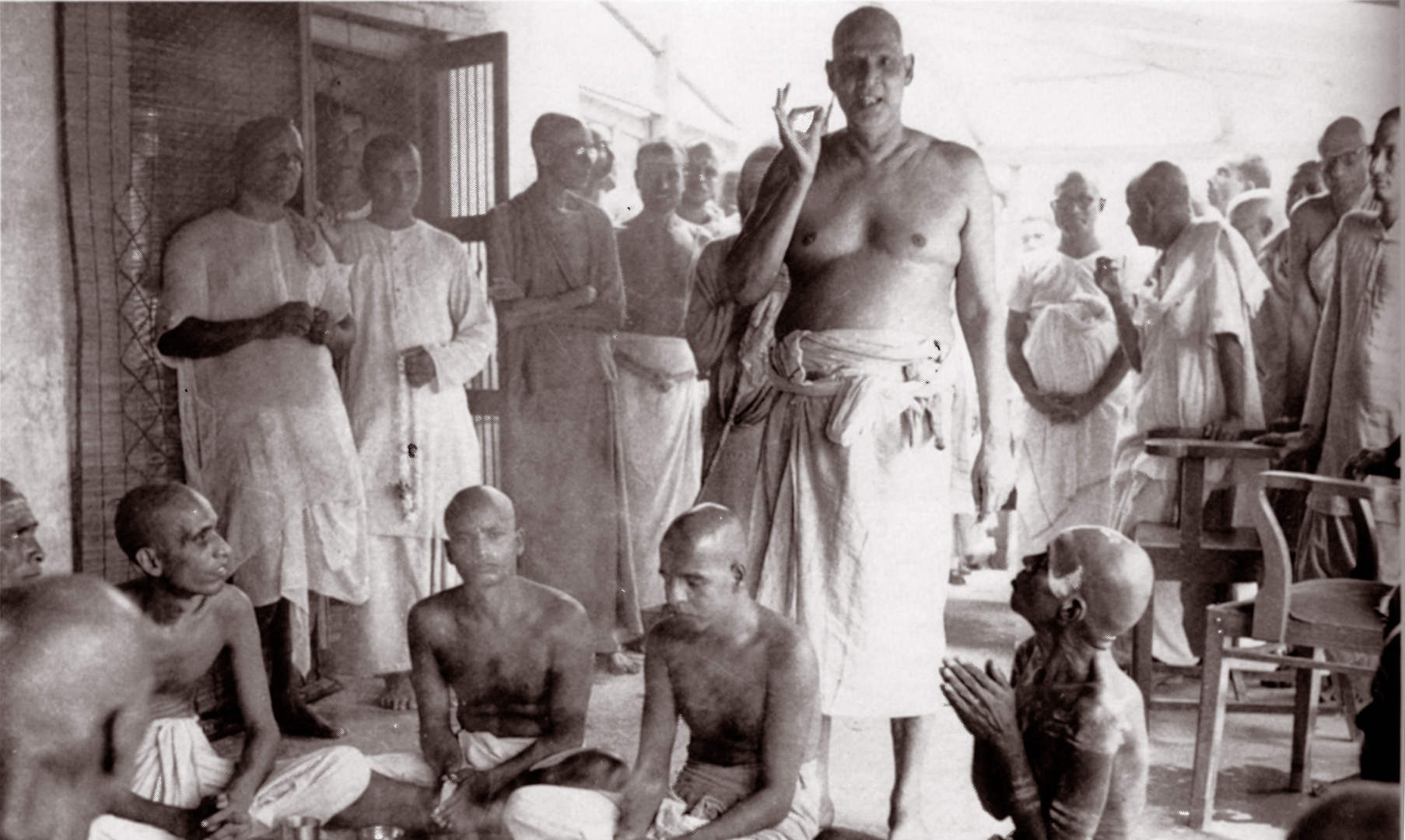
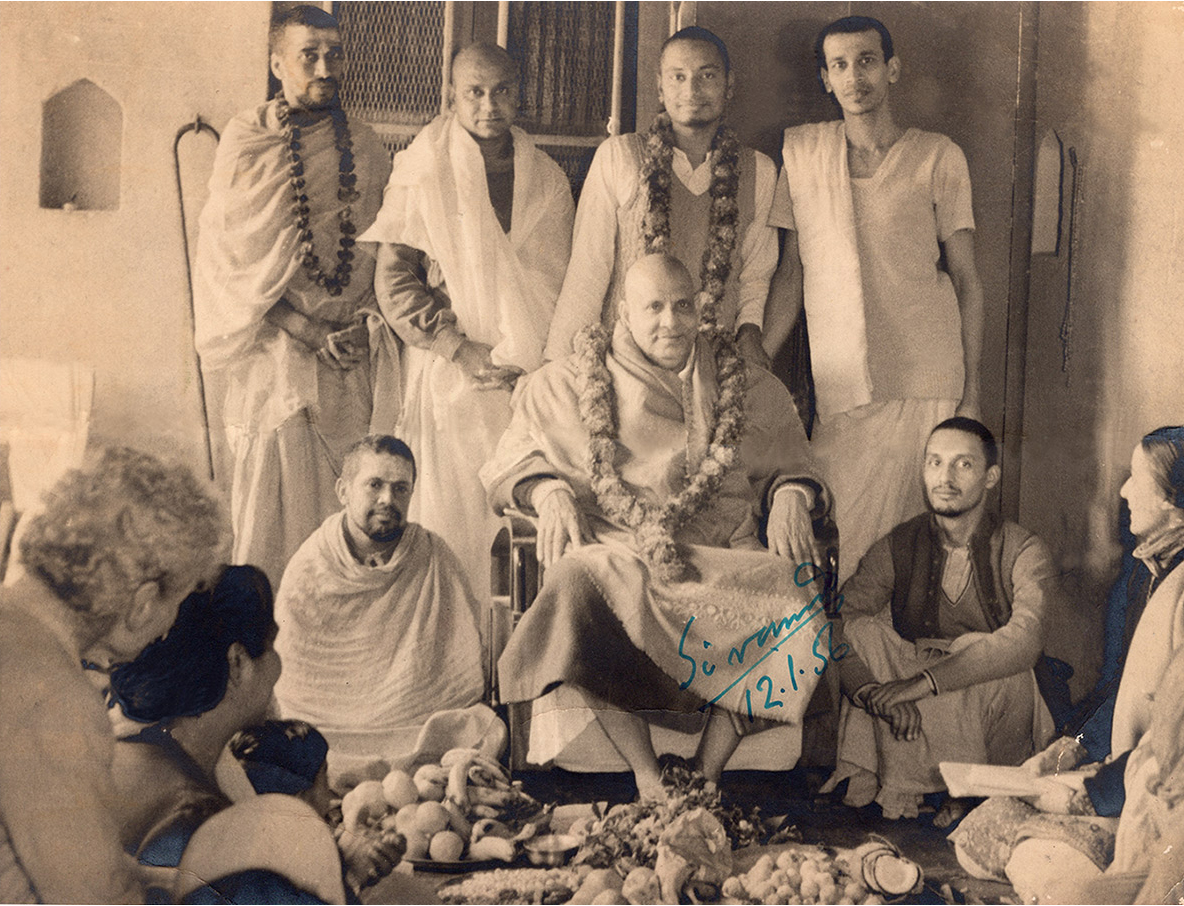
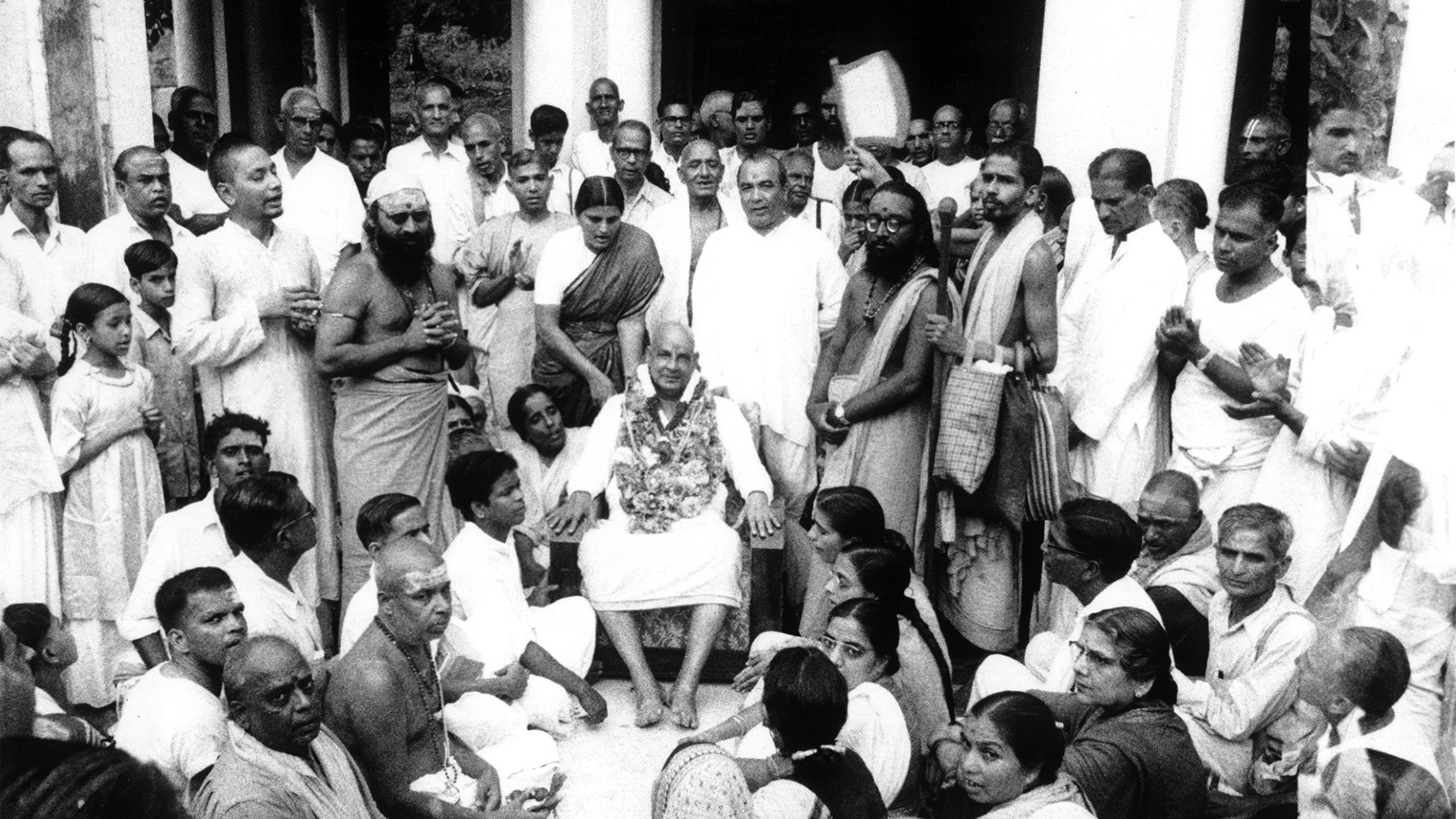
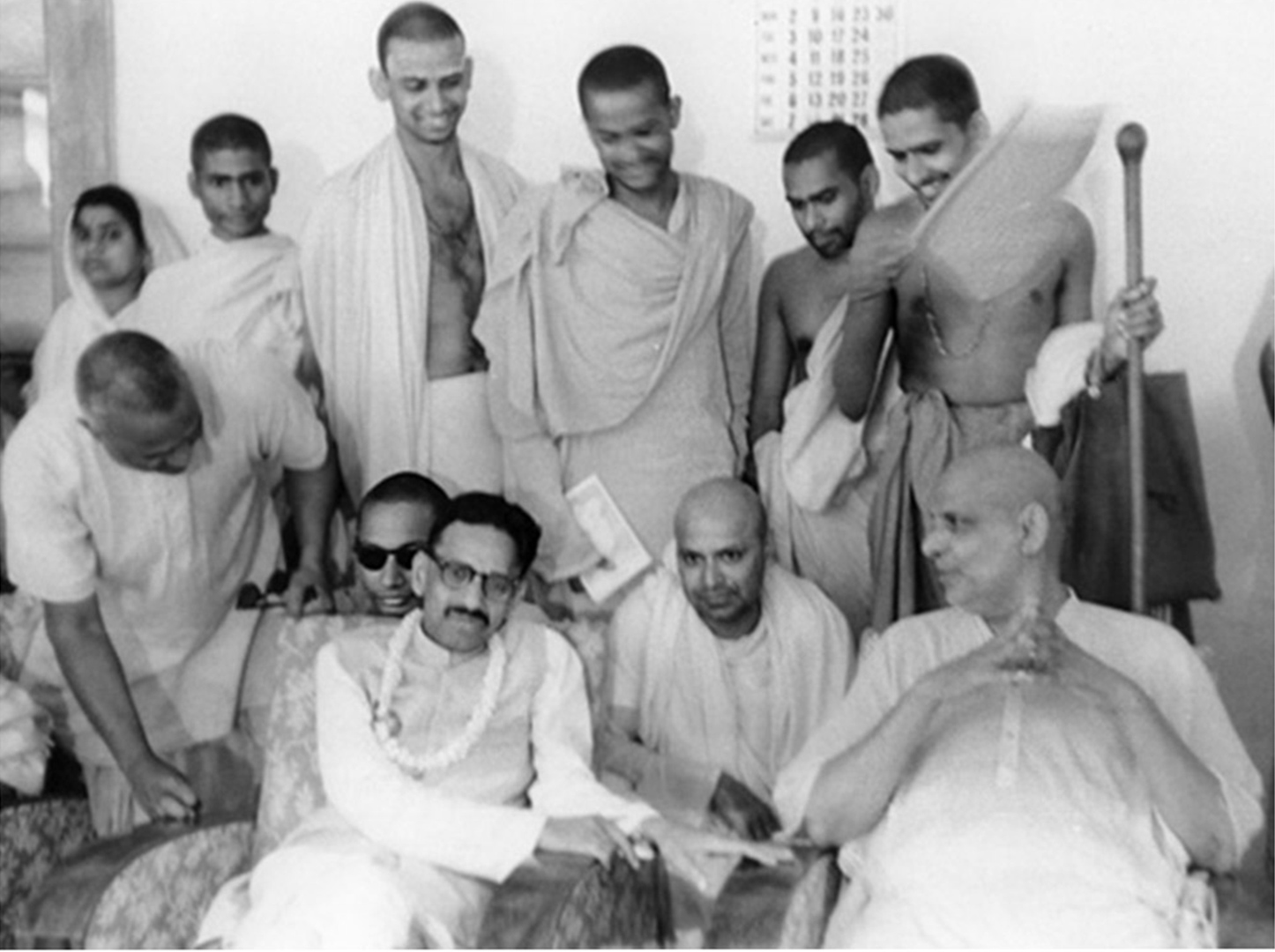
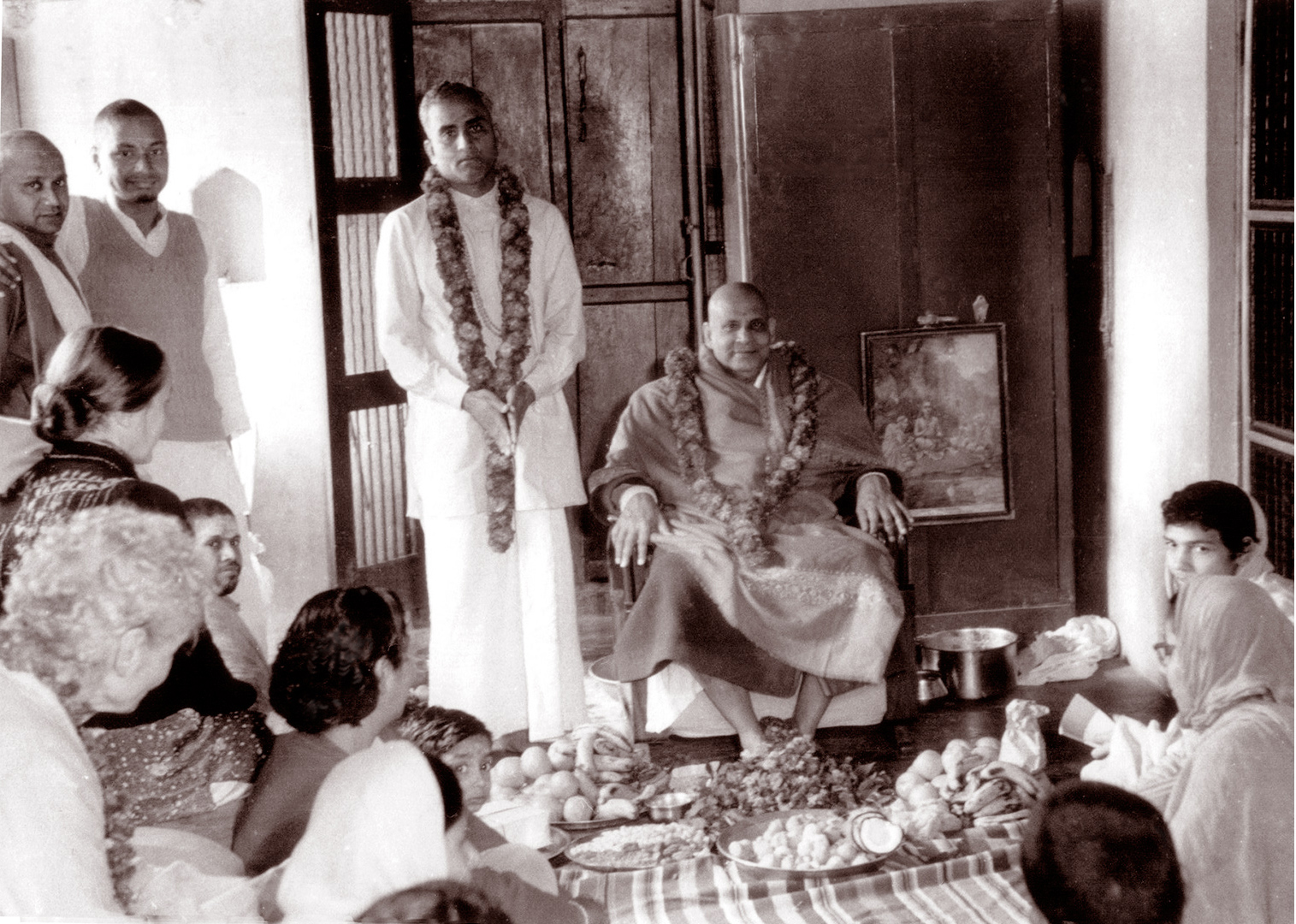
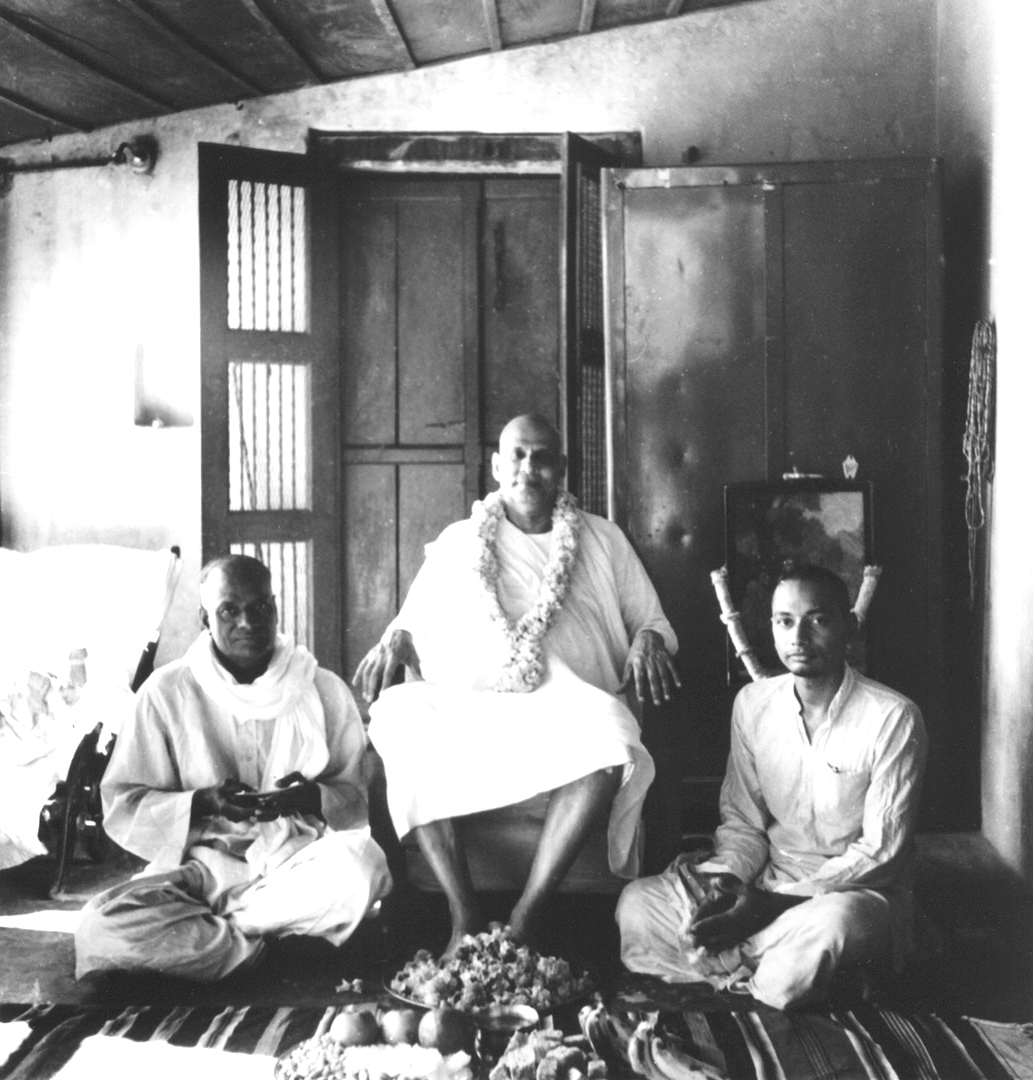
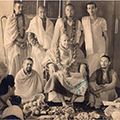
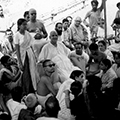
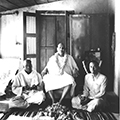
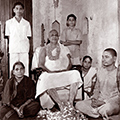
Another photo of Sivananda at The Sivananda Ashram with new visitors seeking the Master's darshan. Swami Venkatesananda seated on the floor below, next his guru, his favorite position!
-
-
 See full screen image
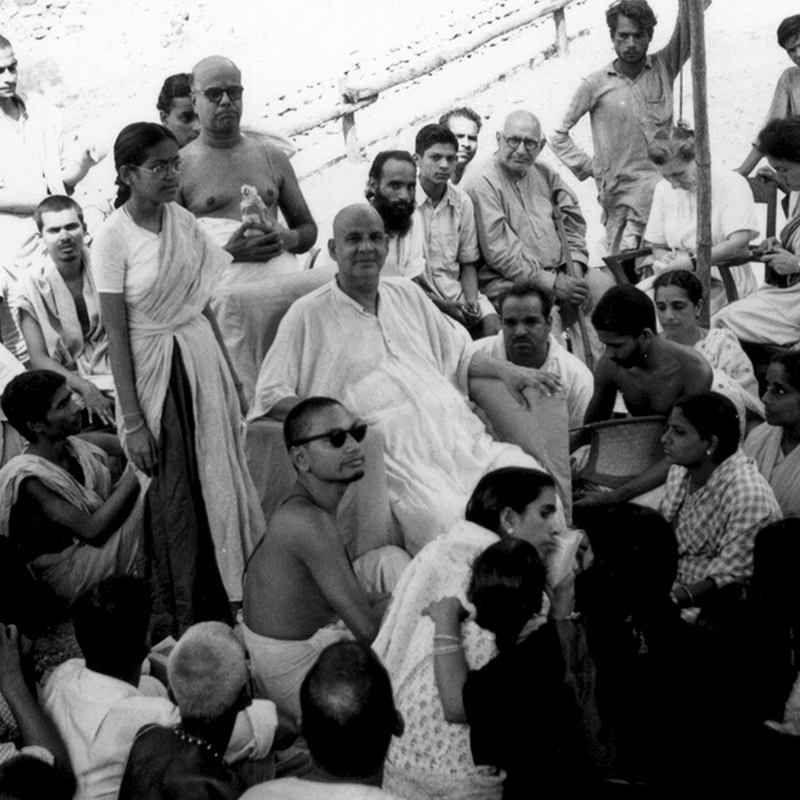
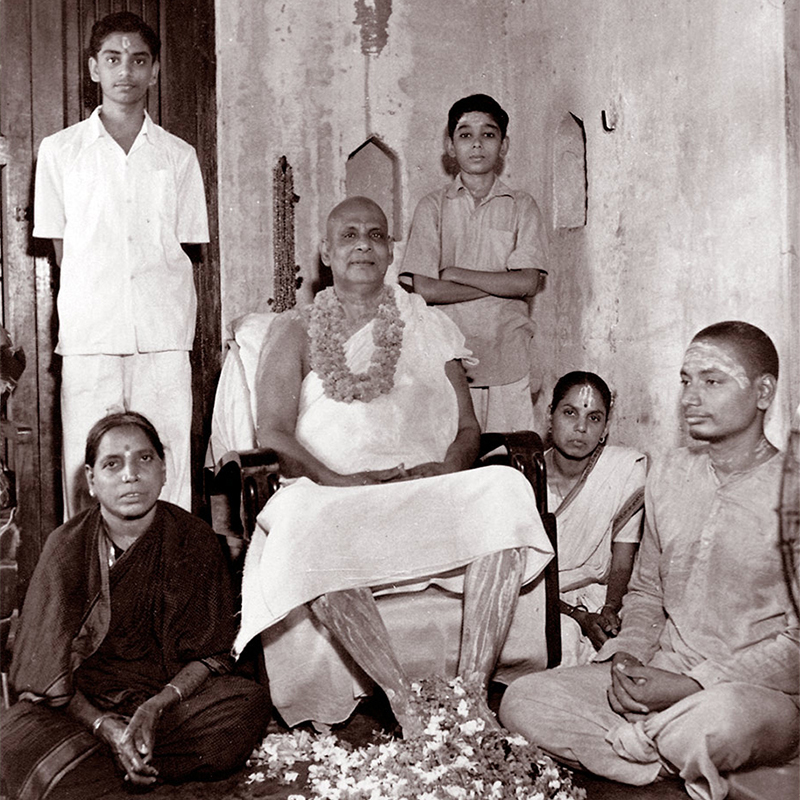
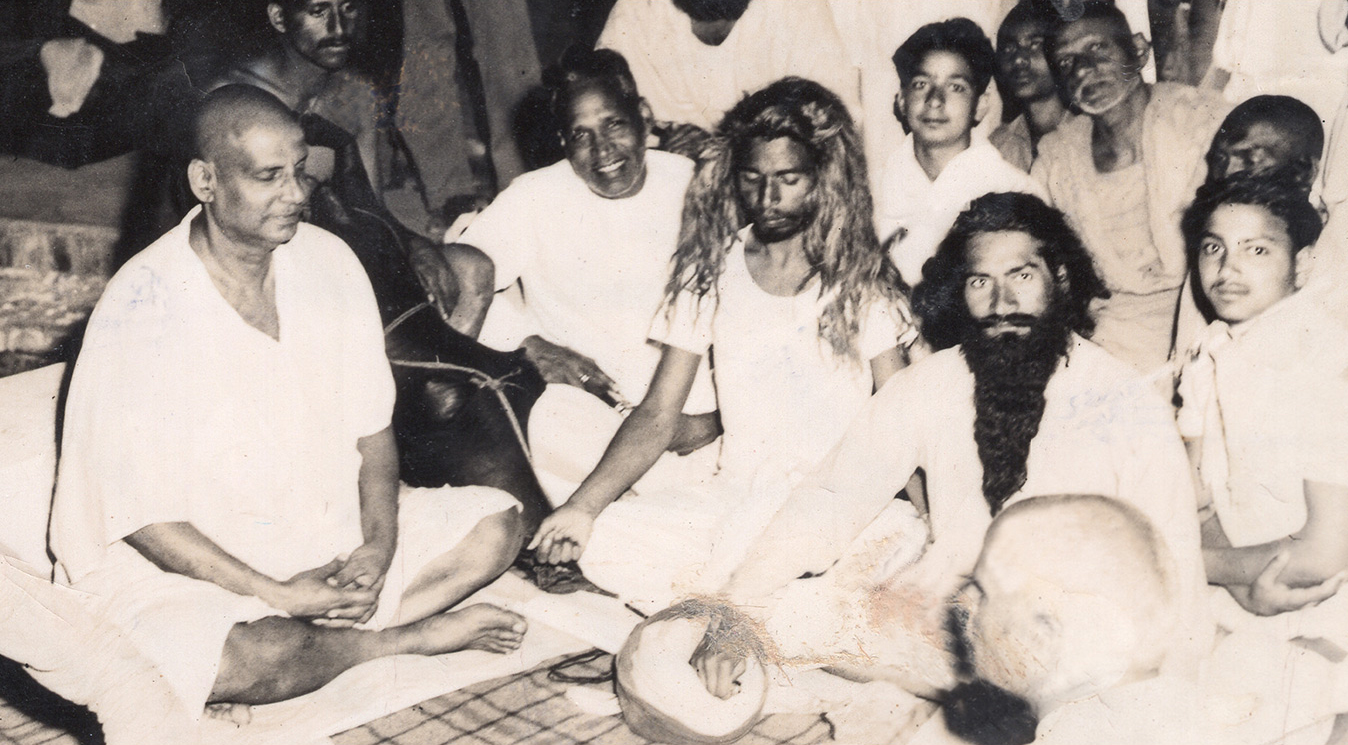
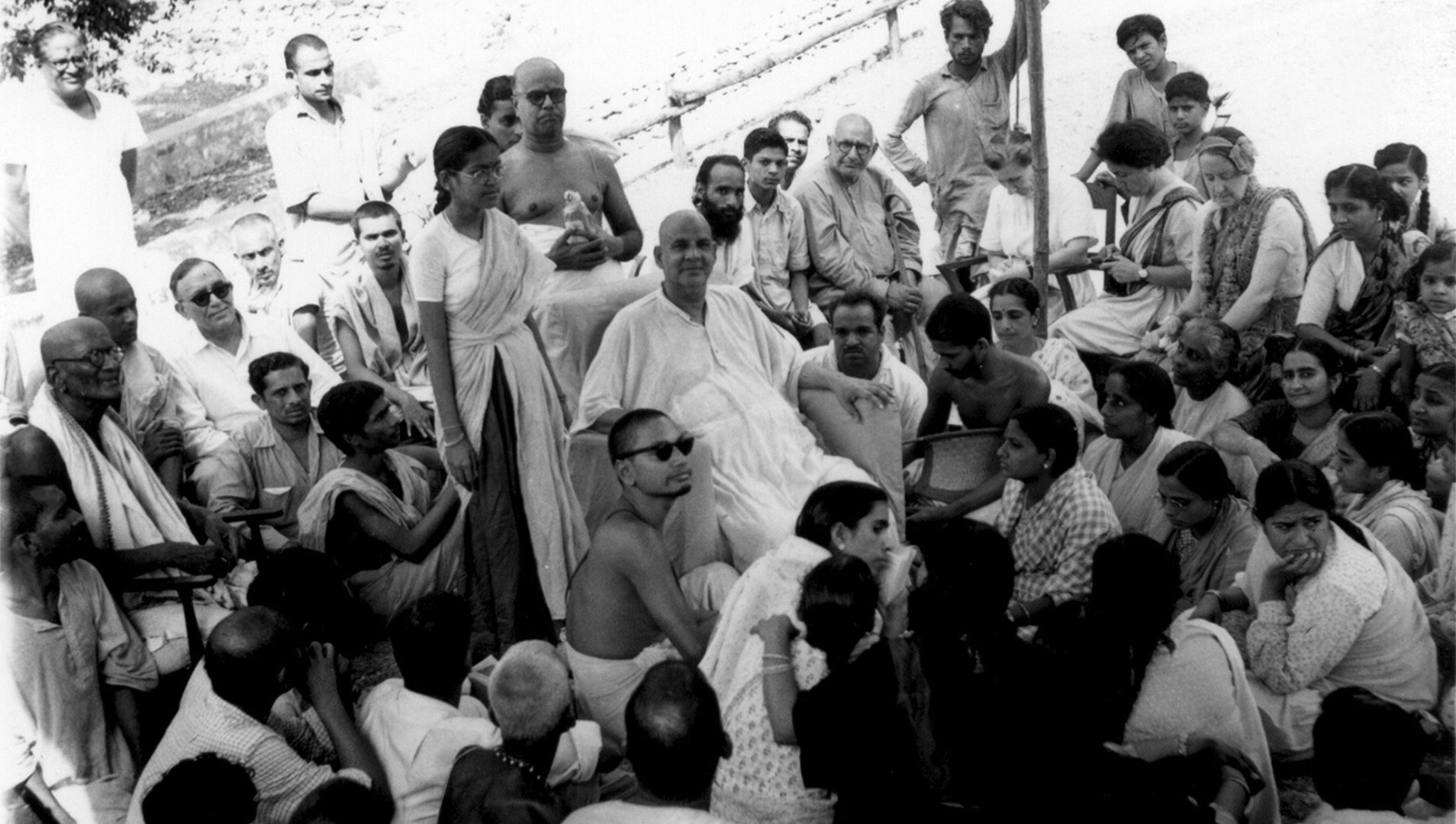
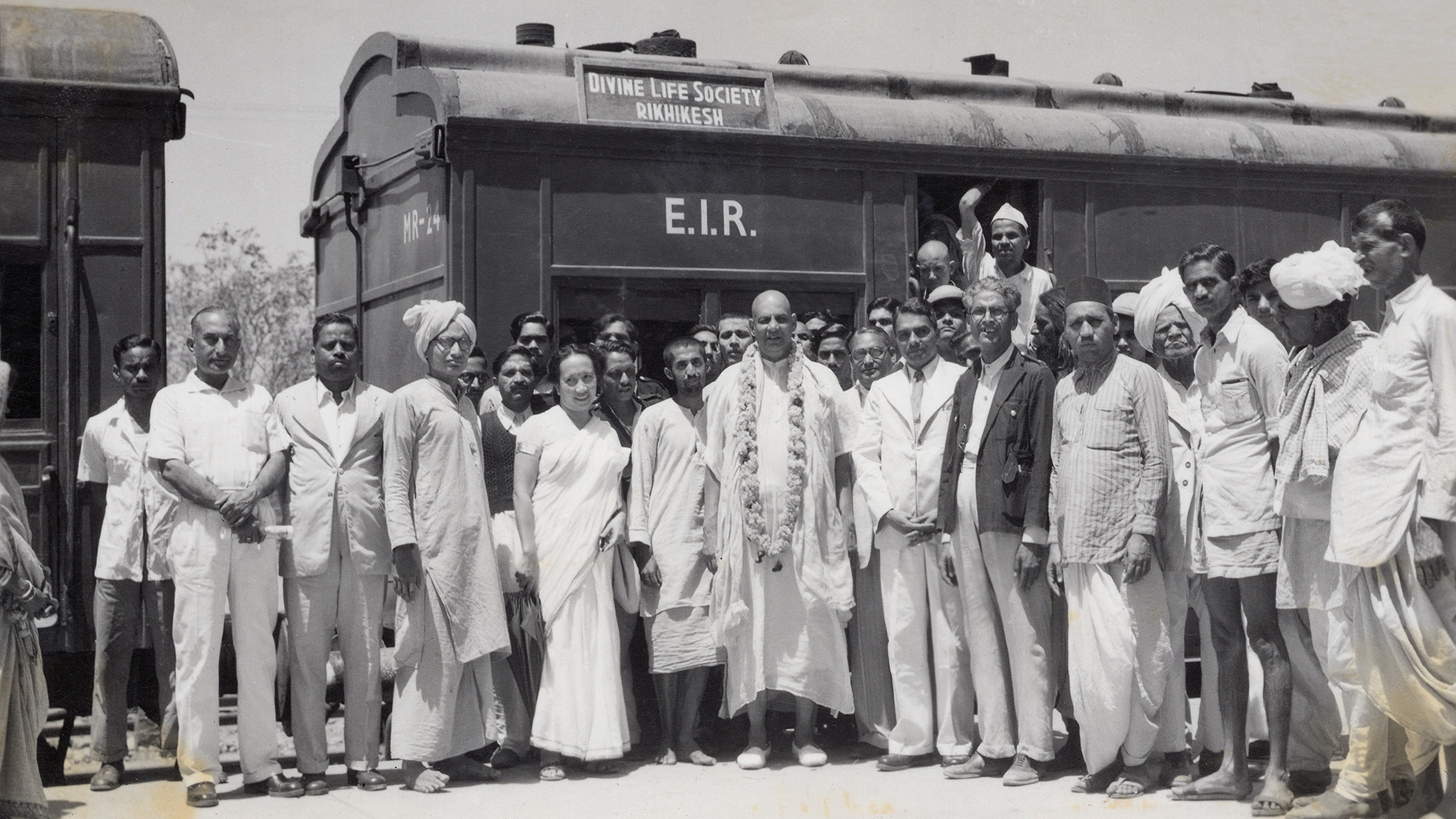
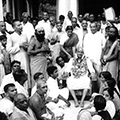
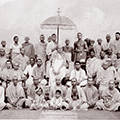
As stories of the "Godman" Sivananda spread far and wide over India, it became increasingly more common for large throngs of seekers to arrive at the small ashram in the distant Himalayas, in search of Sivananda's blessings and the darshan of a "holy man". Swami Venkatesananda was always most curious to see what would happen at such times, and you can even make out a little of that curiosity in this photo, Venkatesananda pictured next to the sadhu with the black beard and his hands folded to left of Master Sivananda.
-
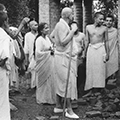 See full screen image
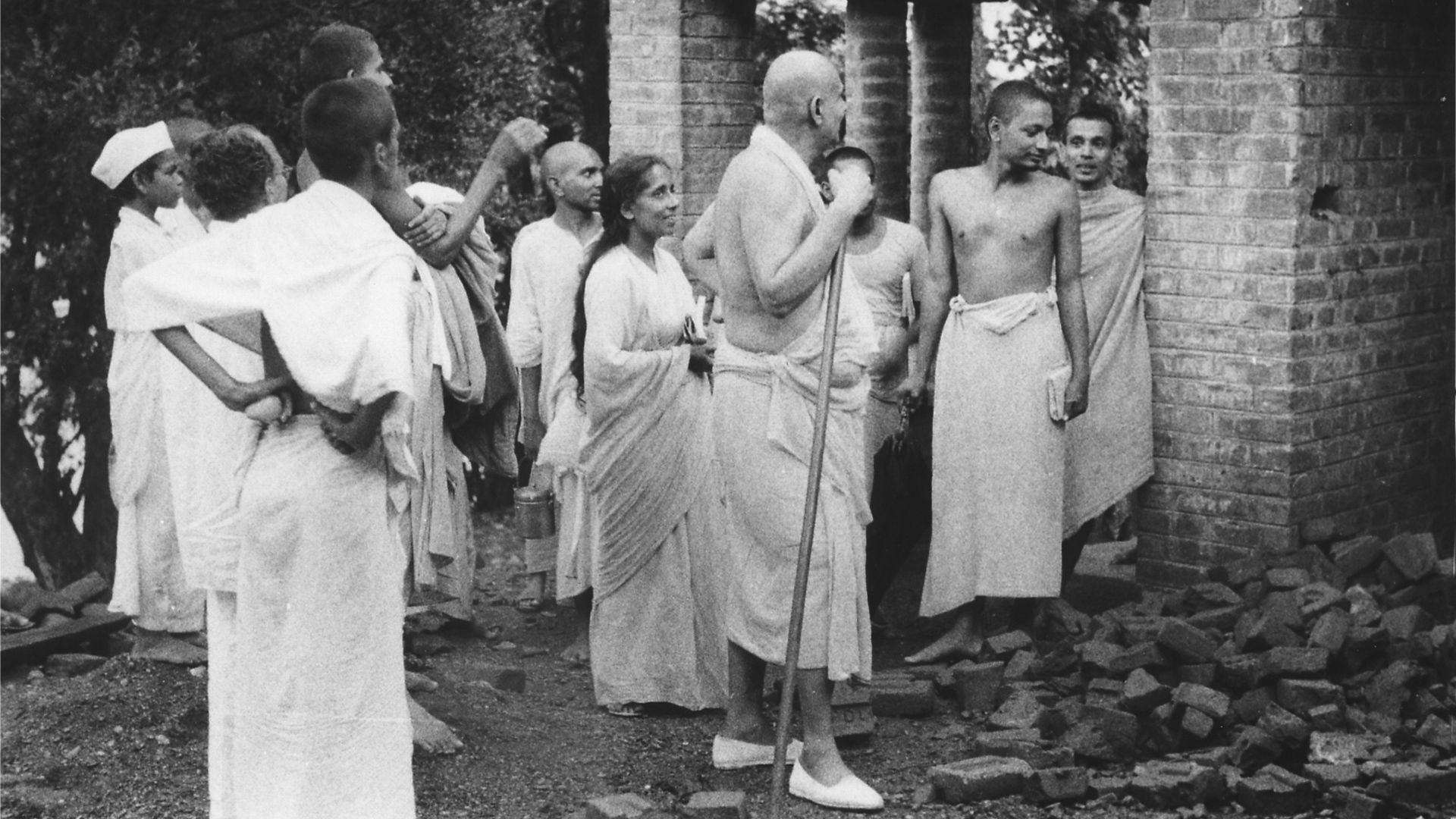
Sivananda surveys the future home of the Sivananda Eye Hospital with eye doctor Swami Hridayananda Mataji, Swami Venkatesananda, and Swam Chidananda (far right).
-
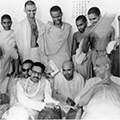 See full screen image
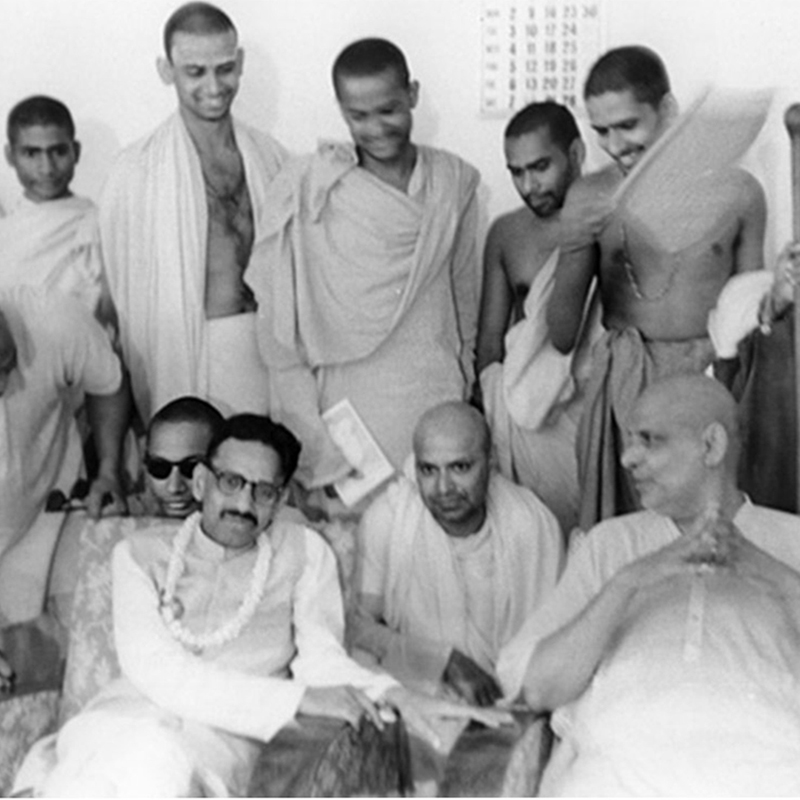
Swami Venkatesananda crouching down, trying to be somewhat invisible (with sunglasses), perhaps stands out a bit more than intended. Master Sivananda seated on the far right.
-
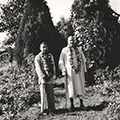 See full screen image
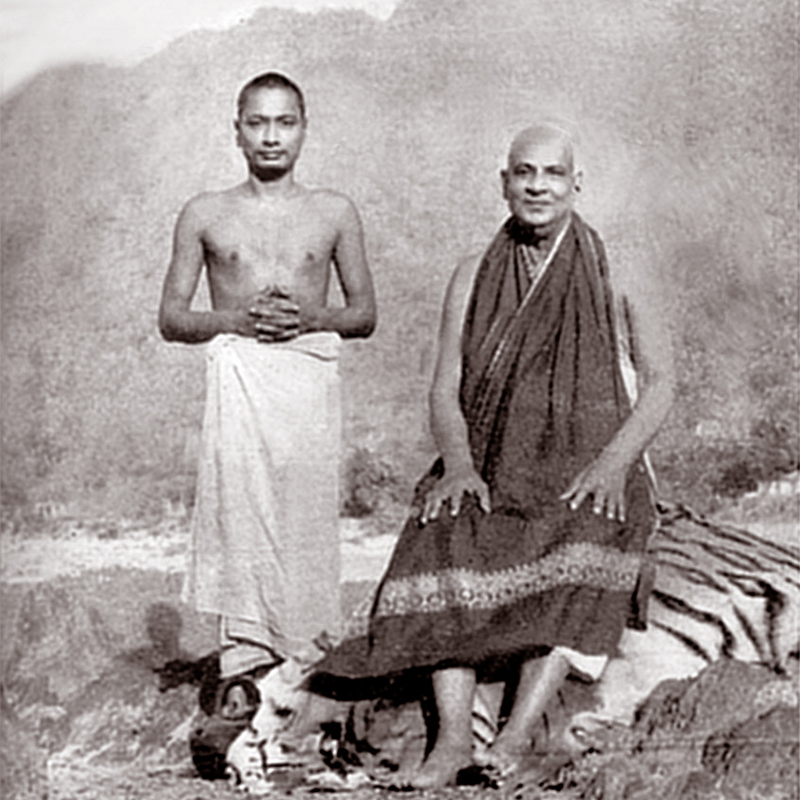
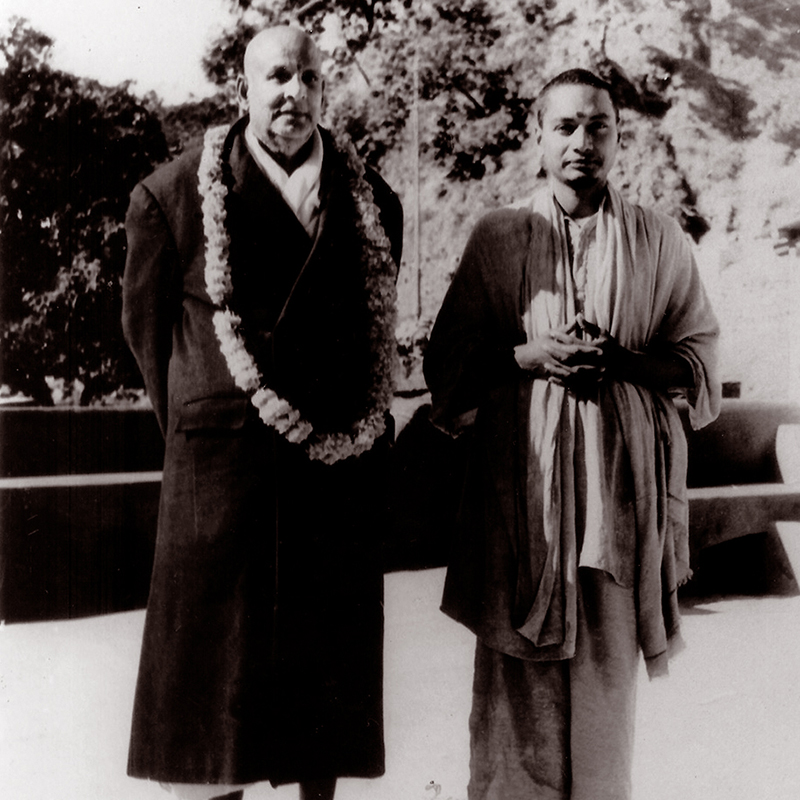
Swami Venkatesananda and Master Swami Sivananda out for a walk.
-
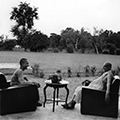 See full screen image
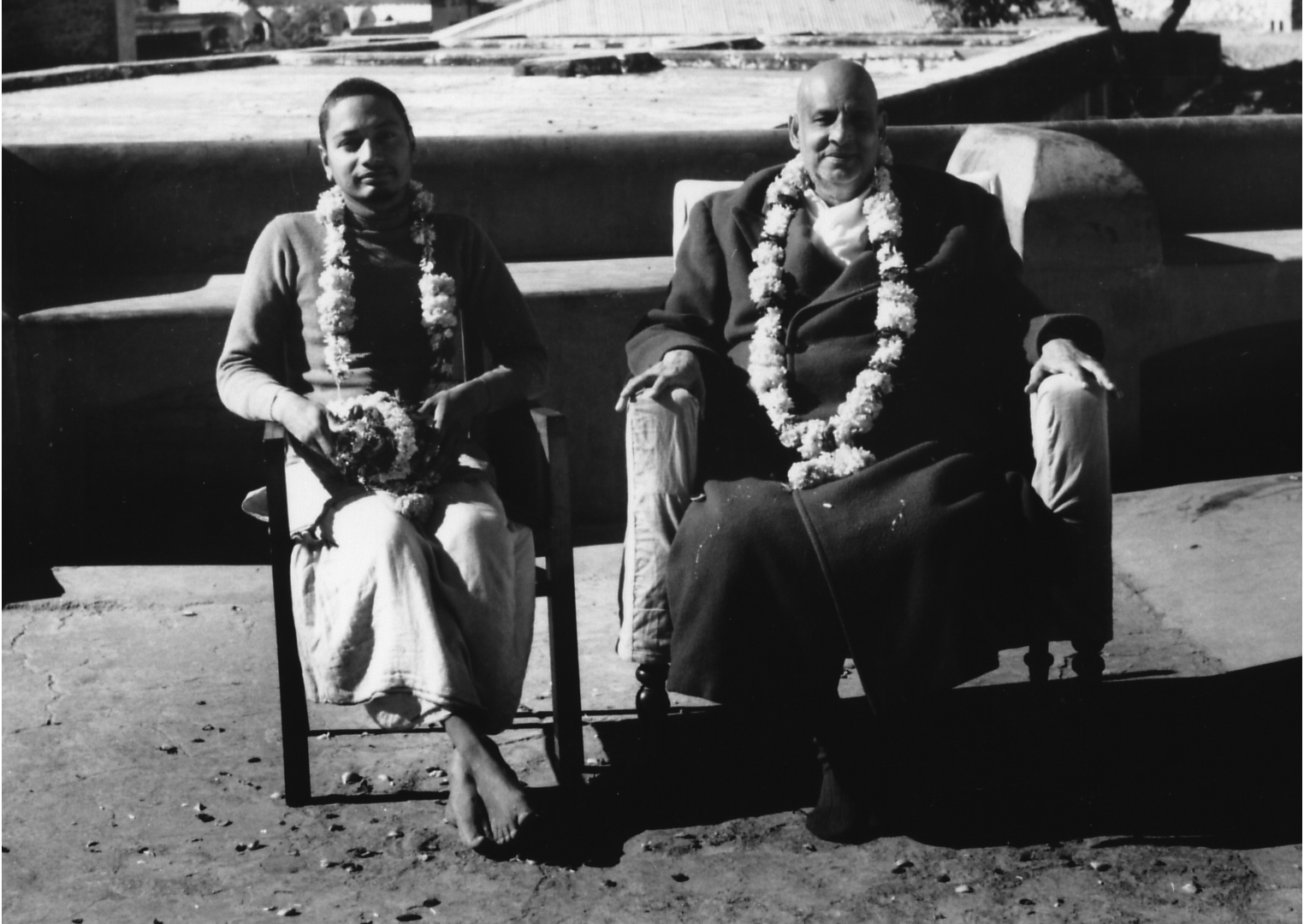
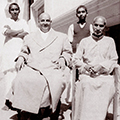
Swami Venkatesananda sitting with his guru, Swami Sivananda happens to be one of the few times a photo was taken with Swami Venkatesananda seated in a special chair. He was much more comfortable sitting in something more ordinary; something which would suggest a more humble posture, especially in relationship to his master. So this this photo of him sitting at the same height as his Master was something of an unusual photo to be sure. As a side note, in later years, Swami Venkatesananda would also forgo accepting an especially comfortable chair if other people in the room were seated in something less comfortable. Instead, he would whispter to his hosts, "Go get me a chair similar to what everyone else is seated in!" and, when given to him, he would sit down on the less comfortable chair, and say: "There, that's more like it."
-
-
-
 See full screen image
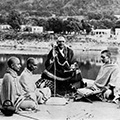
From left to right: Swami Venkatesananda, Swami Krishnananda, Master Sivananda, Swami Chidananda, and Swami Vishnu (not Vishnu Devananda), all sitting by Ganges river bank in the Himalayas.
-
-
-
-
-
 See full screen image
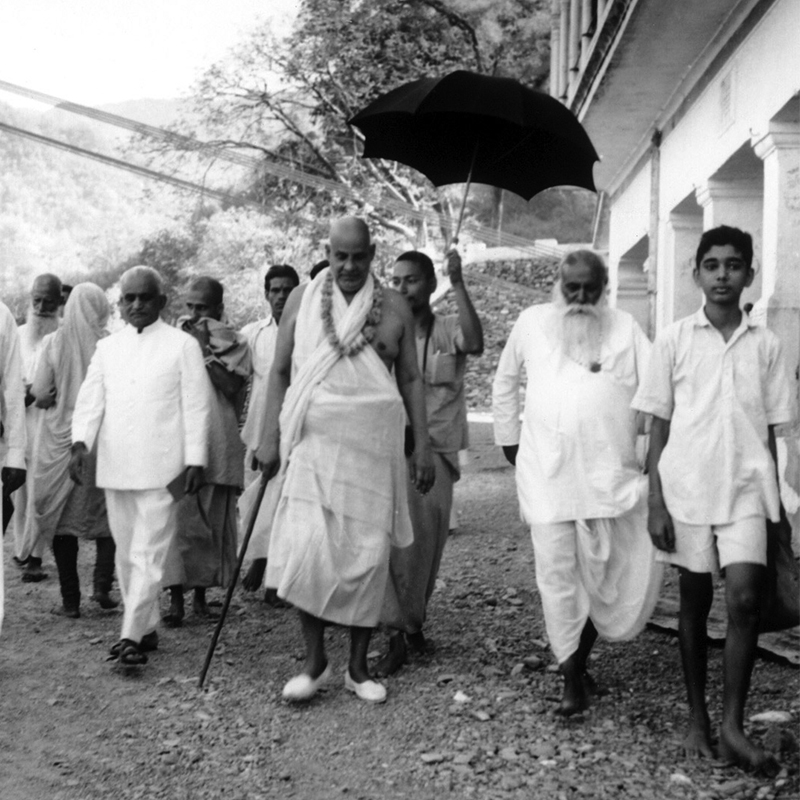
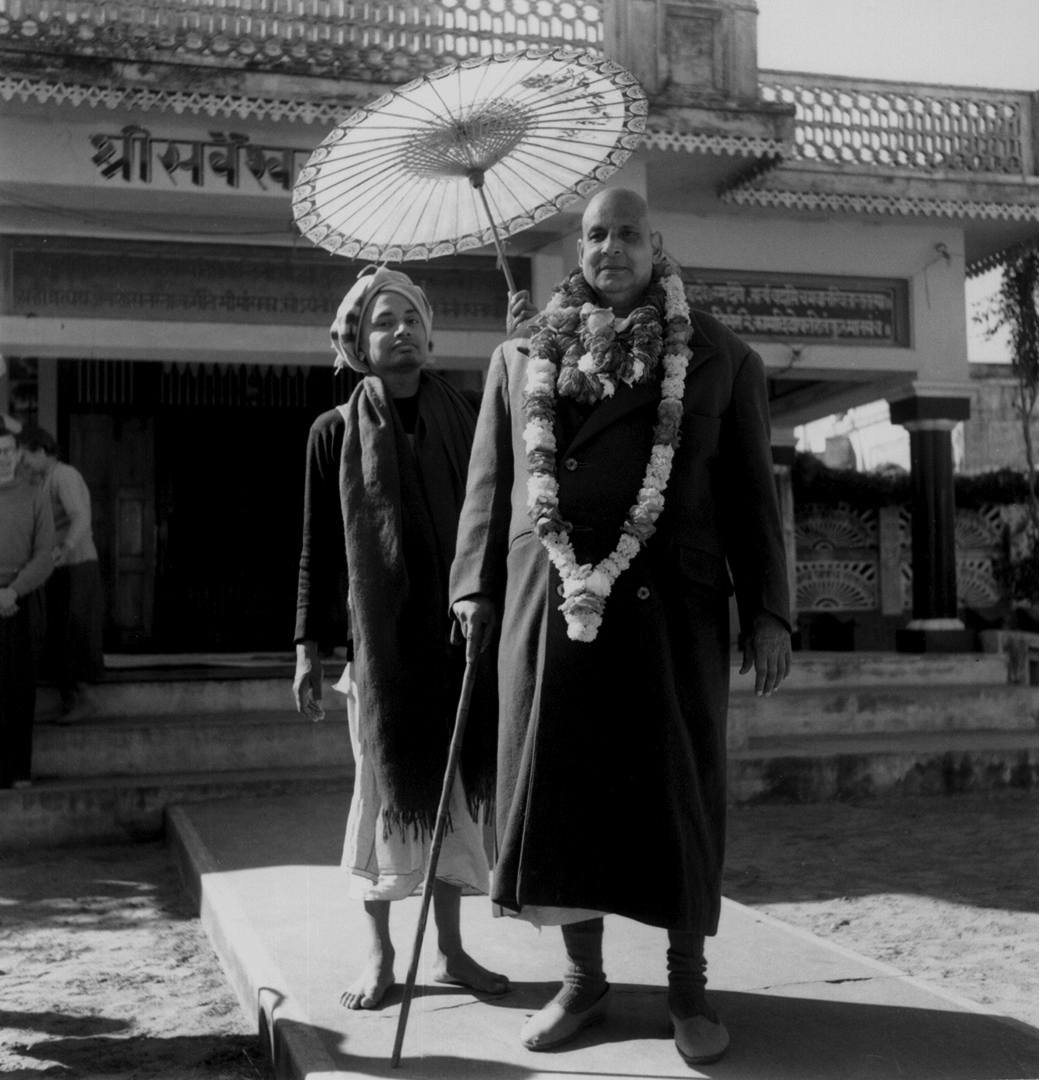
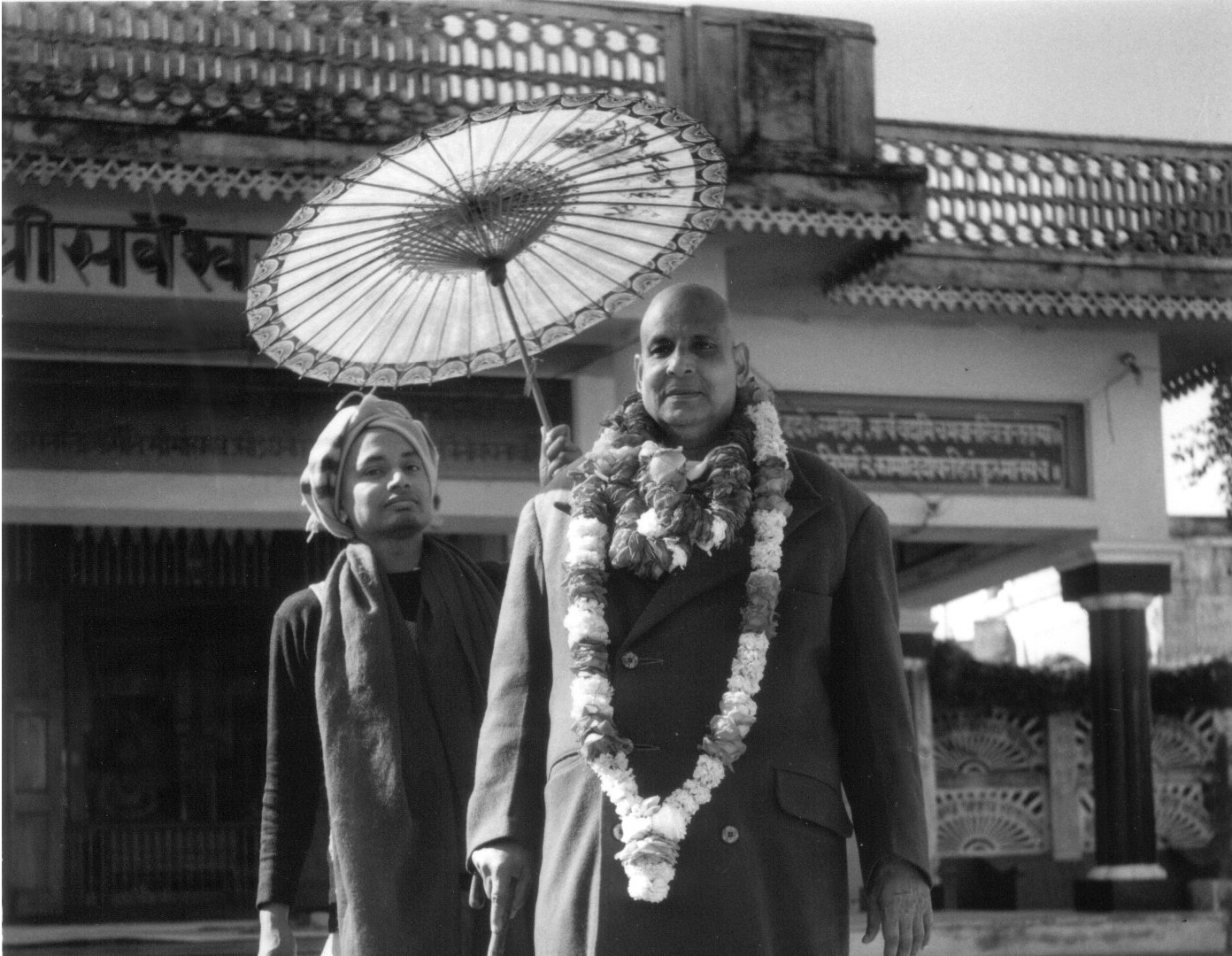
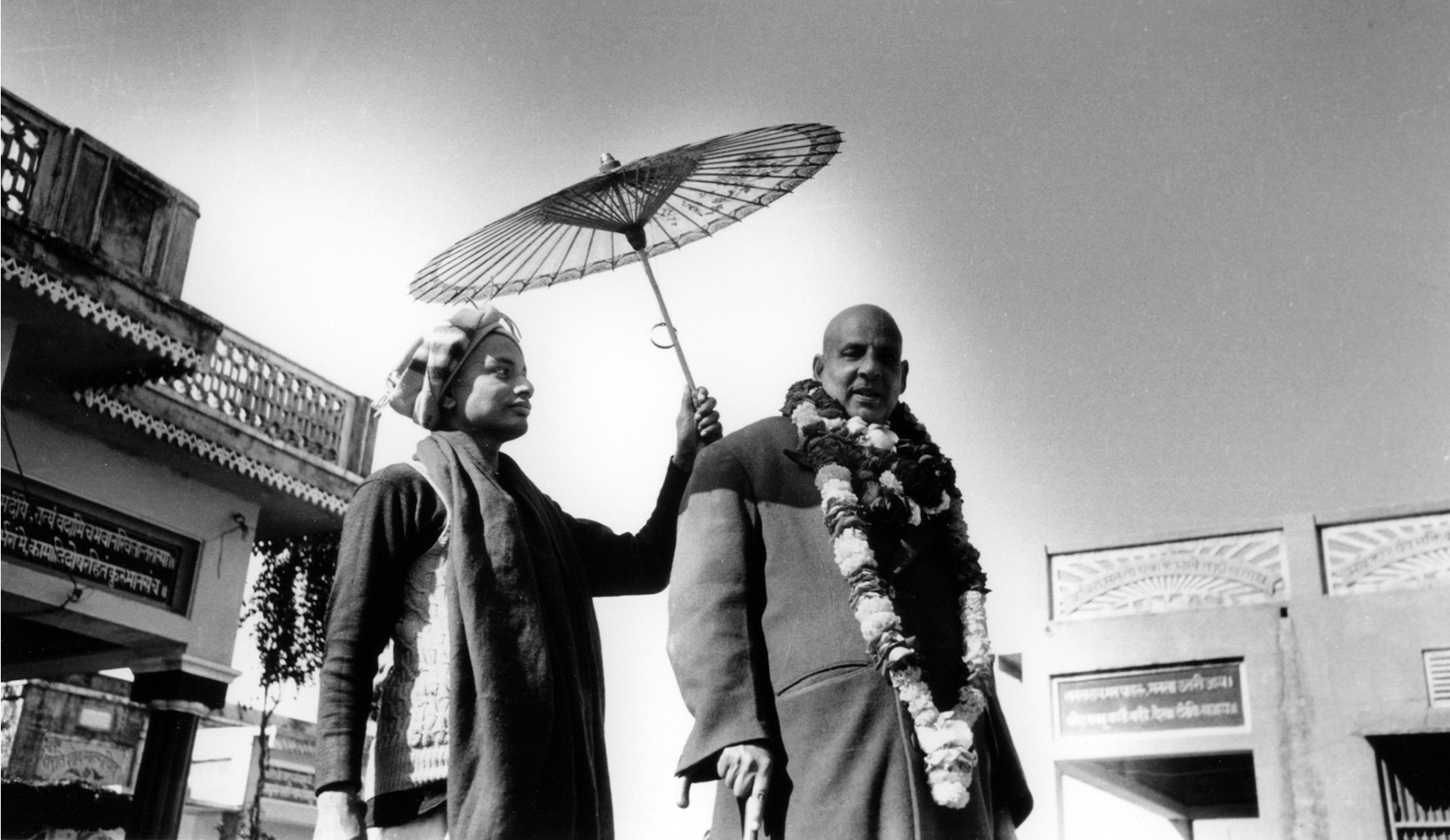
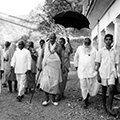
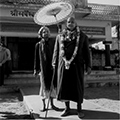
Yet another photo of Sivananda with guests, this time strolling with yogis and dignitaries who arrived to meet the great yoga master. Swami Venkatesananda following behind, holding the umbrella, and trying to protect his master.
-
-
-
-
 See full screen image
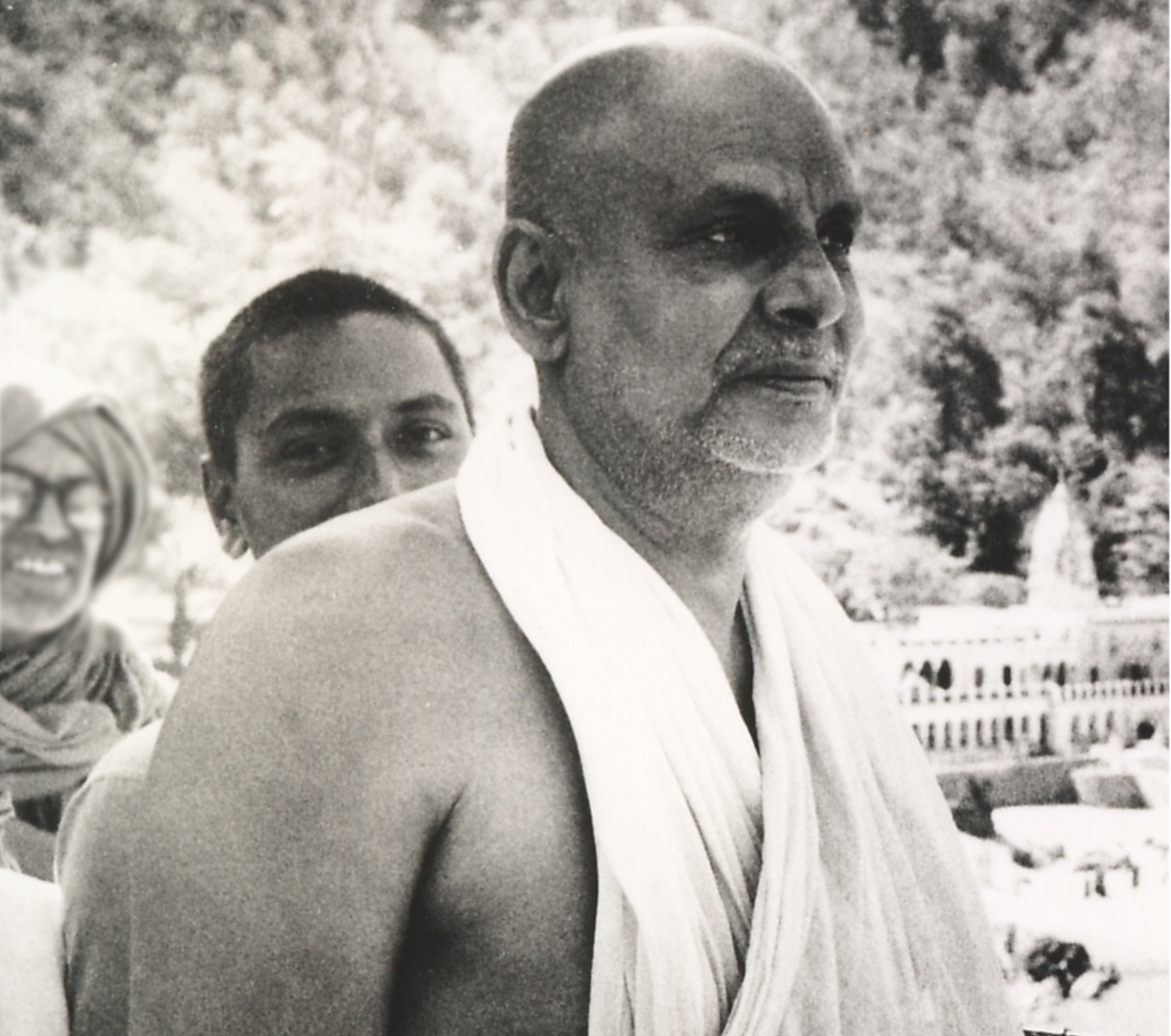
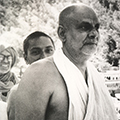
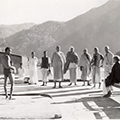
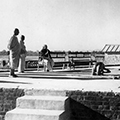
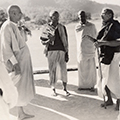
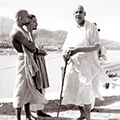
Swami Venkatesananda was often seen traveling about with his Master, ready to serve in any way possible. Here he seen walking behind the master, looking over his shoulder with others behind them.
-
-
-
-
-
-
-
-
-
-
-
-
-
-
-
-
-
 See full screen image
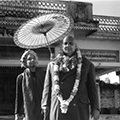
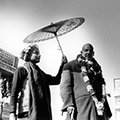
Another typical photo of Swami Venkatesananda attempting to shelter his master from the sun.
-
-
 See full screen image
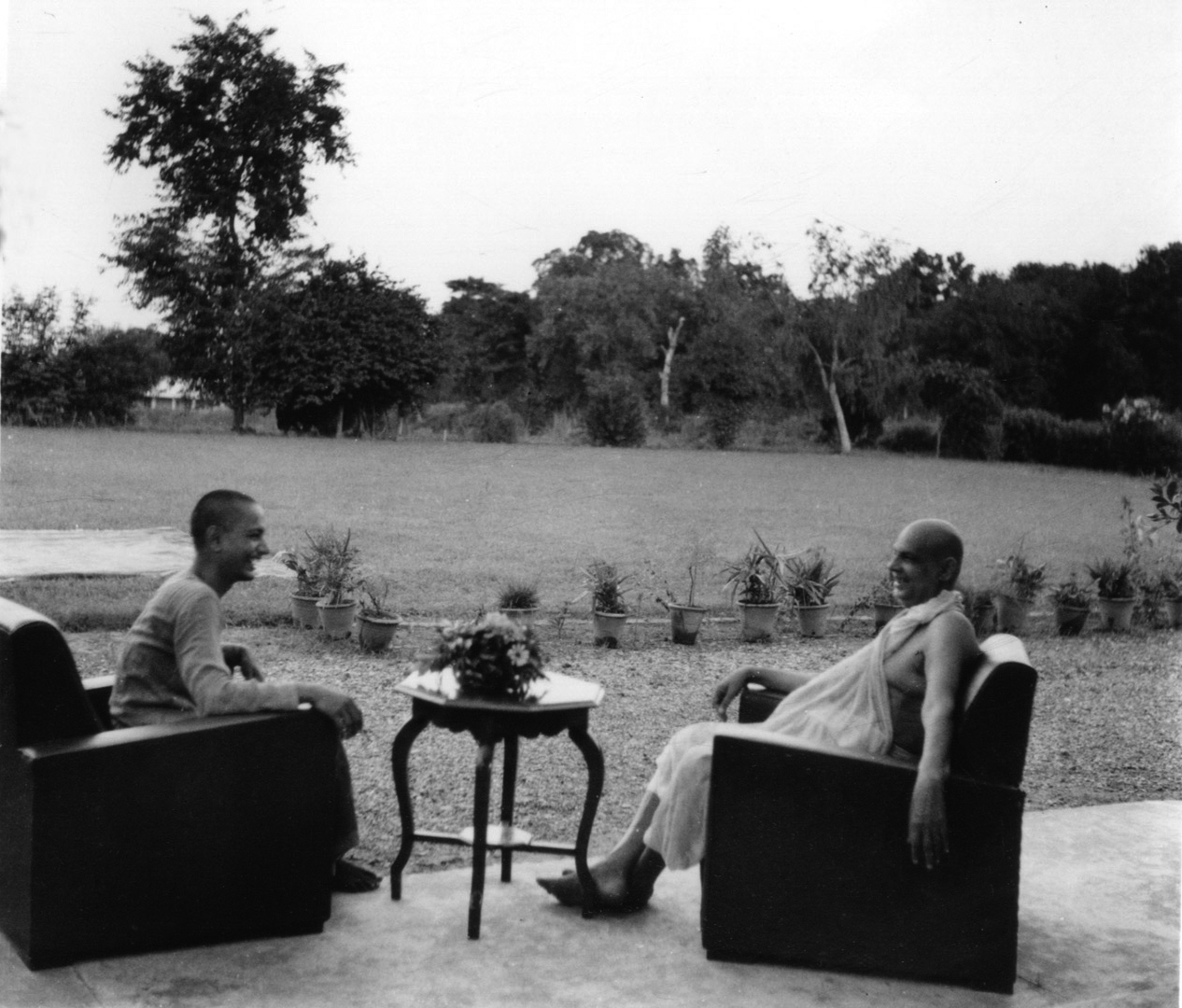
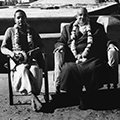
Here is a much more common photo, where, as you can see, Swami Venkatesananda is much more comfortable sitting an simple chair without any throne like attributes. This was true back in the early days, as pictured here, and throughout his lifetime.
-
-
 See full screen image
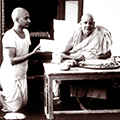
Swami Venkatesananda came to the Sivananda Ashram to serve the Master, Sivananda, and that is what he did, day and night. Here he is bringing some drafts of a book of that he had been working on for Swami Sivananda.
-
-
-
-
-
-
-
-
-
-
 See full screen image
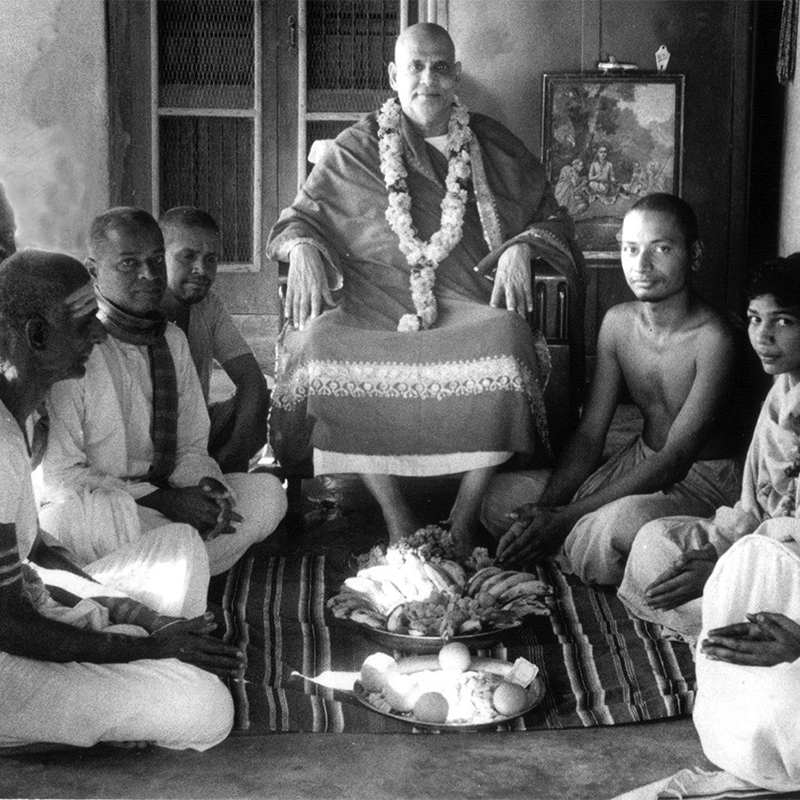
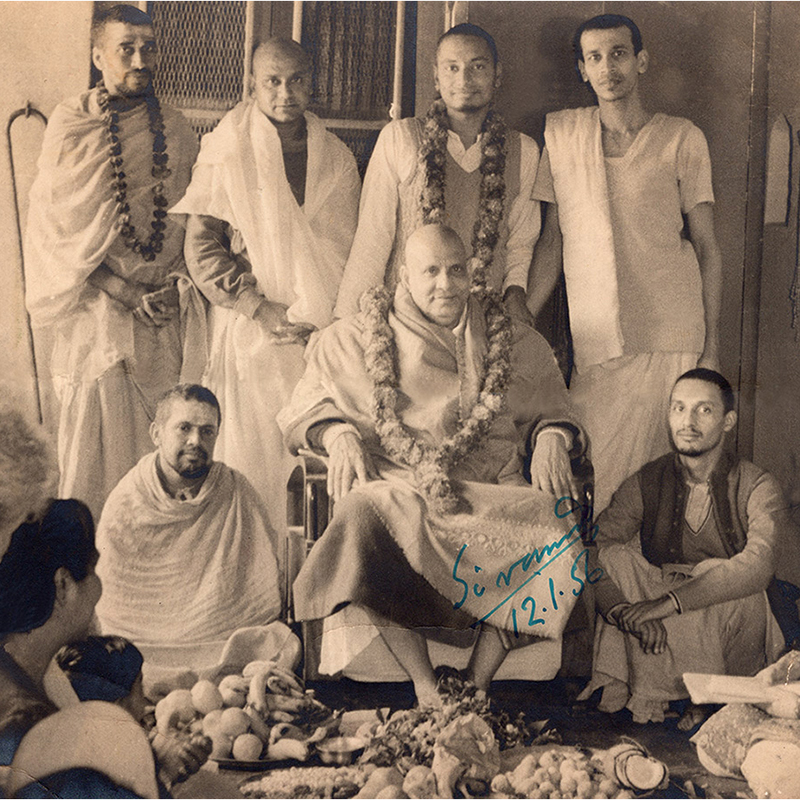
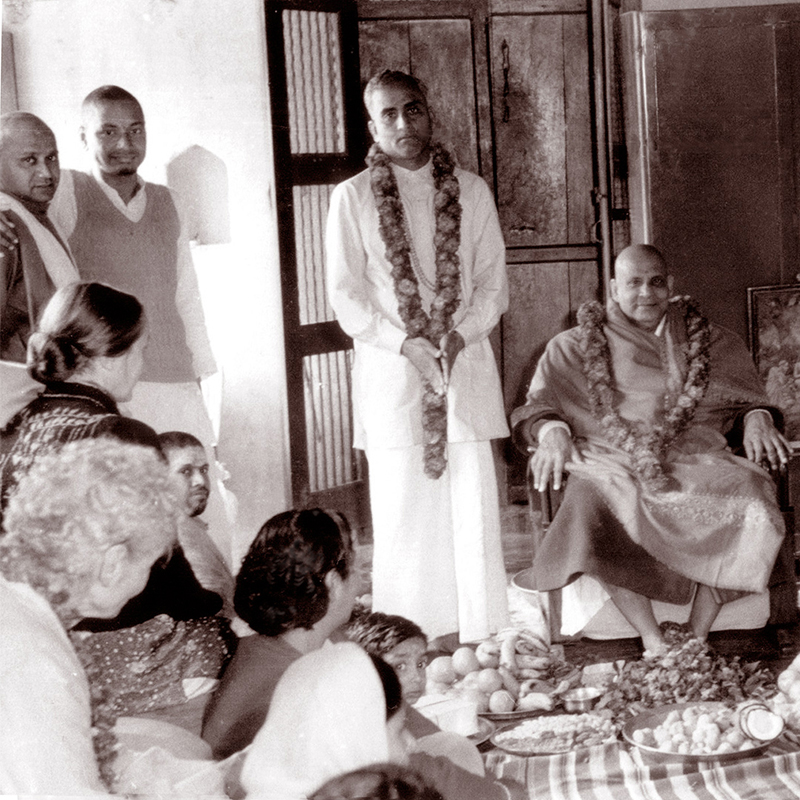
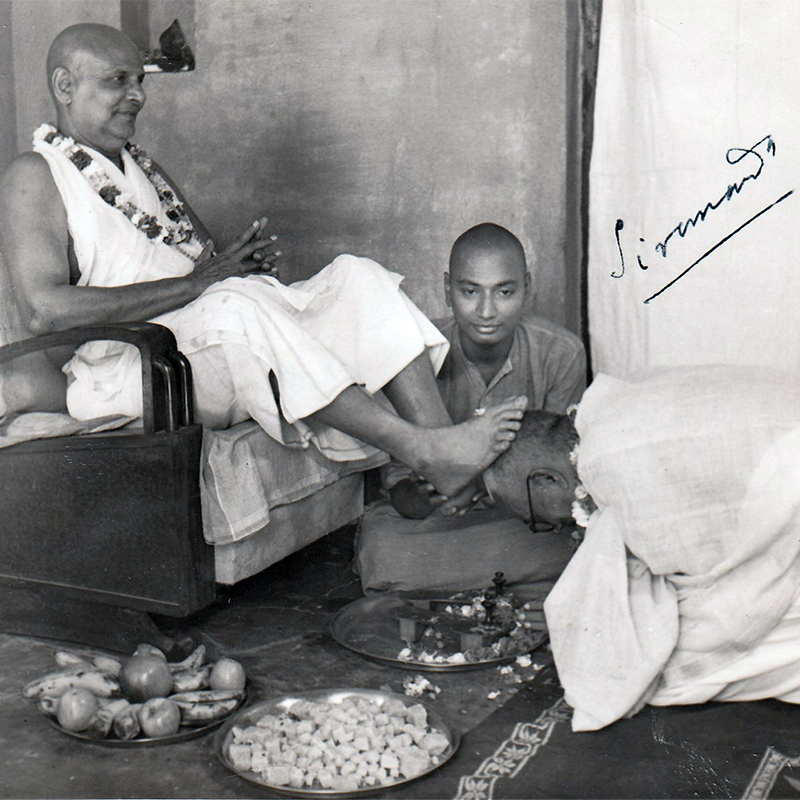
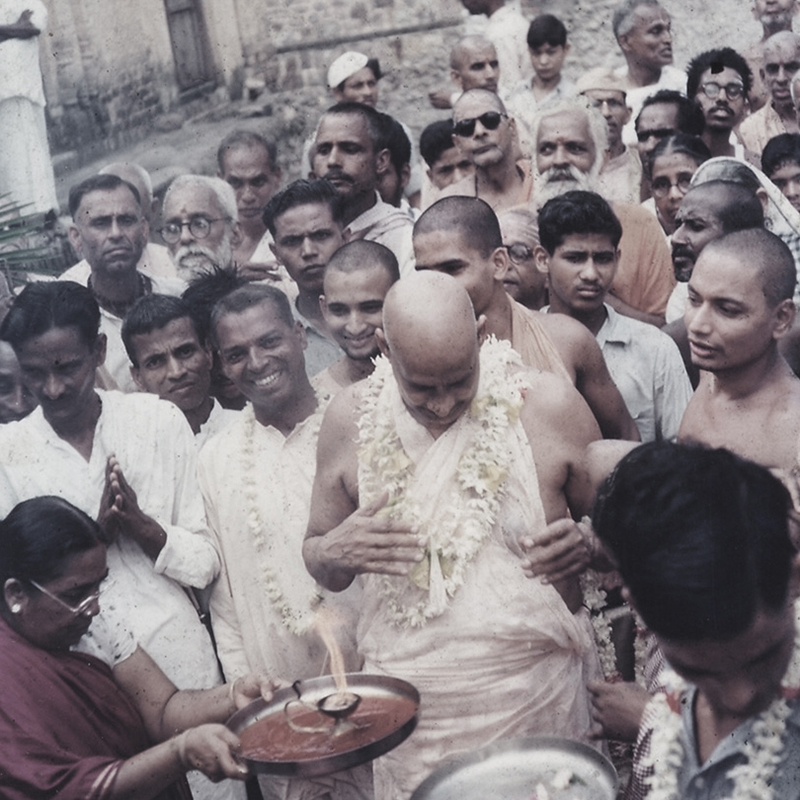
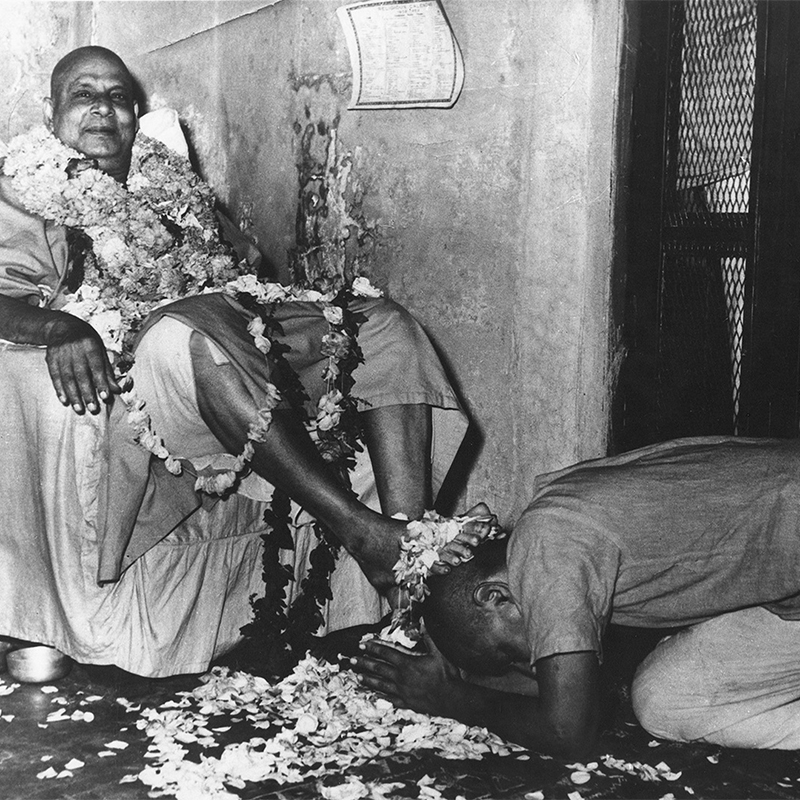
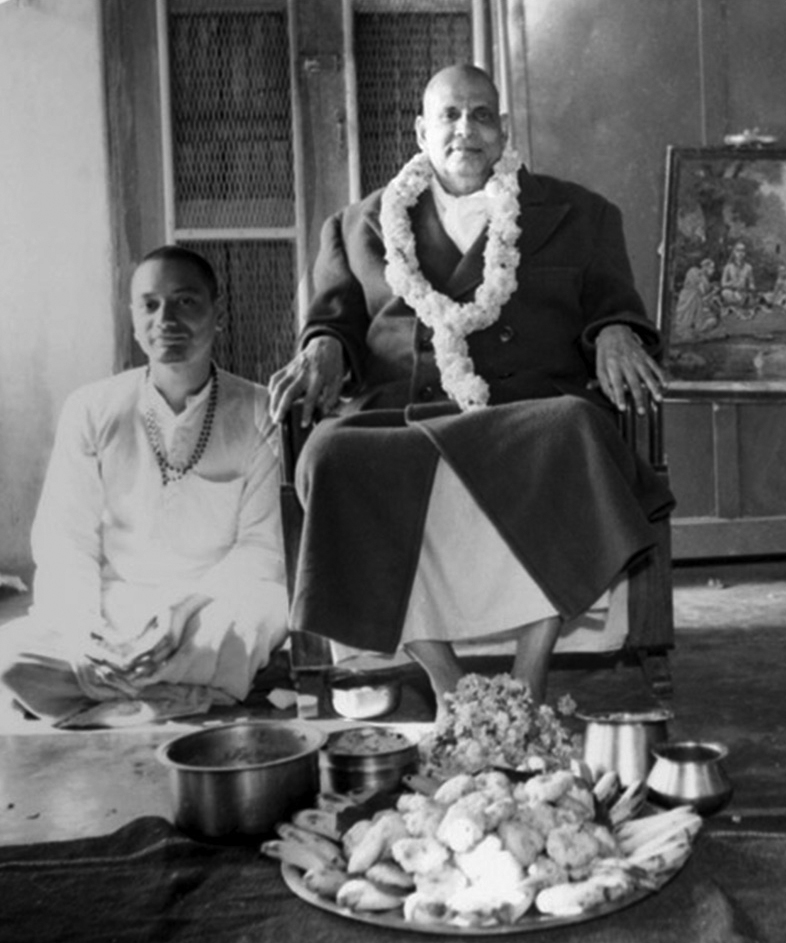
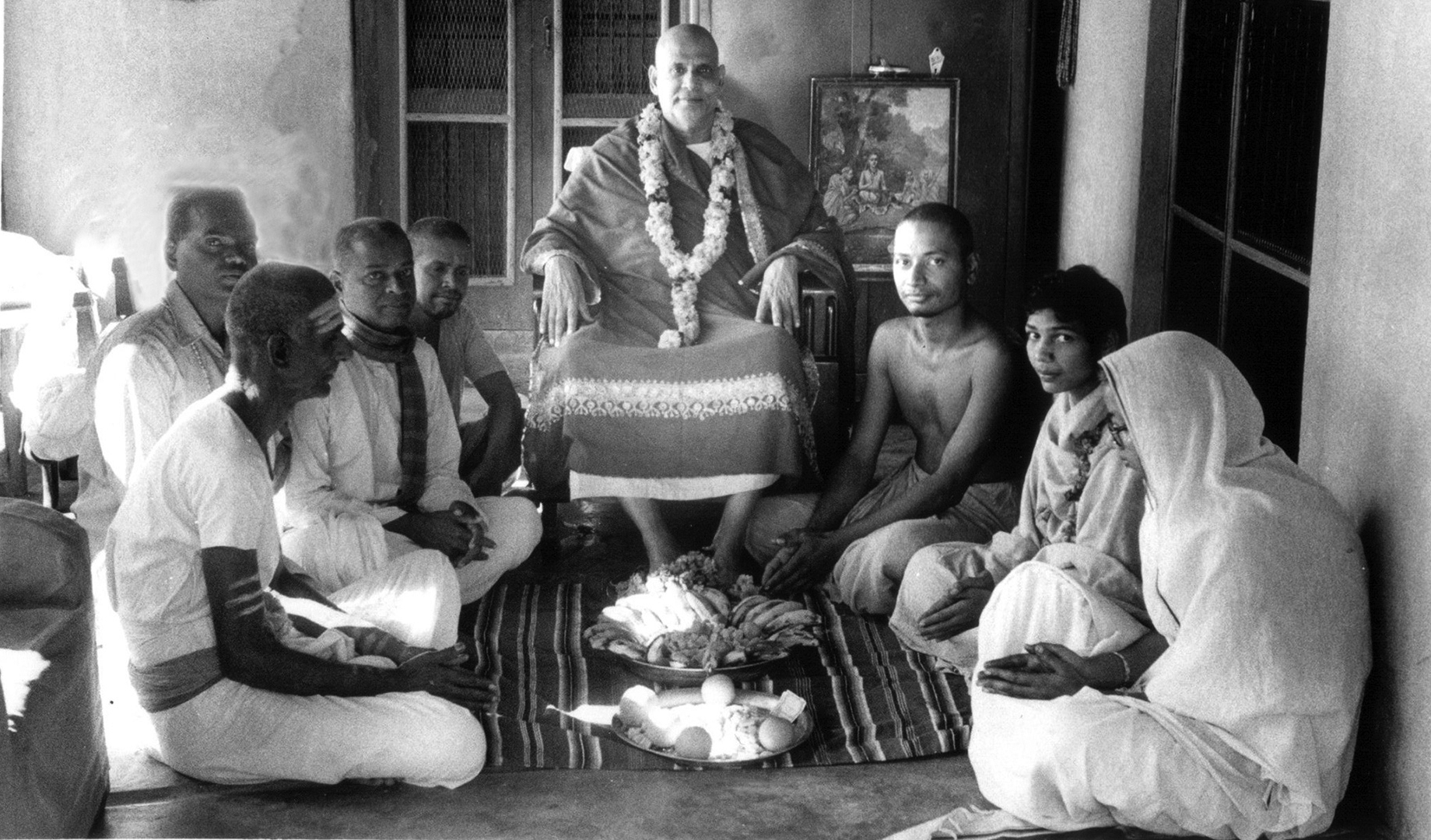
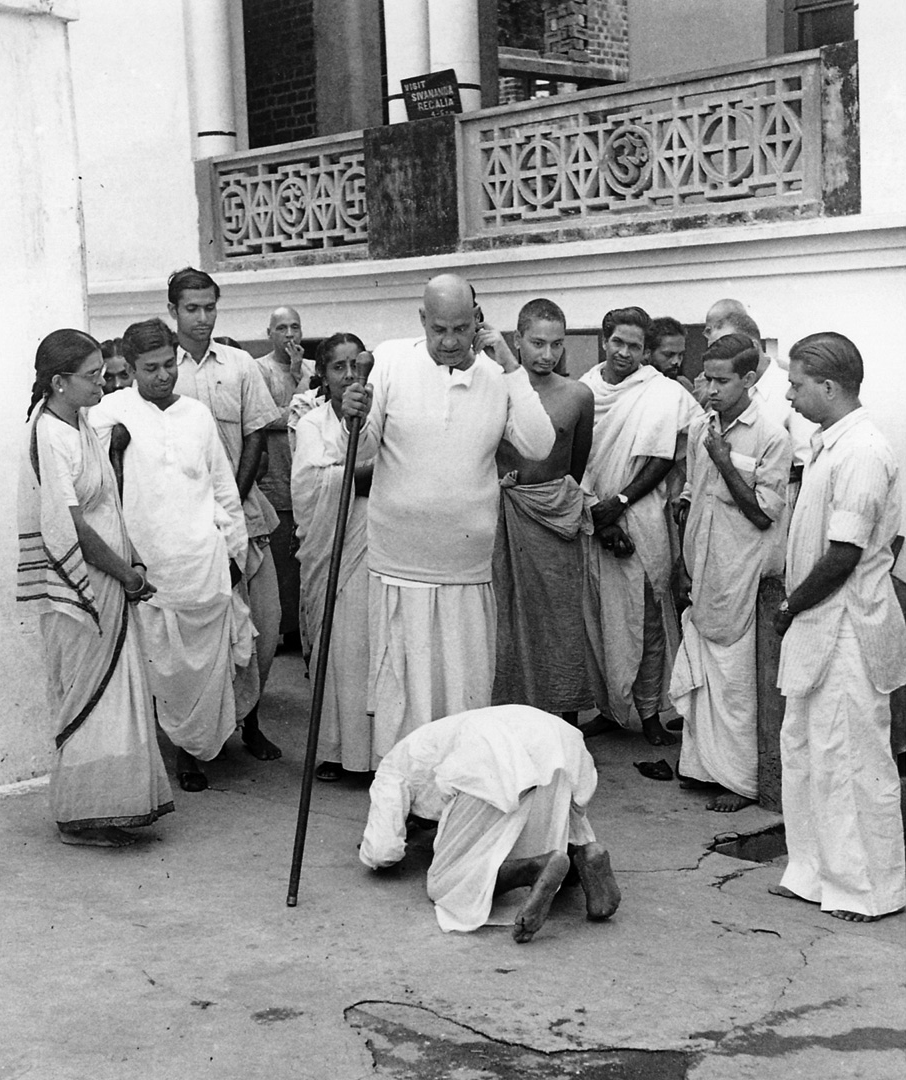
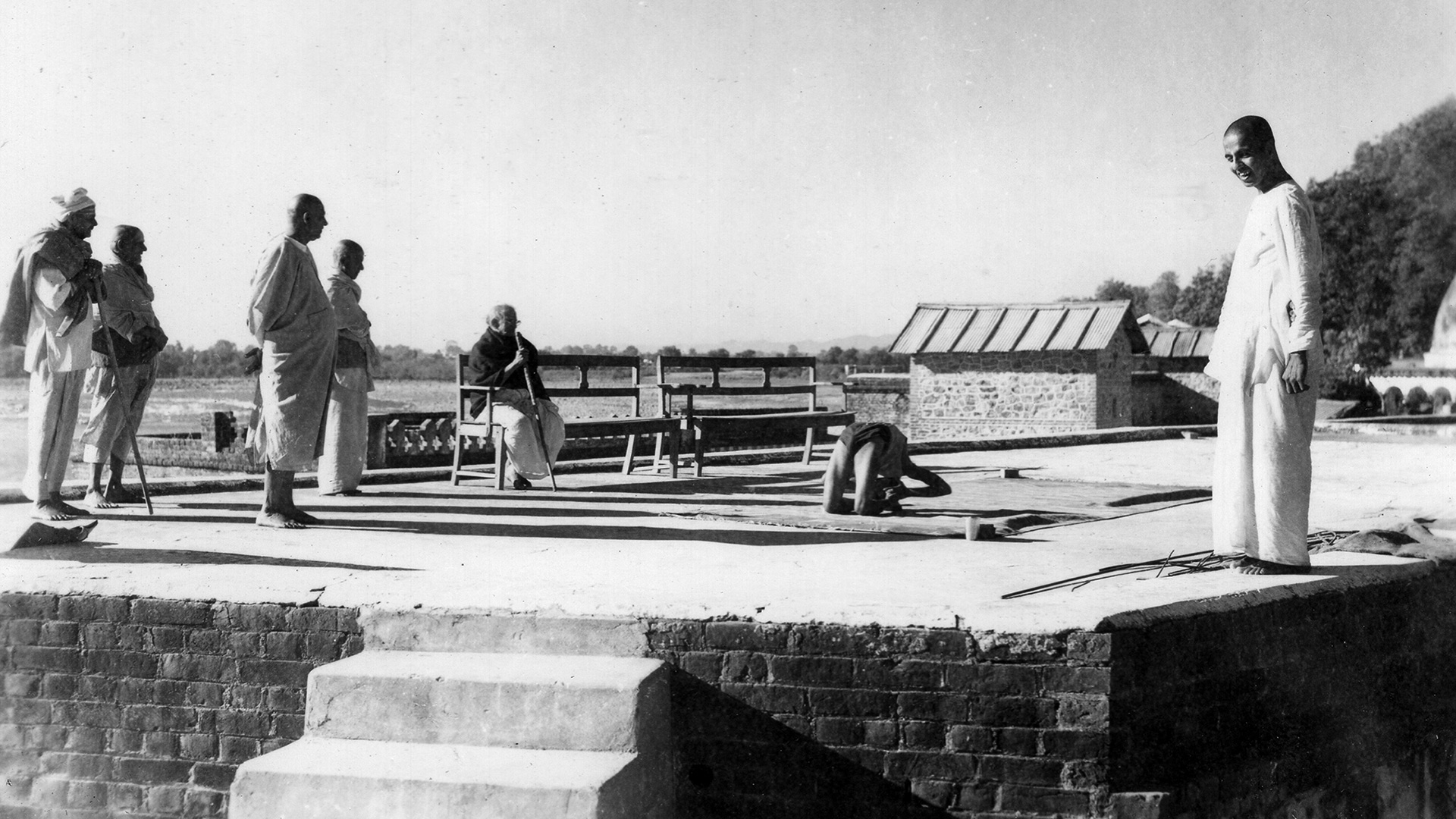
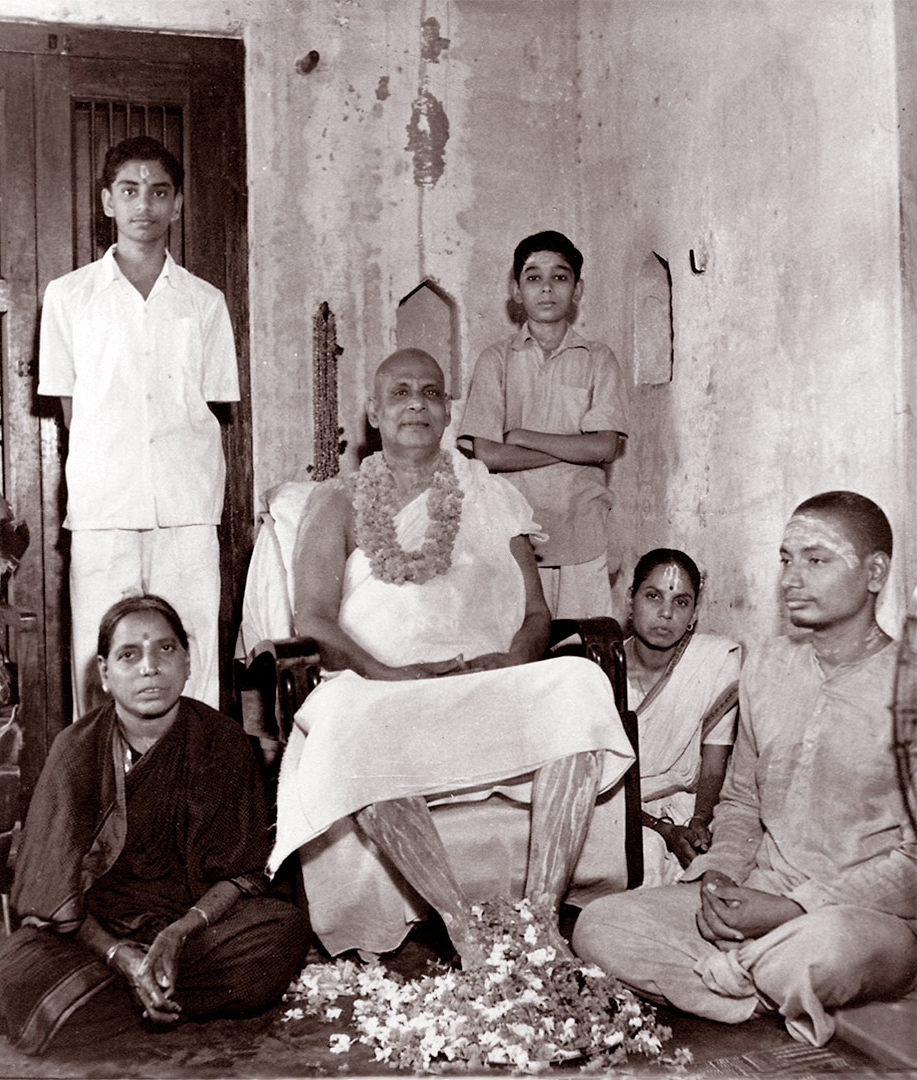
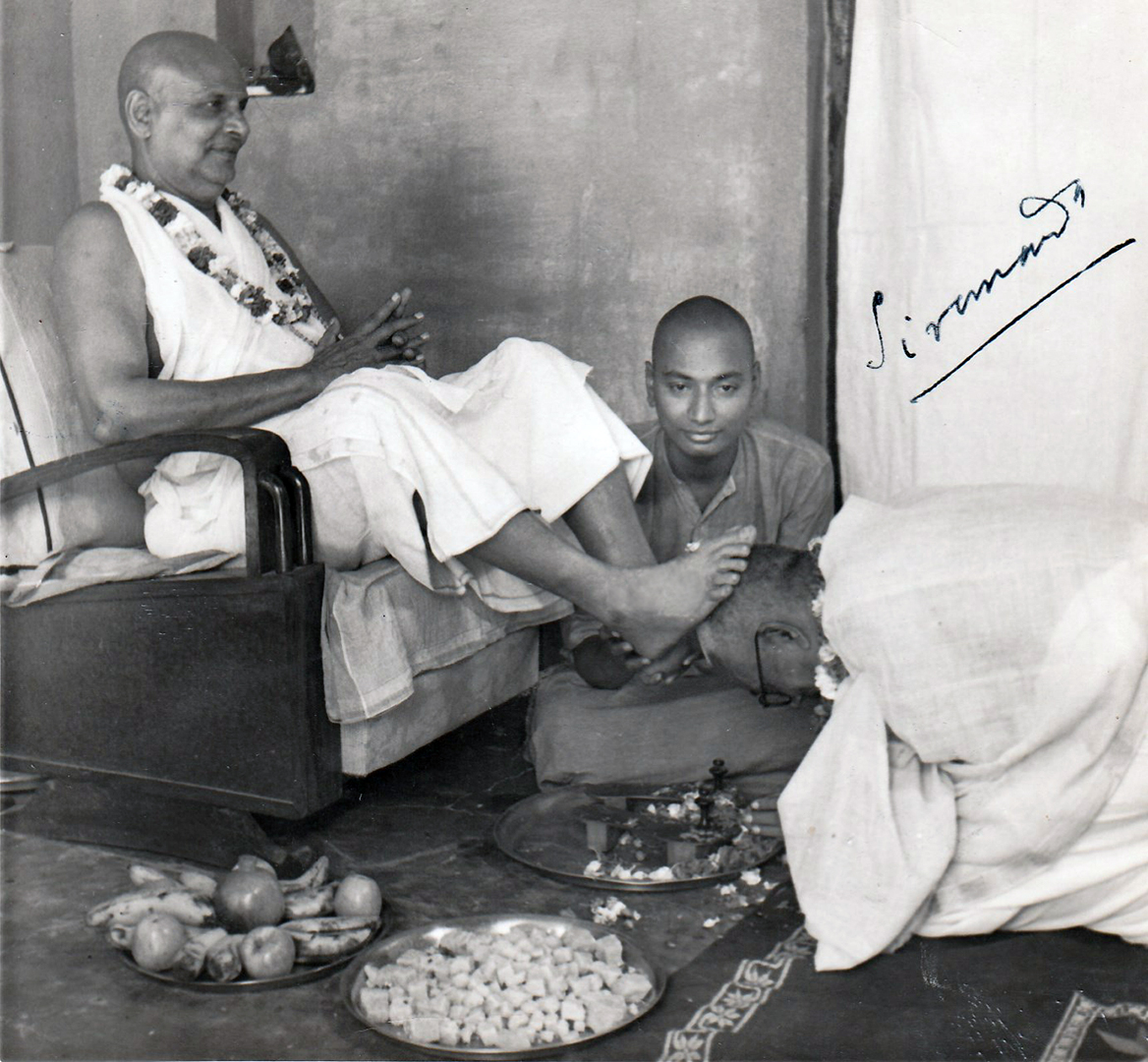
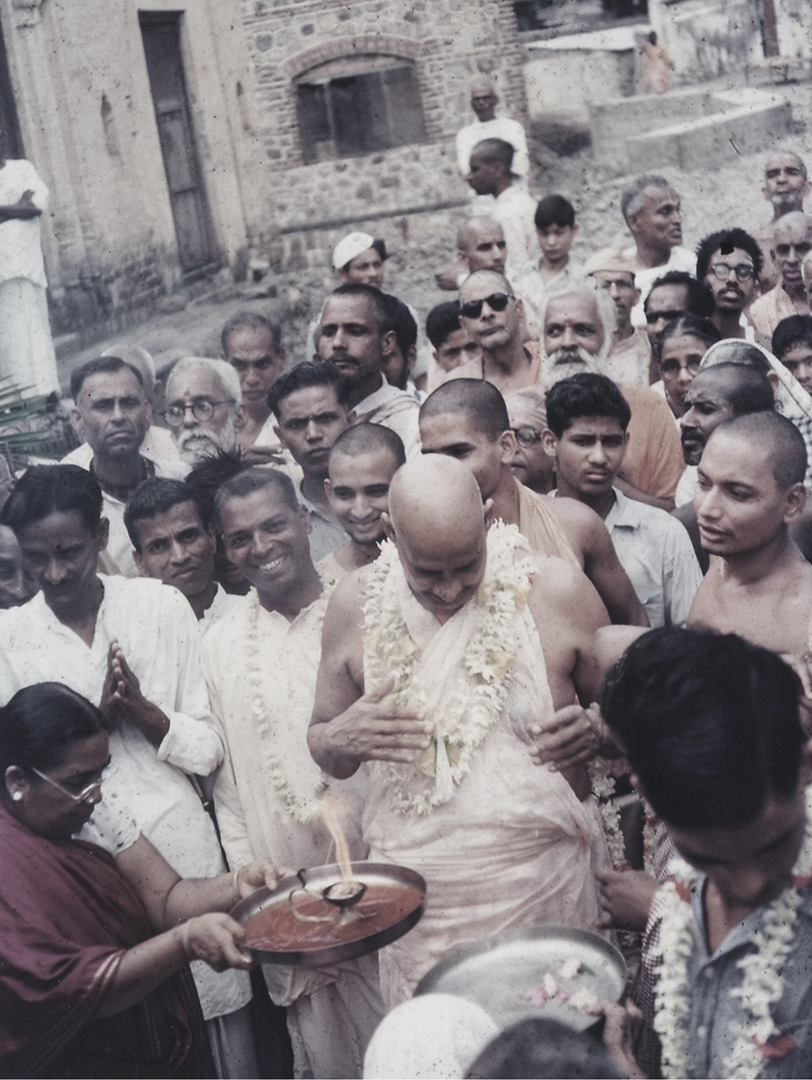
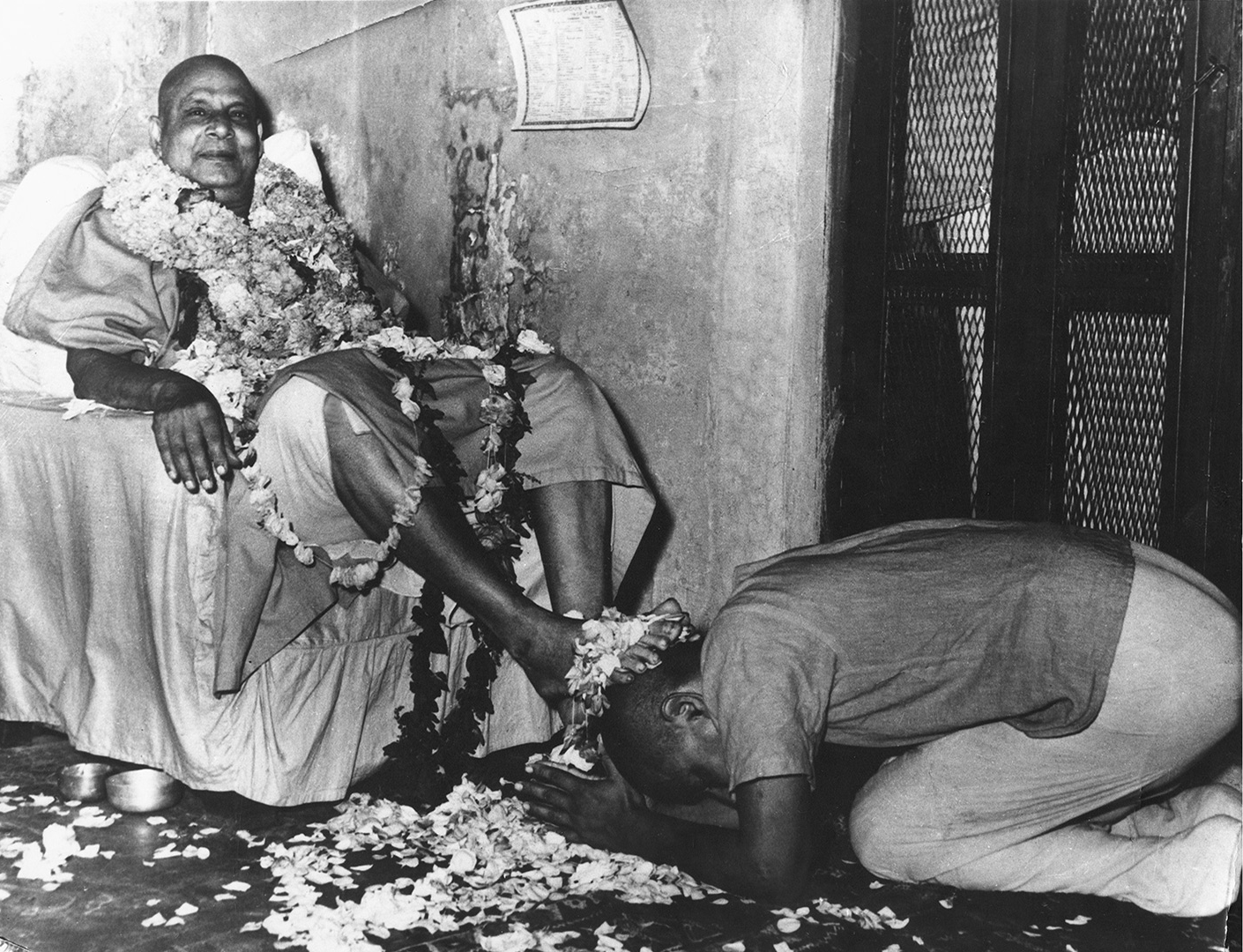
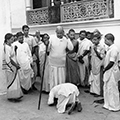
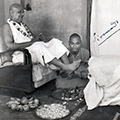
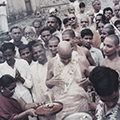
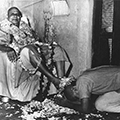
This happens to be one of Swami Venkatesananda's favorite photos. It's a snapshot of the end of a Pada Puga Ceremony in which the disciple worships the Divine that has come in the form of the Master ... The Guru,and by grace of the Guru, dispels the darkness of ignorance, and once and for all, obliterates the sense of separateness from the One. "Guru Maharaj, Guru Jai Jai"
-
-

-
-
-